
The question “where is Credit One located?” often arises from consumers accustomed to traditional banking models with numerous physical branches. However, Credit One Bank operates with a distinctly modern, centralized approach that prioritizes digital engagement over a widespread physical footprint. Understanding Credit One’s operational strategy reveals not only its primary physical hub but also its expansive virtual presence, which is far more relevant to the average cardholder. This model is a fascinating case study in how contemporary financial institutions serve their clientele, especially within the personal finance and credit building sectors.
The Core Operational Hub: Las Vegas, Nevada
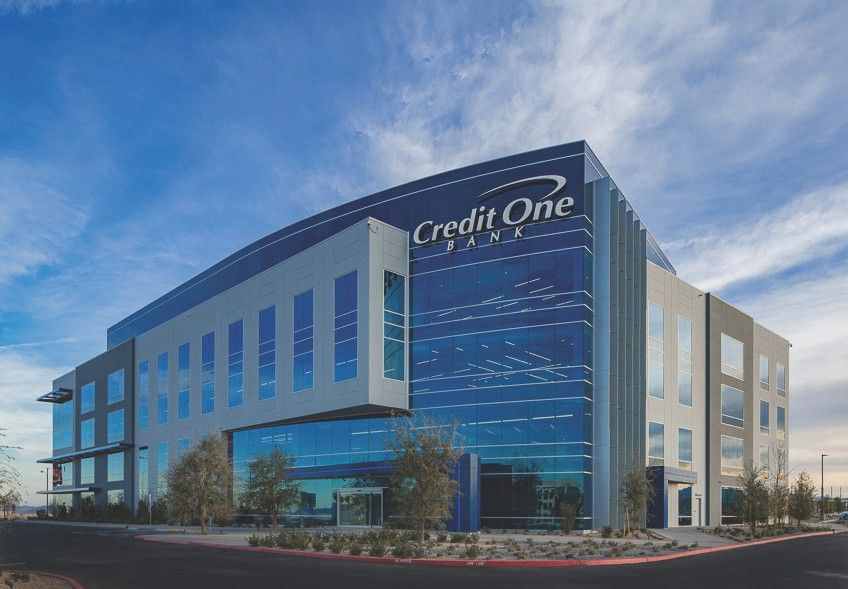
Credit One Bank’s primary and most significant physical location is its corporate headquarters in Las Vegas, Nevada. This single, centralized hub serves as the nerve center for all its major operations, including executive management, customer service, underwriting, marketing, and technology development. Unlike retail banks that rely on a network of local branches to interact with customers and offer services, Credit One funnels the vast majority of its business functions through this single, robust facility.

A Centralized Approach to Banking
This centralized operational model is a strategic choice that underpins Credit One’s business finance structure. By consolidating its workforce and infrastructure into one main location, the bank can achieve several efficiencies. It streamlines communication, facilitates quicker decision-making processes, and optimizes resource allocation. For a credit card issuer focused on a specific market segment, this approach reduces overhead costs associated with maintaining a distributed branch network, allowing resources to be reinvested into technology, customer support infrastructure, and product development. This financial strategy is particularly effective for businesses that operate primarily through direct mail and digital channels.
Why a Single Headquarters?
The decision to maintain a single primary headquarters, rather than a diffused network, aligns perfectly with Credit One’s business model. As an issuer of credit cards, predominantly to individuals seeking to build or rebuild their credit, the bank’s interactions with customers are largely transactional and digital. Account applications are processed online or via mail, statements are delivered electronically or by post, and customer inquiries are handled through phone lines, email, or online portals. There is little to no demand for in-person banking services like cash deposits, withdrawals, or loan applications that characterize traditional branch banking. This operational choice reflects a modern financial services company tailored for the digital age, prioritizing efficiency and reach over traditional physical proximity.
The Digital Footprint: Credit One’s Virtual Presence
While its physical headquarters is in Las Vegas, Credit One Bank’s true “location” from a customer’s perspective is overwhelmingly digital. The bank leverages a sophisticated online platform and mobile applications to provide its services, making it accessible to millions of consumers across the United States, irrespective of their physical proximity to Nevada. This digital-first strategy defines its accessibility and how it integrates into the personal finance landscape.
Banking Beyond Brick-and-Mortar
Credit One Bank is a prime example of an institution that has embraced the “fintech” movement, offering robust banking services without the need for traditional brick-and-mortar branches. This model significantly lowers operational costs, which can, in theory, translate into more competitive financial products or improved customer service technologies. For cardholders, it means managing their accounts from anywhere with an internet connection. This accessibility is a critical financial tool, empowering individuals to monitor their spending, make payments, and access account details 24/7.
The Reach of Online Financial Services
The reach of Credit One’s online financial services extends nationwide. A customer in New York can apply for a card, activate it, make payments, and dispute charges with the same ease as someone in California. This ubiquity is a cornerstone of modern personal finance, where geographical barriers are increasingly irrelevant. The bank’s website and mobile app serve as the primary interface for cardholders, offering features such as transaction history, credit score tracking (often offered as a free perk), and secure messaging with customer support. This widespread digital accessibility is far more impactful than any physical address in defining “where Credit One is located” for its users.

Customer Service and Account Management in the Digital Realm
Credit One’s customer service channels are predominantly digital and telephonic. While the call centers may operate from its Las Vegas headquarters or other outsourced locations, the customer experience is designed to be remote. Online account management portals allow users to perform a wide array of tasks independently, reducing the need for direct human interaction for routine inquiries. This digital self-service model is a core component of modern financial tools, putting control directly into the hands of the consumer and aligning with current trends in online banking and personal finance management.
Understanding Credit One’s Business Model and Target Audience
Credit One’s operational strategy, including its centralized location and digital emphasis, is intricately linked to its business model and target audience. The bank primarily serves consumers who are looking to establish or rebuild their credit, often categorized as subprime or near-prime borrowers. This specific market segment has unique needs and expectations, which Credit One addresses through tailored products and an accessible, albeit remote, service model.
Serving the Emerging Credit Market
Credit One issues a range of credit cards, many of which are designed for individuals with less-than-perfect credit scores. These cards often come with specific features, such as credit line increases after responsible use, credit score tracking, and sometimes higher fees or interest rates that reflect the higher risk associated with this demographic. The bank’s ability to offer these products hinges on an efficient operational structure that can manage risk effectively and process a high volume of applications. Its centralized location facilitates a unified risk assessment and underwriting process, critical for managing a diverse portfolio of credit-building accounts.
The Role of Technology in Card Issuance
Technology plays a pivotal role in Credit One’s card issuance and management. From automated application processing to sophisticated fraud detection systems, the bank relies heavily on its technological infrastructure. This technological prowess, largely developed and managed from its Las Vegas headquarters, allows Credit One to scale its operations and serve a vast customer base without the need for a physically expansive network. It’s an investment in financial technology that pays dividends in efficiency and reach, directly impacting its business finance model.
Fees, Features, and Financial Management
When considering a Credit One card, potential cardholders should be aware of the specific terms and conditions, which are part of managing personal finance effectively. These can include annual fees, late payment fees, and variable APRs. The digital platforms provided by Credit One are essential tools for managing these aspects, allowing cardholders to track due dates, set up automatic payments, and monitor their credit usage to avoid unnecessary fees and improve their credit health. Understanding these elements is key to responsible credit building.
Navigating Your Relationship with Credit One Bank
For individuals who hold a Credit One credit card, understanding the bank’s operational model is crucial for effective account management. Since there are no local branches to visit, all interactions will occur through digital channels or over the phone.
Accessing Support and Information
To get support or information, cardholders should primarily use Credit One’s official website or their dedicated customer service phone lines. The website offers extensive FAQs, secure messaging options, and access to account details. For more complex issues, direct telephone contact is the most effective method. Having all account information readily available online allows for immediate action on financial decisions, such as reporting a lost card or disputing a charge.
Managing Your Account Effectively
Effective management of a Credit One account, like any credit card, is fundamental to personal financial health. This includes:
-
Regularly checking your statements: To ensure all transactions are correct and to monitor your spending.
-
Making payments on time: To avoid late fees and negative impacts on your credit score.
-
Monitoring your credit utilization: Keeping your balances low relative to your credit limit is beneficial for your credit score.
-
Utilizing available online tools: Credit One often provides tools for budgeting and credit score tracking within its online portal, which can be invaluable for credit building.
Implications for Personal Financial Planning
Credit One Bank’s model emphasizes the shift towards digital banking and self-service in personal finance. For cardholders, this means taking proactive responsibility for managing their accounts through online platforms. For those using Credit One to build credit, consistent, responsible use and diligent online monitoring can be a powerful financial tool to improve their credit profile and open doors to other financial products in the future. The bank’s “location,” therefore, is less about a physical address and more about its omnipresent digital accessibility in the lives of its cardholders.
aViewFromTheCave is a participant in the Amazon Services LLC Associates Program, an affiliate advertising program designed to provide a means for sites to earn advertising fees by advertising and linking to Amazon.com. Amazon, the Amazon logo, AmazonSupply, and the AmazonSupply logo are trademarks of Amazon.com, Inc. or its affiliates. As an Amazon Associate we earn affiliate commissions from qualifying purchases.