
The journey to homeownership, or the strategic decision to refinance an existing mortgage, invariably leads to a critical question: “Who has the lowest mortgage rates?” This seemingly simple inquiry belies a complex financial landscape where even a fraction of a percentage point can translate into tens of thousands of dollars saved or spent over the life of a loan. In an environment of fluctuating interest rates and diverse lending institutions, navigating the options to secure the most favorable terms is paramount for any financially savvy individual.
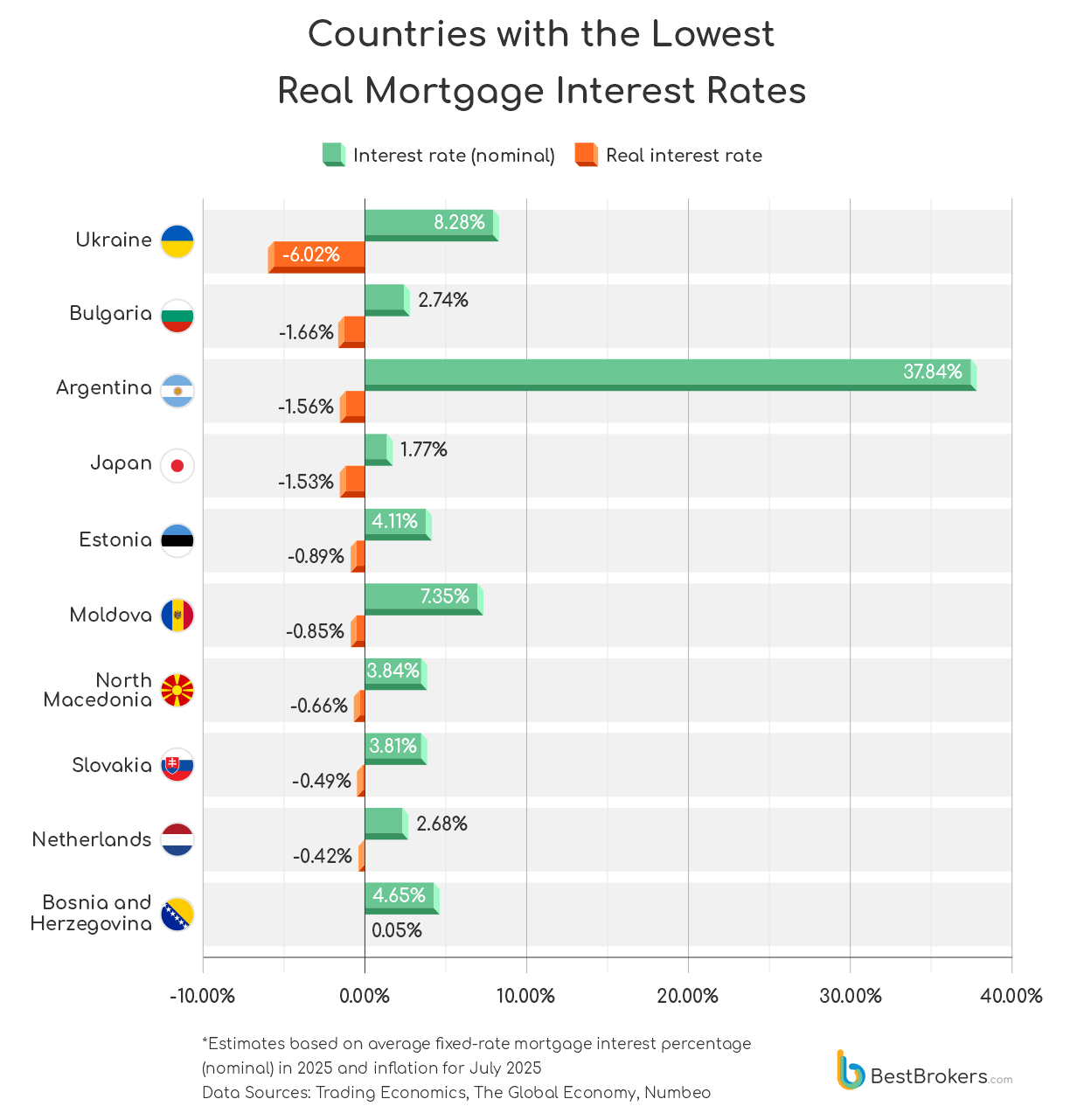
This guide aims to demystify the process of finding the lowest mortgage rates. We’ll delve into the factors that influence these rates, explore the various types of lenders, and equip you with actionable strategies to optimize your financial profile and comparison shop effectively. Our goal is to empower you with the knowledge and tools necessary to make an informed decision, ensuring you secure a mortgage that aligns with your financial well-being and long-term aspirations.
Understanding Mortgage Rates: More Than Just a Number
Before embarking on the quest for the lowest rate, it’s crucial to understand what mortgage rates represent and the fundamental forces that shape them. A mortgage rate isn’t just a random figure; it’s a reflection of economic conditions, lender risk assessment, and the specific terms of your loan.
Fixed vs. Adjustable-Rate Mortgages (ARMs)
The first distinction often encountered is between fixed-rate and adjustable-rate mortgages. A fixed-rate mortgage offers an interest rate that remains constant throughout the entire loan term, typically 15 or 30 years. This predictability provides stability and protection against rising interest rates, making budgeting straightforward. However, if market rates fall significantly, you might need to refinance to take advantage of lower costs.
In contrast, an adjustable-rate mortgage (ARM) features an initial fixed-rate period (e.g., 5, 7, or 10 years), after which the rate adjusts periodically based on a specific market index. ARMs often start with lower interest rates than fixed-rate mortgages, making them attractive for borrowers who plan to sell or refinance before the fixed period ends, or those who anticipate future income growth. The downside is the uncertainty; your monthly payments could increase substantially if interest rates rise. Understanding your financial goals and risk tolerance is key to choosing between these two fundamental types.
The Impact of Interest Rates on Total Cost
It’s impossible to overstate the impact of interest rates on the overall cost of your mortgage. Even a small difference can accumulate into substantial savings or extra expense over decades. For example, on a $300,000, 30-year fixed-rate mortgage, a 0.25% difference in interest rate (e.g., 6.50% vs. 6.25%) could save you over $15,000 in interest paid over the life of the loan. This calculation doesn’t even account for potential savings from lower monthly payments, which free up cash flow for other financial goals. This is why diligent comparison shopping for the absolute lowest rate is not just a preference but a financial imperative.
Key Factors Influencing Your Individual Rate
While broader economic factors like inflation, Federal Reserve policy, and the bond market influence overall rate trends, several personal factors directly impact the rate you are offered:
- Credit Score: A strong credit score (typically FICO 740 and above) signals to lenders that you are a reliable borrower, qualifying you for the most competitive rates. Lower scores indicate higher risk, leading to higher rates.
- Debt-to-Income (DTI) Ratio: Your DTI ratio compares your total monthly debt payments to your gross monthly income. A lower DTI (generally below 43%) indicates you can comfortably manage additional debt, making you a less risky borrower.
- Loan-to-Value (LTV) Ratio & Down Payment: The LTV ratio compares the amount of your mortgage to the appraised value of the home. A higher down payment results in a lower LTV, reducing the lender’s risk and often securing a better rate.
- Loan Type and Term: As discussed, ARMs typically start lower than fixed rates. Shorter loan terms (e.g., 15-year fixed) often come with lower interest rates than longer terms (e.g., 30-year fixed) because the lender assumes less long-term risk.
- Property Type and Use: Investment properties or multi-unit dwellings typically carry slightly higher rates than primary residences due to perceived higher risk.
The Lenders Landscape: Who Offers What?
The mortgage market is diverse, populated by a variety of institutions, each with its own strengths and rate structures. Understanding these different players is crucial for a comprehensive search.
Traditional Banks and Credit Unions
Traditional banks are often the first stop for many borrowers. Large national banks (e.g., Chase, Wells Fargo, Bank of America) offer a full spectrum of financial products, including mortgages, and often have physical branches, providing a personal touch. Their rates can be competitive, especially for existing customers. Community banks offer a more personalized experience and may be more flexible with borrowers who have unique circumstances or strong local ties.
Credit unions are non-profit financial cooperatives owned by their members. They are renowned for offering competitive rates and lower fees due to their member-centric focus. To get a mortgage from a credit union, you must become a member, which usually involves meeting specific eligibility criteria (e.g., living in a certain area, working for a particular employer). They can be an excellent source for favorable terms, especially for borrowers with good credit.
Online Lenders and Mortgage Brokers
The rise of online lenders (e.g., Rocket Mortgage, Better Mortgage) has revolutionized the mortgage industry, offering a streamlined, technology-driven application process. They often boast lower overhead costs, which can translate into highly competitive rates and reduced fees. Their platforms allow for quick rate comparisons and often provide pre-approvals within minutes. While lacking a physical presence, many offer robust customer service through phone or chat.
Mortgage brokers act as intermediaries between borrowers and multiple lenders. They don’t lend money themselves but work with a network of banks, credit unions, and other mortgage providers to find the best rates and terms for their clients. A good broker can be invaluable, saving you time and potentially uncovering rates you might not find on your own, especially if you have a complex financial situation. They typically earn a commission from the lender or a fee from the borrower.
Specialty Lenders and Government-Backed Loans (FHA, VA, USDA)
Beyond conventional loans, there are specific programs designed to assist certain borrower groups, often with more lenient qualification criteria and competitive rates:
- FHA Loans: Backed by the Federal Housing Administration, these loans are popular among first-time homebuyers or those with less-than-perfect credit or smaller down payments (as low as 3.5%). While offering flexibility, they require mortgage insurance premiums (MIP) for the life of the loan.
- VA Loans: Guaranteed by the Department of Veterans Affairs, these loans are available to eligible veterans, service members, and surviving spouses. They offer significant benefits, including no down payment requirement, no private mortgage insurance (PMI), and competitive interest rates.
- USDA Loans: Backed by the U.S. Department of Agriculture, these loans are designed to help low-to-moderate-income individuals purchase homes in eligible rural areas. They also typically require no down payment and offer favorable terms.
While these government-backed loans have specific eligibility, many traditional and online lenders participate in these programs, so it’s essential to inquire if you qualify.
Strategies for Securing the Lowest Rate
Finding the lowest mortgage rate isn’t merely about searching online; it requires strategic preparation and proactive engagement. Your financial readiness significantly influences the rates lenders are willing to offer.
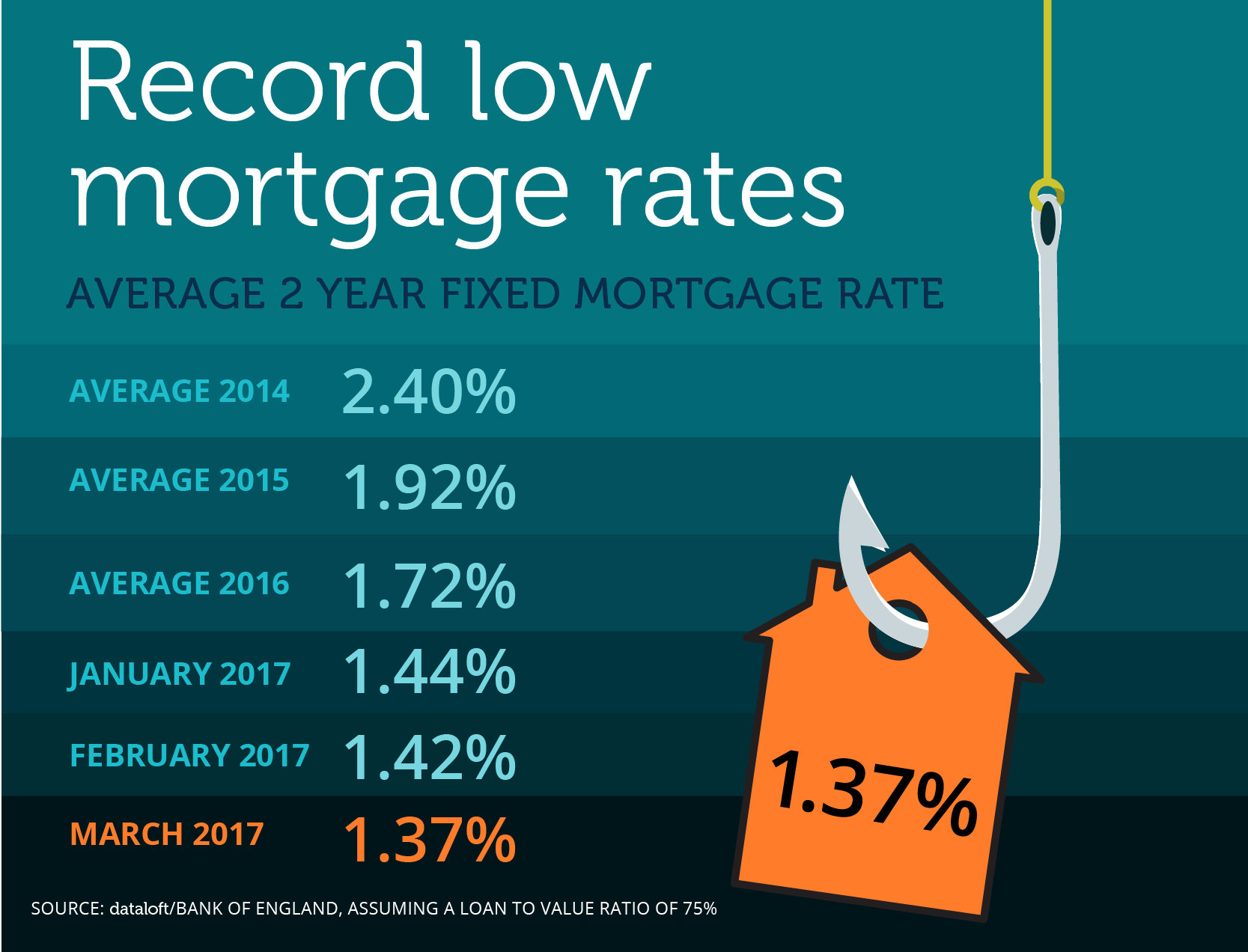
Enhancing Your Financial Profile: Credit Score, Debt-to-Income
The cornerstone of securing a low mortgage rate is a robust financial profile. Lenders assess your risk based on your ability and willingness to repay debt.
- Boost Your Credit Score: Aim for a FICO score of 740 or higher. Pay all bills on time, keep credit card balances low (ideally below 30% utilization), avoid opening new lines of credit just before applying for a mortgage, and dispute any errors on your credit report.
- Lower Your Debt-to-Income (DTI) Ratio: Reduce existing debts, particularly high-interest consumer debt. A DTI below 36% is generally preferred, though many lenders will go up to 43% for qualified borrowers. Paying down car loans or student loans can significantly improve this ratio.
- Increase Your Down Payment: A larger down payment reduces the loan amount and the lender’s risk, often leading to a better interest rate. It also helps you avoid private mortgage insurance (PMI) if your LTV is 80% or lower on a conventional loan.
The Power of Comparison Shopping
This is perhaps the single most impactful strategy for finding the lowest rate. Do not settle for the first quote you receive.
- Get Multiple Quotes: Contact at least three to five different lenders – a mix of traditional banks, credit unions, and online lenders. Provide the same information to each to ensure an apples-to-apples comparison.
- Use Mortgage Rate Comparison Tools: Many websites (e.g., LendingTree, Bankrate, Zillow) aggregate rates from various lenders, allowing you to quickly survey the market. Be prepared for follow-up calls, but these tools are excellent for initial research.
- Request a Loan Estimate (LE): Once you’ve pre-qualified or pre-approved, federal law requires lenders to provide a standardized Loan Estimate within three business days. This document clearly outlines the interest rate, monthly payment, and all associated closing costs, making it easy to compare offers side-by-side.
Rate Locks and When to Use Them
Mortgage rates can be volatile, changing daily or even hourly. A rate lock allows you to “lock in” an interest rate for a specific period (typically 30 to 60 days) while your loan application is being processed. This protects you from rate increases if market conditions worsen.
- When to Lock: If you’re comfortable with the current rate and anticipate rates might rise, or if you’re nearing closing and don’t want any last-minute surprises.
- When to Float: If you believe rates might fall further and you have some flexibility in your closing timeline.
- Negotiate Lock Period: Ensure the lock period is long enough to cover your anticipated closing date, adding a buffer. Some lenders offer “float-down” options, allowing you to get a lower rate if market rates drop significantly during your lock period, usually for a fee.
Understanding Points and Closing Costs
Beyond the interest rate, two other financial components significantly impact the true cost of your mortgage:
- Mortgage Points (Discount Points): These are fees paid directly to the lender at closing in exchange for a lower interest rate. One point typically equals 1% of the loan amount. Deciding whether to pay points depends on how long you plan to stay in the home. If you keep the mortgage long enough, the savings from the lower interest rate will “break even” with the cost of the points.
- Closing Costs: These are various fees charged by lenders and third parties for services related to the loan and property transfer. They typically range from 2% to 5% of the loan amount and include origination fees, appraisal fees, title insurance, attorney fees, and more. A lower interest rate could be offset by higher closing costs, so always compare the “Annual Percentage Rate” (APR), which reflects the total cost of the loan over its term, including interest and certain fees.
Navigating the Application Process and Beyond
Once you’ve done your research and prepared your financial profile, the application process itself requires careful attention. Even after closing, monitoring your mortgage can yield further financial benefits.
Essential Documentation and Preparation
A smooth mortgage application process hinges on thorough preparation of required documents. Lenders will scrutinize your financial history, and having everything organized upfront can prevent delays. Typically, you’ll need:
- Proof of Income: Pay stubs (past 30 days), W-2s (past two years), and federal tax returns (past two years) if you’re self-employed.
- Asset Information: Bank statements (past two to three months) for all checking, savings, and investment accounts to verify your down payment and reserves.
- Credit History: Lenders will pull your credit report, so ensure it’s accurate beforehand.
- Employment Verification: Contact information for your employer.
- Identification: Government-issued ID.
- Rent/Mortgage History: Proof of on-time payments for your current housing.
Having these documents ready will demonstrate your seriousness and allow the lender to process your application efficiently.
The Art of Negotiation
While the mortgage market is competitive, there can still be room for negotiation, especially if you have an excellent financial profile.
- Leverage Competing Offers: If one lender offers a slightly better rate or lower closing costs, use that information to ask another preferred lender to match or beat it. Be polite but firm in your request.
- Ask for Fee Waivers: Some lenders may be willing to waive certain fees (e.g., application fees, appraisal fees) to earn your business.
- Inquire About Relationship Discounts: If you have other accounts (e.g., checking, savings, investments) with a particular bank or credit union, ask if they offer relationship-based rate discounts.
- Clarify All Costs: Don’t hesitate to ask for a detailed breakdown of every fee. Understanding where your money is going puts you in a stronger negotiating position.
Remember, the worst they can say is no, so it never hurts to ask.
Monitoring Rates for Refinancing Opportunities
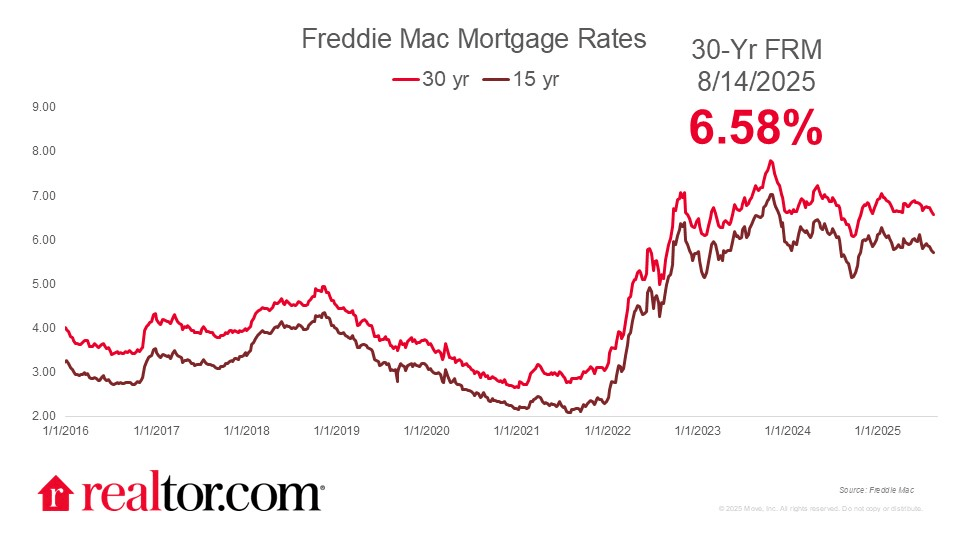
Your relationship with mortgage rates doesn’t end at closing. The financial landscape is dynamic, and market conditions can change significantly over the years.
- Stay Informed: Keep an eye on general interest rate trends. If rates drop substantially (typically 0.75% to 1% below your current rate), it might be an opportune time to consider refinancing.
- Evaluate Your Goals: Refinancing isn’t just about lower rates; it can also be used to change your loan term (e.g., from 30 to 15 years to pay off faster), switch from an ARM to a fixed rate, or tap into home equity for renovations or debt consolidation.
- Calculate Break-Even Point: Just as with points at origination, calculate how long it will take for the savings from a lower monthly payment to recoup the new closing costs associated with refinancing. If you plan to move before that break-even point, refinancing might not be worthwhile.
Regularly assessing your mortgage against current market rates ensures you remain in the most financially advantageous position throughout your homeownership journey.
In conclusion, the quest for the lowest mortgage rate is a multifaceted endeavor that rewards diligence, financial preparation, and savvy comparison shopping. By understanding the different types of mortgages, optimizing your financial profile, exploring the diverse lending landscape, and strategically navigating the application process, you empower yourself to secure a loan that not only makes homeownership affordable but also contributes significantly to your long-term financial health. The lowest mortgage rate isn’t merely found; it’s earned through informed action and persistent effort.
aViewFromTheCave is a participant in the Amazon Services LLC Associates Program, an affiliate advertising program designed to provide a means for sites to earn advertising fees by advertising and linking to Amazon.com. Amazon, the Amazon logo, AmazonSupply, and the AmazonSupply logo are trademarks of Amazon.com, Inc. or its affiliates. As an Amazon Associate we earn affiliate commissions from qualifying purchases.