
Embarking on a hike in the modern era is no longer just about sturdy boots and a map; it’s an opportunity to leverage cutting-edge technology to enhance safety, optimize performance, and enrich the overall outdoor experience. From sophisticated navigation systems to intelligent power solutions, the right tech gear can transform a challenging trek into a seamless adventure. This guide delves into the indispensable technological tools and gadgets that every contemporary hiker should consider, ensuring a blend of preparedness, efficiency, and connectivity on the trail.
Navigational Prowess: Staying on Course with Digital Tools
The cornerstone of any successful hike is reliable navigation. While traditional maps and compasses hold their place, digital tools offer unparalleled precision, real-time data, and user-friendly interfaces. Integrating these technologies can prevent getting lost, aid in emergency situations, and allow for meticulous trip planning.
GPS Devices and Satellite Communicators
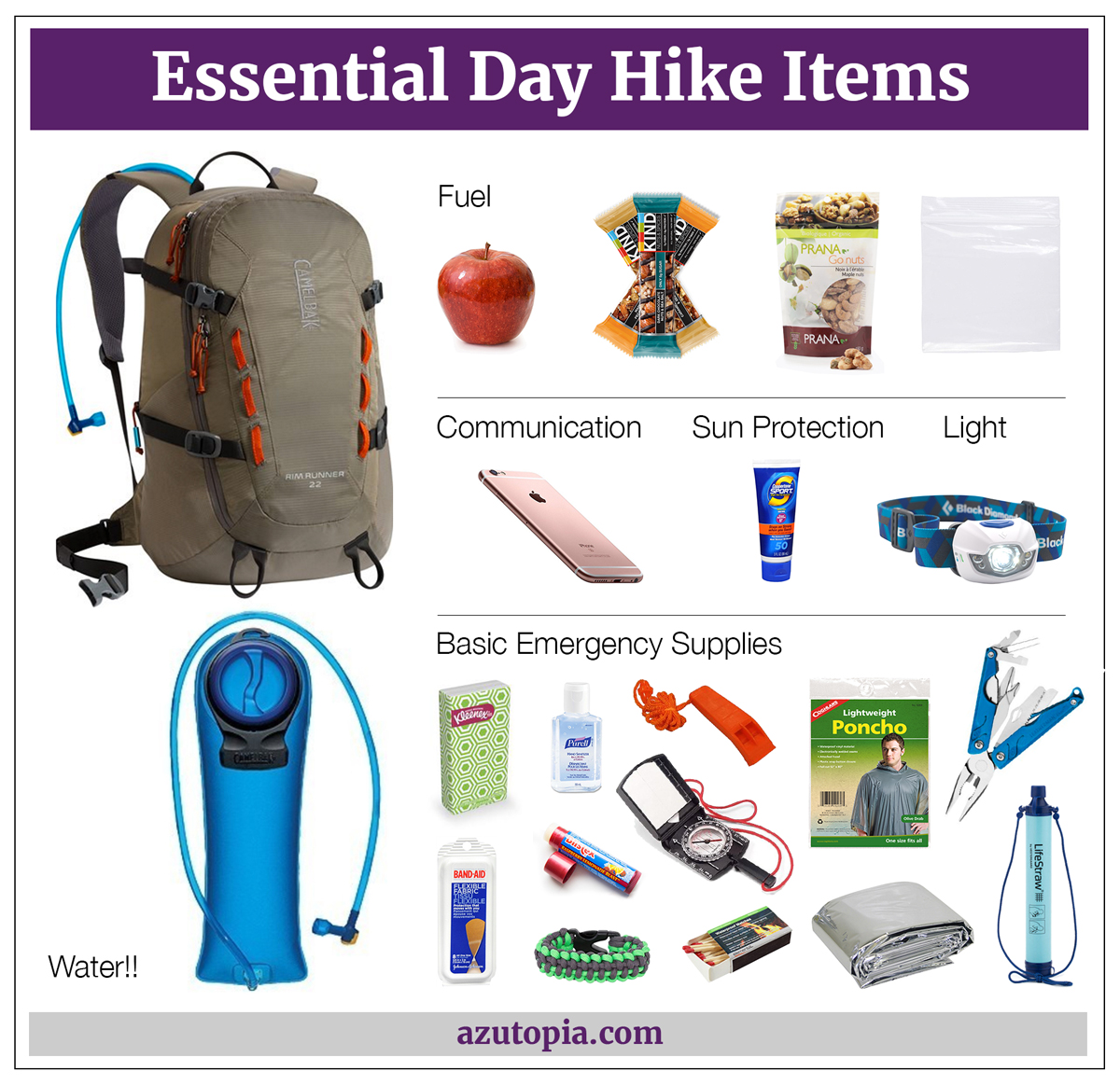
Dedicated GPS handheld units offer superior battery life and ruggedness compared to smartphones, making them ideal for multi-day excursions or areas with extreme conditions. Modern GPS devices come pre-loaded with topographic maps, elevation profiles, and waypoint tracking, ensuring you always know your precise location. Beyond basic navigation, advanced models feature two-way satellite communication capabilities. Devices like the Garmin inReach series or Zoleo allow users to send and receive text messages, share their location, and trigger an SOS signal even when far beyond cellular range. This critical functionality provides a lifeline in emergencies, making them an invaluable safety asset.
Smartphone Apps and Offline Mapping
Your smartphone, while susceptible to battery drain, can be a powerful navigational tool with the right applications. Apps like AllTrails, Gaia GPS, and Komoot offer extensive trail databases, route planning, and the crucial ability to download maps for offline use. Before heading out, ensure you’ve downloaded the relevant topographical and satellite maps for your intended route. These apps often include features like elevation profiles, points of interest, and even social components for sharing routes and experiences. To maximize battery life, keep your phone in airplane mode, disable unnecessary background apps, and consider carrying a dedicated GPS unit as a primary navigation tool, reserving your phone for supplementary use or emergencies.
Powering Your Journey: Keeping Devices Charged in the Wild
The reliance on electronic devices on the trail necessitates robust power solutions. Losing power to critical navigation or communication tools can quickly turn an inconvenience into a serious hazard. Smart power management is key to sustained connectivity and safety.
Portable Power Banks and Solar Chargers
A high-capacity portable power bank is non-negotiable for any tech-equipped hike. Look for models with at least 10,000-20,000 mAh capacity, multiple USB ports, and fast-charging capabilities. Durable, water-resistant designs are also highly recommended for outdoor use. For extended trips, especially in sunny climates, a portable solar charger can provide a sustainable source of power. Modern foldable solar panels are increasingly efficient, capable of trickle-charging power banks or directly charging devices on the go. While solar charging can be slower, it offers an excellent supplementary power source, reducing reliance on finite battery reserves.
Smart Headlamps and Illumination Tech
Illumination is crucial for early morning starts, late finishes, or unexpected overnight stays. Modern headlamps go beyond simple on/off switches, incorporating smart features that optimize performance and battery life. Look for models with reactive lighting technology that automatically adjusts brightness based on ambient light, preserving battery life and reducing the need for manual adjustments. Rechargeable batteries, USB-C charging, and multiple beam patterns (spot, flood, red light for night vision) are standard features. Some advanced headlamps even integrate with apps to customize light profiles or monitor battery status, offering precise control over your illumination needs.
Wearable Tech: Performance, Health, and Safety on Your Wrist

Wearable technology has revolutionized how we monitor our bodies and navigate the world, even on the most challenging trails. Smartwatches and fitness trackers provide a wealth of data that can inform decisions, track progress, and even alert others in an emergency.
Smartwatches and Fitness Trackers
High-end smartwatches from brands like Garmin, Apple, and Suunto are invaluable hiking companions. They offer integrated GPS for tracking routes, distance, and elevation, often with much longer battery lives than a typical smartphone. Beyond navigation, these devices monitor vital health metrics such as heart rate, blood oxygen levels (SpO2), and sleep patterns, providing critical insights into your physical condition during strenuous activity. Many also feature advanced ABC (Altimeter, Barometer, Compass) sensors, storm alerts, and robust construction to withstand harsh outdoor environments. Some models even include emergency SOS features, allowing you to signal for help with a press of a button, connecting directly to emergency services or pre-selected contacts.
Smart Apparel and Integrated Sensors
While still an emerging field, smart apparel is beginning to make inroads in outdoor gear. These garments incorporate sensors directly into the fabric to monitor biometric data, temperature, and even hydration levels. While not yet commonplace for the average hiker, expect future innovations to include tech-integrated fabrics that can regulate body temperature, detect injuries, or communicate distress signals. For now, focus on technical fabrics that wick moisture and provide insulation, recognizing the foundational role materials science plays in high-performance outdoor clothing.
Digital Security and Data Management on the Trail
The increasing integration of tech into outdoor activities also brings digital security and data management considerations to the forefront. Protecting your devices and personal information, as well as ensuring the availability of critical data, is vital.
Device Protection and Data Backup
Your tech gear is exposed to the elements, so robust protection is paramount. Invest in waterproof cases for smartphones, ruggedized external hard drives or USB sticks if carrying large data files (e.g., high-resolution maps, drone footage), and protective screens for all digital displays. Before hitting the trail, ensure all critical maps, emergency contacts, and important documents (scanned copies of permits, identification) are backed up to a cloud service and/or stored on an external, protected drive. For navigation apps, always download maps for offline use, as cell service is rarely guaranteed.
Emergency Communication Protocols
Beyond satellite communicators, establish clear digital emergency protocols. Share your itinerary, including your expected route and return time, with a trusted contact. Utilize features in smartwatches or messaging apps that allow for location sharing, enabling your contacts to monitor your progress. If carrying a satellite communicator, ensure your emergency contacts know how to use its messaging features and what information to expect if you need to reach out. Familiarize yourself with how to trigger an SOS signal and what information will be transmitted to emergency responders. Having a pre-planned digital strategy for communication ensures rapid response in critical situations.
Smart Gear and Future Innovations: The Evolving Trail
The realm of hiking tech is constantly evolving, with innovations continually making their way from concept to trail. Staying abreast of these developments can provide an edge in safety, comfort, and efficiency.
Tech-Integrated Backpacks and Advanced Materials
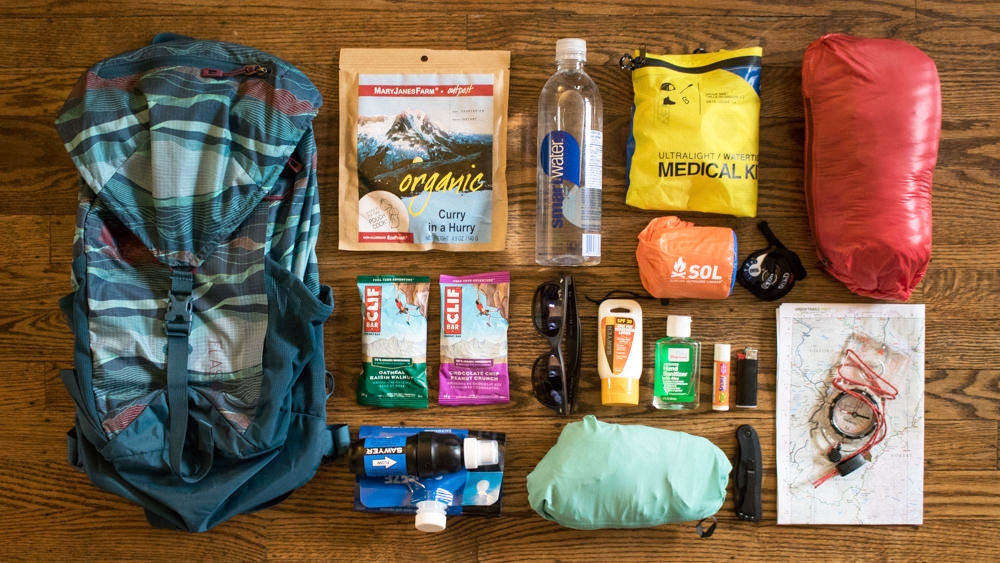
While traditional backpacks remain popular, we’re seeing the emergence of tech-integrated designs. These can include built-in charging ports and battery pockets, hydration reservoirs with smart sensors, or even integrated solar panels. The materials science behind modern backpacks also continues to advance, with lighter, more durable, and increasingly weather-resistant fabrics enhancing performance without adding bulk.
AI-Powered Assistance and Predictive Analytics
The future of hiking tech points towards more personalized and predictive assistance. Imagine AI-powered apps that not only suggest routes but also analyze real-time weather, your physical condition, and even trail traffic to recommend optimal departure times or alternative paths. Drone technology for aerial reconnaissance or search and rescue is also becoming more accessible, offering new perspectives and capabilities. While some of these technologies are still nascent for the average hiker, their potential to revolutionize trail safety and enjoyment is immense, promising an even more integrated and intelligent outdoor experience.
The modern hike is a confluence of natural beauty and technological ingenuity. By carefully selecting and mastering the right tech, hikers can venture further, safer, and with a richer understanding of their surroundings and their own capabilities. Equipping yourself with these digital essentials is not just about convenience; it’s about embracing a new era of intelligent exploration.
aViewFromTheCave is a participant in the Amazon Services LLC Associates Program, an affiliate advertising program designed to provide a means for sites to earn advertising fees by advertising and linking to Amazon.com. Amazon, the Amazon logo, AmazonSupply, and the AmazonSupply logo are trademarks of Amazon.com, Inc. or its affiliates. As an Amazon Associate we earn affiliate commissions from qualifying purchases.