
Navigating the labyrinthine world of car insurance can often feel like an intricate puzzle, with countless providers, policies, and pricing structures. For most drivers, securing the most favorable rate without compromising on essential coverage is a top financial priority. The quest to identify “who has the best car insurance rates” is a common one, yet the answer is rarely straightforward. Instead, it’s a dynamic interplay of personal circumstances, market competition, and strategic financial planning. This comprehensive guide aims to demystify the process, empowering you to identify the insurers most likely to offer you optimal value, and equip you with the knowledge to consistently secure the best possible rates for your specific needs.
Understanding the Landscape of Car Insurance Premiums
Before diving into specific providers, it’s crucial to grasp the fundamental factors that shape car insurance premiums. These elements are the building blocks upon which every insurer calculates your rate, and understanding them is the first step toward finding savings.
The Complexity of Car Insurance Premiums
Car insurance is not a one-size-fits-all product. Premiums are meticulously calculated based on an insurer’s assessment of risk – specifically, the likelihood of you filing a claim and the potential cost of that claim. Actuarial science, sophisticated algorithms, and vast datasets are employed to predict future incidents and assign a corresponding price. This means that two individuals with seemingly similar profiles could end up with vastly different quotes, simply due to subtle differences in their risk assessment. The “best” rate, therefore, is inherently subjective and deeply personal.
Key Factors Influencing Your Rates
Numerous variables contribute to your car insurance premium. While some are within your direct control, others are not.
-
Your Driving Record: This is arguably the most significant factor. A clean driving history, free of accidents, speeding tickets, or other moving violations, consistently leads to lower rates. Conversely, a history of infractions signals higher risk to insurers, resulting in elevated premiums.
-
Your Age and Experience: Statistically, younger, less experienced drivers (especially those under 25) are involved in more accidents, making them a higher risk category. Rates tend to decrease as drivers gain more experience and pass through certain age thresholds.
-
Your Location: Where you live and primarily park your car has a substantial impact. Urban areas with higher traffic density, greater rates of theft, and more frequent accidents typically command higher premiums than rural or suburban locales. Even your specific zip code within a city can influence your rate.
-
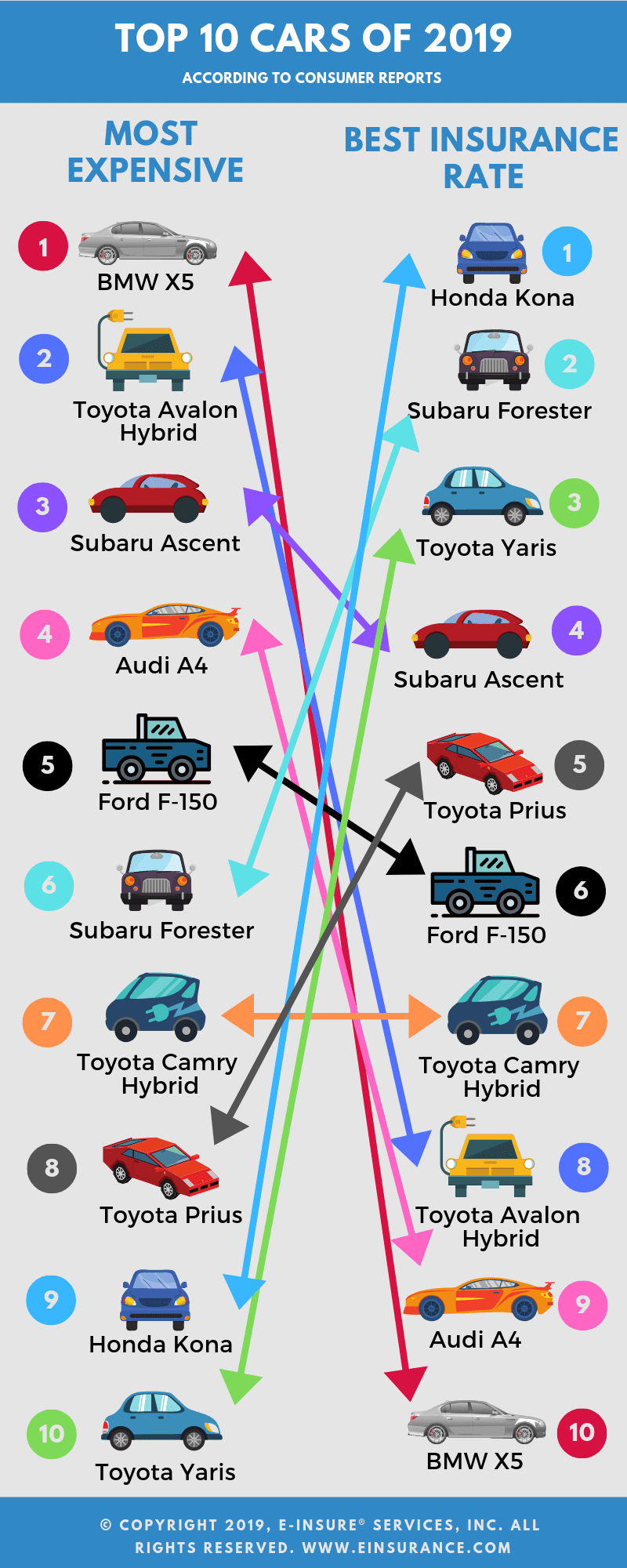
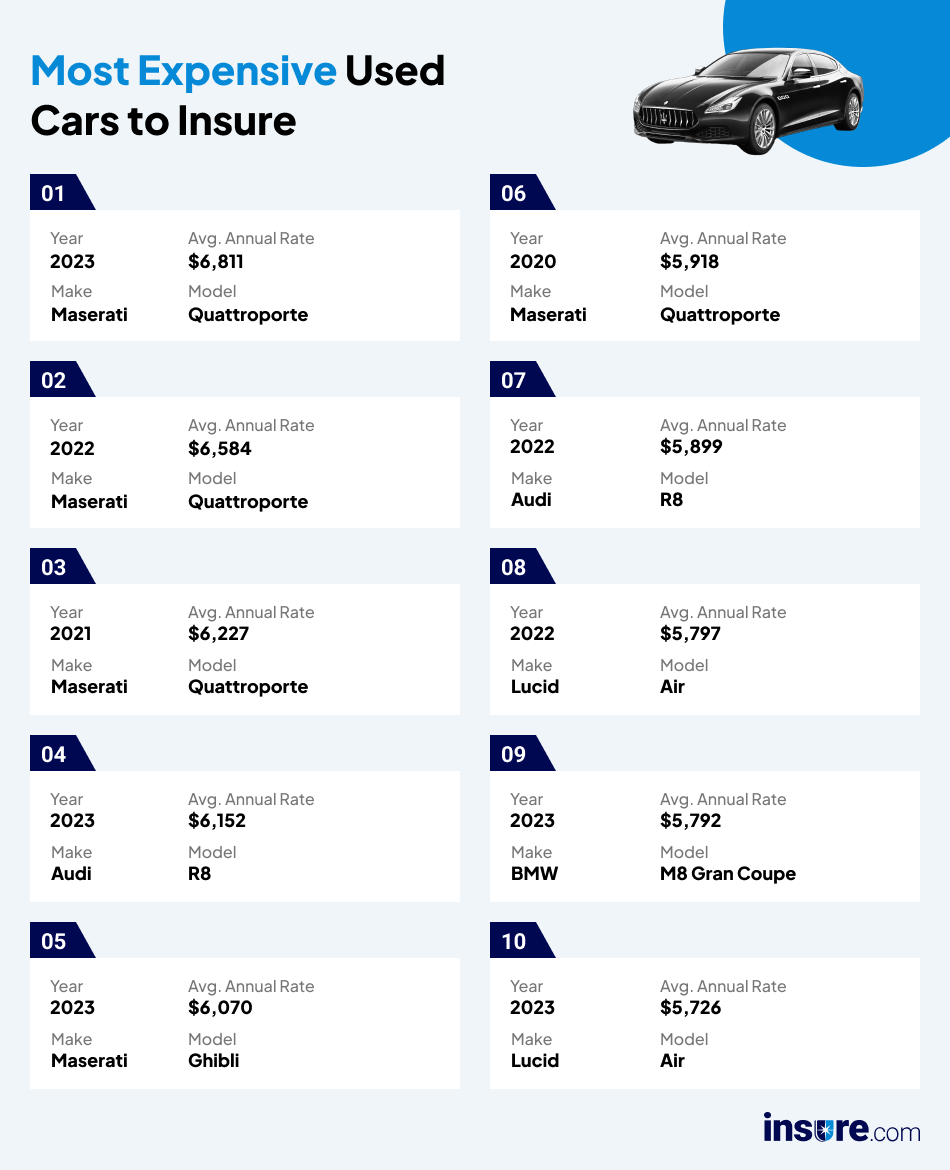
Your Vehicle Type: The make, model, year, and even color (a common misconception, though not directly) of your vehicle play a role. Sports cars or luxury vehicles are often more expensive to insure due to higher repair costs, greater likelihood of theft, and increased power which can lead to more severe accidents. Vehicles with advanced safety features, on the other hand, might qualify for discounts.
-
Your Credit Score (in most states): In many states, insurers use a credit-based insurance score as a predictive tool for claims. Statistically, individuals with higher credit scores tend to file fewer claims, leading to lower premiums. Maintaining good credit can therefore indirectly contribute to lower insurance costs.
-
Mileage Driven Annually: The more you drive, the higher your exposure to risk. Insurers often ask for your estimated annual mileage, and lower mileage can sometimes qualify you for discounts, particularly with usage-based insurance programs.
-
Type and Amount of Coverage: This is perhaps the most obvious factor. State-mandated minimum liability coverage will always be cheaper than full coverage (including collision and comprehensive), which offers broader protection. Opting for higher deductibles (the amount you pay out-of-pocket before insurance kicks in) can lower your premium, but means greater financial responsibility if you make a claim.
Top Contenders for Competitive Rates
While there isn’t a single insurer that definitively offers the “best” rates for everyone, certain companies consistently rank highly for competitive pricing, especially for specific driver profiles or coverage needs. Their strengths often lie in their operational models, customer segmentation, or aggressive discount strategies.
Major National Insurers
These household names often leverage their massive scale and financial stability to offer a broad range of products and competitive pricing.
-
GEICO: Known for its aggressive marketing and often competitive rates, especially for drivers with clean records. Their direct-to-consumer model (primarily online and phone) helps them keep overhead low, often translating to savings for customers. They are frequently cited as a top choice for those seeking basic, affordable coverage.
-
Progressive: Another insurer that excels in offering competitive rates, particularly for drivers with less-than-perfect records. Progressive is famous for its “Name Your Price” tool and its Snapshot program (usage-based insurance), which can significantly reduce premiums for safe drivers.
-
State Farm: While sometimes perceived as a more traditional insurer, State Farm remains a titan in the industry, often offering competitive rates when bundled with other policies (home, life). They have a vast network of local agents, appealing to those who prefer in-person service, and offer a variety of discounts.
-
Allstate: Similar to State Farm, Allstate provides a full spectrum of insurance products and often offers good rates for loyal customers and those who bundle policies. They have programs like Drivewise which reward safe driving.
-
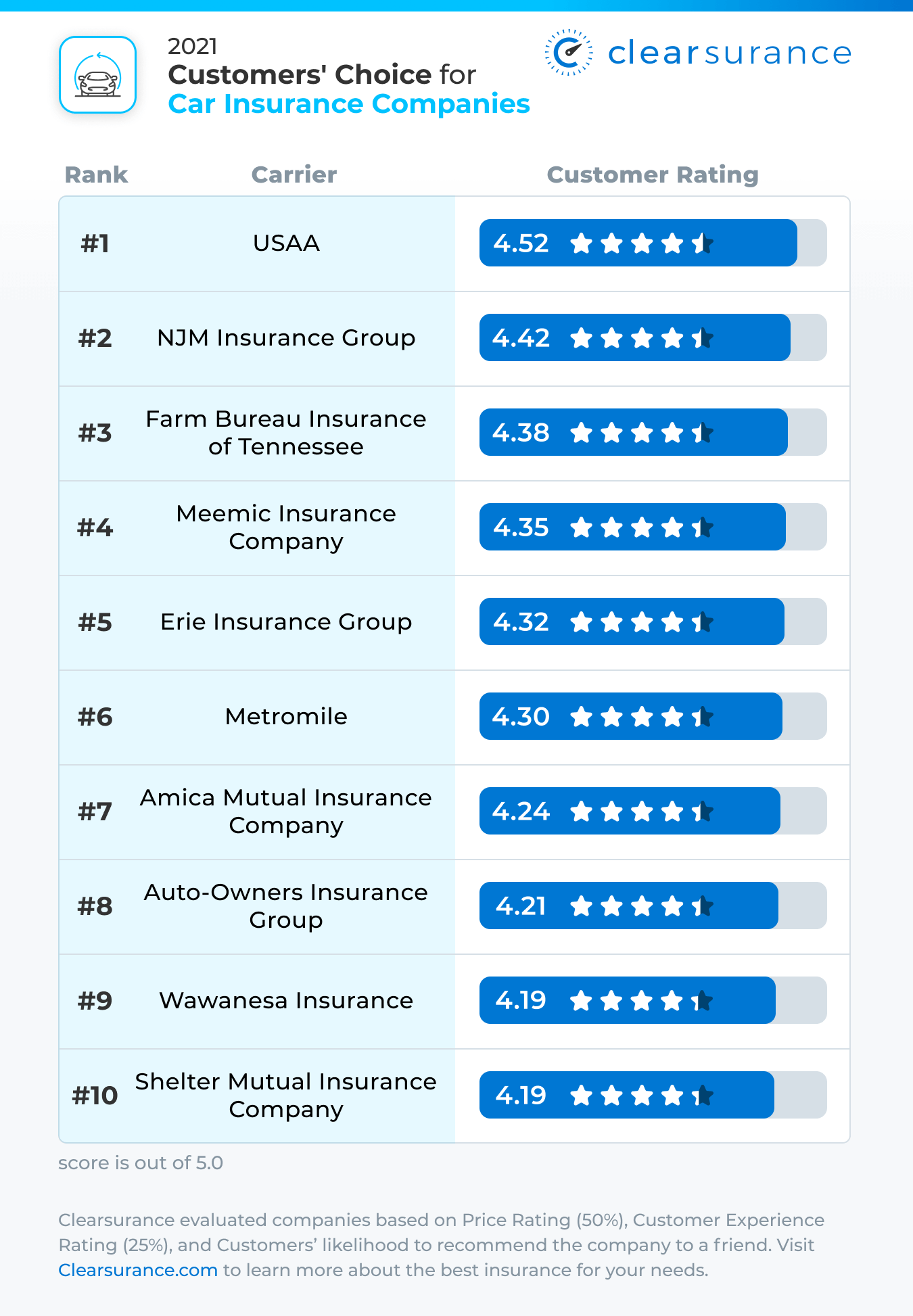
USAA: Consistently rated as having some of the highest customer satisfaction and often the most competitive rates, but it’s exclusively available to military members, veterans, and their eligible family members. If you qualify, USAA is almost always worth checking first.
Regional and Niche Providers
Beyond the national giants, a host of smaller, regional, or niche insurers might offer excellent rates, particularly if they specialize in your demographic or vehicle type.
-
Local and Regional Carriers: Companies like Erie Insurance (Mid-Atlantic, Midwest) or Amica Mutual (nationwide but with a strong regional presence) often have excellent customer service and competitive pricing within their operating areas. They might be more familiar with local driving conditions and risks, potentially offering tailored rates.
-
Niche Insurers: Some companies cater to specific groups, such as classic car owners (e.g., Hagerty, Grundy) or drivers with specific needs. If you fall into a niche category, researching these specialized providers can uncover significant savings.
The Rise of Online-Only Insurers and Comparison Sites
The digital age has ushered in a new era of insurance shopping.
-
Online-Only Insurers: Companies like Lemonade Car or Root Insurance leverage technology and data analytics to offer streamlined processes and potentially lower rates, especially for tech-savvy users and those willing to share driving data (for usage-based models).
-
Comparison Websites: Sites like Policygenius, The Zebra, or QuoteWizard allow you to input your information once and receive multiple quotes from various insurers simultaneously. This saves an immense amount of time and is one of the most effective ways to compare rates from diverse providers side-by-side.
Strategies to Secure the Most Favorable Rates
Finding the “best” rate isn’t just about picking the right company; it’s also about actively strategizing to present yourself as a low-risk client and maximizing every available discount.
The Power of Comparison Shopping
This cannot be overstressed: always compare quotes from multiple insurers. Premiums can vary by hundreds, or even thousands, of dollars for identical coverage between different companies.
-
Get at least 3-5 quotes: Don’t settle for the first offer. Use comparison websites as a starting point, but also get direct quotes from insurers not listed on those platforms.
-
Compare Apples to Apples: Ensure that when you compare quotes, you are looking at identical coverage limits, deductibles, and endorsements. A lower premium might simply mean less coverage.
-
Re-shop Regularly: Your rates aren’t fixed forever. Re-evaluate your policy every 6-12 months, or whenever a significant life event occurs (e.g., buying a new car, getting married, moving, improving your credit score).
Leveraging Discounts
Most insurers offer a plethora of discounts. Ask about every discount you might qualify for.
-
Bundling Discounts: Combine your car insurance with homeowners, renters, or life insurance policies from the same provider for significant savings (often 10-25% or more).
-
Good Driver/Accident-Free Discounts: Reward for maintaining a clean driving record over several years.
-
Good Student Discounts: For full-time students who maintain a certain GPA (typically B average or higher).
-
Low Mileage Discounts: For drivers who don’t log many miles annually.
-
Multi-Car Discounts: Insuring more than one vehicle with the same company.
-
Vehicle Safety Features Discounts: For cars equipped with anti-lock brakes, airbags, anti-theft devices, daytime running lights, etc.
-
Paid-in-Full Discounts: Paying your entire premium upfront, rather than monthly installments.
-
Defensive Driver Course Discounts: Completing an approved defensive driving course.
-
Occupation/Affinity Discounts: Some insurers offer discounts for certain professions (e.g., teachers, engineers, first responders) or affiliations (e.g., alumni associations).
Adjusting Coverage Levels and Deductibles
While it’s important not to under-insure yourself, there are smart ways to adjust your policy to reduce costs.
-
Review Your Comprehensive and Collision Coverage: If your car is older and its market value is low, the cost of full coverage might outweigh its potential payout after a deductible. Consider dropping comprehensive and collision on vehicles worth less than 10-12 times your premium for these coverages.
-
Increase Your Deductibles: Raising your deductible from, say, $500 to $1,000 can significantly lower your premium. Just ensure you have the emergency funds available to cover that higher deductible if you need to file a claim.
-
State Minimums vs. Adequate Coverage: While state minimum liability is the cheapest option, it often provides insufficient protection in a serious accident. Striking a balance between affordability and robust protection is key.
Improving Your Driver Profile
Invest in making yourself a more attractive client to insurers.
-
Maintain a Clean Driving Record: The most impactful long-term strategy. Drive safely, avoid tickets and accidents.
-
Improve Your Credit Score: As mentioned, a better credit score can lead to lower premiums in many states.
-
Consider Telematics/Usage-Based Insurance (UBI): Programs like Progressive Snapshot, GEICO DriveEasy, or Allstate Drivewise use a device or app to monitor your driving habits (speed, braking, mileage, time of day). Safe drivers can earn substantial discounts. Be aware that these programs collect data on your driving.
The Impact of Personalization and Changing Needs
The “best” car insurance rate is not a static concept; it evolves with your life and market conditions. What was ideal last year might not be today.
Why “Best” is Subjective: Individual Circumstances Matter
Ultimately, the best car insurance rate is the one that offers you adequate coverage at the lowest possible cost for your unique profile. A young driver with a sports car and a recent speeding ticket will have a vastly different “best” rate than an older, married driver with a family sedan, a perfect record, and multiple bundled policies. Understanding your own risk factors and financial priorities is paramount.
Re-evaluating Your Policy Annually or After Life Events
Life changes, and so should your insurance.
-
Annual Review: Don’t just auto-renew. Take 30-60 minutes each year to get new quotes and ensure your current policy is still the most competitive.
-
Significant Life Events: Marriage, divorce, moving to a new address, buying a new car, changing jobs (especially if it alters your commute), adding a new driver to your household, or even paying off your car loan are all triggers to re-evaluate your insurance. Each of these can impact your risk profile and open up new discount opportunities or warrant changes in coverage.
Telematics and Usage-Based Insurance
The future of car insurance is increasingly personalized through telematics. These programs, which monitor your driving behavior, are becoming more prevalent and can be a game-changer for safe drivers. By opting into such a program, you essentially offer verifiable proof of your low-risk driving habits, potentially unlocking discounts that traditional rating factors might overlook. However, it requires a willingness to share your driving data with your insurer.
Conclusion
The pursuit of the “best car insurance rates” is an ongoing journey, not a one-time destination. There isn’t a single insurer that universally holds this title; rather, it’s about finding the provider that best matches your individual risk profile, coverage needs, and financial preferences. By actively understanding the factors that influence your premiums, diligently comparing quotes from a variety of insurers, and strategically leveraging every available discount, you can empower yourself to consistently secure the most favorable car insurance rates. Regular reviews of your policy and an awareness of how life changes impact your insurance needs are crucial for long-term savings. Through informed decision-making and proactive financial management, you can ensure you’re always getting the most value for your car insurance dollar, providing both peace of mind and significant savings.
aViewFromTheCave is a participant in the Amazon Services LLC Associates Program, an affiliate advertising program designed to provide a means for sites to earn advertising fees by advertising and linking to Amazon.com. Amazon, the Amazon logo, AmazonSupply, and the AmazonSupply logo are trademarks of Amazon.com, Inc. or its affiliates. As an Amazon Associate we earn affiliate commissions from qualifying purchases.