
Navigating the landscape of personal finance requires a meticulous approach to recurring expenses, and few line items are as consistent yet variable as auto insurance. For the modern consumer, identifying who has the best auto insurance rates is not merely about finding the lowest number on a quote; it is about evaluating value, fiscal stability, and the long-term impact on one’s net worth. As insurance premiums continue to rise globally due to increased repair costs, sophisticated vehicle technology, and inflationary pressures, a strategic analysis of the market is essential for maintaining a healthy financial profile.
The Economic Drivers of Modern Insurance Premiums
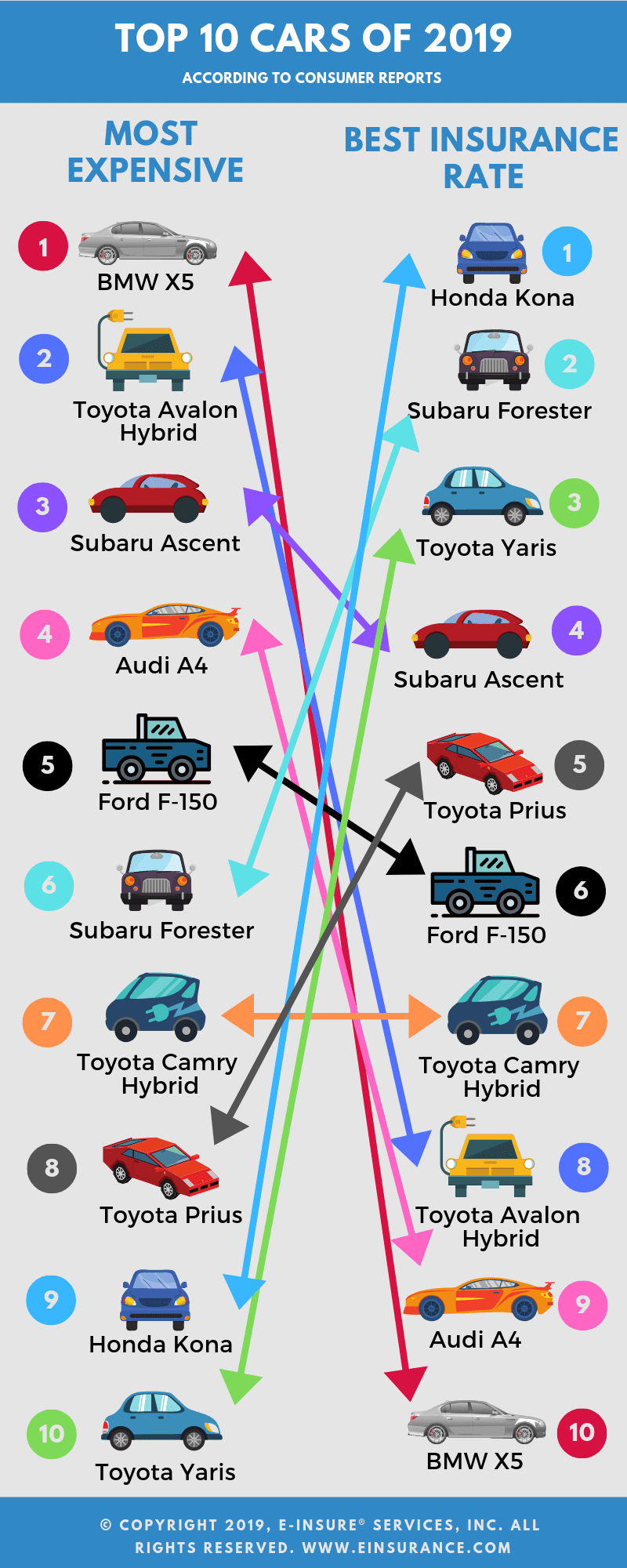
To understand which companies offer the most competitive rates, one must first understand the macroeconomic factors that dictate pricing models. Insurance companies are essentially risk-management firms that use complex actuarial data to predict the likelihood of a claim. In recent years, the cost of “totaling” a vehicle has skyrocketed. What used to be a simple bumper replacement now involves recalibrating sensors and replacing high-tech LED arrays, driving up the average claim payout.
The Impact of Inflation and Supply Chain Shifts
Inflation has a direct correlation with insurance premiums. As the price of labor and parts increases, insurers must adjust their rates to maintain their loss ratios. This means that “best rates” are relative; a company that was the cheapest three years ago may now be aggressive in its pricing to recoup losses from a particularly bad fiscal year. When looking for the best rates, it is vital to look at companies with diversified investment portfolios and strong credit ratings, as these firms are often better positioned to absorb market shocks without passing the full cost onto the policyholder.
The Role of Underwriting Sophistication
Different insurers use different “secret sauces” for their underwriting. Some prioritize driving history above all else, while others place a heavier emphasis on a consumer’s credit-based insurance score. In the world of personal finance, your credit score is often as important as your driving record. Data shows a strong correlation between financial responsibility and driving safety, leading many top-tier insurers to offer significantly lower rates to those with pristine financial histories.
Top Contenders for the Lowest National Rates
While insurance is highly localized—meaning the best rate in New York may not be the best in Texas—certain national players consistently outperform the competition in terms of price-to-value ratio.
USAA: The Gold Standard for Eligibility
For those who qualify—active military, veterans, and their immediate families—USAA is frequently the undisputed leader in low rates. From a financial standpoint, USAA operates with a lower overhead than many traditional insurers and focuses on a specific demographic that statistically presents lower risk. Their member-centric model often results in annual dividends being returned to policyholders, effectively lowering the “net” cost of the insurance over time.
Geico: The Efficiency Leader
Geico has built its brand on the promise of “15 minutes could save you 15% or more,” and from a business-model perspective, they back this up through extreme operational efficiency. By focusing heavily on direct-to-consumer digital sales and minimizing the need for local brick-and-mortar agencies, Geico passes these overhead savings to the consumer. They are particularly competitive for drivers with clean records who prefer a “set it and forget it” digital experience.
State Farm: The Agent-Based Value Proposition
State Farm remains the largest auto insurer in the United States, and their competitive edge lies in their massive data pool. Because they insure more vehicles than anyone else, their actuarial models are incredibly precise. While they may not always be the absolute cheapest in every zip code, their rates are remarkably stable. For a person managing a household budget, stability is a financial asset. Furthermore, their extensive network of agents can often find “invisible” discounts that automated systems might miss.
Progressive: The Innovation and Telematics Pioneer
Progressive has carved out a significant market share by targeting drivers who might be overlooked by more conservative insurers. Their “Name Your Price” tool and heavy investment in telematics (Snapshot) allow drivers to prove their safety in real-time. For a high-net-worth individual who drives infrequently, or a budget-conscious commuter who is an exceptionally safe driver, Progressive’s usage-based insurance can lead to rates that traditional models cannot match.
Strategic Variables That Dictate Your Individual Rate
The question of “who has the best rates” is ultimately subjective because your personal financial profile is the primary input for their algorithms. To secure the best rate, one must optimize the variables within their control.
The Credit Score Correlation
In many states, your credit-based insurance score is a major factor in determining your premium. From a financial management perspective, improving your credit score by 50 points can sometimes result in a 10-15% reduction in auto insurance premiums. This creates a compounding benefit: lower interest rates on loans and lower costs for insurance. Treating your credit score as a tool for insurance optimization is a savvy move for any investor or head of household.
Geographic and Demographic Risk Profiles
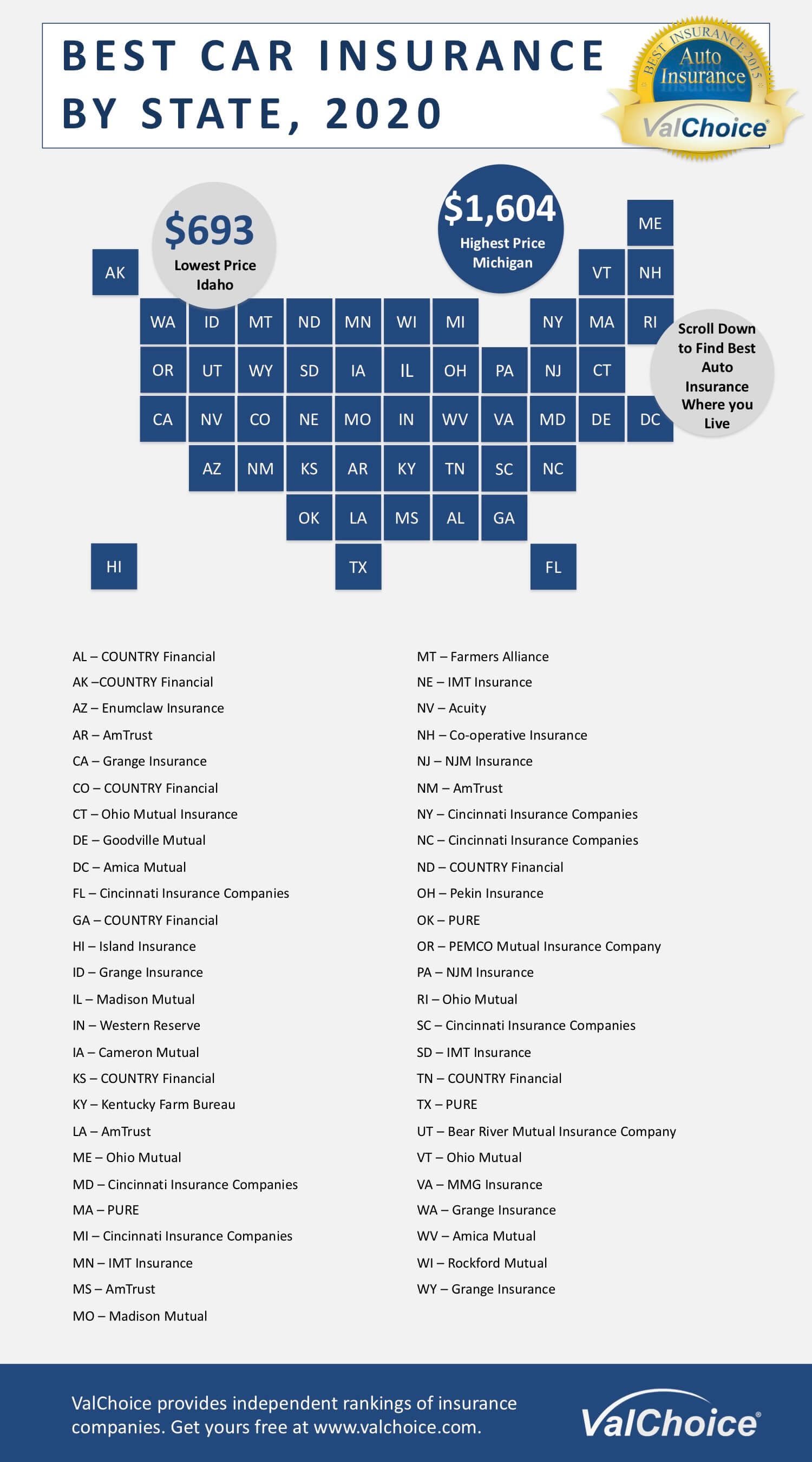
Insurers look at “territory” ratings. If you live in an area prone to floods, high theft rates, or heavy traffic congestion, your rates will be higher regardless of the carrier. However, some companies are more “appetite-heavy” for certain regions. For example, a carrier looking to grow its presence in the Midwest might temporarily offer lower rates to capture market share, while a carrier that suffered heavy losses in Florida might hike rates to de-risk its portfolio.
The Vehicle’s “Loss Cost” Rating
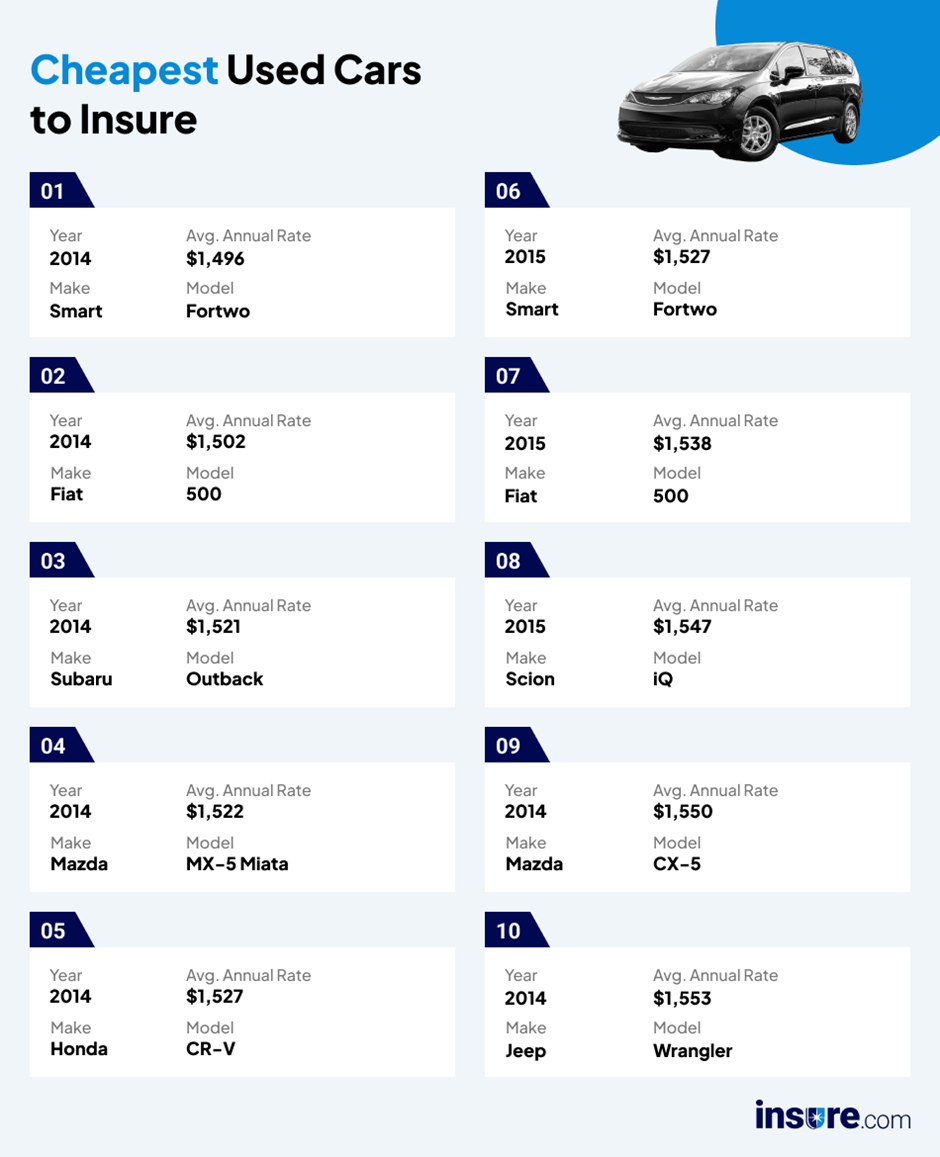
The car you drive is a massive financial variable. It’s not just about the price of the car, but its “loss cost”—the statistical likelihood of it being in an accident and how much it costs to fix. A mid-sized SUV with high safety ratings will almost always be cheaper to insure than a high-performance sports car or a luxury sedan with proprietary parts. When purchasing a new vehicle, the smart financial move is to get insurance quotes before signing the sales contract to ensure the total cost of ownership fits within your budget.
Tactical Strategies to Lower Your Financial Exposure
Securing the best auto insurance rate is not a passive activity. It requires an active strategy involving regular audits and the utilization of specific financial levers.
The Power of Bundling and Multi-Policy Discounts
One of the most effective ways to lower rates is to leverage the “multi-line” discount. By placing your homeowners, renters, life, and auto insurance with a single carrier, you become a high-value client. Insurers are willing to take a lower profit margin on the auto policy if it means they secure the entirety of your insurance “wallet.” This often results in a 10% to 25% discount across all policies.
High-Deductible Risk Management
For individuals with a healthy emergency fund, increasing the deductible is a powerful way to reduce monthly premiums. By moving a deductible from $500 to $1,000 or even $2,500, you are essentially “self-insuring” the small losses. This reduces the administrative burden on the insurer, and they reward you with lower rates. From a personal finance perspective, the savings on the premium often “pay back” the difference in the deductible within 18 to 24 months of accident-free driving.
Utilizing Telematics for Data-Driven Savings
Telematics, or usage-based insurance (UBI), is the future of the industry. By allowing an insurer to track your braking, acceleration, and mileage via a smartphone app or a plug-in device, you remove the “guesswork” from their risk assessment. For low-mileage drivers or those who avoid driving late at night, this can result in the most competitive rates available in the entire market. It is a merit-based system that rewards the individual rather than the demographic.
The Long-Term Financial Impact of Your Choice
Auto insurance should not be viewed as a standalone cost but as a component of a broader wealth-preservation strategy. The “best” rate is the one that provides the necessary coverage to protect your assets in the event of a catastrophic lawsuit. Selecting the absolute cheapest rate from a non-rated or “B-rated” carrier can be a massive financial mistake if they lack the claims-paying ability or the legal defense resources to protect your personal estate.
Annual Audits and Market Shopping
The insurance market is dynamic. Every six to twelve months, carriers update their rates based on new data. A company that was the cheapest for you last year might have changed its “rating tiers” this year. To ensure you always have the best rate, it is recommended to perform a comprehensive market comparison every two years or after major life events such as buying a home, getting married, or an improvement in your credit score.
Ultimately, the company with the best auto insurance rates is the one that aligns most closely with your specific risk profile while offering the financial stability to back up their promises. By treating auto insurance as a tactical financial tool rather than a burdensome bill, you can optimize your cash flow and protect your long-term financial health. Diversifying your search, leveraging your financial strengths, and understanding the underlying economics of the industry are the keys to winning the insurance game.
aViewFromTheCave is a participant in the Amazon Services LLC Associates Program, an affiliate advertising program designed to provide a means for sites to earn advertising fees by advertising and linking to Amazon.com. Amazon, the Amazon logo, AmazonSupply, and the AmazonSupply logo are trademarks of Amazon.com, Inc. or its affiliates. As an Amazon Associate we earn affiliate commissions from qualifying purchases.