
Navigating the landscape of higher education financing is often the first major financial challenge a young adult or a returning professional faces. With the cost of tuition, housing, and textbooks rising significantly over the last several decades, understanding exactly who provides the capital for these investments is essential. Financing an education is rarely a one-size-fits-all endeavor; it typically involves a strategic mix of government support, traditional banking products, and modern financial technology solutions.
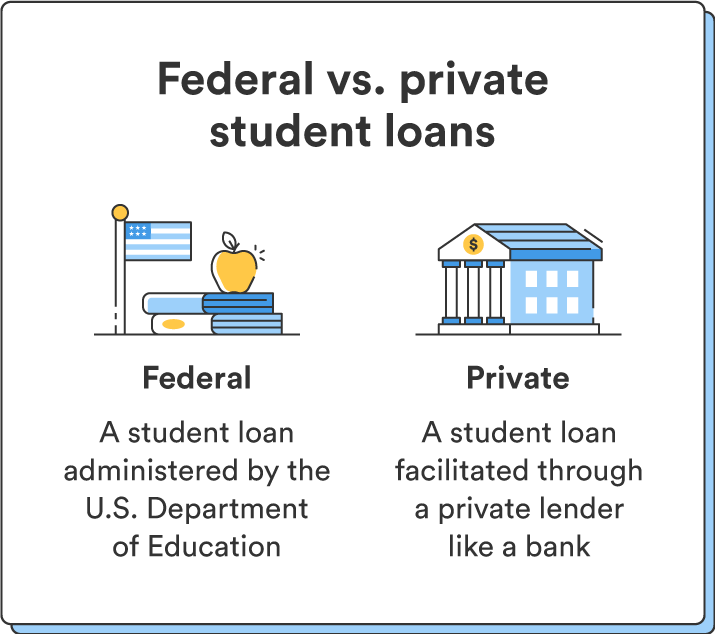
Broadly speaking, the entities that provide student loans fall into three primary categories: the federal government, private financial institutions (including banks and credit unions), and specialized state or institutional lenders. Each of these sources operates under different regulations, offers varying interest rate structures, and provides distinct levels of borrower protection. To build a sustainable financial plan for education, one must dissect these providers to understand the long-term implications of borrowing from each.
The U.S. Federal Government: The Foundation of Student Lending
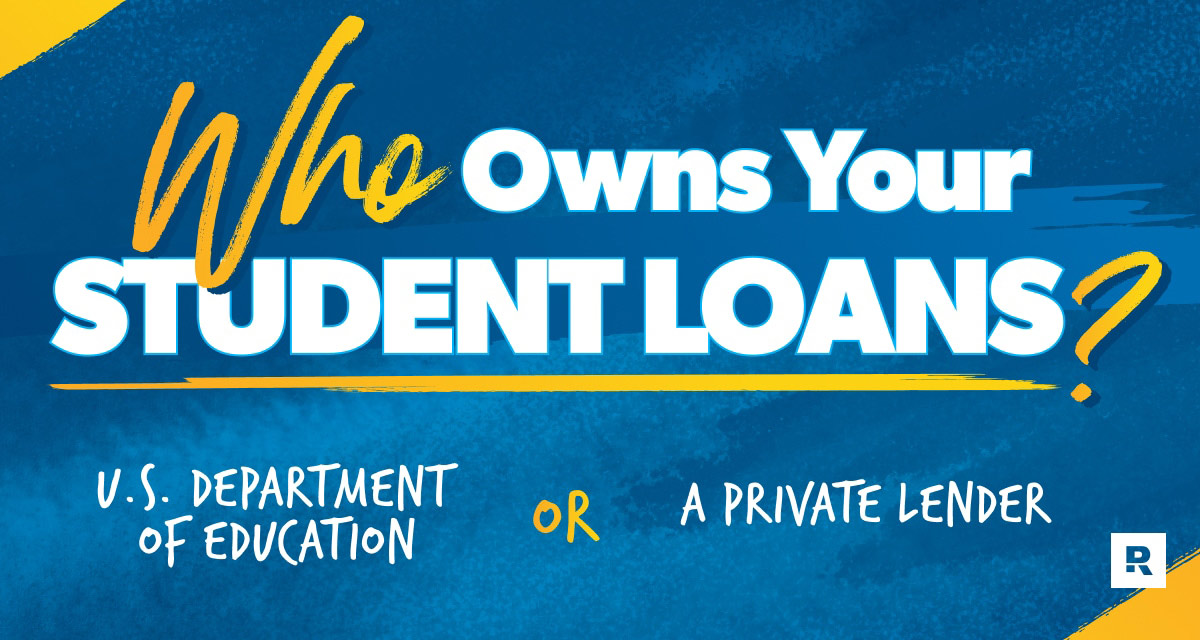
The single largest provider of student loans in the United States is the federal government, specifically the U.S. Department of Education. Through the William D. Ford Federal Direct Loan Program, the government acts as the lender, providing the funds directly to students and their parents. Federal loans are widely considered the gold standard for student borrowing because they offer protections and repayment flexibility that are rarely matched by the private sector.
Direct Subsidized and Unsubsidized Loans
The primary vehicles for undergraduate and graduate funding are Direct Subsidized and Unsubsidized Loans. Direct Subsidized Loans are reserved for undergraduate students who demonstrate financial need. The hallmark of this loan is that the government pays the interest while the student is in school at least half-time, during the grace period, and during periods of deferment. This significantly reduces the total cost of the loan over time.
Direct Unsubsidized Loans, conversely, are available to both undergraduate and graduate students regardless of financial need. Interest begins accruing as soon as the loan is disbursed. While the borrower is responsible for all interest, these loans still offer the benefit of fixed interest rates and federal protections like Income-Driven Repayment (IDR) plans.
Direct PLUS Loans for Parents and Graduates
The federal government also extends its lending to the parents of dependent undergraduate students and to graduate or professional students through the Direct PLUS Loan program. Unlike Subsidized and Unsubsidized loans, PLUS loans require a credit check. While the credit criteria are generally less stringent than those of private lenders, the interest rates are typically higher, and there is a significant origination fee. These loans allow families to bridge the gap between other financial aid and the total cost of attendance.
The Role of FAFSA in Accessing Federal Funds
Accessing federal loans is managed through the Free Application for Federal Student Aid (FAFSA). The Department of Education uses this data to determine eligibility and loan limits. Because these loans are funded by taxpayers and regulated by Congress, they come with unique benefits such as Public Service Loan Forgiveness (PSLF), discharge in cases of total and permanent disability, and various deferment and forbearance options during times of economic hardship.
Private Financial Institutions: Diversifying the Funding Mix
When federal loan limits are reached, or for borrowers with exceptional credit who may find more competitive rates elsewhere, private financial institutions step in. Private student loans are credit-based products offered by banks, credit unions, and online-only lenders. Unlike federal loans, which are regulated by legislative policy, private loans are governed by market forces and individual institutional risk appetites.
Traditional National and Regional Banks
For decades, large national banks were the primary alternative to federal loans. While some major players have exited the student lending space in recent years, several large-scale banks continue to dominate the market. These institutions provide “gap financing”—the difference between what a student receives in federal aid and the actual cost of their education.
Borrowers often turn to traditional banks if they already have an existing relationship with the institution. These banks typically offer both fixed and variable interest rates. However, because these are private products, they require a solid credit history. Most undergraduate students will need a creditworthy cosigner—often a parent or guardian—to qualify for these loans and to secure a lower interest rate.
Credit Unions and Community Banks
Credit unions are member-owned, not-for-profit financial cooperatives. Because they do not have to answer to external shareholders, they often offer more competitive interest rates and lower fees than large commercial banks. Many credit unions participate in student loan consortiums or offer their own proprietary loan products to members. For a borrower who values personalized customer service and localized decision-making, a credit union can be an excellent source of educational capital. Furthermore, some credit unions offer “student loan refinancing” products that allow graduates to consolidate their existing high-interest debt into a single, lower-interest payment.
Modern FinTech Lenders
The last decade has seen the rise of Financial Technology (FinTech) companies that have revolutionized the student loan market. These online lenders utilize advanced algorithms and alternative data points—such as a borrower’s career path, earning potential, and academic record—to determine creditworthiness, sometimes looking beyond just a FICO score.
FinTech lenders are known for their user-friendly digital interfaces, rapid approval processes, and highly competitive rates for high-earning professionals. They have particularly transformed the refinancing market, allowing graduates with stable incomes to move away from high-interest federal or private loans into more manageable private contracts.
Specialized and Institutional Sources: Often Overlooked Lenders
Beyond the federal government and traditional banks, there are several specialized entities that provide student loans. These sources are often more niche, targeting specific geographic locations, career paths, or student populations.
State-Based Lending Agencies
Many states have their own student loan authorities or higher education agencies. These organizations, such as the New Jersey Higher Education Student Assistance Authority (HESAA) or the Minnesota Office of Higher Education, offer loan programs specifically for residents of that state or students attending schools within that state.
State-based loans often function as a middle ground between federal and private loans. They may offer fixed rates and certain death or disability protections, but they still require credit checks. In some cases, these state agencies receive tax-exempt bond financing, which allows them to offer rates that are lower than those of many national private lenders.
Higher Education Institutions (Institutional Loans)
Some colleges and universities act as the lender themselves. These “institutional loans” are funded by the school’s own endowment or operating budget. They are typically reserved for students who have an immediate, short-term gap in their tuition payments or for those who do not qualify for federal aid (such as international students or DACA recipients).
Institutional loans often have unique terms; for example, they might be interest-free while the student is enrolled but carry a high interest rate if the student leaves the university before graduating. Because these funds are limited, they are usually awarded on a first-come, first-served basis through the university’s financial aid office.
Career-Specific and Professional Organizations
In certain high-demand fields, such as medicine, nursing, or law, professional organizations or specialized foundations may offer loan programs. These are often designed to encourage students to enter specific under-served areas or specialties. For example, some healthcare-focused organizations provide “loan-for-service” programs, where the loan is essentially forgiven if the graduate works in a rural or low-income clinic for a set number of years. While technically a loan at the outset, these function as a hybrid of debt and scholarship.
Navigating the Selection Process: How to Evaluate Lenders
Knowing who gives student loans is only half the battle; the more critical task for the borrower is evaluating which lender offers the terms that best align with their long-term financial health. When comparing federal, private, and institutional lenders, several key metrics must be analyzed.
Interest Rate Structures: Fixed vs. Variable
The interest rate is the most significant factor in the total cost of the loan. Federal loans always offer fixed interest rates, meaning the rate stays the same for the life of the loan. Private lenders, however, often offer a choice between fixed and variable rates.
Variable rates may start lower than fixed rates, but they are tied to market indices like the SOFR (Secured Overnight Financing Rate). If market interest rates rise, the borrower’s monthly payment and total interest cost will also rise. For a student with a long repayment horizon, the stability of a fixed rate—whether from the government or a private bank—is generally the safer financial choice.
Repayment Terms and Borrower Protections
The “who” behind the loan dictates what happens if the borrower runs into financial trouble. Federal loans provide a safety net that is currently unmatched by the private sector. This includes Income-Driven Repayment plans, where payments are capped at a percentage of discretionary income and can even be $0 per month.
Private lenders have made strides in offering “hardship forbearance,” but these are usually limited to short windows (e.g., 12 to 24 months over the life of the loan) and interest continues to accrue. When choosing a lender, it is vital to read the fine print regarding what happens in the event of job loss, disability, or a return to graduate school.
The Cosigner Factor and Release Options
For most private loans, the “who” involves not just the lender and the student, but a cosigner. A cosigner is a person—usually a parent—who agrees to take full responsibility for the debt if the student fails to pay. This is a significant legal and financial commitment.
When evaluating private lenders, savvy borrowers look for “cosigner release” provisions. This allows the primary borrower (the student) to remove the cosigner from the loan after making a certain number of on-time payments and proving they meet credit requirements on their own. Not all banks offer this, and those that do have varying levels of difficulty in actually achieving the release.
In summary, the world of student lending is a tiered ecosystem. It begins with the broad, protective umbrella of federal funding, moves into the competitive and credit-sensitive realm of private banks and FinTechs, and includes specialized state and institutional niches. By understanding the motivations and regulations of each provider, borrowers can strategically layer these sources to fund their education while minimizing their long-term financial burden.
aViewFromTheCave is a participant in the Amazon Services LLC Associates Program, an affiliate advertising program designed to provide a means for sites to earn advertising fees by advertising and linking to Amazon.com. Amazon, the Amazon logo, AmazonSupply, and the AmazonSupply logo are trademarks of Amazon.com, Inc. or its affiliates. As an Amazon Associate we earn affiliate commissions from qualifying purchases.