
For the savvy shopper, understanding the specific financial tools available at their favorite retailers can unlock significant value and streamline their personal finance strategies. At Kohl’s, a prominent department store chain, the landscape of gift card offerings extends far beyond simple store credit, presenting a nuanced array of options for both gifting and personal expenditure management. Delving into “what gift cards Kohl’s sells” is not merely a quest for a shopping list; it’s an exploration of how these instruments integrate into broader financial planning, budgeting, and value maximization for the astute consumer.
From a financial perspective, gift cards at Kohl’s serve multiple purposes. They function as a convenient payment method, a thoughtful gift, a budgeting tool, and even a strategic element in a comprehensive savings approach. By understanding the types of cards available and the optimal ways to utilize them, consumers can enhance their purchasing power, manage their discretionary spending more effectively, and ensure every dollar spent or gifted yields its maximum potential.
Decoding Kohl’s Gift Card Offerings: A Financial Perspective
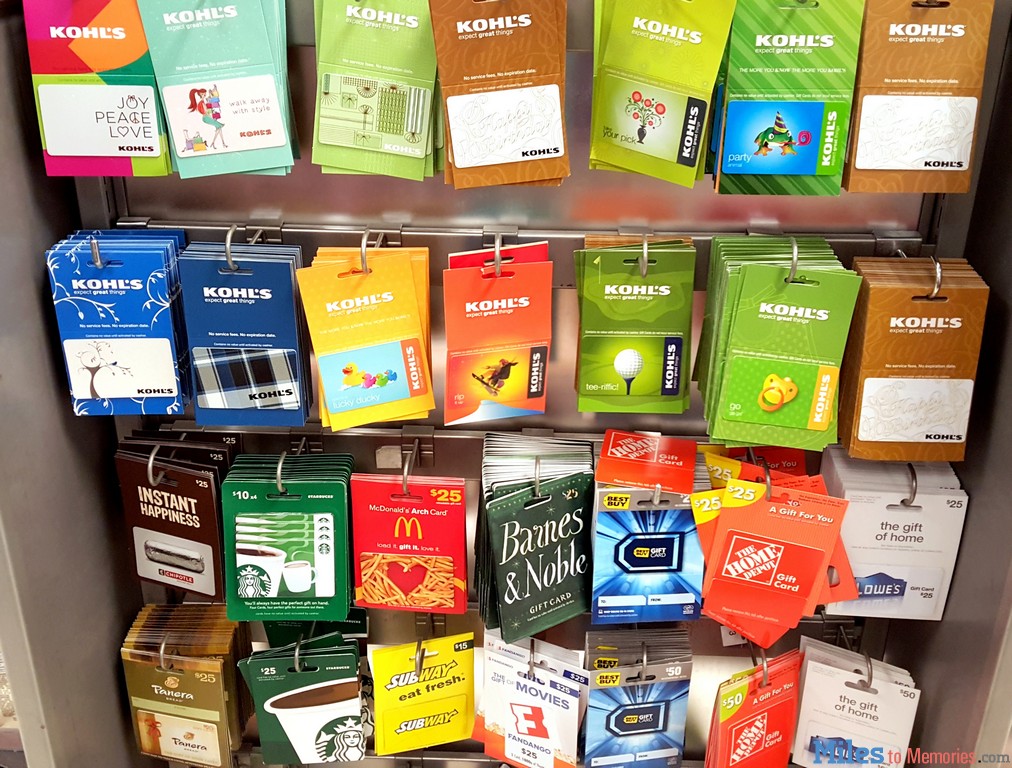
The types of gift cards sold at Kohl’s can be broadly categorized into two primary groups: those issued directly by Kohl’s and a selection of third-party gift cards. Each category carries distinct financial implications and utility for consumers.
The Dual Nature of Kohl’s Own Gift Cards
Kohl’s gift cards are essentially prepaid store credit, acting as a dedicated fund for purchases specifically within Kohl’s stores or online at Kohls.com. From a financial standpoint, these cards offer several advantages. Firstly, they serve as an excellent budgeting tool. For individuals or families looking to allocate a specific amount for clothing, home goods, or other Kohl’s merchandise, purchasing a Kohl’s gift card with cash or from a specific budget category can ring-fence those funds, preventing overspending. It enforces a disciplined approach, ensuring that purchases do not exceed the prepaid amount.
Secondly, Kohl’s gift cards integrate seamlessly with the store’s broader rewards ecosystem. Unlike some payment methods that might exclude certain promotions, Kohl’s gift cards can typically be combined with Kohl’s Cash, Yes2You Rewards, and various coupons. This stacking of discounts is a cornerstone of smart shopping at Kohl’s, and using a gift card doesn’t detract from this ability; rather, it often complements it by providing a pre-funded base for the transaction. For example, if you have a $50 gift card and a $10 Kohl’s Cash voucher, you effectively have $60 in purchasing power that can be applied to qualifying items, maximizing the financial leverage of your available funds.
Moreover, Kohl’s gift cards can be purchased in various denominations, making them flexible for different gifting budgets or personal spending targets. They never expire and carry no dormancy fees, which is a crucial financial safeguard, ensuring the value remains intact until redemption. This makes them a secure investment for future spending at Kohl’s, free from the typical anxieties associated with other prepaid instruments that might degrade in value over time.
Unlocking Value with Third-Party Gift Cards
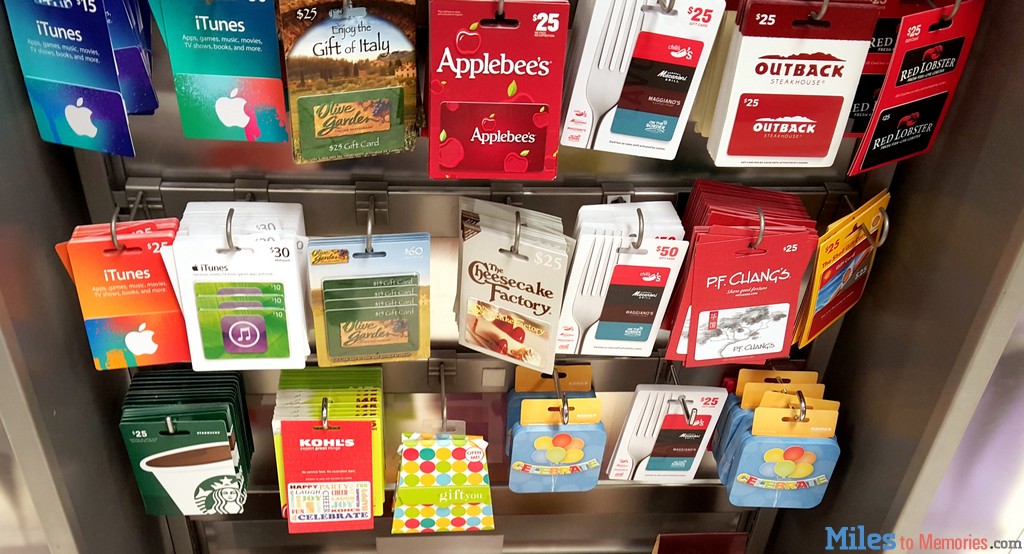
Beyond its proprietary cards, Kohl’s also typically sells a diverse array of third-party gift cards. This offering transforms Kohl’s into a convenient one-stop shop for gifting and, more importantly, provides unique financial opportunities for consumers. While the exact selection can vary by store and region, these often include cards for popular restaurants, entertainment venues, streaming services, and other national retailers.
Financially, the availability of third-party gift cards at Kohl’s is significant for several reasons. Firstly, it offers a distinct advantage for customers using a Kohl’s credit card or another rewards-earning credit card that offers accelerated points or cashback at department stores. By purchasing these third-party gift cards at Kohl’s, consumers can effectively “double-dip” on rewards. They earn points or cashback on the purchase of the gift card at Kohl’s, and then they can use that gift card at the specific third-party merchant, often a place where their primary credit card might not offer bonus rewards. This strategy allows astute individuals to maximize their credit card rewards earnings across a broader spectrum of their spending.
Secondly, these cards offer unparalleled convenience for gifting and personal financial planning. Instead of making separate trips to different stores or websites, a shopper can consolidate their gift card purchases at Kohl’s. This saves time and often shipping costs, which translate directly into monetary savings. For those managing a household budget, picking up a restaurant gift card for a family dinner outing or a streaming service card while shopping for clothes at Kohl’s simplifies expense tracking and procurement.
General Purpose vs. Specific Retailer Cards
Kohl’s generally focuses on selling its own store-specific gift cards and a curated selection of third-party merchant-specific gift cards. It’s less common for Kohl’s to sell general-purpose Visa, Mastercard, or American Express gift cards, which function more like debit cards and are accepted almost anywhere. This distinction is important from a financial utility perspective.
Specific retailer cards, while restrictive in where they can be used, often come with the benefit of no activation fees or expiration dates (as is the case with Kohl’s own cards and many others). General-purpose cards, conversely, offer broader flexibility but frequently come with activation fees ($3-$7 per card) and sometimes dormancy fees if not used within a certain period, which can erode their face value. Therefore, when purchasing gift cards, understanding this difference helps consumers make financially sound decisions based on their intended use – whether it’s for a specific store like Kohl’s, another particular merchant, or broad, flexible spending.
Maximizing Your Monetary Value: Smart Strategies for Gift Card Usage
Simply acquiring a gift card is only half the financial equation; the true mastery lies in its strategic utilization to maximize monetary value and integrate it effectively into one’s personal finance ecosystem.
Integrating Gift Cards with Kohl’s Rewards and Kohl’s Cash
One of the most powerful financial strategies at Kohl’s involves the artful combination of gift cards with other promotional offers. Kohl’s is renowned for its generous Kohl’s Cash program and its Yes2You Rewards (now often integrated into Kohl’s Rewards). A common misconception is that using a gift card somehow negates these benefits, but the opposite is true.
When you spend a Kohl’s gift card, that expenditure often counts towards earning new Kohl’s Cash during promotional periods. This means you can use a prepaid balance to fund purchases that simultaneously generate future spending credit. For example, if you have a $100 Kohl’s gift card and make a $50 purchase during a “earn $10 Kohl’s Cash for every $50 spent” promotion, you will still earn $10 in Kohl’s Cash, effectively getting an additional discount on your purchase. This layering of discounts significantly amplifies the purchasing power of your initial gift card value.
Furthermore, gift cards can be used in conjunction with Kohl’s Cash and other coupons in a single transaction. This strategy is key to achieving deep discounts. Imagine you have a $20 Kohl’s gift card, a $10 Kohl’s Cash voucher, and a “20% off your entire purchase” coupon. You can apply all these to a single qualifying purchase, reducing your out-of-pocket expense considerably. The gift card covers a portion of the total, the Kohl’s Cash acts as a further deduction, and the percentage-off coupon reduces the initial price. This synergistic approach is a cornerstone of financially astute shopping at Kohl’s, where gift cards are not just a payment method but an integral part of a larger savings strategy.
The Art of Gift Card Gifting: Financial Gifting and Budgeting
From a financial gifting perspective, gift cards offer a nuanced balance between thoughtfulness and practicality. While cash can sometimes feel impersonal, a gift card to a recipient’s favorite store (like Kohl’s) or restaurant demonstrates consideration for their preferences while still providing them with financial flexibility. It alleviates the pressure of picking the “perfect” physical gift, especially when uncertain about specific tastes or sizes, thereby preventing potential returns or unwanted items.
For the giver, purchasing a gift card also serves as an excellent budgeting tool for holiday or birthday spending. By deciding on a specific amount for a gift card, you establish a clear financial limit, preventing impulse overspending on a physical present. This disciplined approach ensures that gift-giving remains within your personal financial boundaries. Moreover, if you purchase a Kohl’s gift card using a rewards credit card, you can earn points or cashback on the gift itself, adding another layer of financial benefit to the act of giving.
Navigating Returns and Exchanges with Gift Cards
An important financial consideration when using gift cards is how they interact with returns and exchanges. Generally, if an item purchased with a Kohl’s gift card is returned, the refund will typically be issued back onto a Kohl’s gift card, or sometimes, if the original gift card is still available, the funds may be reloaded onto it. It’s less common for returns paid for solely with a gift card to be refunded as cash or to a credit card, unless there was a split payment and part of the payment was made with a different method.
Understanding this policy is crucial for managing your funds. It means that the value remains within the Kohl’s ecosystem, effectively creating a new store credit if the original item didn’t work out. While this might be less flexible than a cash refund, it ensures that the monetary value you initially spent or received remains available for future Kohl’s purchases. For consumers who frequently shop at Kohl’s, this is a minor inconvenience, as the funds are still readily accessible. For others, it’s a policy to be aware of when considering the finality of gift card purchases.
The Financial Practicalities: Purchasing, Redeeming, and Managing Gift Cards
Understanding the practical mechanics of acquiring, utilizing, and maintaining gift cards is essential for seamless financial transactions and safeguarding their value.
Where to Buy Kohl’s Gift Cards
Kohl’s gift cards can be purchased through several convenient channels, each with its own financial implications. The most straightforward method is directly at any Kohl’s retail store at the customer service desk or checkout. This allows for immediate possession and often provides an opportunity to earn rewards if using a Kohl’s credit card or another payment method that offers bonus points for department store purchases.
Online, Kohl’s gift cards can be purchased through Kohls.com. This option is ideal for those who prefer digital delivery (eGift cards) or wish to have physical cards mailed directly to recipients. Buying online also provides a clear digital record of the purchase, which can be useful for tracking expenses.
Beyond Kohl’s direct channels, their gift cards are also frequently available at various third-party retailers, including grocery stores, drugstores, and even other general merchandise stores. This broader availability allows consumers to integrate gift card purchases into their regular shopping routines, potentially earning fuel points at grocery stores or other loyalty rewards offered by these third-party vendors. The key is to leverage whichever purchase channel offers the most personal financial benefit, whether it’s credit card rewards, loyalty points, or sheer convenience.
Seamless Redemption: Online vs. In-Store
Redeeming Kohl’s gift cards is designed to be straightforward, whether you’re shopping online or in person. In a physical Kohl’s store, simply present your physical gift card or a printout/digital display of an eGift card’s barcode and PIN to the cashier at checkout. The amount will be deducted from your total purchase.
For online shopping at Kohls.com, the process is equally simple. During the checkout process, there will be an option to apply a gift card. You’ll typically need to enter the gift card number and the corresponding PIN (usually found on the back of a physical card or included in an eGift card email). Multiple gift cards can often be applied to a single online order, allowing for the consolidation of smaller balances into a larger purchase. This flexibility is a significant financial benefit, ensuring that even small remaining balances can be fully utilized.
Safeguarding Your Funds: Checking Balances and Preventing Loss
Like any financial instrument, gift cards require responsible management to prevent loss of value. The most crucial aspect is keeping track of the card’s balance. Kohl’s provides easy ways to check gift card balances online at Kohls.com (usually via a dedicated gift card balance check page) or by calling a customer service number. It’s wise to check the balance before making a significant purchase to ensure sufficient funds.
Preventing loss is equally important. Physical gift cards should be treated like cash; if lost or stolen, they are generally not replaceable unless you have the original purchase receipt and the card number, and even then, replacement policies can vary. eGift cards, while not physically lost, should be stored securely, perhaps in an email folder or a digital wallet app, to prevent unauthorized access. Keeping a record of gift card numbers and PINs (separate from the cards themselves) can be a sensible financial precaution, potentially aiding in recovery or freezing the card if it goes missing.
Beyond the Transaction: The Broader Financial Implications of Gift Cards
The utility of gift cards extends beyond individual transactions, touching upon broader principles of personal finance and economic behavior.
Gift Cards as a Budgeting Tool
At its core, a gift card is a form of pre-payment, which naturally lends itself to budgeting. For discretionary spending categories like apparel, home decor, or gifts, purchasing a Kohl’s gift card for a set amount can effectively cap spending. This strategy is particularly useful for those who struggle with impulse buys or want to stick rigidly to a budget for specific spending areas. Instead of having an open-ended credit card available, the limited balance of a gift card forces adherence to the allocated funds. This psychological and practical mechanism makes gift cards an underestimated tool in conscious financial management.
Leveraging Gift Cards for Savings and Rewards
As touched upon earlier, gift cards can be a cornerstone of a robust savings and rewards strategy. Beyond earning points on their purchase at Kohl’s or third-party retailers, consumers can often find discounted gift cards through various channels. Websites specializing in gift card resale, membership programs like Costco or Sam’s Club, or even credit card rewards portals sometimes offer Kohl’s gift cards at a percentage off their face value (e.g., a $100 gift card for $90).
Acquiring these discounted gift cards effectively means receiving an immediate discount on future purchases at Kohl’s before any other coupons or promotions are even applied. This pre-purchase discount, when combined with Kohl’s Cash, coupons, and rewards, can lead to substantial overall savings, transforming a seemingly simple payment method into a powerful financial arbitrage tool for the informed consumer.

The Economic Impact: How Gift Cards Drive Retail Spending
From a macro-financial perspective, gift cards play a significant role in the retail economy. For Kohl’s, selling gift cards ensures future revenue and drives customer loyalty. When a consumer holds a Kohl’s gift card, they are more likely to visit the store or website, potentially spending more than the card’s value. This “breakage” (unredeemed balances) and “lift” (spending beyond the card’s value) are important revenue streams for retailers.
Furthermore, gift cards help to smooth out sales cycles, providing a predictable revenue stream, especially during off-peak seasons when gift cards purchased during holidays are redeemed. This economic reality underscores that while gift cards offer considerable financial benefits to the consumer, they are also a meticulously designed financial instrument crucial to the retailer’s business model. Understanding this dynamic helps consumers appreciate the broader economic context within which their individual financial decisions operate.
In conclusion, the question “what gift cards does Kohl’s sell?” opens a portal to a rich discussion about personal finance, smart shopping strategies, and consumer empowerment. By meticulously understanding the types of cards available, mastering their integration with rewards programs, and adopting disciplined management practices, consumers can transform a simple payment method into a powerful financial tool that maximizes value and aligns with their broader monetary objectives.
aViewFromTheCave is a participant in the Amazon Services LLC Associates Program, an affiliate advertising program designed to provide a means for sites to earn advertising fees by advertising and linking to Amazon.com. Amazon, the Amazon logo, AmazonSupply, and the AmazonSupply logo are trademarks of Amazon.com, Inc. or its affiliates. As an Amazon Associate we earn affiliate commissions from qualifying purchases.