
Every iconic brand has an origin story, a foundational narrative woven by the visionaries who first dared to dream it into existence. For Costco Wholesale Corporation, a name synonymous with bulk savings and treasure-hunt shopping, its genesis is a compelling tale of two distinct entities converging to form a retail powerhouse. Understanding “who founded Costco” is not merely about listing names; it’s about delving into the strategic minds, operational philosophies, and branding decisions that laid the groundwork for one of the most successful and enduring membership warehouse club models in the world. This article explores the individuals and the pivotal moments that defined Costco’s early brand identity and set it on a trajectory of unparalleled growth.

The Visionaries Behind the Warehouse Club Phenomenon
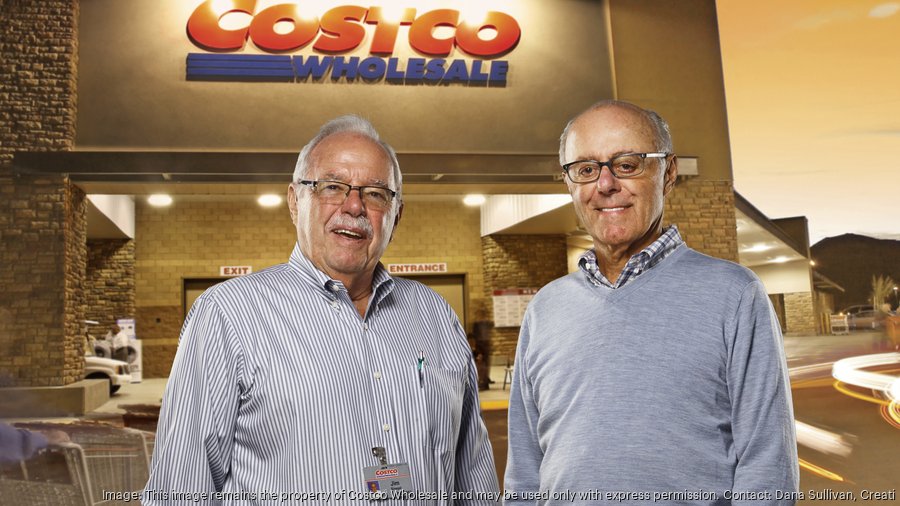
The story of Costco is inextricably linked to two key figures: James Sinegal and Jeffrey Brotman. While often seen as a monolithic entity today, Costco Wholesale Corporation as we know it emerged from the merger of two distinct companies: Costco Wholesale Corporation and Price Club. Each of these founders brought a unique set of skills and a particular brand philosophy that, when combined, would create a synergistic force in the retail landscape.
James Sinegal: The Operations Maestro
James Sinegal, affectionately known as Jim, is widely recognized as the operational genius and the heart of Costco’s distinctive culture. His career in retail began in 1954 with Fed-Mart, a pioneering discount department store chain in California. It was here that Sinegal honed his skills under the tutelage of Sol Price, often credited as the father of the warehouse club concept. Sinegal quickly rose through the ranks, learning every facet of the business, from merchandising to operations. This hands-on experience instilled in him a profound understanding of what made a retail business efficient, customer-centric, and profitable.
In 1983, Sinegal co-founded Costco Wholesale Corporation with Jeffrey Brotman in Seattle, Washington. His vision for Costco was clear: offer a limited selection of high-quality, brand-name products at aggressively low prices, operating out of no-frills warehouses. This wasn’t just a business model; it was a brand promise. Sinegal believed that by maintaining extremely lean operations, negotiating fiercely with suppliers, and keeping markups minimal (famously capped at 14% for most items, and 15% for Kirkland Signature products), Costco could deliver exceptional value to its members. This commitment to value, coupled with an unwavering focus on employee welfare (paying above-average wages and benefits), became the bedrock of Costco’s brand identity under his leadership. His operational prowess and ethical approach to business were instrumental in shaping the early Costco brand as one that prioritized both customers and employees.
Jeffrey Brotman: The Legal and Business Strategist
While Sinegal was the operational brain, Jeffrey Brotman was the strategic architect, bringing crucial business acumen and legal expertise to the founding of Costco. Brotman, an attorney by profession, came from a family deeply rooted in Seattle’s retail industry. His father, Bernie Brotman, founded a popular chain of clothing stores, providing Jeffrey with an early understanding of commerce and consumer behavior. Jeffrey’s legal background gave him a sharp eye for business structure, negotiations, and strategic partnerships, all essential components in launching a large-scale retail venture.
Brotman served as Costco’s chairman from its inception until his passing in 2017. His role was less about day-to-day operations and more about setting the overarching business strategy, securing financing, navigating legal complexities, and forging key relationships that would enable Costco to grow. He was instrumental in defining Costco’s corporate identity and governance. His partnership with Sinegal was a classic example of complementary leadership: Sinegal focusing on the product and the people, while Brotman focused on the broader business framework and market positioning. Together, they crafted a brand that was not just about selling goods, but about building a sustainable and ethically driven business. Brotman’s strategic vision ensured that Costco was built on a solid foundation, allowing Sinegal’s operational brilliance to flourish.
The Precursors: Birth of the Warehouse Club Concept
To fully appreciate the brand identity of Costco, it’s essential to look at its origins not just as a single entity, but as a concept that evolved and was perfected over time. The “warehouse club” model was not born with Costco; it was pioneered by others, and Costco refined and scaled it. The most significant precursor was Price Club, whose founder Sol Price heavily influenced Jim Sinegal.
Price Club: Pioneering the Membership Model
Sol Price, a brilliant and often understated entrepreneur, founded Price Club in San Diego, California, in 1976. Price Club is widely recognized as the first true membership warehouse club. Price’s innovative concept revolved around selling a limited assortment of products in bulk at deep discounts to businesses and then, eventually, to a select group of non-business members. He understood that by eliminating fancy displays, offering minimal customer service, and leveraging the power of bulk purchasing, he could drastically cut costs and pass those savings onto the customer. The membership fee, a seemingly counter-intuitive barrier to entry, was a stroke of genius; it created a sense of exclusivity, provided a steady stream of predictable revenue, and fostered customer loyalty.
The brand identity of Price Club was built on stark efficiency and undeniable value. It wasn’t about the shopping experience; it was purely about the savings. Price’s philosophy – “Pile it high, sell it low” – became the unspoken mantra of the nascent warehouse club industry. Jim Sinegal, having worked for Price at Fed-Mart, absorbed these principles and further refined them. Price Club proved that there was a massive market for this kind of no-frills, high-value shopping experience, setting the stage for subsequent players like Costco.
Costco Wholesale Corporation: A Fresh Approach
When Sinegal and Brotman launched Costco Wholesale Corporation in 1983, they were entering a market that Price Club had essentially created. However, they weren’t simply replicating the model; they were evolving it, imbuing their brand with distinct characteristics. While adopting the core tenets of membership, bulk sales, and low prices, Costco focused heavily on a meticulous selection of high-quality goods. Their initial brand promise was to offer “quality products at the lowest possible prices,” targeting small businesses and individuals who valued both savings and premium items.
Costco’s initial brand strategy emphasized efficiency and a somewhat cleaner, more organized warehouse layout compared to some of its predecessors. They focused on a curated “treasure hunt” experience, where members might discover unexpected luxury items or seasonal goods alongside their everyday staples. This subtle shift in emphasis – from purely utilitarian savings to a blend of value and discovery – began to differentiate the Costco brand. Their commitment to treating employees well, paying better wages and benefits than many retailers, was also a core element of their internal and external brand identity, fostering a positive perception among both staff and ethically-minded consumers.
The Merger That Forged a Powerhouse Brand
The most significant event in the formation of the modern Costco brand was the merger between Costco Wholesale Corporation and Price Club in 1993. This was not merely a corporate acquisition; it was a strategic consolidation that united the pioneers and the innovators of the warehouse club industry, creating an undisputed leader.
Uniting Two Retail Philosophies
The merger of Price Club and Costco was a landmark event. Sol Price, the founder of Price Club, had been a mentor to Jim Sinegal. The two companies shared a similar operational philosophy rooted in high volume, low margins, and membership fees. However, they also had subtle differences in their brand approaches and geographical strengths. Price Club had a stronger presence in the Southwestern United States, while Costco was growing rapidly across the Northwest and other regions.

The decision to merge was driven by the desire to leverage economies of scale, reduce competitive pressures, and create a truly national, even international, footprint. Price/Costco, as the combined entity was initially called, brought together the best practices of both companies. Sinegal became the CEO of the merged company, ensuring that the operational excellence and employee-centric culture he championed would continue to define the brand. This merger was not just about combining physical stores; it was about synthesizing two powerful brand identities, taking the pioneering spirit of Price Club and combining it with the refined operational and employee-focused brand of Costco.
Consolidating Strengths and Expanding Reach
The merger allowed the newly formed Price/Costco to consolidate purchasing power, streamline supply chains, and reduce overheads, further enhancing their ability to offer unbeatable prices – a core tenet of their brand. The combined company commanded a significantly larger market share, making it a formidable force against competitors like Sam’s Club. This consolidation of strengths rapidly expanded their geographical reach, bringing the warehouse club model to a wider audience and solidifying its place in American retail.
Crucially, the merger also involved the integration of corporate cultures. While both companies shared a similar ethos, Sinegal’s leadership ensured that the combined brand would retain the best elements of both, particularly Costco’s strong emphasis on quality products and employee satisfaction. The eventual rebranding back to “Costco Wholesale Corporation” signaled a definitive alignment under a single, strong brand identity that had been carefully cultivated by Sinegal and Brotman since 1983. This solidified the brand’s image as a consistent, trustworthy provider of value across all its locations.
Shaping the Costco Brand: Core Principles and Enduring Legacy
The founders’ imprint on Costco’s brand identity extends far beyond the initial business model. Their core principles, values, and unwavering commitment to specific ideals have permeated every aspect of the company, shaping its culture, customer perception, and long-term legacy.
The “Costco Way”: Value, Quality, and Employee Welfare
At the heart of the Costco brand is the “Costco Way,” a philosophy championed by Jim Sinegal. This ethos dictates that the company must always prioritize delivering exceptional value to its members through high-quality products at the lowest possible prices. This isn’t just a marketing slogan; it’s an operational mandate. The brand eschews traditional advertising in favor of relying on word-of-mouth and the tangible value it provides. This minimalist marketing approach reinforces the brand’s no-frills, value-driven identity.
Equally critical to the “Costco Way” is its progressive approach to employee welfare. Sinegal firmly believed that happy, well-compensated employees lead to better customer service and higher productivity. Costco consistently pays its workers significantly higher wages than many retail competitors and offers comprehensive benefits. This commitment to its people is not just an internal policy; it’s a powerful component of the Costco brand. It builds loyalty among staff, reduces turnover, and projects an image of a responsible, ethical corporation, which resonates positively with consumers who increasingly care about a brand’s social impact.
Building Customer Loyalty Through Distinctive Identity
The founders meticulously crafted a brand identity that fosters fierce customer loyalty. The annual membership fee, while initially a barrier, ultimately creates a psychological commitment. Members feel part of an exclusive club, entrusted with access to unparalleled deals. The “treasure hunt” aspect – the ever-changing selection of unique and high-end items alongside everyday staples – transforms shopping into an exciting experience, encouraging frequent visits. This unique blend of predictable value and delightful surprise is a hallmark of the Costco brand.
Furthermore, the introduction and meticulous cultivation of the “Kirkland Signature” private label brand under the founders’ watch was a stroke of branding genius. Kirkland Signature products are known for their exceptional quality and competitive pricing, often surpassing national brands. This private label doesn’t just offer savings; it serves as a testament to Costco’s commitment to quality control and value, cementing trust in the overall Costco brand. It allows Costco to control the narrative around product quality and price, reinforcing its brand promise directly to the consumer.
The Founders’ Imprint on Corporate Culture
The corporate culture established by Sinegal and Brotman is a critical, though often invisible, component of the Costco brand. It’s a culture built on frugality, humility, and a relentless focus on the customer. Sinegal famously operated out of a modest office, reflecting the company’s anti-extravagance philosophy. This emphasis on lean operations, from headquarters to warehouses, reinforces the brand’s core message of maximizing value by minimizing unnecessary costs.
Their leadership style promoted a flat organizational structure and an open-door policy, fostering a sense of ownership and empowerment among employees. This internal brand-building translates externally into a consistently positive customer experience, as employees are often more engaged and knowledgeable. The founders’ principles of integrity, respect, and a long-term vision for sustainable growth have become ingrained in Costco’s DNA, guiding its decision-making and ensuring the brand’s continued relevance and appeal.
Beyond the Founders: The Evolution and Future of the Brand
While the founding vision of James Sinegal and Jeffrey Brotman remains the bedrock of Costco’s brand, no brand can stand still. The retail landscape is constantly evolving, and Costco’s ability to adapt while staying true to its core identity is key to its sustained success.
Adapting to Market Dynamics
After Sinegal retired as CEO in 2012 (remaining on the board until 2018), and following Brotman’s passing in 2017, the stewardship of the Costco brand passed to a new generation of leaders. The challenge has been to maintain the founder’s ethos while responding to new market dynamics, such as the rise of e-commerce and changing consumer behaviors. Costco has made strategic investments in its online presence, offering online ordering and delivery services, expanding its omnichannel capabilities without abandoning the in-store experience that defines its brand.
The brand has also navigated global expansion, adapting its offerings to local tastes while maintaining its universal appeal of value and quality. This careful balance of adaptation and adherence to core brand principles demonstrates the strength of the foundation laid by its founders. They built a brand that was not just a business model, but a robust framework capable of evolving.
Sustaining Brand Relevance in a Digital Age
In an era dominated by digital interactions and personalized marketing, Costco’s brand continues to thrive by focusing on its tangible value proposition and community-like membership model. The physical store experience, with its rotating stock, food court, and gas stations, remains a powerful draw and a key differentiator. The brand understands that its strength lies in its unique blend of product, price, and experience.
The enduring legacy of Sinegal and Brotman is a testament to the power of a clear vision, strong principles, and a deep understanding of customer and employee needs. They didn’t just found a company; they forged a brand identity built on trust, value, and integrity – principles that continue to resonate strongly with millions of members worldwide, ensuring Costco’s place as a retail giant for generations to come. The question “who founded Costco” thus reveals not just names, but the architectural blueprint of a brand that has mastered the art of sustainable retail success.
aViewFromTheCave is a participant in the Amazon Services LLC Associates Program, an affiliate advertising program designed to provide a means for sites to earn advertising fees by advertising and linking to Amazon.com. Amazon, the Amazon logo, AmazonSupply, and the AmazonSupply logo are trademarks of Amazon.com, Inc. or its affiliates. As an Amazon Associate we earn affiliate commissions from qualifying purchases.