
The question “who did Elon Musk buy Tesla from?” often stems from a common misconception, one that subtly misrepresents the complex financial journey of one of the world’s most transformative companies. Unlike a straightforward acquisition where one entity purchases another from a clear seller, Elon Musk’s relationship with Tesla is far more nuanced, rooted in strategic early investment, leadership, and a series of pivotal financial decisions that sculpted the company into the automotive and energy giant it is today. In the realm of business finance, understanding this distinction is crucial, offering profound insights into startup funding, venture capital, and the long-term financial architecture of innovative enterprises. This article will delve into Tesla’s financial origins, Musk’s instrumental role as an investor and leader, and the subsequent funding rounds that underpinned its meteoric rise, providing a comprehensive look through the lens of money and business finance.
The Origins of Tesla: A Financial Foundation Story
Every groundbreaking company begins with an idea, but it truly takes shape through capital – the initial financial injection that transforms vision into reality. Tesla Motors, as it was originally known, is no exception. Its inception was a testament to entrepreneurial foresight, backed by a foundational financial commitment that laid the groundwork for future innovation.
The Entrepreneurial Spark and Seed Funding
Tesla was founded in July 2003 by Martin Eberhard and Marc Tarpenning. Their vision was bold: to create an electric sports car that could outperform gasoline-powered vehicles, demonstrating the viability and desirability of electric mobility. This wasn’t merely a technical challenge; it was an immense financial undertaking. Developing a new car from scratch, especially one reliant on nascent battery technology, demanded substantial seed capital long before any product could reach the market.
Initial funding for Tesla came from a variety of sources, typical for early-stage startups. Friends, family, and angel investors provided the crucial first rounds of capital, believing in the founders’ vision and the disruptive potential of their idea. These initial investments, often smaller in individual size but collectively significant, allowed Eberhard and Tarpenning to establish the company, hire initial engineers, and begin the intensive research and development required for their ambitious project. This phase exemplifies the high-risk, high-reward nature of early-stage venture financing, where investors back a concept and a team, often with little tangible proof of concept beyond a compelling pitch.
The Initial Visionaries and Early Capital
While Eberhard and Tarpenning are recognized as the initial founders, several other individuals played critical roles in Tesla’s early financial survival and strategic direction. These individuals were not merely employees; they were key contributors of capital and expertise, without whom the company might never have progressed beyond its foundational blueprints. Among these early financial backers was Ian Wright, who joined as the third employee and played a role in the technical development, and JB Straubel, who contributed significantly to the powertrain and battery architecture.
The early capital raised was essential for several reasons. It funded the prototypes, the intellectual property development, and the burgeoning team. It also enabled Tesla to attract further, larger rounds of investment. Without this initial belief and financial commitment from a small group of visionary individuals, Tesla would have been just another ambitious idea that never left the drawing board. This period highlights how crucial diversified early funding is for startups aiming to disrupt established industries, requiring not just technical brilliance but also the financial lifeline to sustain years of development.
Elon Musk’s Entry: Strategic Investment, Not Acquisition
The common phrasing “who did Elon Musk buy Tesla from” implies a traditional corporate takeover, where a single buyer acquires a company from its owners. This narrative, while powerful, fundamentally misrepresents Musk’s entry and subsequent influence on Tesla. His involvement was a strategic investment, transforming him from a significant shareholder into the company’s ultimate leader.
Early Investor and Chairman: A Crucial Infusion
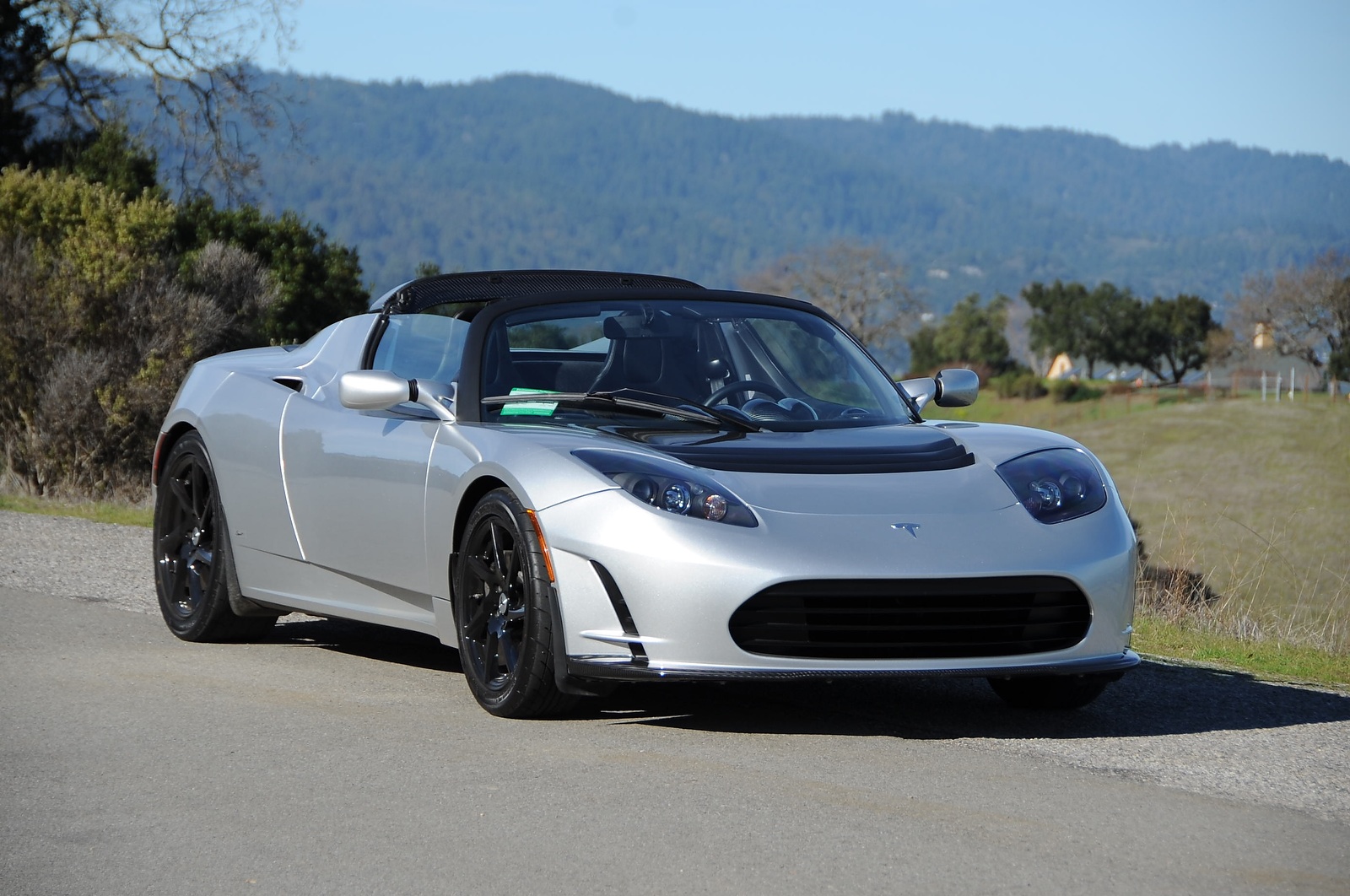
Elon Musk became involved with Tesla in February 2004, less than a year after its founding. At this point, Tesla was still in its nascent stages, developing its first prototype, the Roadster. Musk led the Series A funding round, investing a substantial $6.5 million. This was not a personal acquisition of the company; rather, it was a vital infusion of venture capital, making him the largest single shareholder and the chairman of the board of directors.
Musk’s investment was transformative. It provided the financial muscle needed to move beyond prototypes and towards production. More than just money, his involvement brought a new level of strategic vision and a commitment to scaling the company’s operations. His prior success with Zip2 and PayPal had equipped him with not only capital but also invaluable experience in building and financing high-growth technology companies. His role as chairman was to guide the company’s overall direction, approve major strategic decisions, and oversee its financial health, positioning him as a critical figure in its nascent development.
Stepping into Leadership: From Investor to CEO
The transition from chairman and primary investor to CEO was not immediate but rather a consequence of evolving financial and operational challenges. By 2007, Tesla faced significant financial strain and production delays with the Roadster. The company was burning through cash rapidly, a common but dangerous phase for ambitious hardware startups. Internal disagreements over technical direction, cost overruns, and financial management led to a turbulent period.
In 2008, amidst the global financial crisis and mounting internal pressures, Elon Musk stepped in as CEO. This was not a “buyout” of previous leadership; it was a strategic decision by the board, heavily influenced by Musk’s position as the largest investor and his demonstrated leadership capabilities. He took on the operational responsibilities to steer the company through its most perilous financial period, making tough decisions regarding layoffs, funding, and production strategies to keep Tesla afloat. This move solidified his control over the company’s destiny, transforming his investment from merely financial backing to active, hands-on leadership.
Dispelling the “Bought Tesla” Myth
The misconception that “Elon Musk bought Tesla from someone” likely arises from the sheer scale of his influence and the popular narrative that often simplifies complex corporate histories. In reality, Musk did not purchase Tesla from its founders in a traditional M&A transaction. Instead, he made a significant initial investment, which gave him a substantial equity stake and a strategic leadership position. As the company grew, subsequent funding rounds and Musk’s unwavering commitment to the company’s vision further cemented his influence and ownership percentage.
The founders, Martin Eberhard and Marc Tarpenning, departed from the company in 2007 and 2008, respectively, following disagreements over the company’s direction and management. While their departures were significant, they were not the result of Musk “buying them out” in the traditional sense of acquiring their full stake as part of a company-wide purchase. They retained equity stakes (which would grow immensely in value) but relinquished operational control. Thus, the notion of a single purchase event from a specific seller simply doesn’t align with the financial reality of Tesla’s early years.
Fueling Growth: The Financial Rounds That Built an Empire
The journey from a struggling startup to a global automotive powerhouse required an immense, sustained influx of capital. Tesla’s growth trajectory is a masterclass in business finance, demonstrating how a combination of venture capital, public market offerings, and strategic debt can fuel disruptive innovation.
Navigating Early-Stage Venture Capital
After Musk’s initial Series A investment, Tesla continued to raise multiple rounds of venture capital (VC) funding. These rounds, including Series B, C, and subsequent infusions, came from various institutional investors, venture capital firms, and private equity groups. Each round valued the company at a higher rate, allowing early investors and founders to see the appreciation of their equity, albeit often on paper.
VC funding is critical for capital-intensive startups like Tesla. It provides the necessary cash to scale operations, invest in manufacturing infrastructure, and continue research and development. However, it also comes with dilution for existing shareholders, as new investors receive equity in exchange for their capital. Tesla’s ability to consistently attract VC funding, even through challenging periods, speaks volumes about its compelling vision and the perceived long-term financial returns its technology promised. These funds were vital for developing the Roadster, preparing for the Model S, and building initial manufacturing capabilities.

The IPO and Public Market Scrutiny
A pivotal moment in Tesla’s financial history was its Initial Public Offering (IPO) in June 2010. Tesla became the first American car company to go public since Ford Motor Company in 1956. This move allowed Tesla to raise significant capital from public investors, bringing in approximately $226 million. The IPO was not just about raising money; it was a powerful statement of intent, signaling Tesla’s transition from a private startup to a publicly traded company accountable to shareholders worldwide.
Going public brought both opportunities and challenges. While it provided a massive capital injection and enhanced brand visibility, it also subjected Tesla to intense public scrutiny. Quarterly earnings reports, regulatory filings, and the volatile opinions of stock market analysts became central to its financial narrative. For a company with ambitious, long-term goals and a history of sometimes missing targets, navigating the quarterly pressures of the public market has been a constant balancing act, requiring meticulous financial management and clear communication with investors.
Debt, Equity, and Sustained Financial Backing
Beyond VC and IPO, Tesla has utilized a diverse array of financial instruments to fund its aggressive expansion. This includes issuing convertible debt, raising additional equity through secondary offerings, and securing strategic loans. For instance, in 2009, Tesla received a $465 million loan from the U.S. Department of Energy’s Advanced Technology Vehicles Manufacturing (ATVM) program, a crucial lifeline that helped fund the development and production of the Model S and Model X.
The continuous cycle of fundraising—combining equity issuance (selling shares), debt financing (borrowing money), and even government-backed loans—demonstrates a sophisticated approach to business finance. It reflects Tesla’s significant capital requirements for building gigafactories, expanding its Supercharger network, developing new battery technologies, and entering new markets. Each financial decision, whether raising debt or issuing new shares, had a direct impact on the company’s balance sheet, its cost of capital, and the eventual returns for its investors.
The Valuation of Vision: Tesla’s Financial Trajectory and Market Impact
Tesla’s financial journey is not just about capital raised; it’s about the extraordinary valuation it has achieved, a testament to market confidence in its long-term vision and disruptive potential. Its trajectory offers a compelling case study in how investor sentiment and future-oriented financial projections can drive market capitalization.
From Startup to Trillion-Dollar Valuation
Perhaps one of the most astonishing aspects of Tesla’s financial story is its exponential growth in market valuation. From a struggling startup on the brink of bankruptcy in 2008, Tesla surged to become one of the most valuable companies in the world, briefly crossing the trillion-dollar market capitalization mark in 2021. This incredible ascent was fueled by several factors: the successful delivery of mass-market EVs (Model 3), the expansion of its manufacturing capabilities, the development of cutting-edge battery technology, and its ventures into solar and energy storage.
This valuation reflects investor belief not just in current sales but in Tesla’s future dominance in electric vehicles, autonomous driving, and sustainable energy. From a financial perspective, this valuation implies an enormous projected future earnings stream, demonstrating how forward-looking market sentiment can dramatically outpace traditional valuation metrics based on historical performance. It underscores the power of a strong narrative combined with consistent innovation in attracting investment.
Financial Volatility and Investor Confidence
Tesla’s stock market performance has been notoriously volatile, marked by dramatic swings influenced by production targets, regulatory scrutiny, Musk’s public statements, and macroeconomic factors. This volatility, while challenging for some investors, is characteristic of high-growth, disruptive companies. It reflects the ongoing battle between bears who question profitability and execution, and bulls who envision a transformative future.
Managing investor confidence through these fluctuations is a critical aspect of business finance for any publicly traded company, especially one as closely watched as Tesla. Transparent communication, consistent operational improvements, and strategic financial planning are essential to maintain shareholder trust and attract new investment, even when facing significant headwinds. Elon Musk’s personal brand and his ability to rally investor enthusiasm have played a significant, albeit sometimes controversial, role in sustaining this confidence.
The Long-Term Investment Perspective
For many investors, Tesla represents a long-term play on the future of transportation and energy. Its financial performance is often not judged purely on quarterly profits but on its progress toward broader goals: widespread EV adoption, sustainable energy infrastructure, and advancements in AI for autonomous driving. This perspective requires investors to look beyond immediate returns and assess the company’s potential to capture massive future markets.
From a financial planning standpoint, investing in a company like Tesla exemplifies a growth-oriented strategy, characterized by higher risk but also the potential for substantial returns. It highlights the importance of understanding a company’s vision, its competitive advantages, and its ability to execute on ambitious projects, rather than solely relying on traditional financial ratios that might not fully capture the value of disruptive innovation.
Lessons in Business Finance: What Tesla’s Journey Teaches Entrepreneurs
Tesla’s financial odyssey provides a rich tapestry of lessons for entrepreneurs, investors, and anyone interested in the dynamics of business finance. It’s a story not of a simple purchase, but of persistent investment, strategic fundraising, and the audacious pursuit of a world-changing vision.
The Power of Strategic Investment
Elon Musk’s initial investment in Tesla demonstrates the profound impact a strategic investor can have. It wasn’t just about the capital; it was about the expertise, the network, and the unwavering commitment to a long-term vision. For startups, attracting not just money but “smart money” – capital that comes with valuable experience and guidance – is paramount. This type of investment provides more than just liquidity; it offers a lifeline of strategic direction and resilience during challenging times.
Funding Innovation: Beyond Traditional Models
Tesla’s reliance on diverse funding mechanisms—from early angel and VC rounds to a significant IPO, government loans, and multiple equity and debt offerings—illustrates that there’s no single path to financing a revolutionary company. Entrepreneurs must be agile and resourceful, exploring various financial instruments to match their capital needs with their growth stages. It also highlights how truly disruptive ideas may require patient capital and a willingness from investors to bet on long-term potential over immediate profitability.

Understanding Founder Dynamics and Equity
The early story of Tesla also sheds light on the complex dynamics among founders, early investors, and subsequent leadership. Equity distribution, control, and the inevitable evolution of roles are critical considerations in any startup. While the “who bought who” question is a simplification, it points to the profound impact of financial stakes on power dynamics and the ultimate direction of a company. Understanding how equity is allocated, diluted, and valued over time is fundamental for anyone involved in a growing business.
In conclusion, the question “who did Elon Musk buy Tesla from?” is predicated on a misunderstanding of Tesla’s intricate financial beginnings. Elon Musk did not “buy” Tesla from its founders in a traditional acquisition. Instead, he made a crucial early investment, became chairman, and later stepped in as CEO, leveraging his capital and leadership to navigate the company through numerous financial challenges and scale it to unprecedented heights. Tesla’s journey is a compelling narrative of investment, risk, strategic financing, and the audacious pursuit of a world-changing vision, offering invaluable insights into the complex world of business finance.
aViewFromTheCave is a participant in the Amazon Services LLC Associates Program, an affiliate advertising program designed to provide a means for sites to earn advertising fees by advertising and linking to Amazon.com. Amazon, the Amazon logo, AmazonSupply, and the AmazonSupply logo are trademarks of Amazon.com, Inc. or its affiliates. As an Amazon Associate we earn affiliate commissions from qualifying purchases.