
Costco Wholesale has cultivated one of the most distinctive and loyal brand identities in retail. Known for its bulk savings, curated product selection, and a unique treasure-hunt shopping experience, the brand promises exceptional value and quality to its members. However, in an increasingly digital and convenience-driven retail landscape, the question of “who delivers for Costco” becomes more than just a logistical inquiry; it’s a critical component of its brand strategy, directly impacting how its promise extends beyond the warehouse walls and into members’ homes.
The Core Challenge: Extending Costco’s Brand Promise to the Last Mile
Costco’s brand is built on a foundation of trust, efficiency, and a superior in-store experience. Members often make dedicated trips to its warehouses, valuing the physical interaction with products and the anticipation of discovering new items. Transitioning this experience to an online delivery model presents significant brand challenges. The core promise of Costco — quality, value, and an exceptional member experience — must somehow be replicated or protected even when a third party handles the final interaction.
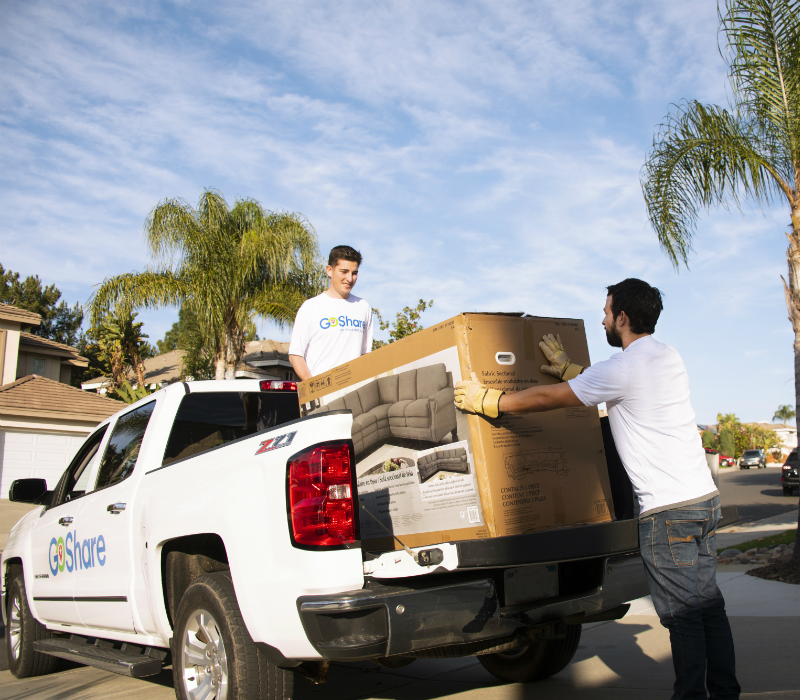
Firstly, Costco’s brand identity revolves around the concept of “value.” This isn’t merely about low prices, but about the perceived worth of high-quality products bought in bulk. Any delivery service must align with this value proposition, ensuring that the convenience doesn’t come at an exorbitant premium that negates the core benefit of shopping at Costco. Secondly, the “quality” aspect is paramount. From fresh produce to electronics, Costco members expect products to arrive in pristine condition. A damaged item or a poor substitution directly undermines this quality promise. Finally, the “member experience” is sacrosanct. Costco members often feel a strong affinity with the brand. A courteous, efficient, and problem-solving delivery interaction is crucial for reinforcing this positive relationship, whereas a negative one can quickly erode loyalty.
Given these stakes, why doesn’t Costco handle all deliveries in-house? The answer lies in scalability, specialized expertise, and cost efficiencies. Building a proprietary last-mile delivery infrastructure for all product categories, from fresh groceries to refrigerators, would be an immense undertaking, diverting resources from its core warehouse operations. Strategic partnerships allow Costco to leverage existing networks, technology, and specialized logistical capabilities, enabling it to expand its reach without compromising its operational focus or brand integrity.
Strategic Partnerships: The Key Players and Their Roles in Brand Delivery
Costco employs a multi-faceted approach to delivery, partnering with various entities depending on the product type, size, and urgency. Each partnership is a strategic decision that reflects an attempt to extend specific aspects of Costco’s brand.
Instacart: The Primary Grocery Delivery Partner
For many members seeking same-day or scheduled grocery and general merchandise delivery, Instacart is the primary interface. This partnership is perhaps the most visible extension of Costco’s brand into the immediate delivery space.
-
Brand Alignment (and Challenge): The Instacart model, where personal shoppers select items, attempts to mimic the in-store shopping experience. For Costco, this means entrusting the personal selection of often fresh and delicate items to a third party. The challenge is ensuring that Instacart shoppers embody Costco’s commitment to quality and accuracy. When a shopper makes good substitutions or selects excellent produce, they reinforce Costco’s brand. When they make poor choices or are unresponsive, they inadvertently detract from it. The “Costco Instacart” brand perception is therefore a delicate balance, where both companies share responsibility for the end-user experience.
-
Customer Experience Considerations: Communication from the shopper, the quality of perishable goods upon arrival, and the accuracy of the order are critical touchpoints. Costco relies on Instacart’s platform and its network of shoppers to uphold the freshness and accuracy standards that members associate with its brand. Feedback mechanisms, both internal to Instacart and through Costco’s customer service, are vital for monitoring and adjusting this brand extension.
Costco Logistics and Specialized Freight Carriers: For Larger Items and E-commerce
For big-ticket items like appliances, furniture, and electronics purchased through Costco.com, the delivery strategy shifts to “Costco Logistics” and a network of specialized third-party freight carriers.
-
The White-Glove Experience: This segment of delivery is crucial for maintaining the premium brand perception associated with high-value purchases. Members expect professional handling, scheduled delivery windows, and often installation services. Costco Logistics often coordinates these deliveries, directly or via vetted partners, to ensure a “white-glove” experience. The delivery personnel here are not just movers; they are temporary brand ambassadors, responsible for safely transporting, often assembling, and leaving the customer with a positive final impression of a significant purchase.
-
Protecting the High-Value, High-Trust Purchase Brand: Damage during transit or poor installation can severely impact customer satisfaction and trust, especially for items that represent a substantial investment. These specialized carriers are chosen for their expertise in handling fragile or oversized items, their scheduling precision, and their ability to provide professional services that align with Costco’s commitment to quality and member service.
Standard Carriers: UPS, FedEx, USPS for Smaller E-commerce Items
For smaller, non-perishable goods ordered online, Costco leverages established parcel carriers like UPS, FedEx, and USPS.
-
Standardized Shipping, Global Reach: These partnerships tap into vast, reliable networks for efficient and predictable delivery. The brand perception here relies on the general trustworthiness and efficiency of these well-known carriers. Costco benefits from their standardized tracking, broad coverage, and established delivery protocols, allowing it to offer comprehensive e-commerce options.
-
Managing Exceptions and Customer Service Hand-offs: While generally reliable, issues can arise (lost packages, delays). Costco’s brand strength then comes into play through its customer service. The ability to quickly resolve delivery issues, whether by reshipping or refunding, reinforces Costco’s commitment to member satisfaction, even when the initial delivery experience is handled by a third party. The seamless hand-off of customer service between the carrier and Costco is vital for maintaining brand integrity.
Safeguarding the Brand: Quality Control and Customer Experience
Managing a network of diverse delivery partners requires robust strategies to ensure that the Costco brand remains consistent and strong across all touchpoints.
Service Level Agreements (SLAs) and Performance Metrics
At the heart of any successful brand partnership are clearly defined expectations. Costco establishes stringent Service Level Agreements (SLAs) with its delivery partners. These aren’t just legal documents; they are a blueprint for how partners should uphold the Costco brand.
-
Key Performance Indicators (KPIs): These typically include on-time delivery rates, order accuracy, product condition upon arrival, driver professionalism, and communication protocols. For example, for fresh groceries, temperature control and careful handling are critical KPIs. For large appliances, adherence to scheduled delivery windows and proper installation procedures are paramount.
-
Monitoring and Reporting: Regular reporting and auditing mechanisms are in place to track partner performance against these KPIs. This data is crucial for identifying areas of excellence and areas needing improvement, enabling proactive management of the brand experience.
Customer Feedback Loops and Continuous Improvement
Costco places significant value on member feedback. This is especially true for delivery services, where the direct interaction with a third party can heavily influence overall brand perception.
-
Multi-channel Feedback: Feedback is gathered through various channels: direct customer service calls, online reviews, in-app ratings for Instacart, and post-delivery surveys. This comprehensive approach allows Costco to capture a wide range of member experiences.
-
Informing Partner Relationships: Negative feedback or recurring issues are not just isolated incidents; they are signals that a partner may be failing to meet Costco’s brand standards. This feedback directly informs ongoing discussions with partners, leading to service adjustments, additional training, or, in severe cases, renegotiation or termination of contracts. The iterative process of feedback and improvement is vital for refining the delivery experience and reinforcing the brand.
Brand Alignment Training and Ambassadorial Role
While Costco cannot directly train every delivery driver from every partner, it works with its key partners to ensure an understanding of its member-centric philosophy.
-
Indirect Training and Guidelines: For partners like Instacart, Costco provides guidelines on product handling, substitution policies, and member communication. The expectation is that delivery personnel, even if not directly employed by Costco, understand they are representing a brand built on trust and service.
-
Delivery Drivers as Brand Ambassadors: Every person who arrives at a member’s door, regardless of their employer’s logo, is an extension of the Costco brand. Their demeanor, efficiency, and problem-solving skills directly contribute to the member’s perception of Costco. Promoting professionalism and courtesy among delivery personnel is a subtle yet powerful brand strategy.
Return and Resolution Policies
Costco’s legendary return policy is a cornerstone of its brand trust. Extending this policy seamlessly to delivered goods is critical for maintaining confidence, even when issues arise during delivery.
- Consistent Resolution: Whether an item arrives damaged via a freight carrier or a grocery order is incorrect through Instacart, Costco’s commitment to hassle-free returns and resolutions reinforces its brand promise. This consistency ensures that members feel protected, knowing that even if a third party makes a mistake, Costco will stand behind the purchase. This capability further strengthens the perception of a reliable and member-focused brand.

The Future of Costco’s Delivery Brand: Adaptability and Innovation
The landscape of retail delivery is constantly evolving, driven by accelerating consumer expectations for speed, convenience, and personalization. Costco’s delivery brand strategy must remain agile and innovative to meet these demands without compromising its core identity.
Evolving consumer expectations mean that “who delivers” will continue to be a dynamic question. Members increasingly expect immediate gratification and diverse delivery options. This puts pressure on Costco to not only maintain existing partnerships but also explore new models, potentially including hyper-local fulfillment, drone delivery, or autonomous vehicles in the long term. Each technological advancement presents opportunities and challenges for brand alignment.
Furthermore, issues of sustainability and ethical sourcing are becoming increasingly important components of a brand’s public image. How delivery partners manage their fleet emissions, waste, and labor practices can impact Costco’s brand perception in these critical areas. Integrating these considerations into partner selection and management will be a growing aspect of safeguarding the brand.
Ultimately, Costco’s approach to delivery is a complex exercise in brand extension. By carefully selecting and managing its delivery partners, establishing clear expectations, and prioritizing member feedback, Costco aims to ensure that its brand promise of value, quality, and an exceptional member experience continues to resonate, even when the warehouse experience comes directly to the doorstep. The “who” behind the delivery is not just a logistical detail; it is a strategic choice that continually shapes and reinforces the enduring power of the Costco brand.
aViewFromTheCave is a participant in the Amazon Services LLC Associates Program, an affiliate advertising program designed to provide a means for sites to earn advertising fees by advertising and linking to Amazon.com. Amazon, the Amazon logo, AmazonSupply, and the AmazonSupply logo are trademarks of Amazon.com, Inc. or its affiliates. As an Amazon Associate we earn affiliate commissions from qualifying purchases.