
In the annals of retail history, few companies have managed to cultivate a brand identity as distinctive and enduring as Costco Wholesale. More than just a place to buy bulk goods, Costco has become a cultural phenomenon, a destination for discerning shoppers, and a masterclass in brand loyalty. To truly understand the essence of the Costco brand, one must delve into its origins, tracing back to the entrepreneurial minds who conceived its unique model and painstakingly built its strategic foundations. The story of “who created Costco” is not merely a historical footnote; it is a foundational narrative that illuminates the very core of its brand strategy, corporate identity, and the enduring principles that continue to guide its success. This article explores the visionary founders, their revolutionary approach, and how their initial decisions sculpted one of the most powerful and recognizable brands in the global retail landscape.

The Genesis of a Membership Empire: Jim Sinegal and Jeffrey Brotman
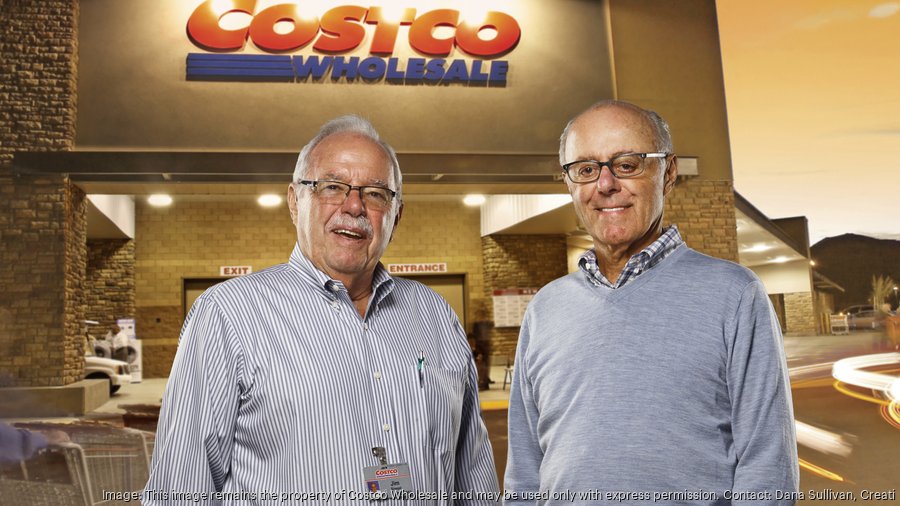
The creation of Costco Wholesale Corporation is a tale of two distinct but complementary visions converging to form a retail powerhouse. While many hands contributed to its growth, two names stand paramount in its inception: Jeffrey Brotman, a Seattle attorney with a keen business acumen, and James “Jim” Sinegal, a seasoned retail executive with an unparalleled understanding of operations. Their combined expertise and shared philosophy laid the groundwork for a brand that would redefine wholesale club shopping.
The Entrepreneurial Spirit: Jeffrey Brotman’s Vision
Jeffrey Brotman, an attorney by trade, was the original conceptualizer and driving force behind the idea of an upscale, membership-based warehouse club. Brotman’s genius lay in his ability to identify a market gap and articulate a strategic vision. He saw the potential for a business that could offer high-quality, branded merchandise at significantly lower prices to a select group of members. His background in law and his extensive network of business contacts proved invaluable in securing initial funding, navigating complex legal frameworks, and assembling a robust board of directors. Brotman’s role was largely that of the strategist and the financier, the one who saw the bigger picture and orchestrated the initial resources needed to transform an idea into a tangible business. He understood the power of a distinct value proposition and the exclusivity implied by a membership model – elements that would become cornerstones of the Costco brand. His entrepreneurial spirit was the catalyst that brought the concept to life in 1983.
The Operational Maverick: Jim Sinegal’s Expertise
If Brotman was the visionary strategist, Jim Sinegal was the operational maestro. Sinegal brought decades of invaluable experience from his time at various retail giants, including FedMart and Price Club, where he worked under the legendary Sol Price, often credited as the inventor of the warehouse club concept. Sinegal possessed an intimate knowledge of how to run a lean, efficient wholesale operation. His philosophy was simple yet radical: prioritize low overheads, offer a limited but high-quality assortment of goods, pay employees well, and pass the savings directly to the customer through aggressively low prices. This operational discipline was crucial in establishing the economic model that would make Costco’s unique brand promise feasible. Sinegal was the architect of the “Costco Way” of doing business – a meticulous attention to detail in sourcing, inventory management, and store layout that ensured maximum efficiency and profitability, all while maintaining the brand’s core value proposition.
A Fateful Merger: The Birth of Costco Wholesale Corporation
The standalone success of Costco, founded by Brotman and Sinegal in Seattle, was remarkable. However, the truly transformative moment for the brand came in 1993 with its merger with Price Club, founded by Sol Price in San Diego in 1976. This union brought together two pioneers of the warehouse club industry, consolidating their market share, operational expertise, and purchasing power. While Sol Price himself was a giant in the industry, the merger solidified the future of the combined entity under the leadership of Jim Sinegal and Jeffrey Brotman. The newly formed Price/Costco (later simply Costco Wholesale Corporation) leveraged the best practices from both companies, integrating their supply chains, membership bases, and brand strengths. This strategic alliance was a masterstroke, creating a brand with unparalleled scale and an even more refined business model, setting the stage for its global domination. The merger wasn’t just about combining two businesses; it was about synergizing two distinct but ultimately complementary brand philosophies into a single, formidable corporate identity.
Crafting the Costco Brand Identity: A Unique Value Proposition
From its inception, Costco eschewed traditional retail norms, deliberately carving out a unique brand identity built on distinct pillars. This wasn’t merely a business model; it was a carefully constructed brand narrative that resonated deeply with its target audience. The founders understood that differentiation was key to building loyalty and establishing a commanding presence in a competitive market.
The Membership Model: Exclusivity and Perceived Value
At the heart of Costco’s brand identity is its membership model. This wasn’t just a revenue stream; it was a powerful psychological tool. By charging an annual fee, Costco instantly created a sense of exclusivity and commitment among its customers. Members felt they were part of a special club, privy to deals and products unavailable to the general public. This “gatekeeping” strategy fostered a strong sense of belonging and enhanced the perceived value of the savings offered. The membership card became a symbol of smart shopping, a badge of honor for those in the know, effectively transforming transactions into relationships and mere shoppers into loyal advocates. It’s a prime example of how a business model can be intrinsically tied to brand perception.
“Everyday Low Prices”: The Core Promise
Costco’s unwavering commitment to “everyday low prices” is not just a pricing strategy; it’s a fundamental brand promise. Unlike retailers who rely on frequent sales and promotions, Costco guarantees consistent value. This transparency builds immense trust with its customers. The brand implicitly communicates: “You don’t need to wait for a sale; you’re always getting the best deal here.” This dedication to price leadership, often achieved through aggressive negotiations with suppliers and maintaining extremely thin margins, is central to its value proposition. It ensures that members feel their annual fee is justified through tangible, consistent savings, reinforcing the brand’s reputation as a smart choice for bulk purchasing.
The Treasure Hunt Experience: Curated Selection and Limited-Time Offers
While known for bulk staples, Costco also strategically incorporates an element of surprise and delight through its constantly rotating “treasure hunt” items. These limited-time, often high-end, and frequently unexpected products—ranging from designer watches to gourmet foods or seasonal electronics—create excitement and encourage frequent visits. This strategic variability prevents shopping from becoming mundane, injecting an element of discovery into every trip. It’s a clever brand tactic that leverages human psychology: the fear of missing out (FOMO) and the thrill of finding a unique deal. This curated, yet unpredictable, selection enhances the brand’s appeal beyond mere cost savings, turning a utilitarian shopping experience into an engaging adventure.
The No-Frills Warehouse Aesthetic: Efficiency as a Brand Pillar
Costco’s spartan, no-frills warehouse environment is not an oversight; it’s a deliberate branding choice. The wide aisles, industrial shelving, and direct-from-pallet displays communicate efficiency, cost-consciousness, and a singular focus on product value rather than elaborate merchandising. This aesthetic reinforces the brand message: “We save money on fancy displays so you can save money on products.” It’s an honest, utilitarian approach that aligns perfectly with its brand promise of delivering maximum value. The very simplicity of the store design is a powerful non-verbal communication of the brand’s commitment to low overheads and passing those savings directly to the customer, making efficiency itself a core pillar of its corporate identity.
Strategic Pillars of Brand Longevity and Loyalty
The initial brand identity forged by its founders evolved into a robust strategy that ensured Costco’s sustained growth and unparalleled customer loyalty. These strategic pillars demonstrate a deep understanding of market dynamics and a commitment to values that extend beyond simple profit maximization.

Employee-Centric Culture: A Differentiator in Retail
One of the most remarkable aspects of Costco’s brand strategy, often overlooked by competitors, is its unwavering commitment to its employees. From the outset, Sinegal and Brotman championed a culture of fair wages, comprehensive benefits, and opportunities for advancement, often exceeding industry standards. This isn’t just a benevolent HR policy; it’s a shrewd brand move. Well-compensated and valued employees are happier, more motivated, and provide superior customer service. They become brand ambassadors, embodying Costco’s values in every interaction. This positive employee experience translates directly into a better customer experience, fostering loyalty and reinforcing Costco’s reputation as a responsible and ethical company—a significant differentiating factor in the often-maligned retail sector.
Quality Over Quantity: The Private Label (Kirkland Signature) Success Story
The introduction and meteoric rise of Kirkland Signature, Costco’s private label, is a testament to its strategic brand management. Unlike many generic store brands, Kirkland Signature was positioned as a premium product offering comparable, if not superior, quality to leading national brands, but at a significantly lower price. This move wasn’t just about offering an alternative; it was about building trust. By putting its own name on the product and guaranteeing its quality, Costco solidified its brand as a curator of excellence. Kirkland Signature became a brand in its own right, synonymous with reliability and value, further entrenching customer loyalty and allowing Costco greater control over its supply chain and margins, all while enhancing its overall brand equity.
Location, Location, Location: Strategic Expansion and Market Penetration
Costco’s geographic expansion strategy has been as deliberate as its in-store model. The founders understood the importance of strategic site selection, often choosing large, accessible plots with ample parking, typically on the outskirts of major metropolitan areas. This minimized real estate costs while maximizing customer reach, particularly for members willing to travel for the unique value proposition. Furthermore, their measured approach to international expansion, adapting to local tastes while maintaining core brand tenets, has allowed Costco to successfully replicate its model globally, translating its distinctive brand identity into diverse markets from Japan to the UK, proving its universal appeal and robust brand architecture.
The Enduring Legacy: How Founders’ Principles Shaped a Global Brand
The principles established by Jim Sinegal and Jeffrey Brotman continue to reverberate through Costco’s operations and brand identity, long after their direct leadership. Their foundational vision has created a resilient business model and a beloved global brand.
From Vision to Valuation: The Impact of Founder-Led Growth
The clarity of vision held by Sinegal and Brotman, and their relentless focus on execution, directly translated into remarkable financial success and market valuation. Their founder-led growth instilled a culture of discipline, innovation, and customer-centricity that attracted investors and cemented Costco’s position as a leader in retail. The brand’s consistent performance, even through economic downturns, is a testament to the robustness of the strategic pillars they put in place. Their leadership wasn’t just about building a company; it was about building a powerful, recognizable brand that consistently delivered on its promises, thereby creating immense shareholder and customer value.
Navigating Challenges: Adapting the Brand in a Changing Retail Landscape
The retail landscape is constantly evolving, with new technologies and consumer behaviors reshaping expectations. Yet, Costco’s brand has remained remarkably resilient. This adaptability stems from the core principles established by its founders: an unwavering focus on value, quality, and member experience. While the company has embraced e-commerce and digital integration, it has done so in a way that complements, rather than compromises, its fundamental warehouse club model. The brand’s ability to maintain its essence while selectively modernizing is a direct inheritance from its founders’ pragmatic yet forward-thinking approach. They built a brand flexible enough to evolve without losing its soul.
The “Costco Way”: A Blueprint for Sustainable Brand Building
The enduring legacy of Sinegal and Brotman can be encapsulated in “The Costco Way”—a philosophy that prioritizes long-term sustainable growth over short-term gains. This encompasses fair treatment of employees and suppliers, an obsession with operational efficiency, and an almost fanatical dedication to member satisfaction. This integrated approach to business isn’t just good management; it’s the foundation of a powerful, ethical, and highly trusted brand. It serves as a blueprint for sustainable brand building, demonstrating that a strong corporate identity built on integrity and consistent value can create a competitive advantage that withstands the test of time and market fluctuations.
Beyond the Founders: Stewarding the Brand into the Future
While the initial architects laid the groundwork, the continued success of the Costco brand relies on successive leadership teams to uphold and adapt its founding principles.
Leadership Transitions and Brand Continuity
Following the retirement of Jim Sinegal in 2012, and the passing of Jeffrey Brotman in 2017, Costco transitioned its leadership while meticulously preserving its core brand identity. This continuity is a testament to the strength of the culture and brand values instilled by its creators. Successors have largely adhered to the proven “Costco Way,” ensuring that strategic decisions continue to align with the brand’s foundational promise of value, quality, and an exceptional member experience. This seamless transition without significant brand disruption highlights the robust framework the founders put in place.
Digital Integration and Omni-channel Strategy
In an increasingly digital world, Costco has strategically integrated online shopping and delivery services without diluting its physical warehouse experience. The brand understands that while convenience is paramount, the “treasure hunt” and bulk-buying advantages of its brick-and-mortar stores remain a powerful draw. Its omni-channel strategy is designed to enhance, rather than replace, the core brand experience, reflecting an adaptive approach to market changes while staying true to its identity. This careful integration ensures the brand remains relevant to modern consumers without alienating its established base.
Maintaining Core Values in a Globalized Market
As Costco expands its global footprint, maintaining the integrity of its brand across diverse cultures and economies presents an ongoing challenge. The brand’s success lies in its ability to adapt local product assortments while steadfastly upholding its universal core values: offering exceptional value, quality, and a unique shopping experience. The “who created Costco” story serves as a constant reminder of these fundamental principles, guiding the brand as it navigates the complexities of a globalized market, ensuring that the essence of Costco remains consistent, recognized, and valued worldwide.
The story of Costco is a profound case study in brand building, demonstrating how a clear vision, operational excellence, and an unwavering commitment to core values, articulated by its visionary founders Jim Sinegal and Jeffrey Brotman, can create a retail brand with enduring appeal and remarkable loyalty. Their legacy is not just a company; it is a meticulously crafted brand that continues to resonate with millions of members worldwide.
aViewFromTheCave is a participant in the Amazon Services LLC Associates Program, an affiliate advertising program designed to provide a means for sites to earn advertising fees by advertising and linking to Amazon.com. Amazon, the Amazon logo, AmazonSupply, and the AmazonSupply logo are trademarks of Amazon.com, Inc. or its affiliates. As an Amazon Associate we earn affiliate commissions from qualifying purchases.