
The story of Tesla is often framed as a triumph of engineering or a revolution in sustainable energy, but at its core, it is one of the most complex and high-stakes case studies in business finance and venture capital. While the public persona of the company is inextricably linked to Elon Musk, the question of “who are the founders” involves a nuanced look at five distinct individuals and the financial structures they built to transform a radical idea into a trillion-dollar asset. Understanding the founders of Tesla requires looking past the gadgets and into the capitalization tables, investment rounds, and strategic financial pivots that allowed the company to survive where dozens of other EV startups failed.
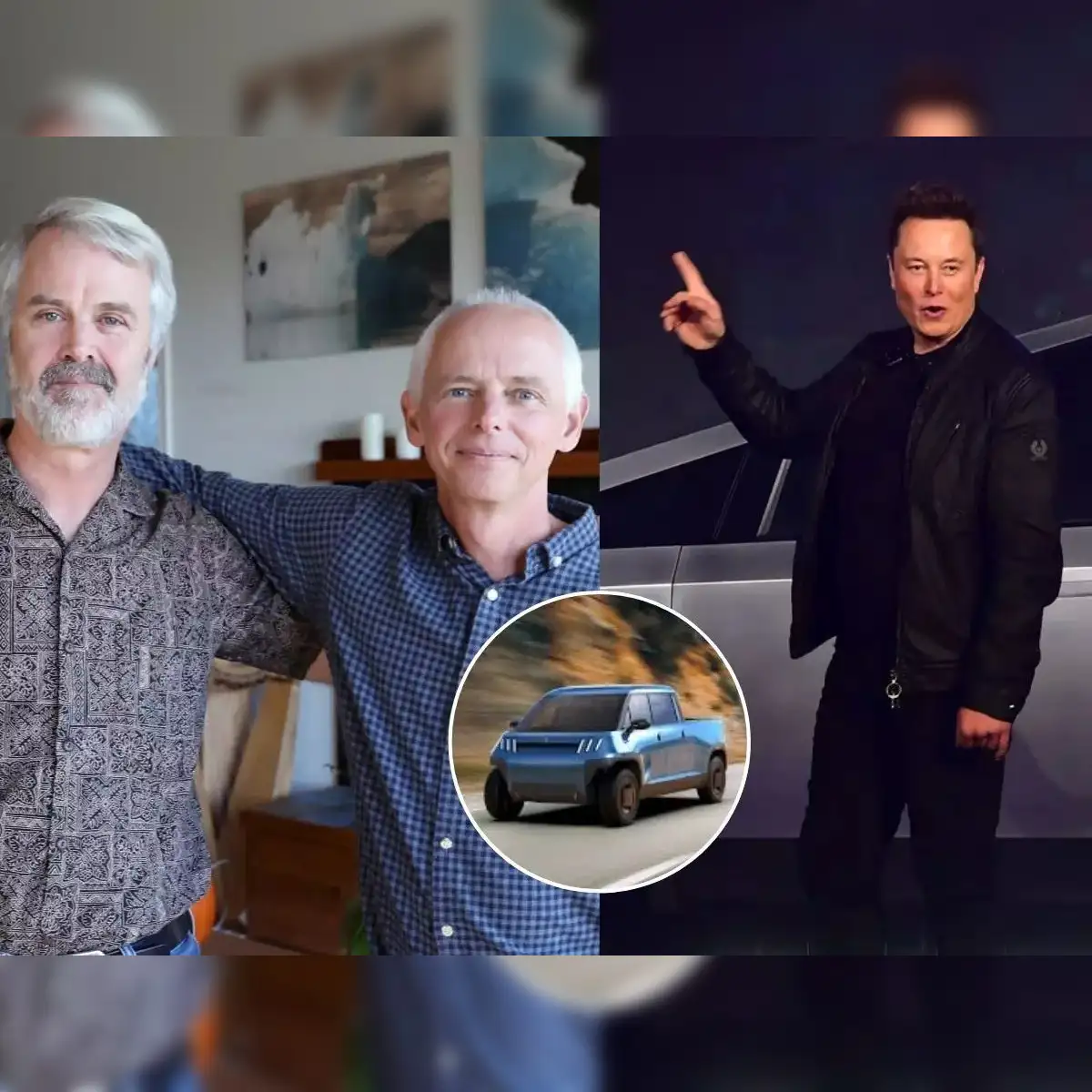
1. The Seed Phase: Eberhard, Tarpenning, and the Initial Venture
Before Tesla became a household name, it was a lean startup born from the proceeds of a successful exit. In 2003, Martin Eberhard and Marc Tarpenning incorporated Tesla Motors. Their approach to founding the company was rooted in the classic Silicon Valley model: using personal wealth from previous successes to bootstrap a high-risk concept.
The NuvoMedia Exit and Initial Capitalization
Eberhard and Tarpenning were not newcomers to the financial world of startups. They had previously founded NuvoMedia, the company behind the Rocket eBook, which they sold to Gemstar-TV Guide International for $187 million in 2000. This exit provided the “seed money” necessary to explore their next venture. By self-funding the earliest stages of Tesla, they maintained total control over the vision, focusing on the financial feasibility of using lithium-ion batteries—then common in laptops—for automotive propulsion.
Defining the Business Model for Investors
The founders’ primary financial innovation wasn’t just the car; it was the business model. They recognized that starting a mass-market car company required billions in capital that they did not yet have. Their strategy was to target the high-end luxury market first. By creating a low-volume, high-priced product (the Roadster), they could prove the technology to investors while generating a high margin per unit. This “top-down” financial strategy was designed to lure venture capitalists who were traditionally wary of the capital-intensive nature of the automotive industry.
2. The Series A Revolution: Elon Musk’s Entry and Financial Dominance
While Eberhard and Tarpenning provided the spark, the company’s massive scaling required a level of capital that went beyond their personal reserves. In 2004, the search for Series A funding led them to Elon Musk, who had recently walked away from the sale of PayPal with a significant fortune. This moment fundamentally changed the financial trajectory of the company.
The $6.5 Million Stake and the Power of Personal Capital
In the Series A funding round, Elon Musk contributed $6.5 million of the $7.5 million raised. From a business finance perspective, this gave Musk a controlling interest and the position of Chairman of the Board. Unlike traditional venture capitalists who might spread their risk across a dozen firms, Musk’s investment was a “conviction bet.” This heavy concentration of personal capital allowed Tesla to move faster than a traditional corporate structure would allow, but it also shifted the internal power dynamics, setting the stage for future leadership transitions.
Transitioning from Engineering to Market Scale
With Musk’s capital, Tesla was able to move from a garage-based prototype to a functional manufacturer. This phase of the company’s life was defined by aggressive capital allocation. The founders had to navigate the “valley of death”—the period where a company is burning cash on R&D but has no revenue coming in. Musk’s financial oversight during this period focused on vertical integration, a costly but ultimately profitable strategy that sought to own the supply chain, reducing long-term costs even if it increased short-term capital expenditure.
3. Expanding the Ranks: JB Straubel and Ian Wright’s Value Proposition
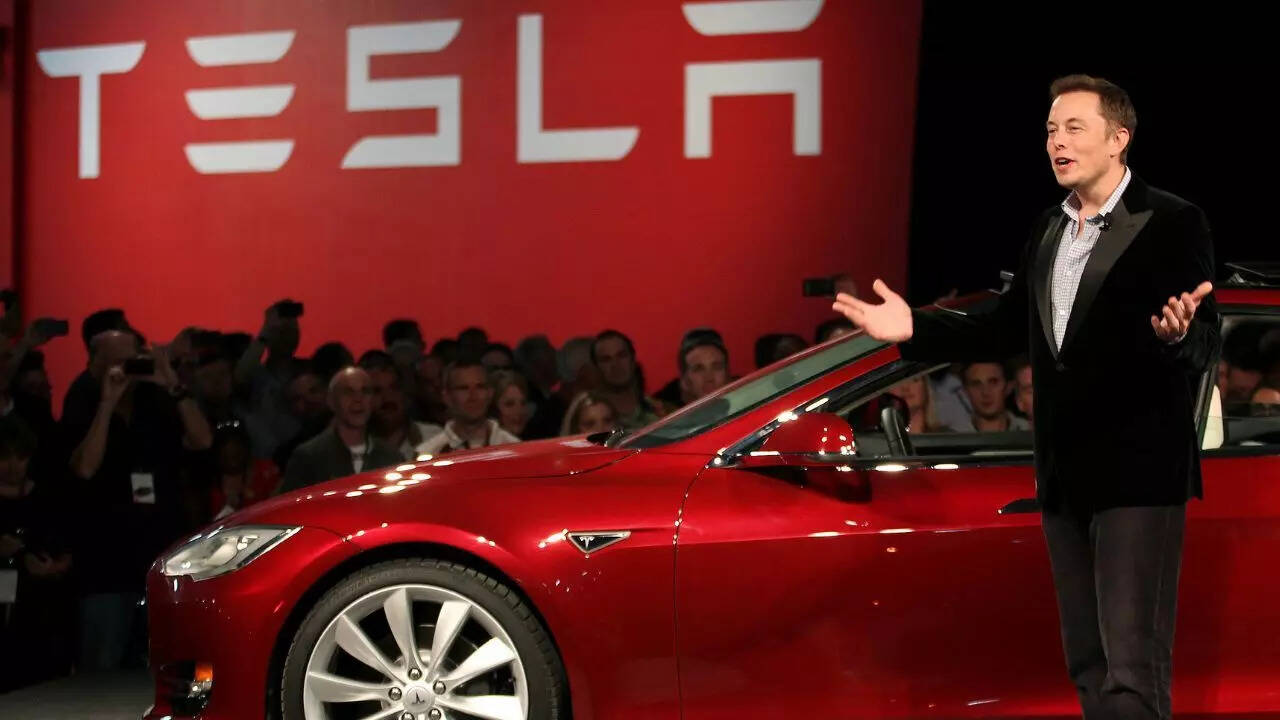
The official history of Tesla recognizes five founders, a list that includes JB Straubel and Ian Wright. Their inclusion is not just a matter of title but a reflection of the human capital they brought to the financial valuation of the startup. In the world of business finance, intellectual property (IP) and technical expertise are often valued as highly as cash.
JB Straubel’s Technical Capital
JB Straubel joined the team shortly after the initial incorporation. In the eyes of investors, Straubel represented the “technical moat” of the company. His work on battery management systems and power electronics became the primary IP that justified Tesla’s high valuation during subsequent funding rounds. From a financial standpoint, Straubel’s presence lowered the perceived risk for Series B and C investors, as he provided the technical roadmap that ensured the capital being raised would result in a viable product.
Ian Wright and the Early Growth Strategy
Ian Wright joined the team early in the Roadster’s development. Although his tenure was shorter than the others, his role was pivotal in the early organizational structure. In a startup, early employees often take on “founder-level” risk, accepting equity in lieu of high salaries. Wright’s contribution highlights the importance of equity distribution in the early stages of a company. By utilizing stock options as a primary compensation tool, the founders were able to preserve cash for hardware development while attracting top-tier engineering talent.
4. The Legal Settlement and the “Five Founder” Definition
The question of “who are the founders” became a matter of legal record in 2009. This was not just a vanity dispute; it was a battle over the brand’s history and its future marketability. The resolution of this conflict is a landmark case in corporate identity and legal finance.
The 2009 Lawsuit and Corporate Identity
Following a period of internal turmoil, Martin Eberhard left the company and eventually filed a lawsuit against Elon Musk for libel and breach of contract, among other claims. The core of the dispute was who deserved the “Founder” title. For a brand, the “founder story” is a financial asset; it drives consumer loyalty and investor confidence. The lawsuit threatened to destabilize the brand’s narrative just as it was seeking more capital.
The Five-Founder Agreement
The lawsuit was settled out of court, and as part of the agreement, five individuals—Eberhard, Tarpenning, Musk, Straubel, and Wright—were all legally allowed to call themselves “founders.” This settlement was a pragmatic financial move. It allowed the company to move past internal litigation and present a united front to the public and the financial markets. It also ensured that the “brand equity” of Tesla was not tied to a single individual’s narrative, even as Musk became the dominant face of the organization.
5. From Startup Capital to Global Trillion-Dollar Asset
The journey from the founders’ initial vision to Tesla’s current market position is a story of masterful financial navigation. The company’s ability to raise capital during the 2008 financial crisis and its subsequent IPO in 2010 are the final chapters in the “founding” of the Tesla we know today.
The 2010 IPO and Investor Liquidity
When Tesla went public in June 2010, it was the first American car company to do so since Ford in 1956. The IPO provided the liquidity necessary for the early founders and investors to see a return on their high-risk bets. More importantly, it opened the gates to institutional capital. The founders had successfully transitioned the company from a private venture-backed startup to a public entity capable of raising billions through secondary offerings. This transition is what allowed Tesla to build the “Gigafactories” that now define its global footprint.
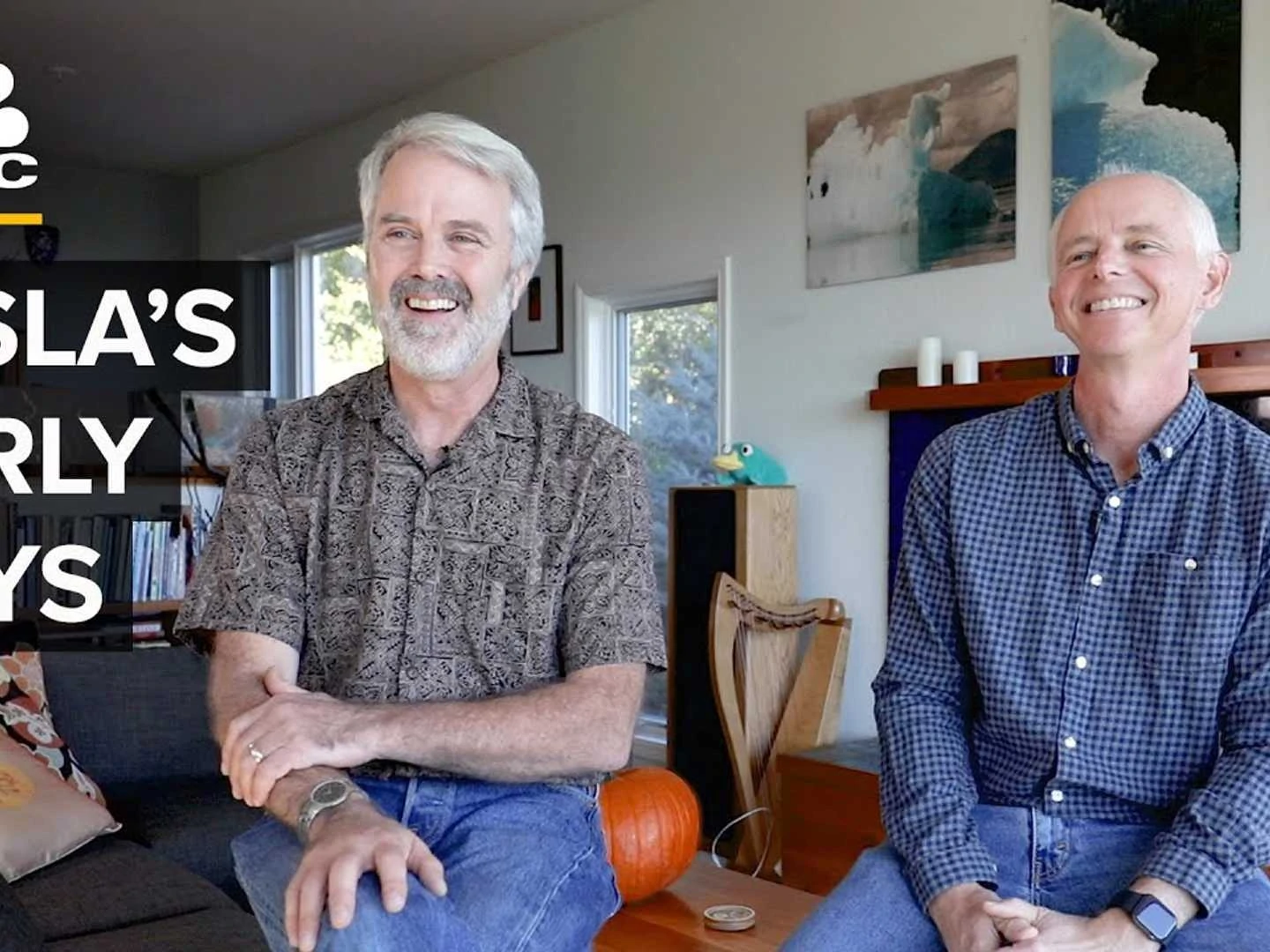
Long-Term Value Creation for Shareholders
Today, the “founding” of Tesla is viewed through the lens of one of the greatest wealth-creation events in history. For the original founders, the financial outcome varied based on their equity retention. For the broader market, Tesla’s rise proved that sustainable tech could be a massive financial engine. The company’s current market capitalization—at times exceeding the combined value of its top ten competitors—is a testament to the aggressive financial strategies and the high-risk, high-reward mindset established by the five founders in the company’s first decade.
In conclusion, the founders of Tesla—Eberhard, Tarpenning, Musk, Straubel, and Wright—did more than just build an electric car. They navigated the complex waters of venture capital, survived legal battles over corporate identity, and managed a series of high-stakes financial pivots. Their collective legacy is a masterclass in how visionary founders must balance technical innovation with sophisticated business finance to change an entire industry.
aViewFromTheCave is a participant in the Amazon Services LLC Associates Program, an affiliate advertising program designed to provide a means for sites to earn advertising fees by advertising and linking to Amazon.com. Amazon, the Amazon logo, AmazonSupply, and the AmazonSupply logo are trademarks of Amazon.com, Inc. or its affiliates. As an Amazon Associate we earn affiliate commissions from qualifying purchases.