
In the rapidly evolving digital era, the difference between success and obsolescence often hinges on two deceptively simple questions: Which and What. For Chief Technology Officers, developers, and digital entrepreneurs, these questions represent the core of strategic decision-making. “Which” software should we integrate? “What” impact will this emerging technology have on our long-term scalability?
The contemporary tech landscape is no longer a simple marketplace of tools; it is a complex ecosystem where every choice has a ripple effect. Choosing a programming language, a cloud provider, or an AI integration strategy is not just a technical task—it is a foundational business decision. This article explores the critical intersections of these choices, providing a framework for navigating the “Which or What” dilemma in the tech world.

The Infrastructure Framework: Which Cloud and What Architecture?
The shift from physical hardware to virtual environments has transformed how businesses operate. However, this transition has introduced a new layer of complexity. Organizations are no longer asking if they should move to the cloud, but rather which provider offers the best ecosystem and what architectural style will support their specific needs.
Navigating the Cloud Giants: AWS vs. Azure vs. Google Cloud
When deciding which cloud provider to partner with, businesses must look beyond mere pricing. Amazon Web Services (AWS) offers the most extensive catalog of services, making it the go-to for startups requiring massive scalability. Microsoft Azure, conversely, is often the logical choice for enterprise-level organizations already entrenched in the Windows ecosystem. Google Cloud Platform (GCP) has carved out a niche in data analytics and machine learning. The choice of “which” depends heavily on existing internal expertise and the specific technological requirements of the project.
The “What” of Architecture: Microservices vs. Monoliths
Once the provider is chosen, the question of “what” architecture to implement takes center stage. For years, the industry trend leaned heavily toward microservices—breaking applications into small, independent units. While this offers incredible flexibility and fault tolerance, it adds significant operational overhead. Some modern tech leaders are advocating for a return to “Modular Monoliths” for smaller teams to reduce complexity. Determining “what” architecture suits your team requires an honest assessment of your DevOps maturity and the expected traffic patterns of your application.
The Hybrid and Multi-Cloud Reality
Increasingly, the answer to “which or what” isn’t a single option but a combination. Multi-cloud strategies allow businesses to avoid vendor lock-in, while hybrid clouds bridge the gap between secure on-premise data and the flexibility of the public cloud. Understanding the trade-offs in latency and data egress fees is vital when designing these complex systems.
The Artificial Intelligence Frontier: Which Model or What Implementation?
Artificial Intelligence has moved from a futuristic concept to a daily operational requirement. However, the hype surrounding AI often obscures the practical questions that leaders must answer.
Large Language Models: Proprietary vs. Open Source
The primary “which” question in AI today concerns the model source. Choosing a proprietary model like OpenAI’s GPT-4 or Anthropic’s Claude offers high performance and ease of use but comes with concerns regarding data privacy and recurring costs. On the other hand, open-source models like Meta’s Llama or Mistral provide greater control and the ability to host locally, which is essential for industries with strict regulatory requirements. Deciding which model to use requires balancing the need for cutting-edge performance against the necessity of data sovereignty.
Defining “What” AI Can Actually Do for Your Product
The more difficult question is often what the AI implementation is meant to achieve. Is it a customer-facing chatbot, an internal data analysis tool, or a generative feature integrated into the core product? Many companies fall into the trap of “AI for AI’s sake,” implementing features that add no real value to the user. A strategic approach involves identifying specific pain points—such as manual data entry or slow response times—and determining “what” specific AI application solves that problem most efficiently.
Ethical AI and Bias Mitigation
As AI becomes more integrated into software, we must ask “what” ethical safeguards are in place. This includes vetting training data for bias and ensuring that AI-driven decisions are transparent and explainable. The tech industry is facing increasing scrutiny over “black box” algorithms; therefore, defining the ethical parameters of your AI strategy is as important as the technology itself.
The Developer’s Dilemma: Which Language or What Framework?
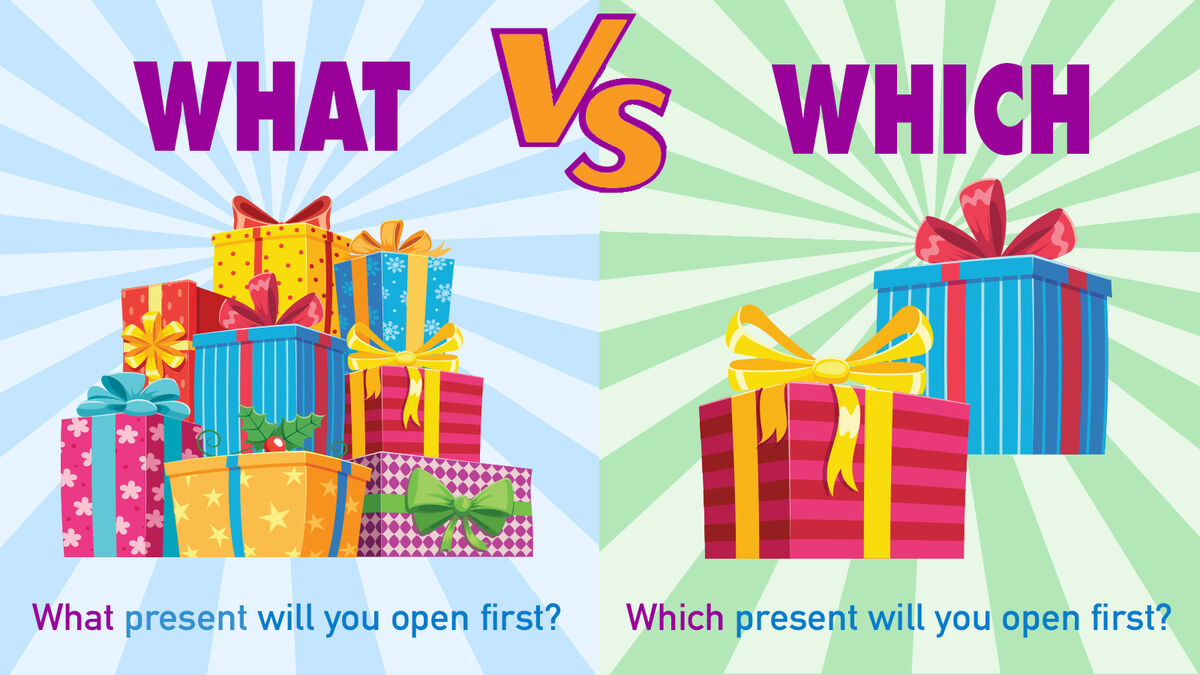
For developers and engineering managers, the choice of tools dictates the speed of development and the long-term maintainability of the code.
The Efficiency of Modern Languages: Python, Rust, and Go
In the debate of which language to adopt, the context is everything. Python remains the king of data science and AI due to its vast library ecosystem. However, for system-level programming where performance and memory safety are paramount, Rust has seen a meteoric rise. Meanwhile, Go (Golang) has become the standard for building scalable microservices and cloud infrastructure. The “which” is determined by the specific performance constraints and the available talent pool in the market.
What Frameworks Bring to the Table
Choosing a language is only half the battle; one must also decide what framework will be used to build the application. In the world of web development, the choice between React, Vue, or Svelte can define the user experience and developer productivity for years. Modern frameworks provide a structured way to handle state management, routing, and UI rendering, but they also introduce dependencies that must be managed. The decision should be based on the project’s scale and the longevity of the framework’s community support.
The Rise of Low-Code and No-Code Solutions
An emerging trend is the question of what can be built without traditional coding. Low-code and no-code platforms allow non-technical stakeholders to build functional tools quickly. While these are not suitable for complex, high-performance applications, they are revolutionizing internal business processes. Understanding “what” to build with code and “what” to build with automation tools is key to optimizing a tech department’s resources.
Cybersecurity: Which Defense Layers or What Risk Tolerance?
In an era of frequent data breaches, security is no longer an afterthought—it is a core component of the “Which or What” technological framework.
Zero Trust Architecture: Which Protocols to Trust?
The traditional “perimeter” model of security is dead. The modern approach is Zero Trust, which operates on the principle of “never trust, always verify.” Deciding which protocols to implement—such as Multi-Factor Authentication (MFA), Identity and Access Management (IAM), and micro-segmentation—is critical. These tools ensure that even if a breach occurs, the damage is contained.
Defining “What” Constitutes a Critical Asset
Effective security starts with identifying what you are trying to protect. Not all data is equal. A company must categorize its information into tiers, determining what is public, what is internal, and what is mission-critical (PII, financial records, intellectual property). By defining “what” the most valuable assets are, tech leaders can allocate their security budget more effectively, focusing the most robust “which” tools on the most sensitive data.
Automating Threat Detection
As cyber-attacks become more sophisticated, manual monitoring is no longer sufficient. The question then becomes what level of automation is required for threat detection? Utilizing AI-driven security tools that can identify anomalies in real-time allows teams to respond to threats before they escalate. However, this also requires a strategy for handling “false positives” and ensuring that automated systems do not disrupt legitimate business operations.
Future-Proofing: Making the Right Call in an Evolving Ecosystem
The final challenge in the “Which or What” paradigm is longevity. Technology moves fast, and today’s cutting-edge solution is tomorrow’s technical debt.
Continuous Integration and Continuous Deployment (CI/CD)
To stay relevant, companies must ask what processes allow for rapid iteration. CI/CD pipelines are the answer. By automating the testing and deployment process, developers can push updates more frequently and with less risk. Deciding which CI/CD tools (like Jenkins, GitHub Actions, or GitLab) to use is less important than committing to the philosophy of continuous improvement.
Technical Debt: What Are You Willing to Pay Later?
Every “which” choice—whether it’s a shortcut in code or a cheap hosting provider—potentially incurs technical debt. Technical debt isn’t inherently bad; sometimes, getting to market quickly is more important than perfect code. However, leaders must be conscious of what debt they are taking on and have a clear plan for when and how it will be repaid.
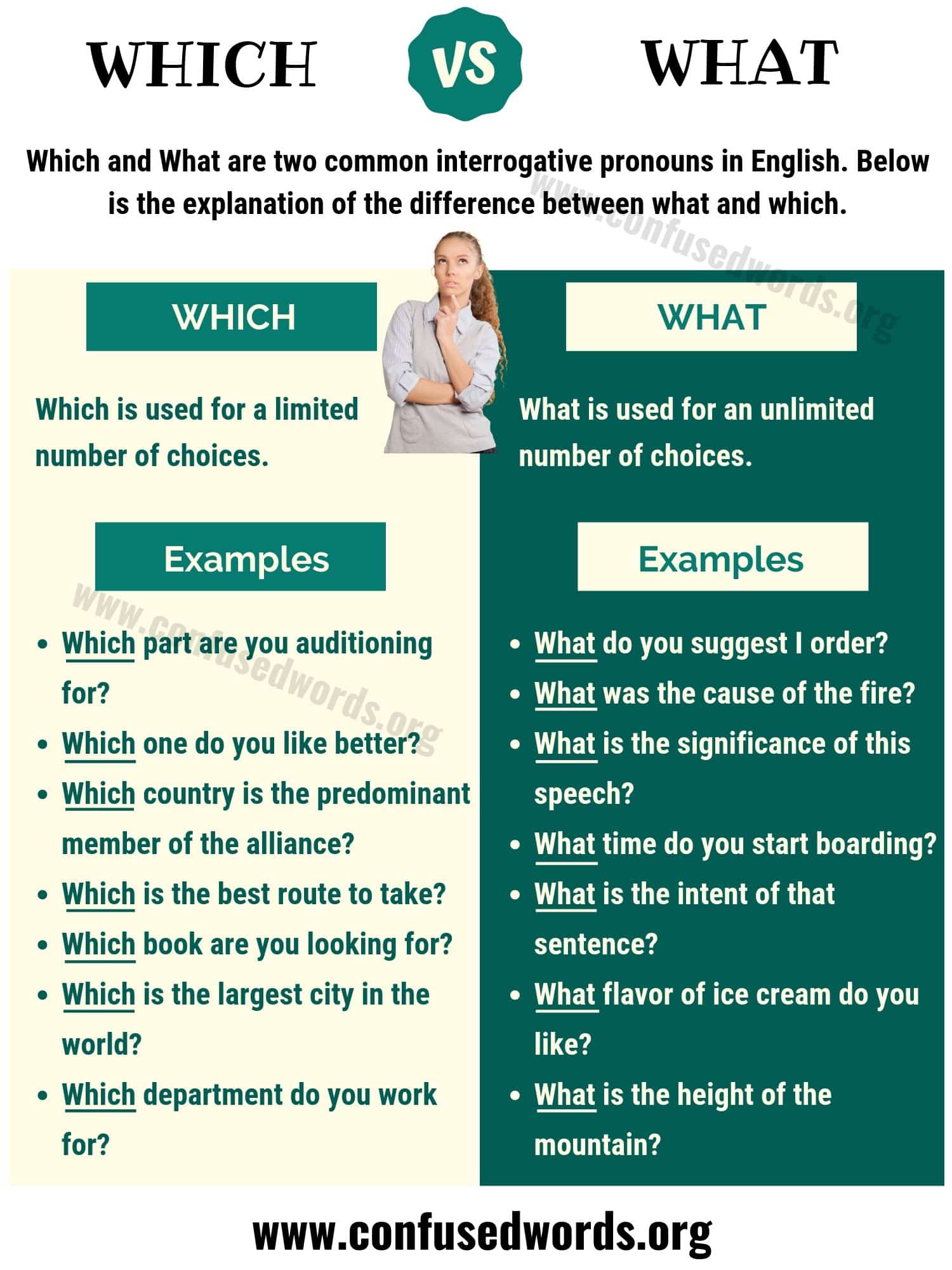
Building a Culture of Technological Agility
Ultimately, the most important “what” in any tech organization isn’t a tool or a piece of software—it’s the culture. A culture of agility allows a team to pivot when a “which” choice turns out to be wrong. By fostering an environment of continuous learning and experimentation, organizations can ensure they are always prepared for the next wave of technological innovation.
In conclusion, the “Which or What” framework is about more than just making choices; it’s about understanding the strategic implications of technology. Whether you are selecting a cloud provider, an AI model, or a security protocol, the key is to align your technical decisions with your broader business goals. By asking the right questions today, you can build a resilient, scalable, and innovative foundation for tomorrow.
aViewFromTheCave is a participant in the Amazon Services LLC Associates Program, an affiliate advertising program designed to provide a means for sites to earn advertising fees by advertising and linking to Amazon.com. Amazon, the Amazon logo, AmazonSupply, and the AmazonSupply logo are trademarks of Amazon.com, Inc. or its affiliates. As an Amazon Associate we earn affiliate commissions from qualifying purchases.