
Despite the rapid ascent of digital payment platforms and cryptocurrency, the traditional paper check remains a fundamental pillar of the global financial system. Whether you are setting up direct deposit for a new job, authorizing an automated clearing house (ACH) payment for your mortgage, or simply paying a vendor who prefers physical documentation, understanding the anatomy of a check is an essential skill in personal finance.
At first glance, the string of stylized numbers at the bottom of a check can appear as a confusing cryptic code. However, these digits follow a strict standardized format designed for high-speed processing by financial institutions. Identifying which of these sequences represents your specific account number is not only vital for completing transactions but is also a key component of protecting your financial identity.
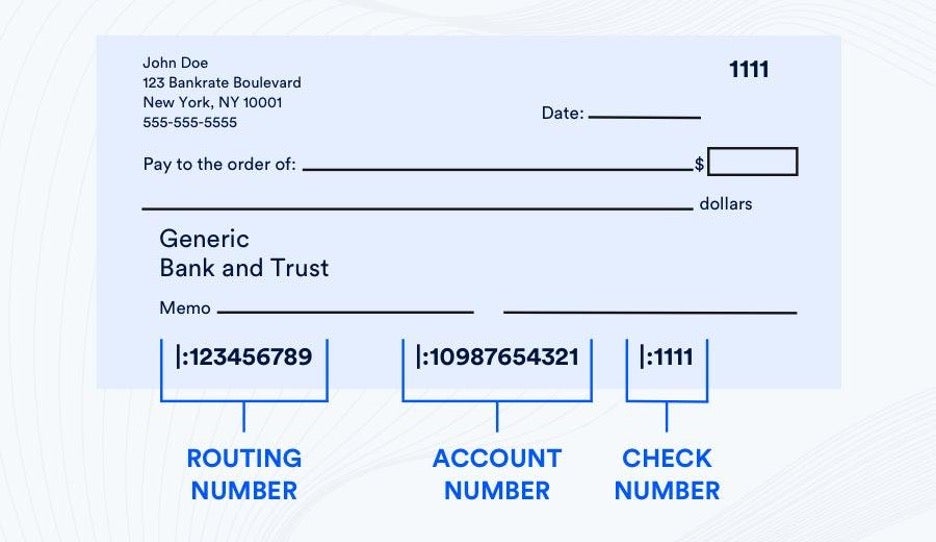
Anatomy of a Check: Decoding the MICR Line
The series of numbers printed at the bottom of every check is known as the MICR line, which stands for Magnetic Ink Character Recognition. This technology allows banks to use specialized machines to read the information even if there are stamps or signatures covering parts of it. The MICR line typically consists of three distinct sets of numbers: the routing transit number, the account number, and the check number.
The Routing Transit Number (The First Set)
The first sequence of numbers you will encounter, reading from left to right, is the routing transit number (RTN). This is a nine-digit code that acts as an “address” for your financial institution. Every bank and credit union in the United States has a unique routing number assigned to it by the American Bankers Association (ABA).
The routing number tells the Federal Reserve and other banks exactly where to send the money. In the first nine digits, the first two represent the Federal Reserve district where the bank is located, while the remaining digits identify the specific institution. If you are looking for your account number, you can safely skip these first nine digits, as they are common to every customer at your specific bank.
The Account Number (The Middle Set)
In most standard layouts, your personal account number is the second set of digits found in the MICR line. This is the sequence that uniquely identifies your specific checking account within your bank’s internal database. While the routing number identifies the “building” (the bank), the account number identifies the “room” (your money).
The length of an account number can vary significantly depending on the bank’s internal systems, typically ranging from eight to twelve digits. It is often separated from the routing number and the check number by special characters or “symbols” that help the bank’s scanners distinguish where one sequence ends and the next begins. Specifically, the account number is often followed by a symbol that looks like a vertical bar and a colon (the “on-us” symbol).
The Check Number (The Final Set)
The third and usually shortest set of numbers at the bottom is the check number. To verify that you are looking at the right set, simply look at the top-right corner of your check. You will see a sequential number there (e.g., 101, 102, 103). This same number is repeated at the very end of the MICR line.
Its purpose is largely for record-keeping and fraud prevention. It allows you to track which checks have cleared and enables the bank to ensure that a single check isn’t being processed twice. When setting up an electronic payment or direct deposit, you should never use the check number; doing so will result in a failed transaction because that number changes with every single piece of paper in your checkbook.
Why Distinguishing These Numbers Matters for Personal Finance
Accuracy in identifying your account number is more than just a clerical necessity; it is a safeguard for your liquidity and financial reputation. In the world of business finance and personal wealth management, the margin for error is slim.
Setting Up Direct Deposits and Automatic Payments
The most common scenario where you will need to identify your account number is when filling out a direct deposit form for an employer or setting up an ACH transfer for recurring bills. Most forms will ask for both the routing number and the account number.
If you accidentally provide the routing number twice, or if you include the check number as part of your account number, the transaction will be rejected. For employees, this could mean a delay in receiving a paycheck. For bill payments, a rejected ACH can lead to late fees, service interruptions, and a negative impact on your credit score. Understanding that the account number is the unique identifier for your funds ensures that these automated processes function seamlessly.
Enhancing Security and Fraud Prevention
Knowing exactly where your account number is located also helps you monitor your financial security. When you review your digital bank statements or look at “canceled” checks in your online banking portal, you should be able to verify that the account numbers match your records.

Fraudsters often use “check washing” techniques or create counterfeit checks using stolen account and routing numbers. By understanding the MICR line, you can more easily spot discrepancies in unauthorized transactions. Furthermore, when providing your information over the phone or via a secure web portal, being able to confidently distinguish the account number from the routing number reduces the risk of sensitive data being entered into the wrong fields, which could potentially expose your information to unauthorized entities.
Business Finance and Large Transactions
For small business owners or individuals managing significant investments, the use of checks for high-value transactions remains common. In these instances, the account number is the lifeblood of the transaction. For example, when initiating a wire transfer for a real estate closing, the difference between a successful close and a legal nightmare often comes down to the accuracy of the account number. Professionalism in finance requires a mastery of these basic tools; misidentifying an account number in a professional setting can signal a lack of financial literacy and attention to detail.
Variations in Check Layouts and Digital Equivalents
While the standard “Routing – Account – Check Number” order is the most common for personal checks, it is important to recognize that variations exist, particularly in the realm of business finance.
Personal vs. Business Check Differences
Business checks are often larger and may contain more complex MICR lines. In some cases, particularly with “voucher” checks used by payroll departments, the check number may actually appear before the routing number or the account number in the bottom string.
To navigate this, the most reliable strategy is to look for the symbols. The routing number is almost always enclosed by two “transit” symbols (a dash-like character over two dots). The account number is usually followed by the “on-us” symbol. If you are ever in doubt, the safest course of action is to compare the bottom numbers with the sequence printed on your monthly bank statement or within your mobile banking app.
The Role of Mobile Deposits
In the modern era, you may rarely find yourself writing a physical check, but you will likely receive them. Mobile deposit technology uses the camera on your smartphone to capture the MICR line. If the image is blurry, the app may ask you to manually enter the account number.
Understanding how to read the check ensures that you can correct any OCR (Optical Character Recognition) errors made by the software. This prevents “deposit “adjustments” later on, where a bank might have to reverse a deposit because the automated system misread a digit in the account number, potentially leading to overdrafts if you have already spent the funds.
Best Practices for Managing Your Banking Information
Your account number is a “key” to your financial vault. Managing it requires a blend of traditional caution and modern digital hygiene.
Secure Storage and Disposal
Because a check contains your name, address, routing number, and account number, it is a goldmine for identity thieves. You should never leave your checkbook in an unsecured location, such as a car or an unlocked drawer at work.
When you close a bank account or if you have old, unused checks from a previous address, do not simply throw them in the trash. Use a cross-cut shredder to destroy them. An intact check found in the garbage provides everything a criminal needs to initiate unauthorized electronic transfers from your account.
Digital Tracking and Reconciliation
While the physical check provides the numbers, your digital banking portal is where you monitor their use. It is a best practice to reconcile your check register (whether physical or digital) at least once a month. Match the check numbers and the amounts against your bank statement.
If you see a gap in your sequential check numbers that you cannot account for, it may indicate that a check has been lost or stolen. Promptly notifying your bank allows them to place a “stop payment” on those specific check numbers, protecting your account number from being exploited.

The Evolution of the “Account Number” Concept
As we move toward a more “account-to-account” (A2A) payment ecosystem, the concept of the account number is evolving. Many fintech apps now use “virtual” account numbers or tokens to mask your real banking details. While these add a layer of security, the underlying principle remains the same: you must know your core account number to link these services. Whether you are using a legacy paper check or a cutting-edge payment app, the account number remains the foundational identifier of your personal economy.
In conclusion, the account number is the middle sequence of digits on the bottom of your check, framed by the routing number and the check number. Mastering this simple piece of financial anatomy empowers you to manage your money with greater precision, navigate the requirements of modern employers and service providers, and maintain a robust defense against financial fraud. In the journey toward financial independence and literacy, knowing exactly where your money is—and how it is identified—is the first and most vital step.
aViewFromTheCave is a participant in the Amazon Services LLC Associates Program, an affiliate advertising program designed to provide a means for sites to earn advertising fees by advertising and linking to Amazon.com. Amazon, the Amazon logo, AmazonSupply, and the AmazonSupply logo are trademarks of Amazon.com, Inc. or its affiliates. As an Amazon Associate we earn affiliate commissions from qualifying purchases.