
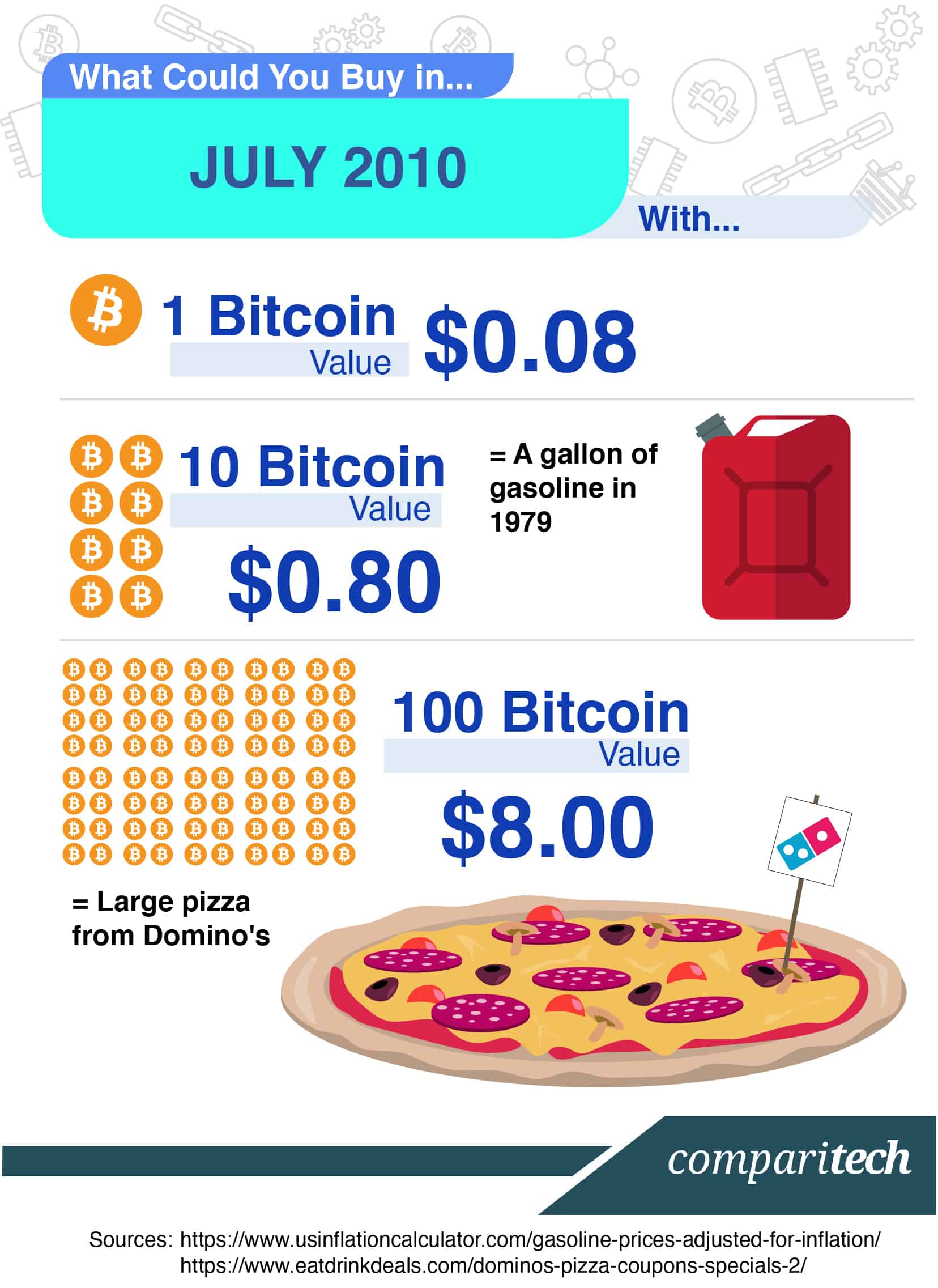
The question “what is the value of 1 Bitcoin?” is far more complex than a simple glance at a ticker symbol. While its price in fiat currency fluctuates wildly from second to second, Bitcoin’s true “value” encompasses a multifaceted blend of economic principles, technological innovation, market dynamics, and societal perception. It’s a digital asset that has transcended its origins as a niche technological experiment to become a global financial phenomenon, challenging traditional notions of money, investing, and economic sovereignty. To truly understand its value, one must delve beyond the daily price movements and explore its intrinsic qualities, the forces that shape its market, and its evolving role in the global financial landscape.
Understanding Bitcoin’s Intrinsic and Market Value
Bitcoin’s value proposition isn’t singular; it exists on multiple layers, each contributing to its overall standing in the financial world.
The Dual Nature of Value: Utility vs. Price
At its core, Bitcoin holds value through both its utility and its market price. Its utility stems from its fundamental design as a decentralized, peer-to-peer electronic cash system. It offers censorship resistance, immutability, global transferability without intermediaries, and a fixed supply cap, making it a unique digital commodity. This utility provides a foundational layer of value, similar to how gold’s utility in electronics or jewelry contributes to its worth beyond mere speculation.
The market price, however, is the more commonly cited metric, representing the consensus valuation of Bitcoin by buyers and sellers on exchanges. This price is a function of supply and demand, reflecting collective investor sentiment, macroeconomic conditions, and regulatory news. It’s crucial to distinguish between these two: while utility provides a floor and rationale for existence, the market price is a dynamic reflection of current perceptions and expectations.
Scarcity and Demand: The Core Drivers
One of Bitcoin’s most compelling value propositions is its absolute scarcity. Capped at 21 million coins, a limit hard-coded into its protocol, Bitcoin offers a stark contrast to fiat currencies, which can be printed indefinitely by central banks. This finite supply, combined with increasing global demand, creates a powerful economic dynamic. As more individuals, institutions, and even nations recognize Bitcoin’s potential as a store of value, a medium of exchange, or an inflation hedge, the demand relative to its fixed supply naturally exerts upward pressure on its price. This principle mirrors that of precious metals like gold, where rarity is a key determinant of value.
Technological Underpinnings as a Value Foundation
Beyond mere scarcity, Bitcoin’s value is deeply rooted in its revolutionary technology: the blockchain. This distributed ledger technology ensures transparency, security, and immutability of transactions. The network’s resilience, maintained by thousands of independent nodes and secured by computationally intensive mining, inspires confidence. The absence of a central authority means no single entity can manipulate the supply or censor transactions, fostering a trustless environment. The continuous development and enhancement of its underlying protocol, including advancements like the Lightning Network for faster and cheaper transactions, further bolster its utility and long-term viability, thereby contributing to its perceived value.
Factors Influencing Bitcoin’s Market Price
Bitcoin’s market price is famously volatile, swinging dramatically based on a confluence of global factors. Understanding these drivers is key to appreciating its dynamic value.
Supply and Demand Dynamics
The most immediate determinant of Bitcoin’s price is the classic economic principle of supply and demand. Supply is largely predictable, dictated by the halving events that reduce the reward for mining new blocks approximately every four years, thereby slowing the rate of new Bitcoin entering circulation. Demand, however, is highly variable. Increased retail interest, institutional investment inflows (e.g., via Bitcoin ETFs), widespread media coverage, or integration into new payment systems can dramatically spike demand. Conversely, large sell-offs by whales (large holders), or a general risk-off sentiment in global markets can depress demand and price.
Macroeconomic Conditions and Global Events
Bitcoin often behaves as a risk-on asset, meaning its price can correlate with broader market sentiment and global economic health. During periods of high inflation or economic instability in traditional markets, some investors turn to Bitcoin as a potential hedge, seeing it as “digital gold.” Geopolitical tensions, central bank monetary policies (interest rate hikes, quantitative easing), and even the performance of major stock indices can influence investor appetite for speculative assets like Bitcoin. For instance, a weakening dollar might make Bitcoin more attractive, while a strengthening dollar might have the opposite effect.
Regulatory Landscape and Institutional Adoption
The regulatory environment plays a pivotal role in shaping Bitcoin’s value. Positive regulatory clarity, such as the approval of spot Bitcoin ETFs in major financial markets, can legitimize the asset, open doors for institutional investment, and significantly increase its accessibility and demand. Conversely, restrictive regulations, bans, or uncertainty in key jurisdictions can trigger sell-offs and temper investor enthusiasm. The growing adoption by major financial institutions, corporations adding Bitcoin to their balance sheets, and countries recognizing it as legal tender further solidify its position and contribute to its perceived long-term value.
Technological Developments and Network Upgrades
While Bitcoin’s core protocol is stable, ongoing development of scaling solutions (like the Lightning Network) and other enhancements can impact its utility and, by extension, its value. Improvements that make Bitcoin faster, cheaper, or more private for transactions increase its practical use cases. Conversely, security vulnerabilities, network congestion issues, or significant disagreements within the developer community could undermine confidence and negatively affect its price.
Market Sentiment, Media, and Speculation
Bitcoin’s market is highly susceptible to sentiment. Positive news stories, celebrity endorsements, or viral social media trends can create significant FOMO (Fear Of Missing Out) and drive speculative buying. Conversely, negative headlines, fear of government crackdowns, or even a cascade of liquidations in the derivatives market can trigger widespread panic selling. The 24/7 nature of crypto markets, combined with the accessibility of information and misinformation, means sentiment can shift rapidly, leading to exaggerated price movements.
Bitcoin as an Investment Asset
For many, Bitcoin’s primary value is as an investment asset, offering unique opportunities alongside considerable risks.
Volatility and Risk Considerations
Bitcoin’s hallmark is its extreme price volatility. Double-digit percentage swings in a single day are not uncommon, presenting both immense opportunities for profit and significant potential for loss. This volatility stems from its relatively smaller market capitalization compared to traditional asset classes, its speculative nature, and the rapidly evolving regulatory and adoption landscape. Investors must be acutely aware of this risk and only allocate capital they can afford to lose. Understanding one’s risk tolerance is paramount when considering Bitcoin as part of an investment portfolio.
Diversification and Portfolio Allocation
Despite its volatility, many financial advisors now consider a small allocation to Bitcoin as a legitimate strategy for portfolio diversification. Its low correlation with traditional assets like stocks and bonds, particularly during certain market cycles, can potentially enhance overall portfolio returns and reduce risk when managed appropriately. However, due to its high risk profile, such allocations are typically kept small, often in the low single-digit percentages of a total portfolio. The aim is to capture potential upside while minimizing the impact of significant drawdowns.
Long-Term vs. Short-Term Investment Horizons
Bitcoin appeals to both long-term “HODLers” (a meme term for holding Bitcoin through market volatility) and short-term traders. Long-term investors are often swayed by Bitcoin’s fundamental properties: its scarcity, decentralization, and potential as a future global reserve asset or digital store of value. They tend to ride out market cycles, focusing on the asset’s multi-year growth trajectory. Short-term traders, conversely, seek to profit from Bitcoin’s intraday or intra-week price swings, employing technical analysis and quick reactions to market news. Both approaches require different strategies, risk management, and psychological resilience.
Custody and Security of Bitcoin Holdings
Unlike traditional assets held by banks or brokers, Bitcoin investors often have direct control over their holdings. This self-custody offers greater sovereignty but also places the burden of security squarely on the investor. The value of Bitcoin held in a digital wallet is only as secure as the wallet’s private keys. Understanding different storage options—hot wallets (online), cold wallets (offline hardware devices), and institutional custodians—and implementing robust security practices (multi-factor authentication, strong passwords, seed phrase backups) is crucial to preserving the value of one’s investment. Losing access to private keys or falling victim to hacks can result in irreversible loss of funds.
Practical Applications and Future Value Propositions
Bitcoin’s value isn’t just speculative; it’s increasingly rooted in its real-world utility and its potential to reshape financial systems.
Global Payments and Remittances
Bitcoin’s original vision was as “peer-to-peer electronic cash.” While challenges remain regarding scalability for micro-transactions on the base layer, second-layer solutions like the Lightning Network are making fast, low-cost international payments and remittances increasingly viable. For individuals in countries with unstable currencies or limited access to traditional banking, Bitcoin offers a censorship-resistant and accessible alternative for sending and receiving money across borders, often at a fraction of the cost and speed of legacy systems. This utility provides a tangible, foundational value.
Store of Value and Inflation Hedge
A significant and growing narrative for Bitcoin is its role as a “store of value,” akin to digital gold. In an era of increasing global debt, quantitative easing, and concerns about fiat currency debasement, Bitcoin’s fixed supply and decentralized nature position it as a potential hedge against inflation and economic uncertainty. Wealthy individuals, corporations, and even some sovereign wealth funds are exploring Bitcoin as a means to preserve purchasing power over the long term, adding a crucial layer to its fundamental value.
Financial Inclusion and Decentralized Finance (DeFi)
Bitcoin offers a pathway to financial inclusion for billions worldwide who are unbanked or underbanked. With just a smartphone and internet access, individuals can send, receive, and store value without needing a traditional bank account or government ID. Furthermore, Bitcoin is a cornerstone of the broader decentralized finance (DeFi) ecosystem, acting as collateral for loans, a base layer for other cryptocurrencies, and an asset transferable across various blockchain platforms, thereby expanding its utility and interconnectedness within the digital economy.
Emerging Use Cases and Ecosystem Growth
The Bitcoin ecosystem is continuously evolving. Beyond payments and store of value, new applications are emerging, such as Ordinals, which allow for NFTs and other data to be inscribed directly onto the Bitcoin blockchain, expanding its use cases. The growth of sidechains and layer-2 solutions further enhances its capabilities. As more developers build on or integrate with Bitcoin, its network effects strengthen, and its utility expands, driving further demand and potentially increasing its long-term value.
Navigating the Bitcoin Market: A Prudent Approach
Understanding Bitcoin’s value is a continuous process that requires a disciplined and informed approach, particularly given its dynamic nature.
Education and Due Diligence
The most critical step for anyone interested in Bitcoin’s value is comprehensive education. This means understanding its underlying technology (blockchain, cryptography), its economic principles (scarcity, supply mechanics), its historical performance, and the various risks involved. Relying solely on headlines or social media hype is a recipe for poor investment decisions. Thorough due diligence, including researching various exchanges, wallets, and regulatory frameworks, is essential for safe participation.
Risk Management Strategies
Given Bitcoin’s volatility, effective risk management is paramount. This includes determining an appropriate allocation size based on individual risk tolerance, employing dollar-cost averaging (investing a fixed amount regularly regardless of price) to mitigate the impact of price swings, and never investing more than one can afford to lose. Setting clear profit targets and stop-loss levels, if trading, is also crucial. Diversifying one’s investment portfolio beyond just Bitcoin is a fundamental principle of sound financial planning.

Staying Informed in a Dynamic Landscape
The world of Bitcoin and cryptocurrency is fast-paced and constantly evolving. Regulatory changes, technological breakthroughs, macroeconomic shifts, and market sentiment can all impact Bitcoin’s value rapidly. Staying informed through reputable news sources, academic research, and official project updates is vital for making timely and informed decisions. Continuous learning is not just recommended; it’s a necessity for navigating the complexities of this innovative asset class.
In conclusion, the “value of 1 Bitcoin” is a dynamic mosaic, painted by its foundational technology, immutable scarcity, global demand, and ever-evolving utility. It serves as a speculative investment, a technological marvel, a potential inflation hedge, and a tool for financial empowerment. While its price will continue to fluctuate, its inherent value proposition as a decentralized, digital, and finite asset continues to solidify its place as one of the most transformative financial innovations of our era. Understanding its true worth requires looking beyond the daily price tag and appreciating the intricate interplay of forces that define its present and shape its future.
aViewFromTheCave is a participant in the Amazon Services LLC Associates Program, an affiliate advertising program designed to provide a means for sites to earn advertising fees by advertising and linking to Amazon.com. Amazon, the Amazon logo, AmazonSupply, and the AmazonSupply logo are trademarks of Amazon.com, Inc. or its affiliates. As an Amazon Associate we earn affiliate commissions from qualifying purchases.