
In the global travel industry, few sectors rely as heavily on psychological positioning and emotional resonance as the cruise industry. When a consumer asks, “Which is the best cruise line?” they are rarely asking about the technical specifications of a ship’s hull or the fuel efficiency of its engines. Instead, they are inquiring about a brand promise. They are asking which corporate identity aligns most closely with their personal values, social aspirations, and desired lifestyle.
From a brand strategy perspective, the “best” cruise line is not a static title held by a single entity; it is a moving target defined by how effectively a company carves out a niche in a crowded marketplace. To understand which cruise line leads the pack, we must analyze the strategic frameworks of market positioning, customer experience design, and the evolving demands of corporate identity in the 21st century.
Decoding the Power of Market Positioning
The cruise industry is a masterclass in market segmentation. Brand strategy within this sector dictates that you cannot be everything to everyone. To be the “best,” a cruise line must define its “who” with surgical precision.
Mass Market vs. Ultra-Luxury Branding
The giants of the industry, such as Carnival Cruise Line and Royal Caribbean International, have perfected the art of mass-market branding. Carnival’s “Choose Fun” campaign is a brilliant example of a brand identifying its core pillar—unpretentious, high-energy enjoyment—and sticking to it. Their branding is colorful, loud, and accessible, successfully positioning them as the “Value King.”
Conversely, brands like Ritz-Carlton Yacht Collection or Silversea operate on an entirely different brand architecture. Their strategy is built on exclusivity, silence, and hyper-personalization. For these lines, being the “best” means maintaining a high barrier to entry. Their marketing materials avoid the “big ship” tropes, instead focusing on “curated journeys.” The brand strategy here is to distance the product from the concept of a “cruise” and move it toward the concept of a “private yacht experience.”
The Disney Effect: Leveraging Intellectual Property
Disney Cruise Line represents perhaps the most potent brand strategy in the maritime world. They do not compete on price or itinerary alone; they compete on the strength of an existing emotional ecosystem. By integrating multi-generational storytelling and world-class intellectual property (IP) into the voyage, Disney creates a brand moat that is virtually impenetrable. For families, Disney is often cited as the “best” because the brand has already established decades of trust before the passenger even steps onto the gangway. This is the power of brand extension—leveraging a core identity to dominate a secondary vertical.
Customer Experience as the Ultimate Brand Promise
In the modern experience economy, a brand is no longer just what it says in an advertisement; it is the sum of every touchpoint a customer encounters. For cruise lines, the ship is a floating manifestation of the brand’s soul.
Technology as a Brand Differentiator
Innovation has become a core component of brand strategy for lines like Princess Cruises and Royal Caribbean. Princess Cruises’ “MedallionClass” is a prime example of using technology to enhance a brand’s value proposition. By using a wearable device that streamlines everything from boarding to ordering a drink, the brand positions itself as “effortless” and “intuitive.”
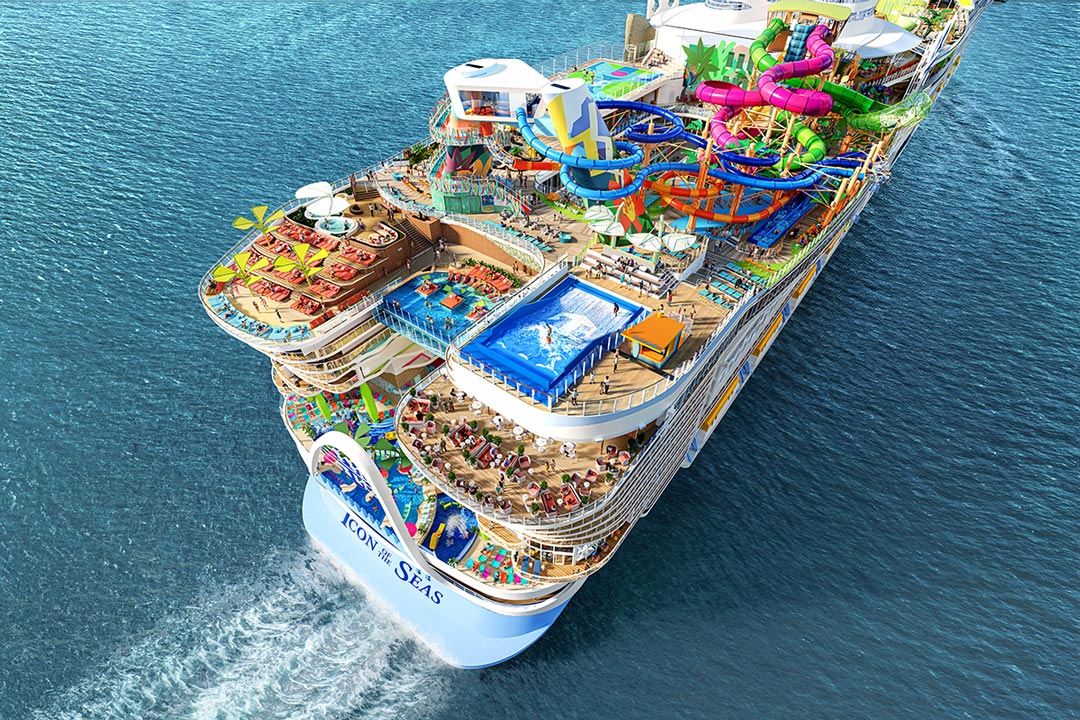
Royal Caribbean, on the other hand, uses technology to reinforce its brand as the “Architect of Thrills.” With robotic bartenders, simulated skydiving, and record-breaking water slides, their brand strategy is focused on the “wow factor.” In this context, the “best” line is the one that successfully uses tech to remove friction (in the case of Princess) or amplify excitement (in the case of Royal).
Personalization and the Loyalty Loop
The most successful cruise brands understand that the cost of acquiring a new customer is significantly higher than retaining an existing one. This has led to the development of sophisticated loyalty programs that are central to their brand identity. Celebrity Cruises, for instance, has positioned itself in the “Modern Luxury” niche. Their brand strategy focuses on sophisticated design and culinary excellence, targeting the “affluent explorer.”
By personalizing the guest experience through data-driven insights, these brands create a “loyalty loop.” When a guest feels that a brand “knows” them—remembering their favorite wine or their preferred pillow type—the brand moves from being a service provider to a trusted companion. This emotional bond is what ultimately determines brand supremacy in the eyes of the consumer.
Sustainability and Corporate Identity: The Modern Brand Frontier
In the current climate, a brand’s “best” status is increasingly tied to its Environmental, Social, and Governance (ESG) performance. Consumers, particularly Gen Z and Millennials, are scrutinizing the corporate ethics of the companies they support.
Environmental Stewardship as a Competitive Advantage
Cruise lines are facing unprecedented pressure to decarbonize. Brands that proactively lead the transition to Liquefied Natural Gas (LNG), fuel cell technology, and shore power are gaining a significant branding advantage. Hurtigruten and Havila Voyages have built their entire brand identities around “Green Cruising.” By positioning themselves as the ethical choice for eco-conscious travelers, they have carved out a lucrative niche that allows them to command premium pricing. For these passengers, the “best” cruise line is the one that allows them to travel without the burden of “fly-shame” or “cruise-shame.”
Crisis Management and Brand Resilience
The cruise industry has faced significant reputational challenges, most notably during the global events of 2020. How a brand responds to crisis is a definitive moment in its strategy. The lines that prioritized transparent communication and generous refund policies emerged with their brand equity intact. Brands like Viking Cruises, which was the first to proactively suspend operations and implement rigorous health protocols, reinforced their image as a responsible, guest-first organization. Brand resilience is built in the valleys, not just the peaks, and the “best” lines are those that maintain their integrity when things go wrong.
Strategic Marketing: From Traditional Adverts to Influencer Synergy
The way cruise lines communicate their brand has shifted from glossy magazine spreads to immersive digital storytelling. The best cruise lines today are those that master the art of “Show, Don’t Tell.”
Targeting Gen Z and Millennials
Virgin Voyages entered the market with a disruptive brand strategy aimed squarely at those who previously claimed they would “never cruise.” By removing buffets, making the ships “Adults Only,” and focusing on a “High-Street” aesthetic, Richard Branson’s team reinvented the cruise brand for a younger demographic. Their marketing relies heavily on social media aesthetics and influencer partnerships, creating a “cool” factor that traditional lines struggle to replicate. In this niche, Virgin is the “best” because it challenged the status quo and redefined the category.
The Role of Multi-Sensory Branding on Board
A brand is also experienced through the senses. Holland America Line has strategically leaned into its “Music Walk” partnerships, featuring brands like Billboard and Lincoln Center. By associating their brand with established musical institutions, they attract a demographic that values culture and heritage.
Similarly, the scent profiles in the lobby, the texture of the linens, and the signature chime of the elevators are all calculated branding decisions. When these elements are cohesive, they create a “Brand World” that guests never want to leave. The cruise line that creates the most seamless and evocative world is often the one that wins the title of “the best” in the minds of its target audience.

Conclusion: The Subjective Excellence of Branding
Determining “which is the best cruise line” is ultimately an exercise in identifying which brand strategy most effectively satisfies a specific consumer need.
For the thrill-seeker, the best is Royal Caribbean, for its relentless pursuit of innovation and “firsts” at sea. For the family seeking magic, it is Disney, for its unparalleled ability to weave storytelling into every deck. For the conscious traveler, it is Hurtigruten, for its commitment to the planet. And for the sophisticated traveler seeking a “New Luxury” experience, it is Celebrity Cruises or Virgin Voyages.
The cruise industry proves that in the world of high-stakes business, your brand is your most valuable asset. It is the filter through which all decisions are made and the lens through which every sunset at sea is viewed. The “best” cruise line isn’t just a fleet of ships; it is a powerful, living brand that delivers on its promise, voyage after voyage.
aViewFromTheCave is a participant in the Amazon Services LLC Associates Program, an affiliate advertising program designed to provide a means for sites to earn advertising fees by advertising and linking to Amazon.com. Amazon, the Amazon logo, AmazonSupply, and the AmazonSupply logo are trademarks of Amazon.com, Inc. or its affiliates. As an Amazon Associate we earn affiliate commissions from qualifying purchases.