
Choosing an insurance company is a pivotal financial decision that extends far beyond simply selecting the lowest premium. It’s about securing your financial future, protecting assets, managing risk, and ensuring peace of mind against unforeseen circumstances. In the complex landscape of personal and business finance, identifying the “better” insurance company isn’t about finding a universally superior provider, but rather discovering the one that best aligns with your specific needs, financial goals, and risk tolerance. This comprehensive guide delves into the financial considerations and analytical frameworks necessary to make an informed choice that truly serves your financial interests.

Understanding Your Unique Needs Before You Compare
Before even looking at specific companies, the foundational step in identifying the “better” insurer is a thorough self-assessment of your own financial situation and risk profile. Without this clarity, any comparison remains superficial and potentially misleading, leading to either inadequate coverage or unnecessary expenses.
Personal vs. Business Insurance Needs
The distinction between personal and business insurance is critical. For individuals, personal finance considerations might include safeguarding a home, vehicle, health, or life. This involves assessing the value of personal assets, potential medical costs, income replacement needs, and liability risks. For businesses, the scope expands to property insurance, general liability, professional liability, workers’ compensation, and potentially more specialized coverages tailored to industry-specific risks. Each type of insurance addresses distinct financial exposures, and a company excelling in one area might not be the strongest in another. A robust financial strategy requires understanding which type of protection is paramount for your context.
Risk Assessment and Coverage Priorities
A deep dive into your personal or business risk exposure is non-negotiable. What are the most significant financial threats you face? Are you in a flood zone, making robust home insurance critical? Do you drive frequently, necessitating comprehensive auto coverage? For a business, are you handling sensitive client data, making cyber insurance a priority? Or do you have physical assets that require extensive property coverage? Prioritizing coverage means understanding the potential financial impact of various events. Skimping on high-priority coverage to save a few dollars can lead to catastrophic financial losses in the event of a claim, completely undermining the purpose of insurance as a financial safety net. Conversely, over-insuring for low-probability, low-impact risks can drain financial resources unnecessarily.
Budgetary Considerations and Financial Goals
Your budget undeniably plays a significant role in your insurance decisions, but it should not be the sole determinant. While finding an affordable premium is important, it must be balanced against adequate coverage. A policy that is cheap but insufficient is a false economy. Consider your long-term financial goals: are you saving for retirement, a down payment, or expanding your business? How does insurance fit into this broader financial plan? Can you afford higher deductibles to lower premiums, or does your emergency fund necessitate lower deductibles for immediate financial protection? A “better” insurance company will offer options that fit within your financial constraints while still providing substantial protection, often through various deductible choices, payment plans, and bundling discounts. The goal is to optimize your financial outlay for maximum protective value.
Key Metrics for Evaluating Insurance Providers
Once you understand your needs, the next step is to evaluate potential insurers using a set of objective financial and operational metrics. These indicators provide insight into a company’s ability to fulfill its promises, particularly during a claim, which is the ultimate test of an insurance policy’s value.
Financial Strength and Stability
The ability of an insurance company to pay out claims is paramount. A financially robust insurer provides confidence that your policy will hold its value when you need it most. Independent rating agencies such as A.M. Best, Moody’s, Standard & Poor’s, and Fitch provide ratings that reflect an insurer’s financial stability and claims-paying ability. These ratings range from superior (e.g., A++, AAA) to vulnerable. Choosing a company with a strong financial rating is a crucial step in safeguarding your financial interests, especially for long-term policies like life insurance or large commercial coverages where a company’s solvency over decades is important. A company might offer attractive rates, but if it lacks the financial backing to honor its commitments, the policy is essentially worthless.
Customer Service and Claims Handling Efficiency
The true measure of an insurance company often comes to light during the claims process. How easy is it to file a claim? How responsive and empathetic are their customer service representatives? What is the average time taken to process and pay out claims? These operational aspects directly impact your financial experience when you are most vulnerable. Delays, bureaucratic hurdles, or poor communication during a claim can exacerbate an already stressful situation and lead to significant financial inconvenience. Look for companies with transparent claims procedures, multiple contact channels (phone, online, app), and a track record of fair and efficient claims resolution. Online reviews, consumer watchdog reports, and anecdotal evidence from trusted sources can offer valuable insights into a company’s customer service ethos.
Policy Options, Flexibility, and Customization
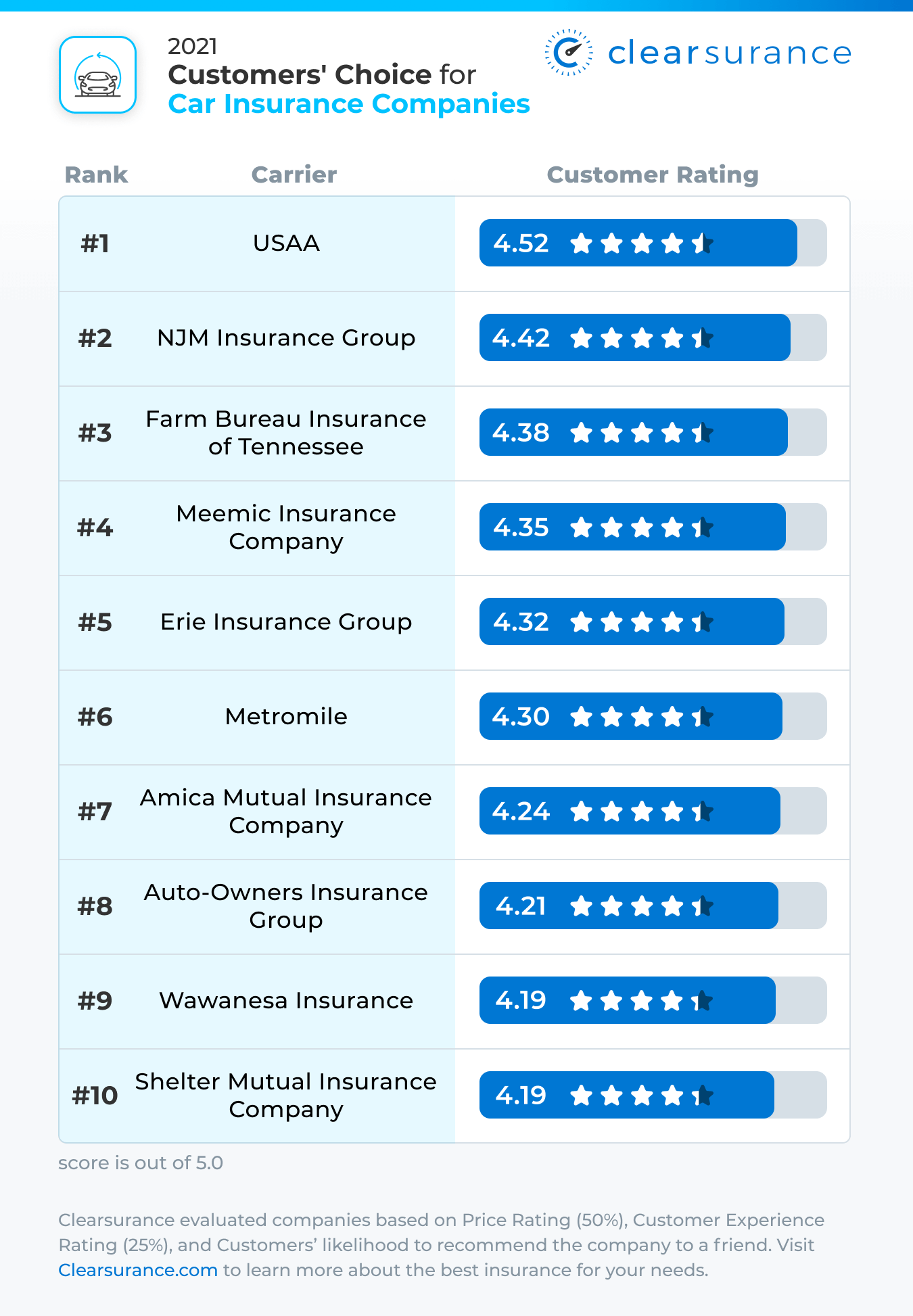
A “better” insurance company understands that one size does not fit all. They offer a range of policy options, riders, and customizable features that allow you to tailor coverage precisely to your financial situation. This flexibility is vital for personal finance, as your needs evolve over time (e.g., buying a new home, having children, starting a business). For businesses, the ability to customize policies to industry-specific risks or unique operational structures can mean the difference between adequate protection and significant financial exposure. Evaluate whether the insurer can provide the specific types of coverage you need, whether they offer bundling options for potential savings, and how easily policies can be adjusted or upgraded. A company that forces you into a rigid, off-the-shelf policy might not be the “better” choice, even if the initial premium seems appealing.
Pricing Structure and Value Proposition
While not the only factor, pricing is undeniably a significant financial consideration. However, it’s crucial to look beyond just the raw premium number and assess the overall value proposition. Does a slightly higher premium from one company offer significantly better coverage limits, lower deductibles, superior claims service, or valuable additional features (e.g., roadside assistance, identity theft protection, loss prevention services for businesses)? Consider all discounts available, such as multi-policy discounts, safe driver discounts, good student discounts, security system discounts, or professional affiliation discounts. A “better” company provides competitive pricing that reflects the value of its offerings and avoids nickel-and-diming customers with hidden fees or unclear policy terms. Transparency in pricing and a clear breakdown of what you’re paying for contribute to a sense of financial trust and value.
Leveraging Resources for Informed Decision-Making
Navigating the multitude of insurance providers and policy options can be daunting. Fortunately, several resources exist to help you gather information and compare companies effectively, aiding your financial due diligence.
Independent Reviews and Ratings
Beyond financial strength ratings, several organizations collect and publish customer reviews and satisfaction scores for insurance companies. JD Power, Consumer Reports, and the National Association of Insurance Commissioners (NAIC) provide valuable insights into customer experience, claims satisfaction, and complaint ratios. While individual reviews can be subjective, aggregated data from these sources can highlight consistent patterns in customer service, claims efficiency, and overall satisfaction. These insights are crucial for understanding the real-world financial implications of choosing a particular insurer, as they reflect how effectively a company manages its financial commitments to its policyholders.
Financial Advisors and Brokers
For complex insurance needs, particularly in business finance or intricate personal financial planning, consulting with an independent financial advisor or an insurance broker can be immensely beneficial. Unlike captive agents who work for a single insurance company, independent brokers have access to policies from multiple providers. They can offer unbiased advice, help you analyze your risks, explain policy intricacies, and compare quotes from various insurers to find the best fit for your financial situation. A skilled financial advisor can integrate your insurance strategy into your broader wealth management and risk mitigation plan, ensuring that your insurance choices align with your long-term financial objectives. Their expertise can save you time, money, and potential headaches by identifying nuances you might overlook.
Digital Tools and Comparison Platforms
The digital age has brought forth numerous online platforms that allow you to compare insurance quotes and features side-by-side. Websites like Policygenius, Insurify, or The Zebra for personal insurance, and various commercial insurance marketplaces for businesses, can streamline the comparison process. These tools often allow you to input your specific needs and receive multiple quotes, along with policy details and even basic customer reviews. While convenient, it’s important to remember that these platforms provide initial comparisons. Always review the final policy documents carefully and confirm details directly with the insurer or a broker before making a commitment. They are excellent starting points for financial analysis but should be supplemented with deeper research.
The Long-Term Value of Your Insurance Choice
The decision of which insurance company is better is not a one-time event. It’s an ongoing financial relationship that requires periodic review and adjustment to ensure it continues to serve your evolving financial landscape.
Regular Policy Reviews and Adjustments
Life changes, and so do financial needs. Whether it’s marriage, a new home, a growing family, a business expansion, or changes in market conditions, your insurance coverage should evolve to match. Annually reviewing your policies with your agent or advisor ensures that you’re neither over-insured nor under-insured. This proactive approach helps maintain optimal financial protection without unnecessary expenditures. A “better” insurance company will facilitate these reviews and offer flexible options for policy adjustments, rather than making it a cumbersome process. Regularly assessing your coverage and comparing it against market offerings ensures you continue to receive the best financial value for your premiums.
The Impact of a Reliable Partner on Financial Security
Ultimately, the “better” insurance company is the one that proves to be a reliable financial partner. It’s the company that stands by you during difficult times, handles claims with fairness and efficiency, communicates transparently, and offers products that genuinely meet your financial risk management needs. Such a partner contributes significantly to your overall financial security and peace of mind. Investing time and effort into choosing the right insurer is an investment in your financial stability, safeguarding your assets, income, and future against the unpredictable nature of life. This strategic financial decision provides a critical foundation for personal and business resilience.
aViewFromTheCave is a participant in the Amazon Services LLC Associates Program, an affiliate advertising program designed to provide a means for sites to earn advertising fees by advertising and linking to Amazon.com. Amazon, the Amazon logo, AmazonSupply, and the AmazonSupply logo are trademarks of Amazon.com, Inc. or its affiliates. As an Amazon Associate we earn affiliate commissions from qualifying purchases.