
Selecting a car insurance provider is one of the most critical financial decisions a vehicle owner faces. While many view insurance simply as a monthly bill or a legal necessity, it is, in reality, a foundational component of a comprehensive personal finance strategy. The “best” company is not a universal constant; rather, it is the one that offers the optimal balance of financial stability, comprehensive coverage, and competitive pricing tailored to an individual’s specific risk profile.
To navigate this complex market, one must look beyond flashy marketing campaigns and catchy jingles. A sophisticated approach involves analyzing actuarial reliability, customer service indices, and the specific financial tools each carrier provides to help policyholders manage their total cost of ownership.
Evaluating the Financial Strength and Stability of Providers
The primary purpose of insurance is risk transfer. You pay a premium so that in the event of a catastrophic loss, the financial burden shifts to the insurer. Therefore, the most important metric for any insurance company is its ability to pay claims. This is known as financial solvency.
Before looking at quotes, a prudent consumer should consult third-party rating agencies such as A.M. Best, Moody’s, or Standard & Poor’s (S&P). These organizations assign letter grades to insurers based on their balance sheets and ability to meet ongoing insurance obligations. A company with an “A++” rating from A.M. Best is significantly more likely to remain solvent during economic downturns or periods of high claim volume (such as after a natural disaster) than a company with a “B” rating.
Furthermore, the size of the company’s “risk pool” matters. Large national carriers like State Farm, GEICO, and Progressive have massive reserves and diversified portfolios. This scale often allows them to absorb regional losses more effectively than smaller, local insurers. When your net worth is on the line, opting for a financially robust institution provides the peace of mind that a settlement check will actually clear when it is needed most.
Decoding Coverage Options: Balancing Protection and Premium Costs
The search for the best insurance company requires a deep dive into the types of coverage offered. Most drivers understand the basics of liability—which covers damage to others—but the financial nuances of a policy lie in the optional endorsements.
Collision and Comprehensive Coverage
These are the pillars of physical damage protection. Collision covers your car if it hits another object, while comprehensive covers non-collision events like theft, fire, or falling trees. For high-value vehicles, these are essential. However, from a financial management perspective, there is a point of diminishing returns. If the annual premium plus the deductible exceeds the actual cash value of an older vehicle, it may be financially wiser to “self-insure” for physical damage and carry only liability.
Gap Insurance and New Car Replacement
For those financing or leasing a vehicle, “Gap” insurance is a vital financial tool. Because vehicles depreciate rapidly the moment they leave the lot, a standard policy may only pay the current market value if the car is totaled, leaving the owner responsible for the remainder of their loan. The best insurance companies offer seamless gap coverage or “new car replacement” riders that ensure your financial liability to a lender is fully covered.
Umbrella Policy Integration
High-net-worth individuals should look for insurers that facilitate the integration of auto policies with an umbrella policy. An umbrella policy provides an extra layer of liability protection—usually in increments of $1 million—above the limits of your auto and homeowners’ insurance. Companies that can “bundle” these products often provide a more cohesive shield against lawsuits that could otherwise jeopardize your personal assets or future earnings.
Top Contenders in the Current Market: A Comparative Analysis
While the “best” company depends on individual variables such as credit score, driving history, and geography, several national carriers consistently lead the market in specific categories.
State Farm: Best for Personalized Service and Claims
State Farm remains the largest auto insurer in the United States, largely due to its massive network of local agents. From a financial planning perspective, having a dedicated agent can be invaluable. Unlike direct-to-consumer models, an agent can provide personalized advice on how to structure your policy to protect your specific assets. They often excel in claims satisfaction, which is the ultimate test of an insurance product’s value.
GEICO: The Leader in Low-Premium Efficiency
Owned by Berkshire Hathaway, GEICO is renowned for its low overhead and competitive pricing. For drivers with clean records who are focused primarily on cash flow management, GEICO often provides the lowest “out-of-pocket” monthly cost. Their digital interface is highly optimized, making it easy for tech-savvy consumers to manage their financial obligations without needing to speak to a representative.
Progressive: Best for High-Risk Drivers and Transparency
Progressive changed the industry with its “Name Your Price” tool and its willingness to insure drivers with less-than-perfect records. They are often the most financially viable option for those who have had a lapse in coverage or a recent accident. Furthermore, their Snapshot program pioneered the use of telematics—tracking driving behavior to offer discounts—which allows safe drivers to lower their premiums based on actual data rather than general demographics.
USAA: The Gold Standard for Military Families
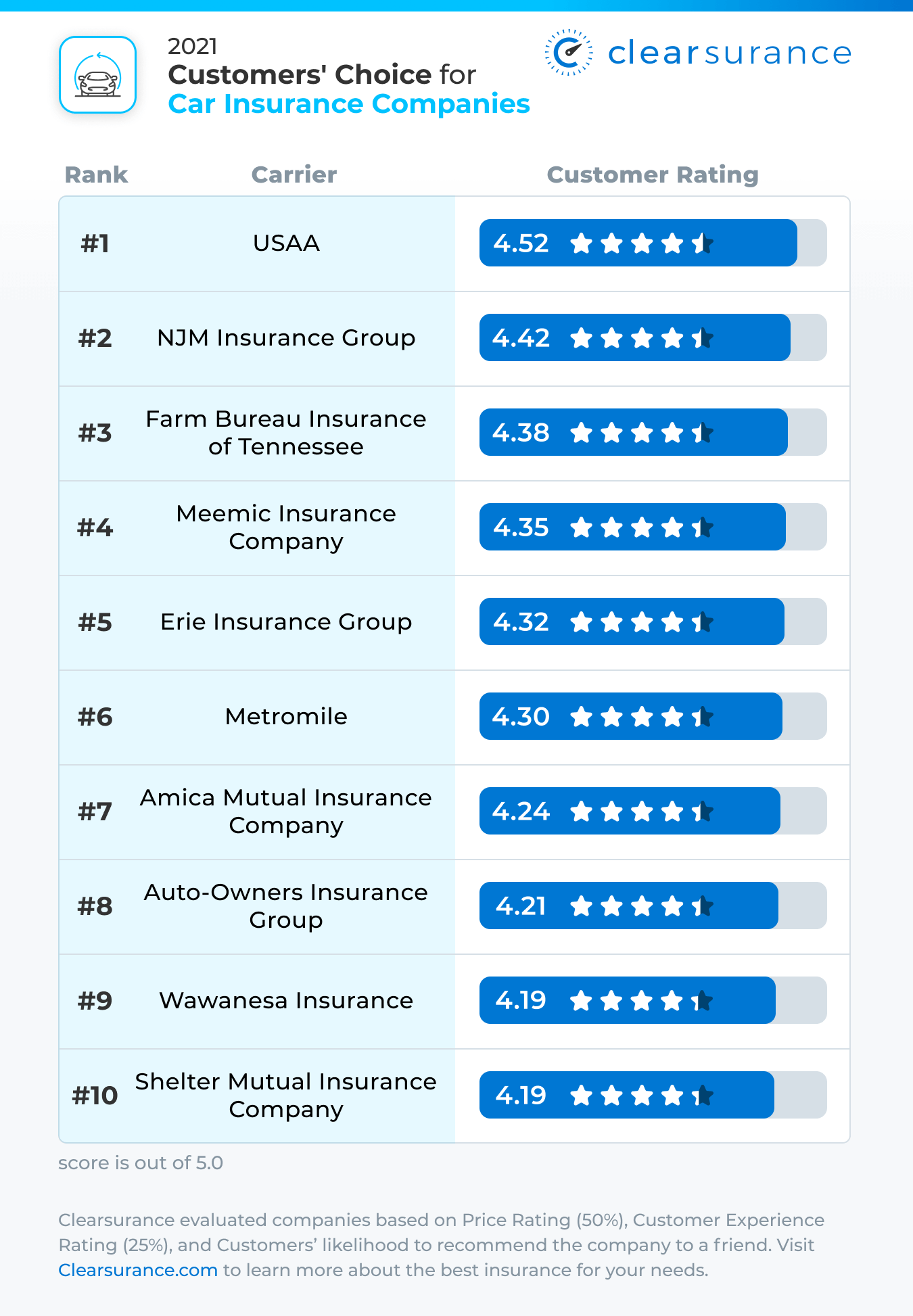
For those who qualify (active military, veterans, and their families), USAA consistently outranks every other insurer in terms of customer service, claims handling, and value. They function as a member-owned association, meaning their financial goals are often better aligned with their policyholders than traditional shareholder-owned corporations.
Maximizing Value Through Discounts and Financial Incentives
The sticker price of an insurance policy is rarely the final price. The best insurance companies offer a variety of “financial levers” that a savvy consumer can pull to reduce costs.
The Power of Bundling
One of the most effective ways to lower car insurance costs is to combine it with homeowners or renters insurance. Carriers often offer “multi-line” discounts ranging from 5% to 25%. From a personal finance standpoint, bundling also simplifies your records, as you deal with one billing cycle and one customer portal.
Credit-Based Insurance Scores
In most states, insurance companies use a version of your credit score to help determine your premium. Statistically, individuals with higher credit scores are less likely to file claims. Therefore, improving your financial health—paying down debt and ensuring on-time payments—has the secondary benefit of lowering your insurance costs. The best companies are transparent about how credit impacts your rate and may offer tools to help you understand your insurance “score.”
Telematics and Usage-Based Insurance (UBI)
We are currently in a shift toward “personalized pricing.” Programs like State Farm’s “Drive Safe & Save” or Allstate’s “Drivewise” monitor your braking, speed, and mileage. If you are a low-mileage driver or a cautious one, these programs can cut premiums by up to 30%. This is particularly beneficial for retirees or remote workers who do not have a daily commute, as it aligns the cost of the insurance with the actual level of risk being taken.
Navigating the Claims Process: The Real Test of Value
A cheap premium is a financial liability if the company fails to perform when you file a claim. The best insurance companies are those that prioritize “first-party” advocacy. This means they assist you in getting your car repaired and pursuing the “third party” (the other driver’s insurance) for reimbursement through a process called subrogation.
When evaluating a company, look at their “Loss Ratio”—the percentage of premiums they pay out as claims. A company with an excessively low loss ratio might be overly aggressive in denying claims, while one with a very high ratio might be financially unstable. The sweet spot is a company that is profitable enough to be secure but generous enough to honor its contractual promises to policyholders.
Furthermore, consider the “Total Loss” settlement process. The best insurers use fair market valuation tools (like CCC Intelligent Solutions) and provide clear documentation on how they arrived at a car’s value. In a market where vehicle prices have fluctuated wildly due to supply chain issues, having an insurer that recognizes the true replacement cost of your asset is vital for your financial recovery after an accident.
Strategic Tips for Long-Term Premium Optimization
To ensure you are always with the “best” company, you must treat car insurance as a dynamic part of your budget rather than a “set it and forget it” expense.
-
Shop Every Two Years: The insurance market is highly cyclical. A company that was the most expensive for you two years ago might have changed its “underwriting appetite” and could now be your cheapest option.
-
Adjust Your Deductible: If you have a healthy emergency fund, increasing your deductible from $500 to $1,000 can significantly lower your annual premium. This is a classic risk-retention strategy: you take on the “small” risks to save money on the “large” protection.
-
Review Coverage as Vehicles Age: As mentioned previously, once a car’s value drops below a certain threshold, the cost of comprehensive and collision coverage may no longer be justified.
-
Leverage Life Changes: Marriage, moving to a different zip code, or reaching age 25 are all milestones that typically lower insurance rates. Ensure your provider is updated on these changes immediately.
In conclusion, the “best” car insurance company is not merely the one with the lowest price tag. It is the company that offers a high A.M. Best rating for financial security, provides specific coverage riders that protect your unique assets, and rewards your individual driving behavior and financial responsibility with earned discounts. By viewing insurance through the lens of personal finance and risk management, you can secure protection that doesn’t just satisfy the law, but actively guards your financial future.
aViewFromTheCave is a participant in the Amazon Services LLC Associates Program, an affiliate advertising program designed to provide a means for sites to earn advertising fees by advertising and linking to Amazon.com. Amazon, the Amazon logo, AmazonSupply, and the AmazonSupply logo are trademarks of Amazon.com, Inc. or its affiliates. As an Amazon Associate we earn affiliate commissions from qualifying purchases.