
In the modern financial landscape, the role of the bookkeeper and accountant has shifted from simple data entry to high-level strategic advisory. As businesses increasingly migrate their financial operations to the cloud, the demand for certified experts who can navigate complex accounting ecosystems has skyrocketed. Becoming a QuickBooks ProAdvisor is one of the most effective ways to signal professional competence, gain access to exclusive financial tools, and build a scalable accounting or bookkeeping practice. This certification is more than just a badge; it is a comprehensive training program designed to turn financial professionals into masters of the world’s leading small business accounting software.
The Strategic Advantage of ProAdvisor Certification
For financial professionals, the ProAdvisor program represents a bridge between technical software proficiency and business growth. At its core, the program is designed by Intuit to ensure that the individuals helping small business owners manage their money are equipped with the latest knowledge of the platform’s capabilities.
From a business finance perspective, the certification offers a distinct competitive edge. When a client looks for someone to manage their books, they are looking for security, accuracy, and insight. A ProAdvisor certification provides immediate social proof that you have undergone rigorous testing and understand the nuances of the software’s architecture. This translates to higher billable rates, as certified experts can position themselves as consultants rather than just administrative support.
Furthermore, the program offers a tiered rewards system. As you gain more certifications and acquire more clients within the QuickBooks ecosystem, you move through different levels—Silver, Gold, Platinum, and Elite. Each tier unlocks specific benefits, including marketing tools, premium tech support, and training for your staff. For an independent financial consultant or a small accounting firm, these resources are invaluable for reducing overhead and improving service delivery.
Navigating the Certification Process: A Step-by-Step Roadmap
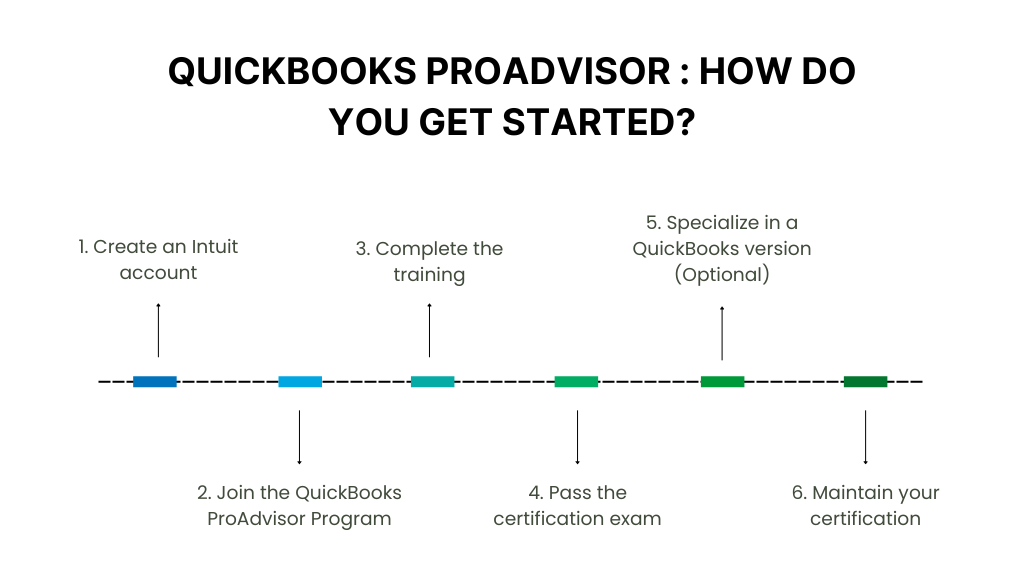
The journey to becoming a QuickBooks ProAdvisor is structured but requires a dedicated commitment to learning the intricacies of financial workflows within the software. The process is primarily housed within the QuickBooks Online Accountant (QBOA) platform, which serves as the “portal” for the ProAdvisor program.
Step 1: Sign Up for QuickBooks Online Accountant
The first step is to create a QuickBooks Online Accountant account. This platform is free for accounting and bookkeeping professionals. It serves a dual purpose: it is the dashboard where you manage your clients’ books, and it is the home for your ProAdvisor training materials. Once you have registered, you can access the “ProAdvisor” tab on the left-hand navigation menu, which opens the door to the training portal.
Step 2: Choose Your Path
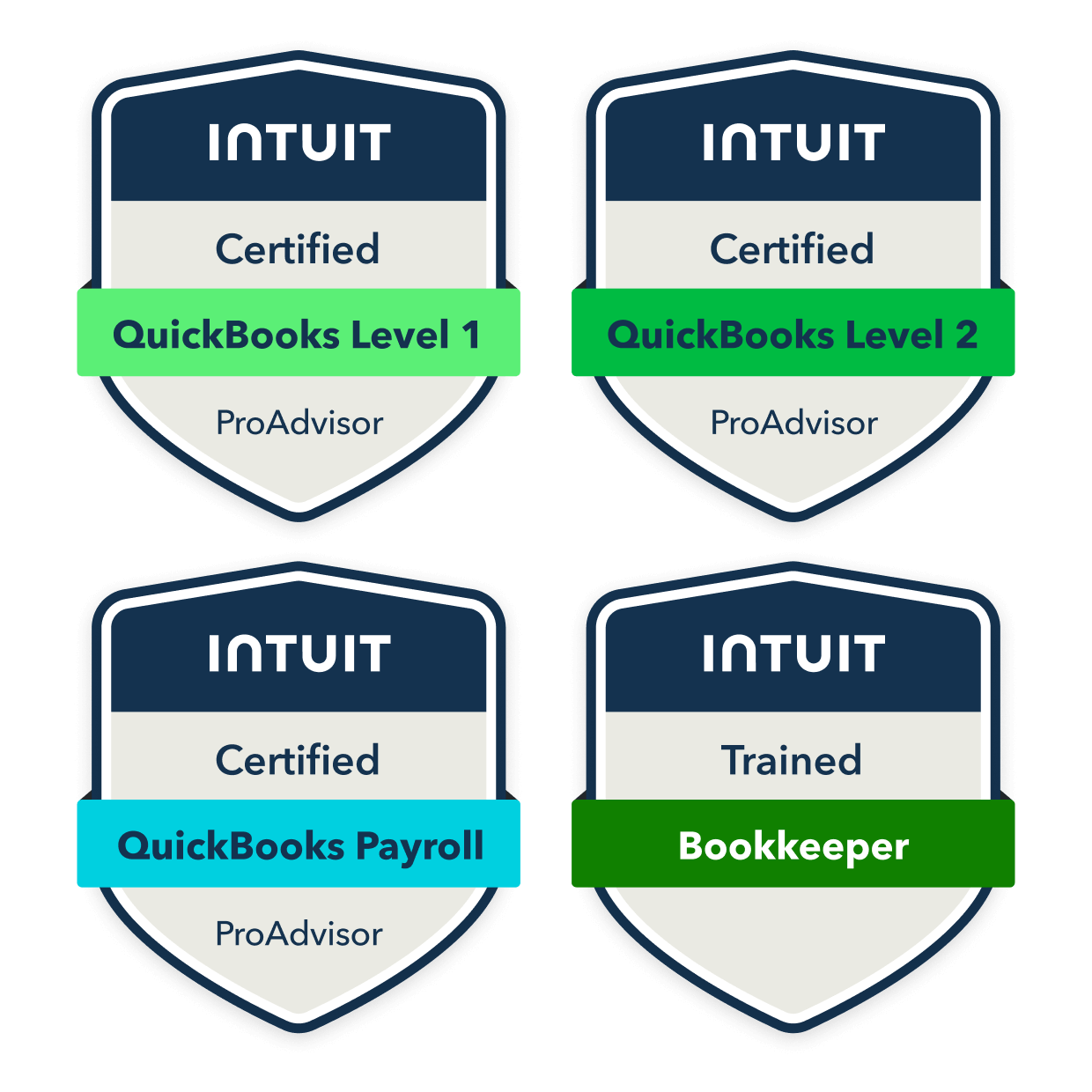
While there are multiple versions of QuickBooks, the most common starting point is the QuickBooks Online (QBO) certification. This is the flagship cloud product used by millions of small businesses globally. There are also certifications for QuickBooks Desktop, QuickBooks Enterprise, and specialized areas like Payroll and Point of Sale. For most professionals, focusing on the QBO certification provides the widest market reach.
Step 3: Engaging with Training Modules
Intuit provides a robust library of self-paced training modules. These modules cover everything from the initial setup of a company file to advanced reporting, reconciliation, and troubleshooting. The training is divided into sections, such as “Reporting,” “Banking,” and “Inventory.” It is highly recommended to go through these modules thoroughly, even if you have prior experience with the software, as the exam often focuses on specific “QuickBooks ways” of solving problems that may differ from manual accounting practices.
Step 4: The Certification Exam
The certification exam is the final hurdle. It is a comprehensive test that requires a passing score of 80% or higher. The exam is typically broken into sections; if you fail a specific section, you are usually allowed to retake only that portion. It is an open-book exam, but do not let that mislead you—the questions are designed to test your ability to apply financial logic within the software environment. Once you pass, you receive your official badge and are listed in the Find-a-ProAdvisor directory.
Leveraging Your Credentials for Financial Business Growth
Passing the exam is only the beginning. To truly capitalize on being a ProAdvisor, you must integrate the credential into your brand’s financial strategy. The most immediate benefit is the listing in the Find-a-ProAdvisor directory. This is a public-facing database where business owners search for experts based on location, industry specialty, and software needs.
Optimizing Your Profile for Client Acquisition
Think of your ProAdvisor profile as a high-intent landing page for your financial services. To stand out, you must go beyond listing your credentials. Highlight your specific niche—whether it is e-commerce, non-profit accounting, or construction. Use keywords that potential clients might search for, and ensure you have a professional headshot. Reviews are also critical; as you complete projects, encourage clients to leave positive feedback on your directory profile to boost your search ranking.
Wholesale Billing and Software Discounts
One of the primary financial benefits of being a ProAdvisor is the ability to offer your clients better pricing than they could get on their own. Through “ProAdvisor Preferred Pricing,” you can offer your clients significant discounts on their monthly subscriptions. This allows you to bundle the software cost into your monthly service fee, creating a seamless financial package for the client. This “wholesale billing” model often improves client retention because you are providing them with both the software and the expertise at a lower total cost of ownership.
Advanced Certification and the Path to Financial Advisory
For those who want to reach the top of the field, the basic certification is just the baseline. The “QuickBooks Online Advanced Certification” is the next logical step. This level of training focuses on complex scenarios, such as data migration, advanced troubleshooting, and the use of the “QuickBooks Online Advanced” tier of the software, which includes features like custom fields, batch transactions, and Google Sheets integration.
The Shift from Compliance to Advisory
In the world of personal and business finance, “compliance” (doing the taxes and the books correctly) is increasingly becoming a commodity. The real value—and the higher margins—lies in “advisory.” An Advanced ProAdvisor is trained to look at the financial data and provide insights. This might include cash flow forecasting, identifying areas where a business is losing money, or suggesting tax-efficient spending strategies.
By mastering the advanced features of QuickBooks, you can move away from hourly billing and toward value-based pricing. You are no longer selling “time spent on bookkeeping”; you are selling “financial clarity and growth strategy.” This shift is essential for any professional looking to increase their side hustle income or scale a full-time financial consultancy.
Staying Current with CPE Credits
The financial world and the software that supports it are constantly evolving. Intuit requires ProAdvisors to re-certify annually to ensure they are up to date with the latest features and tax law integrations. Many of these training modules qualify for Continuing Professional Education (CPE) credits, which are necessary for CPAs and other licensed financial professionals to maintain their credentials. This makes the ProAdvisor program a two-for-one benefit: you stay sharp on the software while simultaneously fulfilling your professional licensing requirements.
Maintaining Your Edge in the Financial Services Market
The ultimate goal of becoming a QuickBooks ProAdvisor is to build a sustainable and profitable financial service business. To maintain your edge, you must engage with the broader community. The ProAdvisor program offers access to forums, webinars, and regional events where you can network with other financial professionals.
Integrating Third-Party Apps
QuickBooks does not exist in a vacuum. A sophisticated ProAdvisor knows how to build a “tech stack” for their clients. This involves integrating third-party apps for expense management (like Dext or Hubdoc), payroll (Gusto), or inventory management. Understanding how these tools interact with the QuickBooks general ledger allows you to build a customized financial ecosystem for your clients, making your services indispensable.
Professional Ethics and Financial Accuracy
Finally, being a ProAdvisor carries a responsibility for professional ethics. Because you are handling the financial lifeblood of a business, accuracy and integrity are paramount. The ProAdvisor program reinforces these standards, ensuring that you are not just a software user, but a steward of financial health. Whether you are managing personal finances for a high-net-worth individual or the corporate books for a growing startup, the ProAdvisor certification serves as a testament to your commitment to excellence in the field of modern finance.
In conclusion, becoming a QuickBooks ProAdvisor is a strategic career move that offers both immediate and long-term financial rewards. By following the certification path, leveraging the marketing tools provided, and continuously advancing your technical and advisory skills, you position yourself as a leader in the digital accounting revolution. The journey requires effort, but the ability to provide high-level financial insight to clients is a powerful asset in any economic climate.
aViewFromTheCave is a participant in the Amazon Services LLC Associates Program, an affiliate advertising program designed to provide a means for sites to earn advertising fees by advertising and linking to Amazon.com. Amazon, the Amazon logo, AmazonSupply, and the AmazonSupply logo are trademarks of Amazon.com, Inc. or its affiliates. As an Amazon Associate we earn affiliate commissions from qualifying purchases.