
The advent of Bitcoin ushered in a new era of digital finance, offering an alternative to traditional currencies and investment vehicles. For individuals looking to enter the cryptocurrency market, the primary gateway is a Bitcoin exchange. These platforms serve as digital marketplaces, connecting buyers and sellers of Bitcoin (and often other cryptocurrencies) from around the globe. Navigating the diverse landscape of these exchanges is crucial for anyone aiming to invest, trade, or simply acquire Bitcoin. This guide will delve into the intricacies of Bitcoin exchanges, helping you make informed decisions in your journey into digital assets.
Understanding Bitcoin Exchanges: Your Gateway to Digital Assets
At its core, a Bitcoin exchange is a platform where users can trade cryptocurrencies for other cryptocurrencies, or for traditional fiat currencies like USD, EUR, or GBP. Think of them as stockbrokers or forex dealers for the digital age, but with a unique set of characteristics driven by the underlying blockchain technology.
What is a Bitcoin Exchange?
A Bitcoin exchange functions as an intermediary, facilitating transactions between market participants. When you want to buy Bitcoin, you place an order on an exchange. The exchange then matches your order with a seller’s order, executing the trade. Conversely, if you wish to sell, the exchange finds a buyer for your Bitcoin. These platforms provide the necessary tools for order placement (market orders, limit orders), price charting, and account management, making the buying and selling process accessible to a broad audience. They manage the order books, ensure liquidity, and often provide custodial services for the assets held within their ecosystem. For an investor, the choice of exchange directly impacts transaction costs, security, and the overall efficiency of their trading strategy.
Centralized vs. Decentralized Exchanges (CEX vs. DEX)
The world of crypto exchanges can broadly be categorized into two main types, each with distinct operational models and implications for users:
-
Centralized Exchanges (CEXs): These are the most common type, operated by a single company or entity. Examples include Coinbase, Binance, and Kraken. CEXs hold users’ funds in custodial wallets, meaning they control the private keys to your cryptocurrency (similar to how a bank holds your money). They typically offer high liquidity, user-friendly interfaces, robust customer support, and a wide range of trading pairs. However, this centralization introduces counterparty risk – if the exchange is hacked or mismanaged, your funds could be at risk. They also often require users to undergo Know Your Customer (KYC) and Anti-Money Laundering (AML) checks, demanding personal identification.
-
Decentralized Exchanges (DEXs): In contrast, DEXs allow users to trade directly with each other without an intermediary holding their funds. Transactions are executed via smart contracts on a blockchain. Users retain control over their private keys throughout the trading process, significantly reducing counterparty risk. DEXs prioritize privacy and censorship resistance, often requiring no KYC. However, they can be more complex to use, may have lower liquidity for certain pairs, and offer fewer advanced trading features compared to CEXs. For Bitcoin specifically, true DEXs are less common due to Bitcoin’s architecture; many DEXs trade “wrapped Bitcoin” (wBTC) on other blockchains like Ethereum.
Key Features to Look For in an Exchange
When selecting a Bitcoin exchange, several critical factors should guide your decision, impacting both your financial security and trading efficiency:
- Security: This is paramount. Look for exchanges with robust security measures such as two-factor authentication (2FA), cold storage for a significant portion of assets, insurance policies, and a strong track record of protecting user funds.
- Liquidity: High liquidity ensures that you can buy or sell Bitcoin quickly at competitive prices without significant price slippage. A deeper order book is indicative of a healthy, active market.
- Fees: Exchanges charge various fees, including trading fees (maker/taker fees), deposit fees, and withdrawal fees. These can significantly impact your net returns, especially for frequent traders or large transactions.
- User Experience (UX): An intuitive and easy-to-navigate interface is essential, especially for beginners. Mobile app availability and performance are also key considerations.
- Supported Assets: While the focus is on Bitcoin, many exchanges offer a wide array of other cryptocurrencies. If you plan to diversify your portfolio, an exchange with a broad selection might be beneficial.
- Payment Methods: Consider the available options for depositing and withdrawing fiat currency (e.g., bank transfer, credit/debit card, PayPal) and their associated fees and speed.
- Customer Support: Responsive and helpful customer support can be invaluable, particularly when dealing with financial transactions.
Navigating the Top Centralized Bitcoin Exchanges
For most individuals entering the crypto market, a centralized exchange offers the most straightforward and accessible path. Here are some of the leading platforms, each with its unique strengths and target audience.
Coinbase: The User-Friendly Giant
Coinbase is arguably the most well-known and widely used cryptocurrency exchange, especially popular in the United States. It’s lauded for its user-friendly interface, making it an excellent choice for beginners. Coinbase offers a simple buying/selling experience, an intuitive mobile app, and a robust suite of services. It also provides Coinbase Pro (now Coinbase Advanced Trade) for more experienced traders, featuring lower fees and advanced charting tools.
- Pros: High liquidity, strong regulatory compliance in the US, FDIC insurance for USD balances, secure cold storage, extensive educational resources.
- Cons: Higher fees for simple transactions compared to some competitors, limited altcoin selection on the basic platform.
- Best For: New investors, those prioritizing ease of use and regulatory compliance.
Binance: The Global Powerhouse
Binance dominates the global crypto exchange market by trading volume and user count. It offers an incredibly vast selection of cryptocurrencies, advanced trading features, and a comprehensive ecosystem that includes staking, lending, derivatives, and its own blockchain (BNB Chain). For serious traders looking for a wide range of options, Binance is a compelling choice. Note that Binance.US operates as a separate entity for American customers due to regulatory requirements, with a more limited selection of coins.
- Pros: Enormous liquidity, lowest fees in the industry (especially with BNB token discounts), extensive range of trading pairs, advanced trading tools.
- Cons: Can be overwhelming for beginners, complex regulatory landscape in various countries, some past security incidents (though resolved).
- Best For: Experienced traders, altcoin enthusiasts, users seeking the lowest fees and widest selection.
Kraken: The Professional Trader’s Choice
Kraken has established itself as a reputable and secure exchange, particularly appealing to professional traders and institutional investors. It boasts a strong commitment to security, competitive fees, and a robust platform offering features like margin trading, futures, and OTC (Over-The-Counter) services. Kraken is known for its transparency and reliability, making it a trusted choice for serious market participants.
- Pros: Excellent security track record, highly regulated, competitive fees (especially for higher volumes), margin and futures trading available, good customer support.
- Cons: User interface can be less intuitive for absolute beginners, fewer fiat deposit options than some competitors.
- Best For: Intermediate to advanced traders, institutional investors, those prioritizing security and advanced features.
Crypto.com: The All-in-One Ecosystem
Crypto.com has rapidly grown into a comprehensive crypto ecosystem, offering not just an exchange but also a popular app, DeFi services, an NFT marketplace, and its signature crypto-backed debit cards. It’s particularly attractive for users looking to integrate crypto into their daily spending and earn rewards. The app is user-friendly, providing easy access to buying, selling, staking, and spending cryptocurrencies.
- Pros: User-friendly mobile app, attractive crypto debit cards with cashback, extensive staking and earning opportunities, wide range of supported coins.
- Cons: Exchange interface can be less robust than dedicated trading platforms, some features are tied to holding their native CRO token, fee structures can be complex.
- Best For: Everyday crypto users, those interested in crypto debit cards and earning passive income on their holdings.
Gemini: Regulation and Security First
Founded by the Winklevoss twins, Gemini prides itself on being a regulated and compliant exchange with a strong emphasis on security. It offers a secure and simple platform for buying, selling, and storing digital assets. Gemini is known for its institutional-grade security, including SOC 2 certification, and offers comprehensive insurance coverage for online hot wallet funds. Their Gemini Earn program allows users to earn interest on their crypto holdings.
- Pros: Top-tier security and regulatory compliance, user-friendly interface, strong commitment to institutional standards, comprehensive insurance.
- Cons: Higher fees compared to some rivals, smaller selection of altcoins, less global availability than Binance.
- Best For: Investors prioritizing security and regulatory compliance, institutional investors, US-based users.
Exploring Decentralized Alternatives for Bitcoin Trading
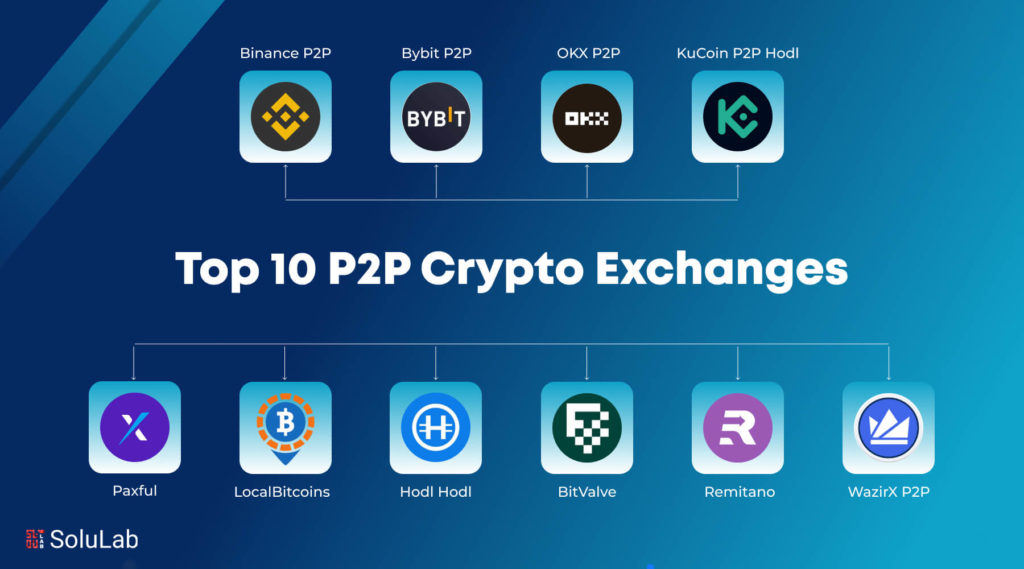
While CEXs dominate the landscape, DEXs offer a different philosophy, emphasizing user control and financial sovereignty.
The Philosophy Behind DEXs
DEXs embody the core principles of decentralization inherent in blockchain technology: self-custody, censorship resistance, and privacy. Unlike CEXs, which act as custodians of your funds, DEXs enable peer-to-peer trading directly on the blockchain. This means users retain control over their private keys throughout the transaction, eliminating the need to trust a third party with their assets. This approach significantly mitigates the risk of exchange hacks or regulatory interventions that could freeze or seize funds.
How DEXs Facilitate Bitcoin Trading
Directly trading native Bitcoin on a DEX is technically challenging due to Bitcoin’s specific architecture. Most DEXs operate on other smart contract-enabled blockchains like Ethereum or Binance Smart Chain. To trade Bitcoin on these platforms, users typically utilize Wrapped Bitcoin (wBTC). wBTC is an ERC-20 token that is collateralized 1:1 with actual Bitcoin, allowing Bitcoin’s value to be represented and traded within the Ethereum ecosystem. Users can then trade wBTC for other tokens on a DEX.
Some DEXs, like Bisq or Hodl Hodl, are built specifically for peer-to-peer Bitcoin trading. These platforms use multi-signature escrow services to facilitate atomic swaps or secure fiat-to-Bitcoin trades without a central custodian, offering a truly decentralized experience for native Bitcoin.
Advantages and Disadvantages of DEXs
- Advantages:
- Enhanced Security: Users maintain control of their private keys, reducing counterparty risk.
- Privacy: Many DEXs do not require KYC, offering greater anonymity.
- Censorship Resistance: Less susceptible to government intervention or asset freezes.
- Lower Fees (often): Trading fees can sometimes be lower than CEXs, though network gas fees can add up.
- Disadvantages:
- Complexity: Often less user-friendly, requiring a deeper understanding of wallets and blockchain interactions.
- Lower Liquidity: Can result in higher price slippage, especially for large orders.
- Limited Features: Fewer advanced trading tools, charting options, and customer support compared to CEXs.
- No Fiat On-Ramps: Typically, you cannot directly buy crypto with fiat on a DEX; you usually need to acquire crypto via a CEX first.
Essential Considerations Before Choosing an Exchange
Beyond the core features, several overarching factors should influence your final decision when selecting a Bitcoin exchange.
Security Measures and Best Practices
No matter which exchange you choose, personal security habits are paramount. Always enable Two-Factor Authentication (2FA) for your account. Consider using a hardware security key for the strongest protection. Regularly review your account activity and be wary of phishing attempts. For significant holdings, consider moving your Bitcoin off the exchange into a personal wallet (self-custody) once purchased, as exchanges are attractive targets for hackers. Look for exchanges that use cold storage for the majority of their funds, encrypt user data, and have a clear policy on how they handle security breaches.
Fee Structures and Their Impact on Returns
Exchanges generate revenue through various fees, and these can significantly erode your investment returns over time.
- Trading Fees: Often structured as “maker” (for adding liquidity to the order book) and “taker” (for taking liquidity) fees. Taker fees are usually higher. Volume-based tiers can reduce fees for active traders.
- Deposit/Withdrawal Fees: Some exchanges charge for depositing fiat or crypto, and nearly all charge for crypto withdrawals to cover network transaction costs.
- Spread: The difference between the buy and sell price. Exchanges with lower liquidity may have wider spreads, meaning you get less for your money when buying and receive less when selling.
- Consider the total cost of a transaction, not just the advertised trading fee.
Liquidity and Trading Volume
High liquidity is vital for efficient trading. An exchange with deep order books and significant trading volume ensures that your buy or sell orders are executed quickly and at a fair price. Low liquidity can lead to “slippage,” where your order is filled at a less favorable price than intended, especially for larger transactions. This is particularly important for active traders but also impacts long-term investors by ensuring smooth entry and exit points.
Regulatory Compliance and Geographic Availability
The regulatory landscape for cryptocurrencies varies widely across countries. Exchanges that comply with local financial regulations (e.g., KYC/AML laws) offer a greater degree of protection and legitimacy. However, these regulations also mean you’ll need to provide personal identification. Ensure the exchange you choose operates legally in your jurisdiction and supports your local fiat currency. Regulatory challenges have led to some exchanges restricting services or specific cryptocurrencies in certain regions (e.g., Binance.US vs. global Binance).
User Experience and Customer Support
A cluttered or confusing interface can make trading stressful and prone to errors. Opt for an exchange with a clean, intuitive design, especially if you’re a beginner. Test out their mobile app if you plan to trade on the go. Furthermore, reliable and responsive customer support is invaluable. In the fast-paced world of crypto, quick resolution of issues like delayed deposits or withdrawals can prevent significant financial losses. Look for exchanges with multiple support channels (live chat, email, phone) and positive user reviews regarding their support quality.
Safeguarding Your Bitcoin: Beyond the Exchange
While choosing the right exchange is crucial for acquisition, true financial independence in crypto often involves taking control of your assets.
The Importance of Self-Custody
Once you’ve purchased Bitcoin, leaving it on an exchange means you don’t fully own it – the exchange does, even if it’s allocated to your account. This exposes you to counterparty risk: if the exchange is hacked, goes bankrupt, or experiences regulatory issues, your funds could be lost. Moving your Bitcoin to a personal wallet, where you hold the private keys, transfers full ownership and control to you. This is known as “self-custody” and is a cornerstone principle of Bitcoin.
Hardware Wallets vs. Software Wallets
For self-custody, you have primary options:
- Hardware Wallets: These are physical devices (like a USB stick) that store your private keys offline, making them highly secure against online threats. Examples include Ledger and Trezor. They are considered the gold standard for long-term storage of significant amounts of crypto.
- Software Wallets: These are applications that run on your computer or smartphone (e.g., Exodus, Electrum, MetaMask for wBTC). While convenient for smaller amounts and frequent transactions, they are generally less secure than hardware wallets due to their online nature and potential vulnerability to malware.
Diversification and Risk Management
Bitcoin is known for its volatility. While it has demonstrated significant long-term growth, short-term price swings can be dramatic. As with any investment, diversification is key. Do not invest more than you can afford to lose. Understand the inherent risks, conduct thorough research, and consider dollar-cost averaging (investing a fixed amount regularly) to mitigate the impact of price fluctuations.
Conclusion: Making an Informed Decision in the Digital Asset Landscape
Choosing the right Bitcoin exchange is a pivotal first step into the world of digital finance. Whether you prioritize ease of use, low fees, advanced trading features, or stringent security, a suitable platform exists. By carefully evaluating factors like security, fees, liquidity, regulatory compliance, and user experience, you can select an exchange that aligns with your financial goals and risk tolerance. Remember that while exchanges provide the gateway, true ownership and security in the crypto space ultimately reside in embracing self-custody and prudent risk management. With this comprehensive understanding, you are well-equipped to navigate the exciting, yet complex, landscape of Bitcoin trading and investment.
aViewFromTheCave is a participant in the Amazon Services LLC Associates Program, an affiliate advertising program designed to provide a means for sites to earn advertising fees by advertising and linking to Amazon.com. Amazon, the Amazon logo, AmazonSupply, and the AmazonSupply logo are trademarks of Amazon.com, Inc. or its affiliates. As an Amazon Associate we earn affiliate commissions from qualifying purchases.