
Understanding individual caloric needs is a cornerstone of effective health management, whether the goal is weight loss, muscle gain, or maintaining a healthy lifestyle. For decades, this process relied on estimations, manual tracking, and often, educated guesswork. However, the advent of digital technology has revolutionized our ability to precisely calculate, track, and optimize calorie consumption, moving us closer to truly personalized nutrition. In an age where data-driven insights power myriad aspects of our lives, leveraging tech tools is no longer a luxury but an indispensable strategy for achieving and sustaining dietary goals with unprecedented accuracy and efficiency.

The human body is a complex system, and its energy requirements are influenced by a multitude of factors including age, sex, weight, height, activity level, and metabolic rate. Traditional methods for estimating these needs, such as general calorie charts or simple formulas, often provide a broad average that may not align with an individual’s unique physiological makeup or lifestyle. This imprecision can lead to frustration, stalled progress, and even detrimental health outcomes. This article will delve into the technological solutions available today, from sophisticated apps and smart wearables to AI-driven platforms, that empower individuals to determine their ideal caloric intake with greater precision, making their dietary journeys more informed, manageable, and ultimately, successful.
The Digital Toolkit: Apps and Software for Calorie Management
The most accessible entry point into tech-assisted calorie management is through a vast ecosystem of mobile applications and online software. These tools have democratized nutrition tracking, making it feasible for anyone with a smartphone or internet access to gain deeper insights into their dietary habits.
Mobile Calorie Counters: Your Pocket Nutritionist
Mobile calorie counting apps have become ubiquitous, transforming the mundane task of food logging into an intuitive, often engaging experience. Applications like MyFitnessPal, Cronometer, and Lose It! lead the market, offering extensive food databases that often include branded items, restaurant meals, and user-generated entries. Users can log their meals by searching for specific foods, scanning barcodes, or even inputting custom recipes.
These apps go beyond simple calorie counts; they typically break down macronutrient profiles (proteins, fats, carbohydrates), track micronutrients (vitamins and minerals), and often allow users to set specific dietary goals. By consistently logging food intake, individuals can gain a clear, real-time picture of their daily consumption, allowing them to make immediate adjustments to stay within their target caloric range. The user-friendly interfaces, often complemented by progress charts and motivational features, make adherence easier and provide a tangible sense of accomplishment as goals are met.
Macro Trackers and Meal Planners
For those with more specific dietary goals, such as bodybuilders, athletes, or individuals following ketogenic or high-protein diets, macro trackers offer a granular view of nutrient intake. While integrated into many general calorie counting apps, dedicated macro trackers emphasize the precise ratios of macronutrients consumed, which is critical for specific physiological adaptations like muscle hypertrophy or fat adaptation. These tools can help users understand if they are meeting their protein targets for muscle repair, managing carbohydrate intake for energy or ketosis, and ensuring healthy fat consumption.
Moreover, many apps now incorporate meal planning functionalities. Users can pre-log meals for the day or week, generating shopping lists and ensuring their planned intake aligns with their caloric and macro targets. This proactive approach eliminates guesswork, reduces decision fatigue, and significantly improves adherence to a structured eating plan, turning abstract nutritional goals into concrete, actionable steps.
Online Calculators and Basal Metabolic Rate (BMR) Estimation Tools
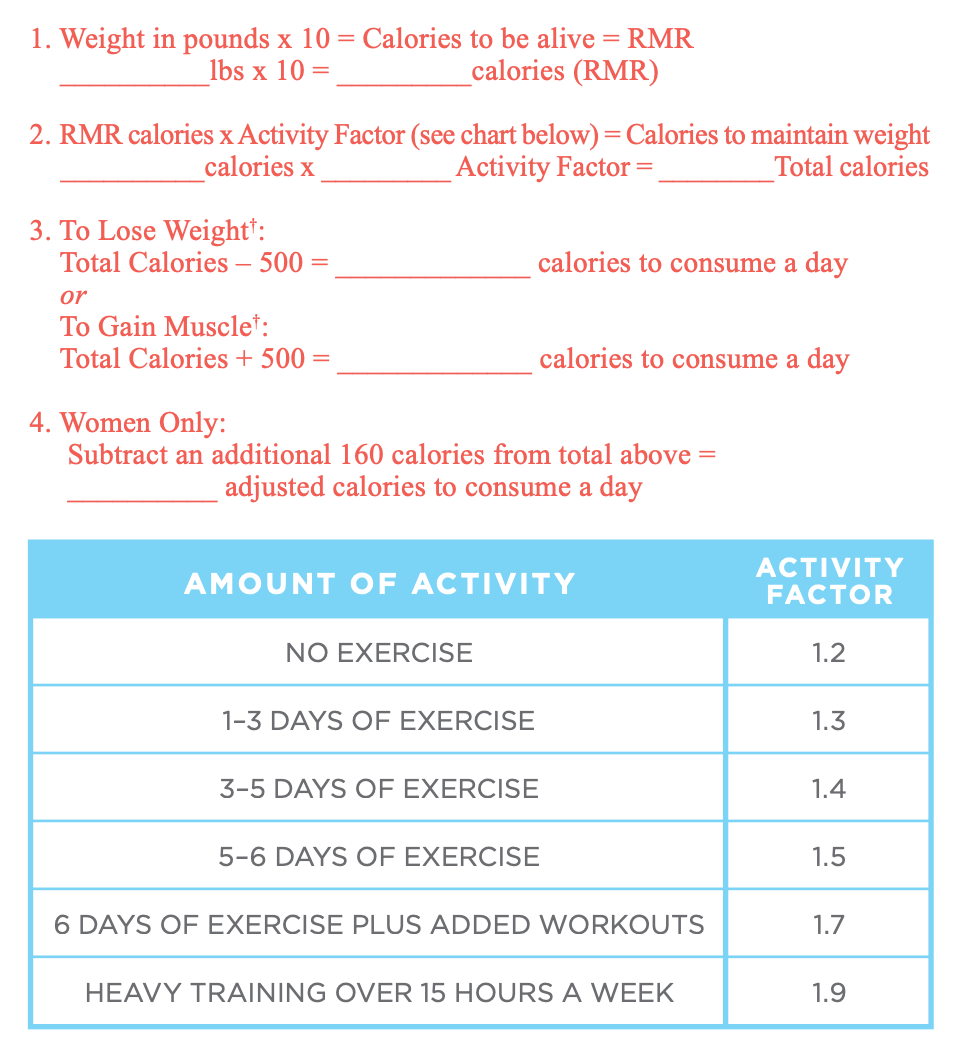
Before diving into tracking, understanding your baseline caloric needs is crucial. Online calculators and BMR (Basal Metabolic Rate) estimation tools provide a foundational starting point. BMR represents the number of calories your body burns at rest to maintain basic life-sustaining functions. Tools like the Mifflin-St Jeor equation or Harris-Benedict formula are commonly integrated into these online platforms. Users input their age, sex, height, and weight, and the calculator provides an estimated BMR.
Building upon BMR, the Total Daily Energy Expenditure (TDEE) is calculated by multiplying the BMR by an activity factor. This factor accounts for various levels of physical activity, from sedentary to very active. While these calculators provide estimates, they are valuable for setting initial calorie targets for weight maintenance, deficit for weight loss, or surplus for weight gain. They offer a data-driven blueprint that can then be refined through more sophisticated tracking and feedback mechanisms.
Beyond Basic Tracking: Wearables and AI for Personalized Insights
While apps provide excellent logging capabilities, the next frontier in calorie management involves leveraging smart wearables and artificial intelligence (AI) to collect passive data and offer dynamic, highly personalized recommendations.
Smart Wearables: Activity Trackers and Smartwatches
Wearable technology, including fitness trackers and smartwatches (e.g., Apple Watch, Fitbit, Garmin), has significantly enhanced our ability to monitor energy expenditure in real-time. These devices track various metrics such as steps taken, distance covered, heart rate, sleep patterns, and even estimated calorie burn during exercise. By continuously monitoring activity levels, wearables provide a more accurate picture of an individual’s TDEE than static activity factors used in online calculators.
The integration of wearable data with calorie-counting apps is a game-changer. For example, if your smartwatch reports a higher-than-usual calorie burn from an intense workout, a connected nutrition app can automatically adjust your daily caloric allowance, preventing under-fueling or overeating relative to your actual activity. This dynamic feedback loop ensures that calorie targets remain responsive to your daily energy output, making dietary plans more flexible and sustainable.
AI-Powered Nutrition Coaches and Platforms
Artificial intelligence is rapidly transforming personalized nutrition, moving beyond simple data aggregation to offer predictive analytics and adaptive coaching. AI-powered platforms can analyze vast amounts of user data – including food logs, activity data from wearables, weight fluctuations, and even genetic predispositions (if provided) – to identify patterns and make highly tailored recommendations.
These intelligent systems can learn individual responses to different foods and exercise regimes, predicting how certain dietary choices might impact weight or energy levels. Some AI coaches can even suggest meal ideas based on dietary preferences, available ingredients, and caloric goals, evolving their advice as your body adapts. This level of personalized guidance mimics a human nutritionist but with the capacity to process and analyze data at a scale impossible for a human, providing continuous, data-driven optimization of your caloric intake strategy.
Smart Kitchen Gadgets and Food Scanners
The latest innovations extend into the kitchen itself. Smart scales that can track nutritional content of ingredients, smart blenders that calculate calories in smoothies, and even handheld food scanners that analyze the macronutrient breakdown of meals are emerging technologies. While still relatively niche, these gadgets promise to further streamline the data collection process, reducing the need for manual input and enhancing accuracy.
Imagine scanning your plate with a device that instantly identifies foods and estimates their caloric and nutritional content, automatically syncing with your calorie-tracking app. This integration of smart kitchen devices into the broader tech ecosystem aims to make calorie counting less burdensome and more ingrained into daily routines, offering a frictionless path to understanding precisely what you consume.
Navigating the Data: Interpreting and Adapting Your Calorie Strategy
Collecting data is only half the battle; the true power of technology lies in its ability to help us interpret this information and make intelligent adjustments to our calorie strategy. Effective data analysis ensures that the tech tools serve as guides, not just glorified logbooks.
Analyzing Trends and Identifying Patterns
Most modern nutrition apps and wearable platforms offer robust analytics dashboards. These tools allow users to visualize their calorie and macronutrient intake over time, track weight fluctuations, and monitor activity levels. By reviewing weekly or monthly trends, individuals can identify patterns that might not be obvious on a daily basis. For instance, you might notice a consistent caloric surplus on weekends, or a protein deficit on days when you don’t prep meals.
These insights are invaluable for pinpointing areas for improvement and understanding the long-term impact of dietary choices. Instead of reacting to daily numbers, analyzing trends helps in making sustainable, strategic changes. It provides a holistic view of your progress and helps validate the effectiveness of your chosen approach.
Adjusting Intake Based on Activity and Goals
The dynamic nature of our energy needs means that a static calorie goal is rarely optimal. Technology facilitates agile adjustments. If your activity levels increase significantly due to a new exercise routine, your apps, especially those integrated with wearables, can recommend a higher caloric intake to match your increased energy expenditure. Conversely, if activity decreases, adjustments can be made to prevent unwanted weight gain.
Furthermore, as your body changes (e.g., you lose weight), your metabolic rate will also change. Regular re-evaluation of your BMR and TDEE using updated body metrics is crucial. Many apps automate this by prompting you to update your weight and adjusting calorie goals accordingly, ensuring your strategy remains aligned with your evolving body and goals. This adaptive approach is key to breaking through plateaus and maintaining momentum towards your health objectives.
Data Privacy and Security Considerations
As we increasingly rely on technology to manage sensitive personal health data, considerations around privacy and security become paramount. Users must be diligent in understanding how their data is collected, stored, and used by the apps and platforms they choose.
It is essential to select reputable apps and services with clear privacy policies. Users should be aware of data sharing practices, especially if the app integrates with third-party services or shares anonymized data for research purposes. Employing strong passwords, enabling two-factor authentication where available, and regularly reviewing privacy settings are critical steps to safeguard personal health information in this digitally-driven world.
Future Trends: The Evolution of Digital Nutrition
The landscape of tech-assisted nutrition is continually evolving, with exciting innovations on the horizon that promise even greater personalization and integration.
Hyper-Personalized Nutrition through Genomics
The ultimate frontier in personalized nutrition lies in genomics. Companies are beginning to offer DNA testing services that analyze genetic markers influencing metabolism, nutrient absorption, food sensitivities, and even taste preferences. While still in its early stages and subject to ongoing scientific validation, the integration of genomic data with AI platforms could provide hyper-personalized dietary recommendations at an unprecedented level.
Imagine an app that not only knows your activity level and current weight but also understands how your body uniquely processes carbohydrates based on your genetic code. This could lead to dietary advice so precise it accounts for your individual susceptibility to certain nutrient deficiencies or your optimal macronutrient ratios for performance, moving beyond population averages to truly individualistic health strategies.
Augmented Reality for Food Recognition
Augmented Reality (AR) is poised to transform how we log food. Future AR applications could allow users to simply point their phone camera at a plate of food, and the app would instantly identify the items, estimate portion sizes, and log the caloric and nutritional content. This would dramatically reduce the friction associated with manual logging, making calorie tracking almost effortless.
Such technology could also provide real-time nutritional feedback, overlaying data points directly onto the food in view, helping users make healthier choices before consumption. The integration of AR with existing food databases and AI recognition capabilities holds immense potential for simplifying and enhancing dietary adherence.
Integration with Telehealth and Remote Coaching
The synergy between digital nutrition tools and telehealth services is also growing. Nutrition apps can serve as powerful data streams for registered dietitians and health coaches, allowing them to monitor client progress in real-time, provide personalized feedback, and adjust plans remotely. This integration facilitates more continuous and informed professional guidance, bridging the gap between clinical advice and daily dietary practice.
Remote coaching models, empowered by these digital platforms, can make expert nutritional support more accessible and affordable, democratizing access to high-quality dietary guidance for a broader population. This convergence promises a more holistic, integrated approach to health and wellness, where technology empowers both individuals and professionals to achieve optimal nutritional outcomes.
In conclusion, understanding how many calories to consume is no longer a matter of guesswork or broad generalizations. The sophisticated array of digital tools available today – from intuitive mobile apps and advanced wearables to intelligent AI coaches and emerging kitchen gadgets – provides individuals with the precision, personalization, and real-time feedback necessary to navigate their nutritional journey effectively. By embracing these technological innovations, we can move towards a future where diet management is not just about counting calories, but about truly understanding and optimizing our unique energy needs for a healthier, more vibrant life. The key lies in selecting the right tools, interpreting the data wisely, and adapting strategies to forge a path to sustained well-being.
aViewFromTheCave is a participant in the Amazon Services LLC Associates Program, an affiliate advertising program designed to provide a means for sites to earn advertising fees by advertising and linking to Amazon.com. Amazon, the Amazon logo, AmazonSupply, and the AmazonSupply logo are trademarks of Amazon.com, Inc. or its affiliates. As an Amazon Associate we earn affiliate commissions from qualifying purchases.