
Finding the most affordable auto insurance is a primary objective for millions of vehicle owners looking to optimize their personal finances. However, the concept of “cheapest” is rarely a fixed number. Because insurance is a product predicated on risk management, the lowest premium for one driver might be the highest for another. Navigating the landscape of providers requires a nuanced understanding of how insurance companies calculate risk, how your personal financial profile impacts your rates, and which providers consistently lead the market in value-driven pricing.
The Core Determinants of Insurance Pricing
To understand which auto insurance is cheapest, one must first dismantle the machinery of actuarial science. Insurance companies use complex algorithms to predict the likelihood of a policyholder filing a claim. These variables are categorized into several key pillars that dictate the baseline of your premium.
Geography and the “Zip Code Factor”
Your location is perhaps the most significant non-driving factor in determining your rates. Insurance companies analyze claim frequencies within specific zip codes. If you live in a densely populated urban area with high rates of theft, vandalism, and traffic congestion, you will pay significantly more than a driver in a rural setting. Furthermore, state laws regarding “no-fault” insurance or minimum liability requirements play a massive role. For instance, drivers in states like Michigan or Florida often face higher premiums due to unique legislative frameworks that increase the insurer’s potential payout liabilities.
Vehicle Type and Loss Ratios
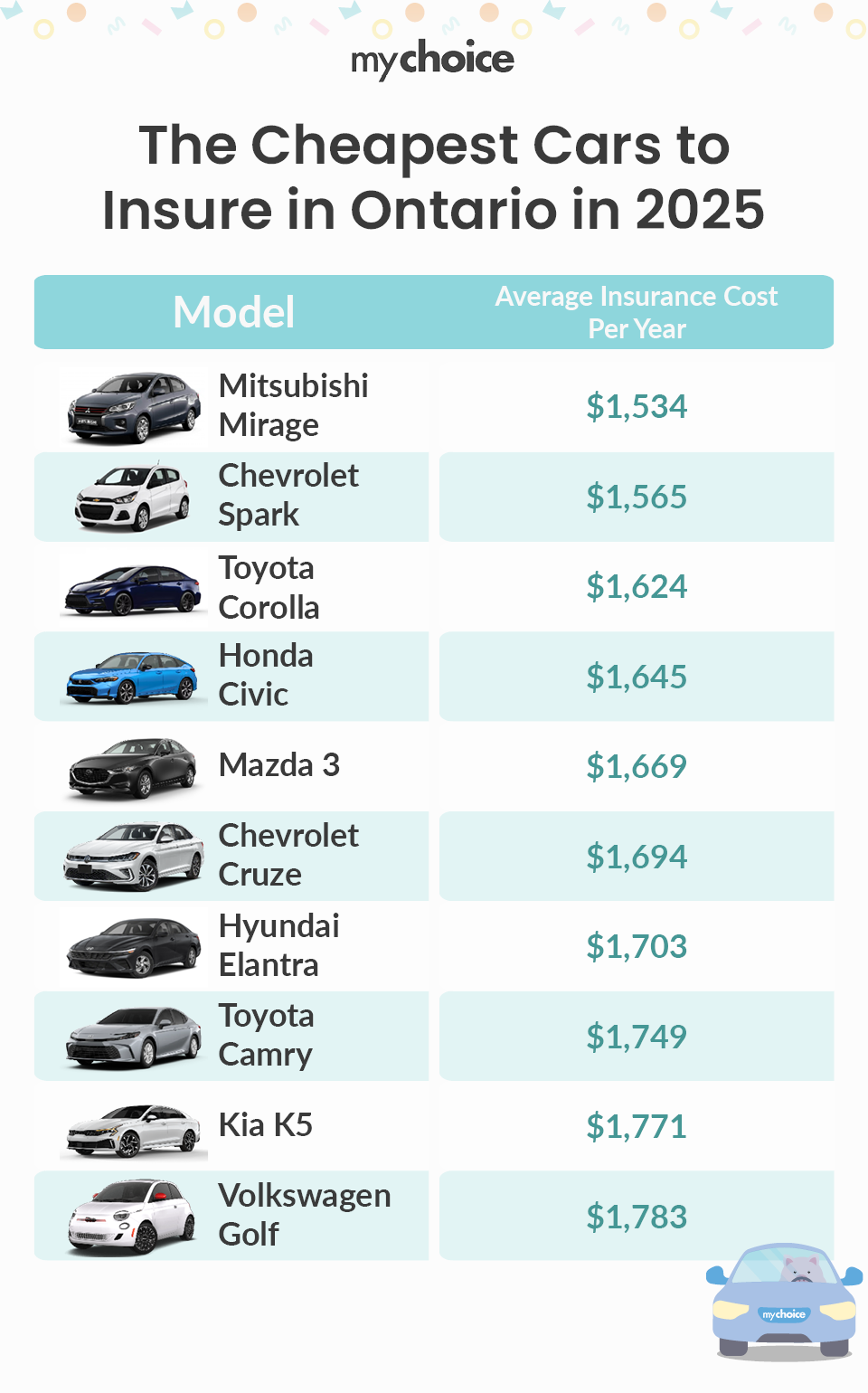
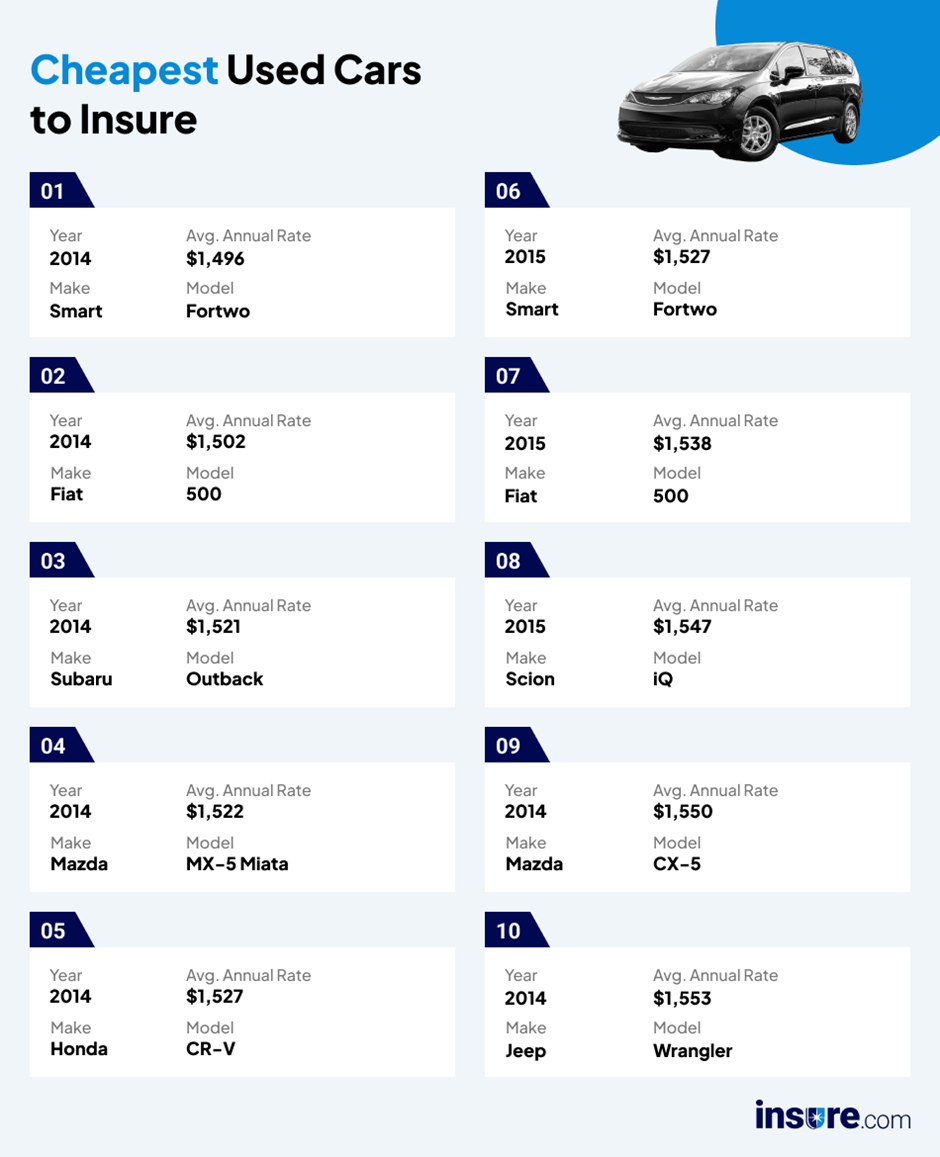
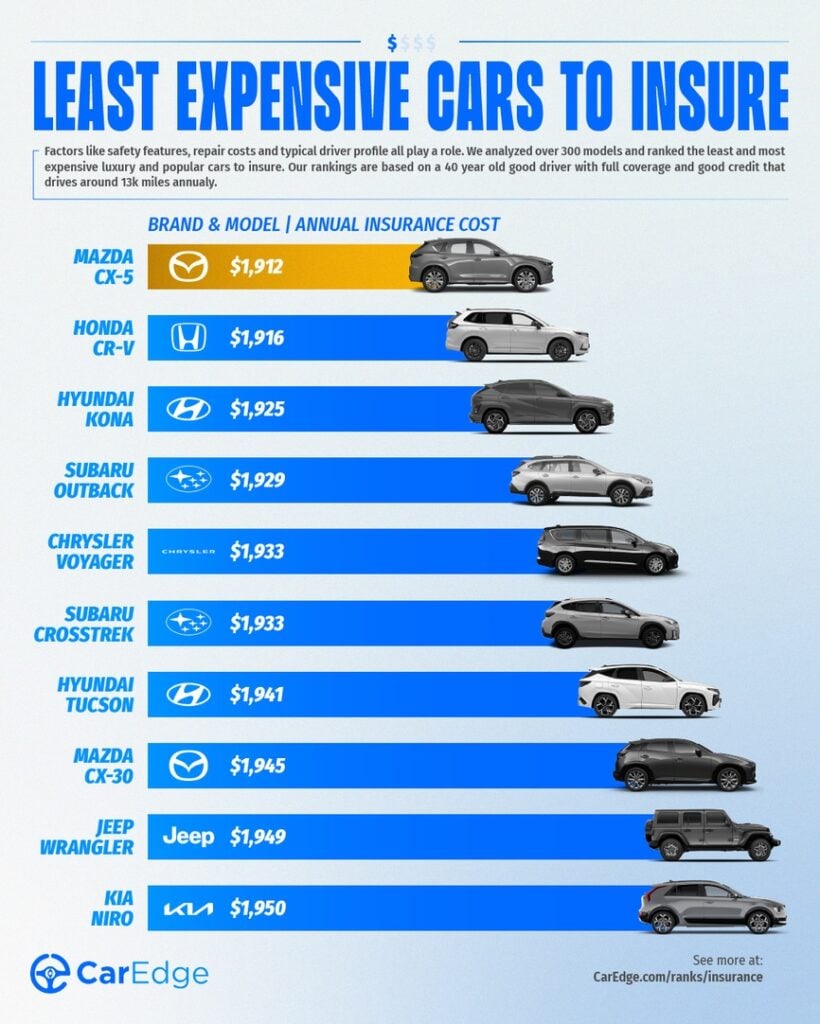
The car you drive is not just a status symbol; it is a financial liability in the eyes of an insurer. The “cheapest” insurance is often found for vehicles with high safety ratings and low repair costs. A high-performance sports car is expensive to insure because it is statistically more likely to be involved in high-speed accidents and costs more to repair. Conversely, a mid-sized sedan or a compact SUV with advanced driver-assistance systems (ADAS) often attracts lower premiums because it protects the occupants better and reduces the frequency of minor collisions.
Demographic Profiles and Risk Pools
Age, gender, and marital status remain standard metrics for risk assessment. Statistically, teen drivers and young adults under 25 are involved in more accidents, leading to the highest premiums in the market. As drivers reach their 30s and 40s, rates typically stabilize. Interestingly, married couples often receive lower rates than single individuals, as data suggests they tend to exhibit lower-risk driving behaviors. When searching for the cheapest insurance, these demographic baselines set the floor for how low your premium can actually go.
Top Contenders for the Title of Most Affordable Provider
While rates fluctuate based on individual profiles, several companies consistently rank as the most cost-effective options in the United States. Identifying the cheapest provider often involves looking at both national giants and specialized regional players.
USAA: The Gold Standard for Military Families
For those who qualify, USAA is almost universally the cheapest auto insurance provider. Available to active-duty military, veterans, and their immediate families, USAA consistently beats the national average by hundreds of dollars per year. Their business model is built on serving a specific, statistically lower-risk population, which allows them to maintain lower overhead and pass those savings to members. Beyond the price, they also lead the industry in customer service and claims processing satisfaction.
GEICO: The Efficiency Leader
GEICO has built its brand on the promise of “15 minutes could save you 15% or more,” and for many drivers, this is not just marketing. GEICO maintains a lean operational structure, focusing heavily on direct-to-consumer digital interactions rather than a vast network of local agents. This lower overhead often translates into lower base premiums. They are particularly competitive for drivers with clean records and those looking for a no-frills, liability-only policy.
State Farm and the Power of Bundling
State Farm is the largest auto insurer in the U.S., and while their standalone rates might not always be the absolute lowest, they are frequently the cheapest when “bundling” is factored in. For homeowners or renters, State Farm’s multi-policy discounts are among the most aggressive in the industry. By consolidating your financial protections under one roof, the effective cost of your auto insurance can drop significantly, making them a top choice for families and established households.
Erie Insurance: The Regional Powerhouse
For those living in the Mid-Atlantic or Midwestern states, Erie Insurance often provides rates that undercut the national giants. As a regional carrier, Erie focuses on specific markets where they have deep historical data and localized risk assessment. They are well-known for their “Erie Rate Protect” feature, which allows policyholders to lock in their rates so they don’t increase even if you have a claim, providing long-term financial predictability that national carriers rarely offer.
The Hidden Impact of Credit Scores and Financial Habits
In the realm of personal finance, your credit-based insurance score is a silent but potent driver of auto insurance costs. In most states, insurers use your credit history to help predict the likelihood of future claims.
The Correlation Between Credit and Risk
Actuarial data indicates a strong correlation between financial responsibility and driving safety. Individuals with high credit scores—characterized by long-term credit history, low utilization, and a track record of on-time payments—are statistically less likely to file claims. Consequently, those with “Excellent” credit can see premiums that are 50% lower than those with “Poor” credit, even if both drivers have identical driving records. Improving your credit score is, therefore, one of the most effective long-term strategies for securing the cheapest auto insurance.
Managing Your “Insurance Score”
Unlike a standard FICO score used for loans, an insurance score focuses more on your payment history and outstanding debt rather than your total available credit. To keep this score high, avoid letting your current insurance policy lapse. A lapse in coverage, even for a few days, signals financial instability to an insurer and can result in a significant premium hike when you re-apply for coverage. Maintaining continuous coverage is a prerequisite for accessing the most competitive market rates.
Advanced Tactics for Reducing Premiums
Beyond choosing the right provider, there are several strategic maneuvers a policyholder can employ to drive costs down to the absolute minimum.
The Strategic Use of Deductibles
The deductible is the amount you pay out-of-pocket before insurance kicks in. Choosing a higher deductible—moving from $500 to $1,000 or $2,000—can lower your monthly premium by 15% to 30%. From a personal finance perspective, this is a trade-off between monthly cash flow and emergency fund readiness. If you have a healthy emergency fund, taking on a higher deductible is a mathematically sound way to reduce your fixed monthly expenses.
Telematics and Usage-Based Insurance (UBI)
The most significant shift in the insurance industry over the last decade is the rise of telematics. Programs like Progressive’s Snapshot or State Farm’s Drive Safe & Save track your actual driving habits—braking, acceleration, speed, and time of day—via a smartphone app or a plug-in device. For safe, low-mileage drivers, telematics can result in discounts of up to 40%. This moves the “cheapest” insurance away from a demographic average and toward a personalized rate based on your actual behavior behind the wheel.
Maximizing Every Available Discount
Most drivers leave money on the table by failing to audit their available discounts. Beyond the standard “good driver” discount, many insurers offer reductions for:
-
Affinity Groups: Alumni associations, professional organizations, or specific employers.
-
Education: “Good student” discounts for those with a 3.0 GPA or higher.
-
Safety Equipment: Discounts for anti-theft devices, daytime running lights, and lane-departure warnings.
-
Payment Methods: Significant savings are often available for those who pay their six-month or annual premium in full rather than via monthly installments, which often include administrative fees.
Navigating the Quote Comparison Process
To find which auto insurance is truly the cheapest for your specific profile, you must engage in a disciplined comparison process. The market is highly volatile, and the company that was cheapest for you last year may not be the cheapest today.
The Annual Audit
Financial experts recommend shopping for auto insurance quotes at least once a year or whenever a major life event occurs—such as moving, buying a new car, getting married, or seeing a significant improvement in your credit score. Using online aggregator tools can provide a baseline of the market, but it is often beneficial to go directly to the insurer’s website for a final quote, as aggregators may not always account for every specific discount.
Evaluating the “Value” vs. “Price”
The cheapest insurance is only a bargain if the company actually pays out when a claim is filed. Before committing to a low-cost provider, check their financial strength ratings through agencies like A.M. Best or Moody’s. A company with an “A” rating or higher has the capital reserves to handle large-scale claims events. Additionally, consult the J.D. Power claims satisfaction surveys. Saving $20 a month is a poor trade-off if the insurer provides a bureaucratic nightmare during the stress of an accident.
Ultimately, the “cheapest” auto insurance is found at the intersection of a high credit score, a clean driving record, a safe vehicle, and a provider whose risk appetite aligns with your specific profile. By treating auto insurance as a dynamic component of your broader financial strategy—rather than a “set it and forget it” expense—you can consistently secure the lowest possible rates while maintaining the protection necessary for your financial security.
aViewFromTheCave is a participant in the Amazon Services LLC Associates Program, an affiliate advertising program designed to provide a means for sites to earn advertising fees by advertising and linking to Amazon.com. Amazon, the Amazon logo, AmazonSupply, and the AmazonSupply logo are trademarks of Amazon.com, Inc. or its affiliates. As an Amazon Associate we earn affiliate commissions from qualifying purchases.