
Tax season is often viewed with a mixture of trepidation and necessity. For the modern taxpayer, the goal is twofold: ensuring absolute compliance with the Internal Revenue Service (IRS) and minimizing the costs associated with filing. TurboTax, developed by Intuit, has long stood as the market leader in the tax preparation software industry. However, as financial literacy becomes a priority for more households, the demand for “free” solutions has surged. Navigating the options for zero-cost filing requires a strategic understanding of eligibility requirements, the distinction between various software tiers, and the evolving relationship between the private sector and federal mandates.

The Strategic Architecture of Free Tax Filing
The concept of “free” in the world of financial software is rarely a monolith. In the context of TurboTax, there are two primary avenues through which a taxpayer can file without an out-of-pocket fee: the TurboTax Free Edition and the IRS Free File program. Understanding the technical and financial boundaries between these two is essential for anyone looking to optimize their personal balance sheet during tax season.
The TurboTax Free Edition for Simple Returns
The TurboTax Free Edition is a product designed specifically for what the industry labels “simple tax returns.” Historically, this was defined by the use of Form 1040 without additional schedules. In practical terms, this typically applies to individuals whose income is derived primarily from W-2 wages, limited interest or dividend income (1099-INT or 1099-DIV), and those claiming the standard deduction.
For many early-career professionals or students, this edition provides a robust entry point into digital tax management. It allows for the filing of both federal and state returns at no cost, provided the taxpayer does not have complex financial situations such as freelance income (1099-NEC), rental property income, or significant investment capital gains. The financial advantage here is clear: it removes the barrier to entry for basic compliance, allowing users to allocate those saved funds toward high-yield savings accounts or debt reduction.
The IRS Free File Program
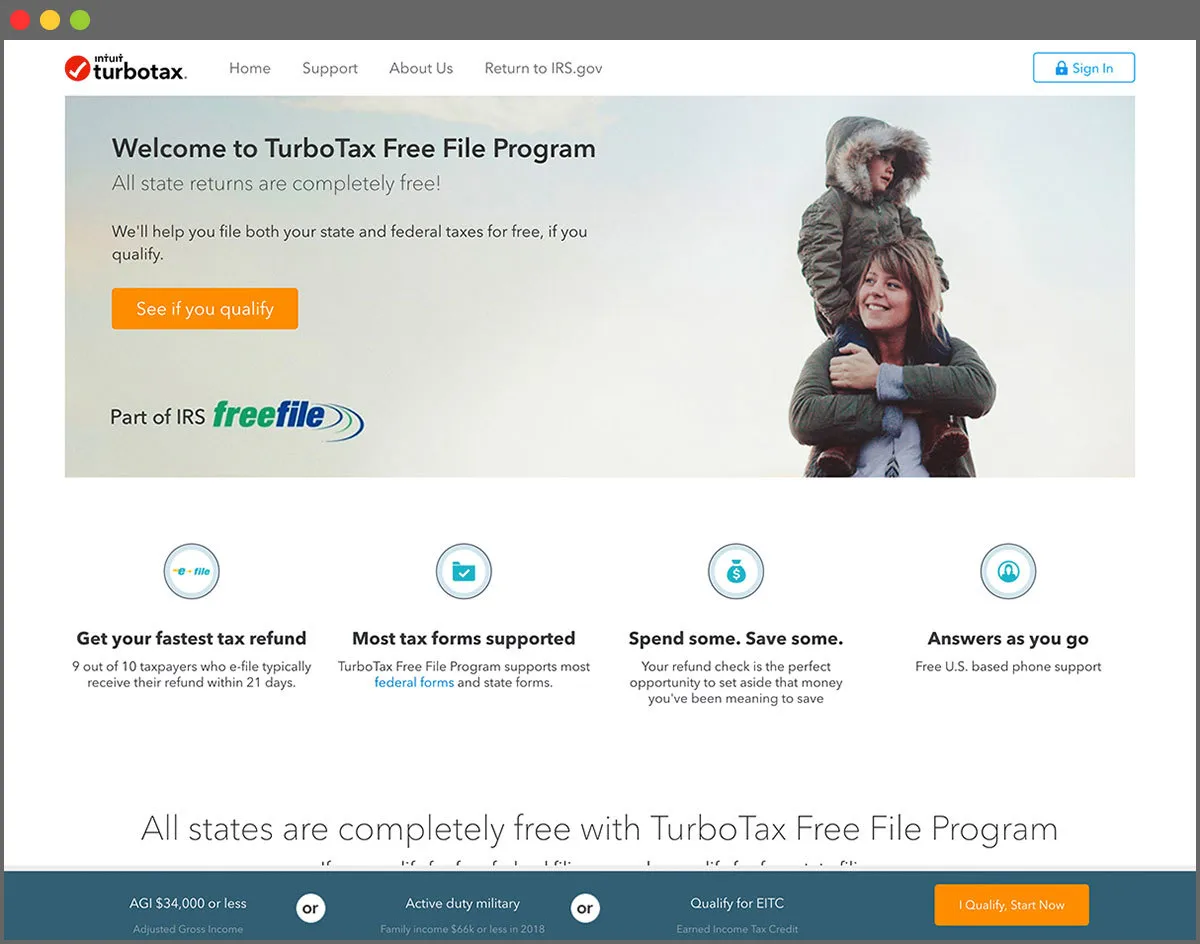
Beyond the proprietary “Free Edition,” there is the IRS Free File program. This is a public-private partnership between the IRS and several tax preparation software companies, including Intuit in various years. This program is generally restricted by Adjusted Gross Income (AGI). For the 2023 and 2024 tax years, the AGI threshold has typically been set around $79,000.
The strategic benefit of the IRS Free File program over the standard commercial Free Edition is the breadth of forms covered. While the commercial version may upsell a user the moment they mention student loan interest or a small side hustle, the Free File version often includes more complex schedules at no cost, provided the user meets the income requirements. This makes it a powerful tool for middle-income earners who want professional-grade software without the premium price tag.
Maximizing Financial Efficiency Through Free Software Tiers
To successfully navigate a free filing experience, one must be aware of the “upsell” mechanics inherent in financial software ecosystems. TurboTax, as a business entity, utilizes a “freemium” model. The goal is to provide value at the entry level while offering paid upgrades for convenience or complexity. From a personal finance perspective, the objective is to remain within the free tier by maintaining organized records and understanding which financial moves trigger a transition to a paid product.
Identifying “Simple” Financial Triggers
The most common reason taxpayers find themselves moved out of the free tier is the introduction of Schedule 1, 2, or 3. These schedules cover a variety of financial activities:
-
Unemployment Income: In some years, reporting 1099-G income has required an upgrade.
-
Student Loan Interest: While a common deduction (Form 1098-E), it sometimes triggers a requirement for a higher software tier.
-
Health Savings Accounts (HSA): Contributions or distributions (Form 1099-SA) often move a return out of the “simple” category.
To get TurboTax free, one must audit their financial year. If your financial life includes freelance “gig” work or cryptocurrency trading, the standard Free Edition will likely prompt a paid upgrade. In these instances, the taxpayer must weigh the cost of the software against the potential tax savings discovered by the software’s optimization algorithms.
The State Filing Variable
One of the most significant pitfalls in the search for free tax software is the state return. Many “free” programs offer a $0 federal return but charge between $40 and $60 for a state return. To truly get TurboTax free, users must ensure they are using the version that explicitly includes one state filing for $0. This is often available during early-season promotions or specifically through the IRS Free File landing page. From a wealth-management standpoint, paying $50 to file a state return when the refund is only $100 represents a 50% “tax” on the refund itself—a scenario every financially savvy individual should avoid.
Strategic Alternatives: Comparing the Value Proposition
While the goal is often to get TurboTax specifically because of its user-friendly interface, a comprehensive financial strategy involves looking at the broader market. There are several competitors that offer “always free” models that challenge the traditional tiers of Intuit’s flagship product.
Cash App Taxes (Formerly Credit Karma Tax)
For those who find that their “simple” return is too complex for TurboTax’s free version, Cash App Taxes represents a significant disruptor. It offers free federal and state filing for a much wider range of forms, including some business income and capital gains. The trade-off is the integration into the Cash App ecosystem, but for a taxpayer looking to eliminate filing costs entirely, it is a formidable financial tool.
FreeTaxUSA and the Value of Transparency
FreeTaxUSA is often cited by personal finance experts as the gold standard for low-cost filing. While the federal return is free for almost everyone regardless of complexity, they do charge a small, flat fee for state returns (typically under $20). When compared to the $60+ fees often found in the “Deluxe” or “Premium” versions of major brands, FreeTaxUSA offers a more predictable cost structure for those whose financial lives have outgrown the “simple” W-2 return.
The IRS Direct File Pilot
In a move that could shift the entire landscape of personal finance and tax compliance, the IRS has launched a Direct File pilot program. This is a government-run, free filing service that allows taxpayers to file directly with the IRS. While currently limited to certain states and simple tax situations, it represents the future of zero-cost compliance. For the taxpayer, this means a reduction in the “middleman” costs of tax preparation.
Avoiding Financial Pitfalls in Free Filing
Even when the software fee is $0, there are hidden costs and financial products offered during the filing process that can erode a taxpayer’s financial health. To truly file for free, one must navigate these offers with a disciplined approach.
The Refund Advance and Hidden Interest
Many tax prep services offer a “Refund Advance,” allowing taxpayers to get their money sooner. While marketed as a convenience, these are essentially short-term loans. Even if they are advertised as “0% interest,” there are often hidden fees or the requirement to pay for a premium software tier to qualify. From a liquidity management perspective, it is almost always better to wait the standard 7 to 21 days for an IRS direct deposit than to incur costs for an advance.
“Pay with Refund” Fees
A common trap for the unwary is the option to deduct the cost of the software (if any fees were incurred) directly from the tax refund. While this seems convenient, most services charge a “refund processing fee” or “convenience fee” for this service, often ranging from $40 to $100. This is an exorbitant cost for a simple transaction. A financially disciplined filer should always pay any necessary fees upfront via credit or debit card to avoid these predatory convenience charges.
Protecting Your Data as a Financial Asset
In the digital economy, data is a currency. Many free filing tools utilize the data provided to offer other financial products—loans, credit cards, or investment accounts. While this is a standard business model, the taxpayer should be aware of the “Value of Information.” When getting TurboTax or any other software for free, ensure you are opting out of unnecessary data-sharing agreements that could lead to an influx of targeted financial marketing.
The Long-Term View: Taxes as a Component of Wealth Management
Getting your taxes done for free is not just about saving $60 in February; it is about adopting a mindset of financial efficiency. Tax preparation is one of the few recurring annual financial obligations that every citizen faces. By mastering the tools available—whether it is the TurboTax Free Edition, the IRS Free File program, or emerging government direct-filing tools—you are taking control of your financial overhead.
For those with simple financial lives, the “Free” path is straightforward. For those whose finances are growing in complexity, the challenge is to stay informed. As the IRS expands its digital capabilities and as fintech companies continue to compete for your data, the opportunities to file at zero cost will only increase. The key to maximizing your tax refund and minimizing your expenses lies in the proactive management of these digital financial tools. In the end, the most valuable asset you have during tax season is not the software itself, but the knowledge of how to use the system to your financial advantage.
aViewFromTheCave is a participant in the Amazon Services LLC Associates Program, an affiliate advertising program designed to provide a means for sites to earn advertising fees by advertising and linking to Amazon.com. Amazon, the Amazon logo, AmazonSupply, and the AmazonSupply logo are trademarks of Amazon.com, Inc. or its affiliates. As an Amazon Associate we earn affiliate commissions from qualifying purchases.