
Finding affordable auto insurance can feel like navigating a dense, ever-changing maze. The seemingly simple question, “Which auto insurance is cheaper?” rarely has a straightforward answer, as the “cheapest” option is highly individual and contingent on a myriad of personal factors, driving habits, vehicle specifics, and even geographical location. In the realm of personal finance, auto insurance stands as a significant recurring expense, making the quest for cost-effective yet comprehensive coverage a priority for countless drivers. This article aims to demystify the complexities of auto insurance pricing, offering an insightful guide to understanding the variables at play and empowering you with actionable strategies to secure the most competitive rates without compromising on essential protection. We’ll delve into the core determinants of your premiums, explore strategic approaches to unlock savings, emphasize the critical role of comparison shopping, and discuss the delicate balance between affordability and adequate coverage.
Understanding the Core Determinants of Your Auto Insurance Premium
Before embarking on the search for the lowest premium, it’s crucial to grasp the fundamental factors that insurance companies consider when calculating your rates. These elements collectively paint a risk profile, which directly translates into the cost of your policy.
Your Personal Profile: Age, Driving Record, and Location
One of the most significant influences on your auto insurance premium is your personal demographic and historical risk indicators. Age plays a critical role, with young, inexperienced drivers typically facing the highest rates due to statistical evidence of higher accident involvement. As drivers mature and gain experience, their rates generally decrease, assuming a clean driving record.
Your driving record is arguably the most impactful factor. A history of accidents, traffic violations (like speeding tickets or DUIs), or past claims signals a higher risk to insurers, inevitably leading to higher premiums. Conversely, a long history of safe driving can qualify you for significant discounts, often referred to as “good driver” discounts.
Where you live also has a substantial bearing on your rates. Urban areas with higher traffic density, increased crime rates (auto theft, vandalism), and a greater likelihood of accidents typically incur higher premiums than rural or suburban areas. Even within the same city, differences in zip codes can lead to varying rates due to localized crime statistics, road conditions, and accident rates.
Your Vehicle and Coverage Choices
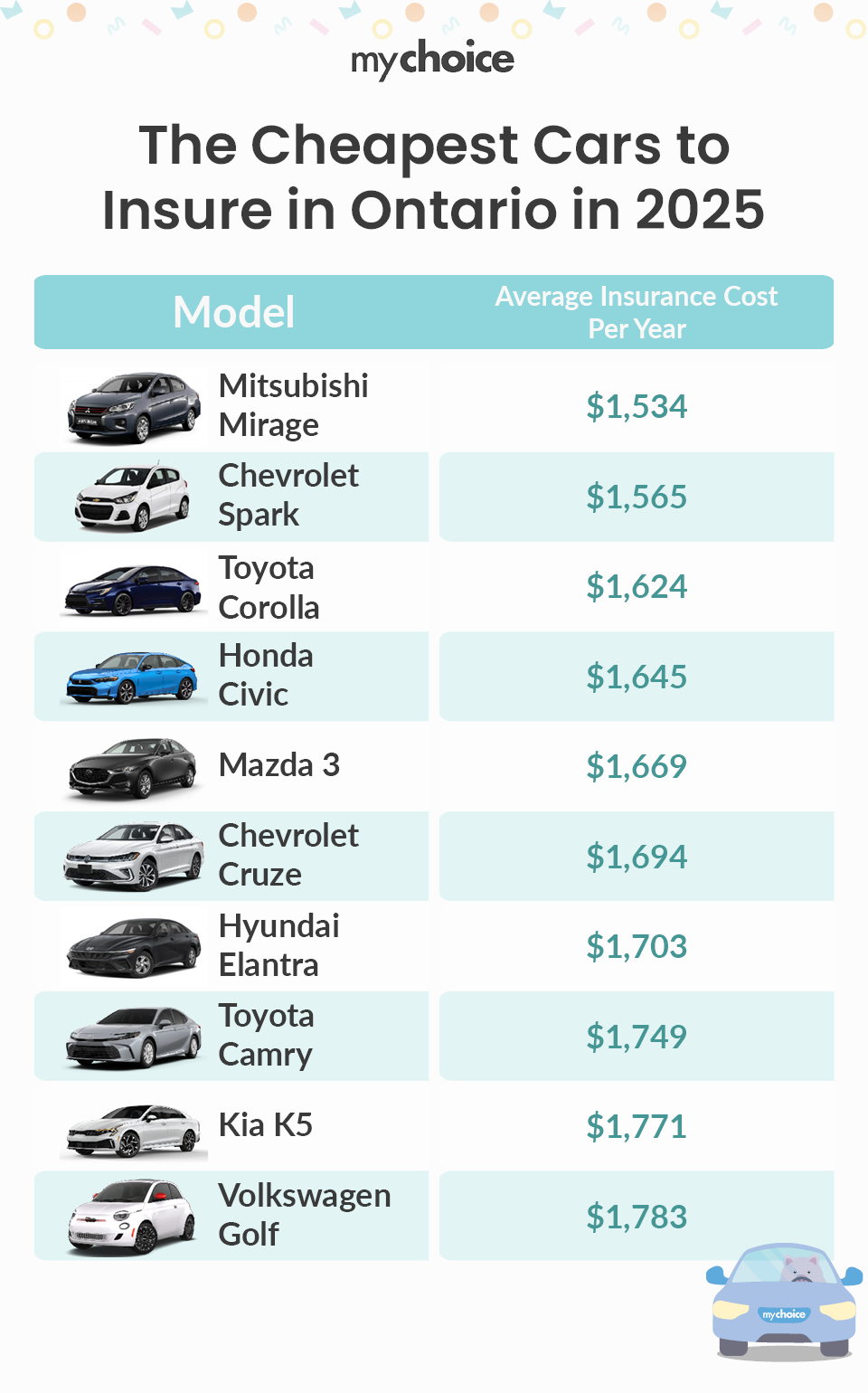
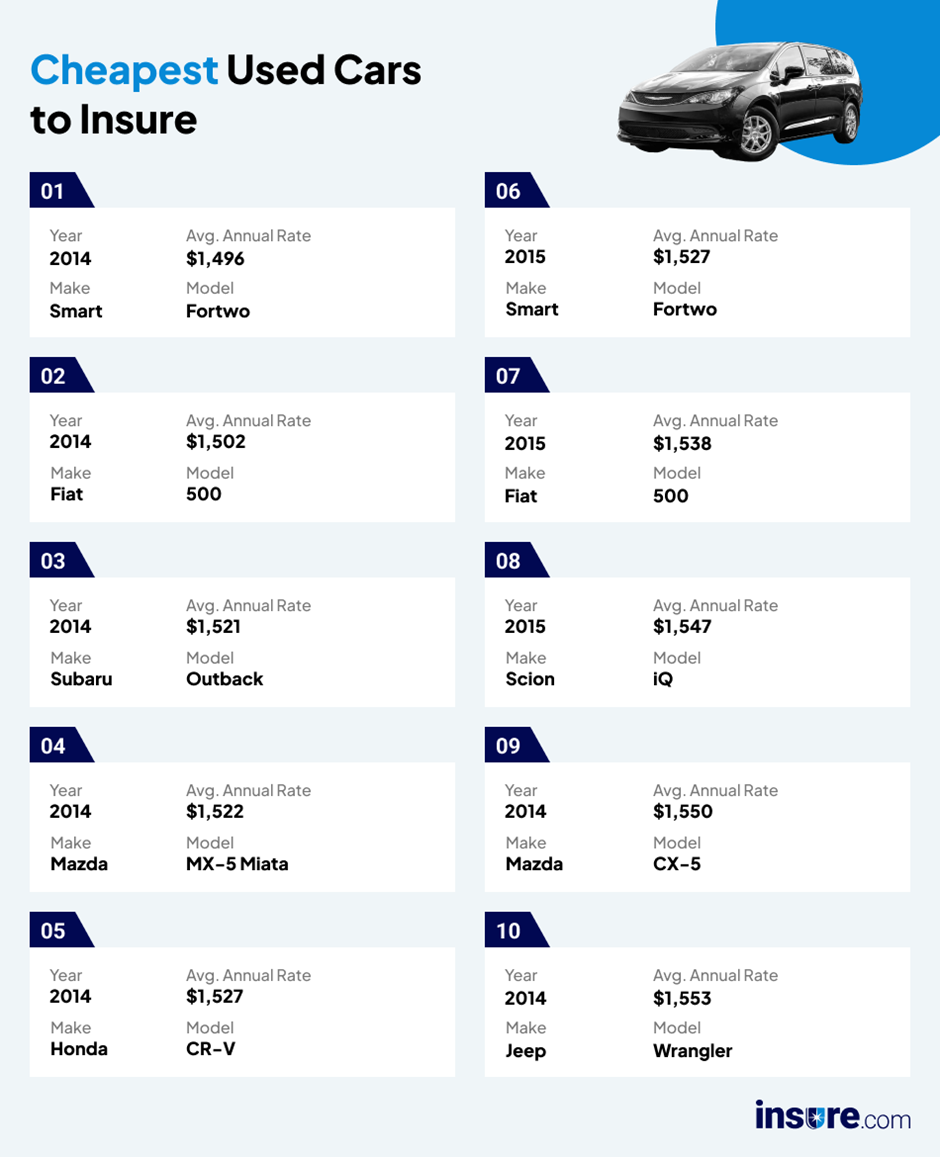
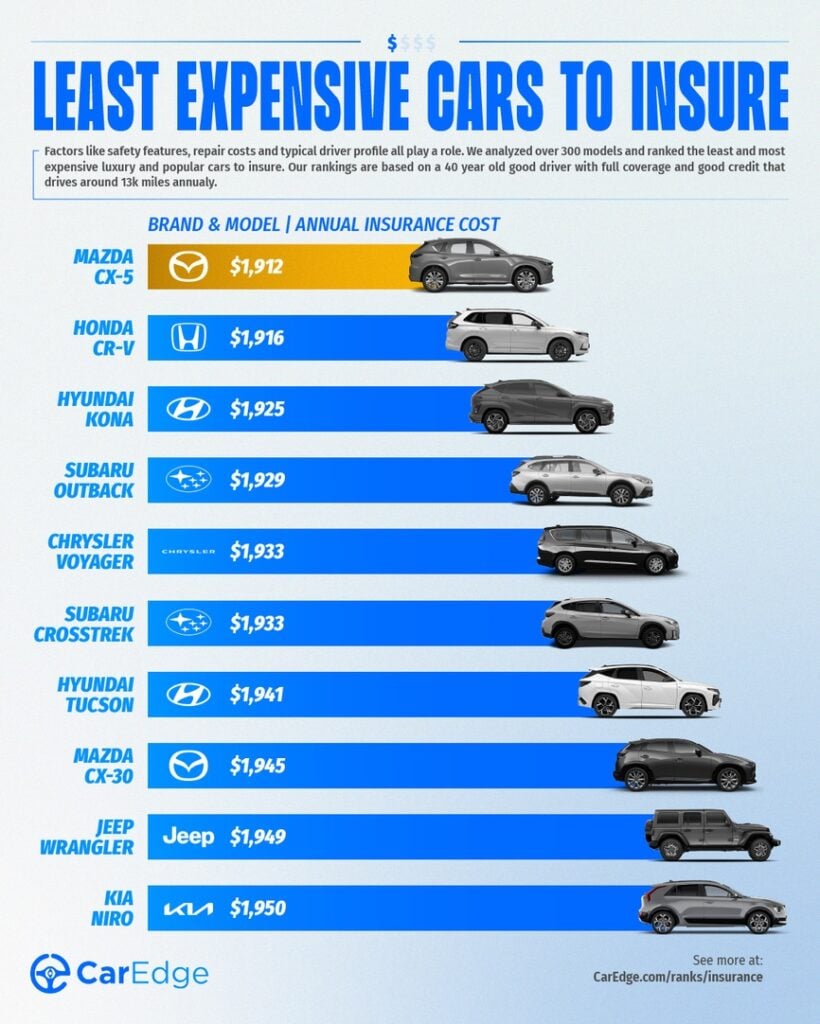
The type of vehicle you drive is another primary determinant. Insurers assess the cost to repair or replace your car, its safety ratings, and its theft appeal. Newer, more expensive vehicles with advanced technology or high-performance engines generally cost more to insure due to higher repair costs. Vehicles with excellent safety ratings, however, may qualify for safety feature discounts. The specific coverage options you choose also profoundly impact your premium. Basic liability coverage, which is legally mandated in most places, is the cheapest option but offers minimal protection. Adding comprehensive, collision, uninsured/underinsured motorist, medical payments, or personal injury protection (PIP) coverage will increase your premium but provide a far greater financial safety net.
The Role of Your Credit Score (Where Applicable)
In many states, your credit-based insurance score is a significant factor in determining your auto insurance premiums. Insurers use these scores as a predictor of how likely you are to file a claim. Statistical analysis has shown a correlation between a higher credit score and a lower likelihood of filing claims. Therefore, individuals with excellent credit scores often receive lower premiums, while those with poor credit may face higher rates. It’s important to note that some states have banned the use of credit scores in insurance pricing, so its applicability varies by location. If your state allows it, maintaining a healthy credit score can be a valuable financial strategy for reducing insurance costs.
Demystifying Deductibles and Liability Limits
Your choice of deductible and liability limits directly correlates with your premium. A deductible is the amount you pay out-of-pocket before your insurance coverage kicks in for a claim. Opting for a higher deductible (e.g., $1,000 instead of $500) will lower your premium, as you are taking on more of the initial financial risk. However, ensure you can comfortably afford your chosen deductible should an incident occur.
Liability limits refer to the maximum amount your insurer will pay for damages you cause to others in an at-fault accident. These are typically split into three numbers: per person for bodily injury, per accident for bodily injury, and per accident for property damage. While meeting the state minimums is the cheapest option, it’s often insufficient. Increasing your liability limits provides greater financial protection against potentially catastrophic lawsuits, but it will incrementally raise your premium. Finding the right balance here is key to responsible financial planning.
Strategic Approaches to Significantly Reduce Your Insurance Costs
While many factors are beyond your immediate control, numerous proactive strategies can help you secure more favorable auto insurance rates. Implementing these approaches can lead to substantial savings over time.
The Power of Bundling and Multi-Policy Discounts
One of the most effective ways to reduce your insurance costs is to “bundle” your policies. Most insurers offer significant discounts when you purchase multiple types of insurance from them, such as auto and home/renters insurance. This multi-policy discount can often be one of the largest available, sometimes saving you 10-25% on your total premiums. Beyond convenience, bundling consolidates your financial relationships with a single provider, often streamlining billing and claims processes. Always inquire about bundling options if you have more than one insurance need.
Leveraging Technology: Telematics and Usage-Based Insurance
The rise of technology has introduced innovative ways for drivers to lower their premiums, primarily through telematics and usage-based insurance (UBI) programs. These programs typically involve installing a small device in your car or using a mobile app to monitor your driving habits, such as mileage, speed, braking, acceleration, and time of day you drive. Safe drivers who demonstrate low-risk behavior can earn substantial discounts, sometimes up to 30% or more. While it requires sharing your driving data, for many, the financial rewards outweigh privacy concerns. These programs are particularly beneficial for low-mileage drivers or those with exemplary driving habits.
Smart Choices: Vehicle Selection and Anti-Theft Features
The car you choose to drive plays a direct role in your insurance costs. Before purchasing a vehicle, research its insurance costs. Cars that are historically expensive to repair, frequently stolen, or have high performance engines will command higher premiums. Opting for vehicles with excellent safety ratings and lower repair costs can lead to immediate savings. Furthermore, equipping your vehicle with anti-theft devices (e.g., car alarms, tracking systems, immobilizers) can often qualify you for additional discounts, as these features reduce the risk of theft and subsequent claims.
Asking for Discounts: A Comprehensive Checklist
Many drivers miss out on potential savings simply by not knowing what discounts are available or failing to ask. Insurers offer a wide array of discounts, and a proactive conversation with your agent or a thorough review of their website can reveal numerous opportunities. Common discounts include:
- Good Student Discount: For young drivers who maintain a certain GPA.
- Defensive Driver Course Discount: For completing an approved defensive driving course.
- Low Mileage Discount: For drivers who don’t drive frequently.
- Loyalty Discount: For long-term policyholders.
- Affinity/Group Discount: For members of certain organizations, alumni groups, or professional associations.
- Payment Discounts: For paying your premium in full, setting up auto-pay, or choosing paperless billing.
- New Car Discount: For insuring a brand-new vehicle.
- Multi-Car Discount: For insuring more than one vehicle with the same company.
Always ask your insurer for a comprehensive list of all available discounts and check if you qualify for any. Small discounts can add up significantly over the life of your policy.
The Imperative of Comparison Shopping and Policy Review
Even with a perfect driving record and a host of discounts, you might still be paying more than necessary if you don’t actively compare quotes and review your policy regularly. The insurance market is highly competitive, and rates can vary dramatically between providers for the exact same coverage.
Why You Should Never Settle for the First Quote
Insurance companies use proprietary algorithms to assess risk, and each company weighs different factors uniquely. This means that an excellent driving record might earn you a top-tier rate with one insurer, while another might place greater emphasis on your vehicle’s make and model, leading to a different pricing structure. Never assume that your current insurer or the first quote you receive is the best deal. Always solicit quotes from multiple providers to get a comprehensive view of the market. This financial due diligence is a cornerstone of smart money management.
Tools and Platforms for Effective Comparison
The digital age has simplified the process of comparison shopping. Numerous online comparison websites allow you to enter your information once and receive quotes from multiple insurers simultaneously. While these tools are convenient, it’s often beneficial to also get direct quotes from individual insurers, including local agents who might have access to regional discounts or niche providers not listed on aggregator sites. When comparing, ensure you are comparing identical coverage limits, deductibles, and endorsements to make an accurate apples-to-apples comparison. Documenting these comparisons can provide valuable leverage in negotiations.
Annual Policy Review: Unlocking Further Savings
Your life circumstances are not static, and neither should your insurance policy be. A dedicated annual review of your auto insurance policy is a crucial financial habit. During this review, consider:
- Changes in your driving habits: Have you started working from home, reducing your daily commute? This could qualify you for a low-mileage discount.
- Vehicle changes: Have you paid off your car loan? You might consider dropping collision and comprehensive coverage on older, less valuable vehicles if the premium cost outweighs the potential payout.
- Personal milestones: Have you gotten married, moved, or improved your credit score? These events can all impact your rates.
- Available discounts: Are there new discounts offered by your current insurer that you now qualify for?
An annual review is also the perfect opportunity to re-shop your policy with competitors, even if you’re satisfied with your current insurer. Market rates fluctuate, and new insurers may enter your market with more aggressive pricing.
When to Switch Insurers: Identifying Red Flags and Opportunities
While loyalty can sometimes yield discounts, blindly sticking with one insurer for years without checking the market can cost you dearly. It’s time to consider switching if:
- You find a significantly cheaper policy with comparable or better coverage elsewhere.
- Your current insurer raises your rates substantially without a clear reason (e.g., no accidents or tickets).
- You experience poor customer service or a difficult claims process.
- Your personal circumstances have changed dramatically, and another insurer better caters to your new profile.
Switching insurers is generally straightforward. Just ensure your new policy is active before canceling your old one to avoid any lapse in coverage.
Balancing Affordability with Adequate Protection
The pursuit of “cheaper” auto insurance should never come at the expense of adequate protection. While saving money is important, skimping on crucial coverage can expose you to immense financial risk in the event of an accident.
Essential vs. Optional Coverage: What Do You Really Need?
Every state mandates a minimum amount of liability coverage. This covers damages you cause to others. However, state minimums are often insufficient to cover serious accidents, potentially leaving you personally liable for the difference.
- Liability Coverage: Non-negotiable. Aim for higher limits than the state minimums if your assets warrant it.
- Collision Coverage: Pays for damage to your own car from an accident, regardless of fault. Essential for newer or financed vehicles.
- Comprehensive Coverage: Covers non-collision damage to your car (theft, vandalism, natural disasters, hitting an animal). Essential for newer or financed vehicles.
- Uninsured/Underinsured Motorist (UM/UIM): Protects you if you’re hit by a driver with no or insufficient insurance. Highly recommended, as many drivers operate without adequate coverage.
- Medical Payments/Personal Injury Protection (PIP): Covers medical expenses for you and your passengers, regardless of fault. Critical in “no-fault” states or if you lack sufficient health insurance.
Prioritize coverage that protects your assets and financial well-being. Once essential needs are met, you can then look at adjusting deductibles or exploring non-essential add-ons.
Avoiding the Pitfalls of Underinsurance
Underinsurance is a common financial mistake, especially among those solely focused on the lowest premium. If you are involved in a serious accident and your liability limits are too low, you could be sued for the remaining damages. This could lead to wage garnishment, asset seizure, or even bankruptcy. Similarly, if you drop collision or comprehensive on a valuable vehicle to save a few dollars, you’ll bear the full cost of repair or replacement if it’s damaged or stolen. Always assess your net worth, income, and comfort level with risk to determine appropriate coverage levels. A few extra dollars a month for higher limits is often a wise investment in financial security.
The Long-Term Value of a Good Insurer
While cost is a primary factor, don’t overlook the importance of an insurer’s reputation for customer service and claims handling. A cheap policy is only valuable if the company is reliable when you need them most. Research an insurer’s financial strength ratings, read customer reviews, and check their complaint ratios with regulatory bodies. A company with a smooth, efficient claims process can save you significant stress and financial headaches after an accident, proving that the “cheapest” upfront premium isn’t always the best long-term financial decision.
Dispelling Common Myths and Future Trends in Auto Insurance
The auto insurance landscape is constantly evolving, and several persistent myths can mislead consumers. Understanding these, along with emerging trends, can help you make more informed financial decisions.
“Loyalty Always Pays”: Re-evaluating Your Long-Term Relationship
While loyalty discounts exist, the idea that staying with one insurer automatically guarantees the best rate is often a myth. As discussed, market rates fluctuate, and new entrants or updated pricing models from competitors can quickly make your loyal policy less competitive. It’s smart financial practice to treat your insurance provider relationship as a regular review item, not a set-it-and-forget-it affair. Periodically checking rates with other providers is not disloyal; it’s prudent money management.
The Myth of “One Size Fits All” Cheap Insurance
There is no single auto insurance company that is universally cheaper for everyone. The “cheapest” insurer will vary drastically based on individual factors like age, location, driving record, vehicle, and credit score. What’s affordable for your neighbor might be expensive for you, and vice-versa. This reinforces the necessity of personalized comparison shopping rather than relying on generalized recommendations.
Emerging Technologies and Their Impact on Premiums
The future of auto insurance is being shaped by rapidly advancing technology. Beyond current telematics programs, the proliferation of advanced driver-assistance systems (ADAS) and autonomous vehicles promises to revolutionize risk assessment. As cars become safer and more self-driving, accident rates may decrease, potentially lowering premiums. However, the repair costs for these technologically advanced vehicles could also increase, creating a complex balance. Insurers are also exploring AI-driven risk assessment and hyper-personalized policies. Staying informed about these trends can help you adapt your insurance strategy in the years to come, ensuring your financial protection remains optimized and cost-effective.
In conclusion, finding the cheapest auto insurance requires a combination of understanding the underlying pricing factors, proactively seeking out discounts, diligently comparing quotes, and regularly reviewing your policy. It’s a continuous process of financial optimization that ensures you receive robust coverage at the most competitive price, protecting your assets and peace of mind on the road.
aViewFromTheCave is a participant in the Amazon Services LLC Associates Program, an affiliate advertising program designed to provide a means for sites to earn advertising fees by advertising and linking to Amazon.com. Amazon, the Amazon logo, AmazonSupply, and the AmazonSupply logo are trademarks of Amazon.com, Inc. or its affiliates. As an Amazon Associate we earn affiliate commissions from qualifying purchases.