
The question “where’s the Dow Jones at right now” is more than just a casual inquiry about a number; it’s a window into the prevailing sentiment of the global economy, a snapshot of investor confidence, and often, a trigger for countless financial decisions. In a world saturated with real-time data, the Dow Jones Industrial Average (DJIA) remains one of the most closely watched barometers of U.S. economic health, offering a daily pulse on the performance of thirty of America’s largest and most influential publicly traded companies. For individual investors, business leaders, and financial analysts alike, understanding its current standing and the forces that shape its movements is crucial for navigating the complex landscape of personal finance and investment strategy.

While a precise, real-time figure would require checking a live market feed, this article delves deeper into the context of that question, exploring what the Dow Jones is, why its current position matters, the myriad factors influencing its fluctuations, and how investors can interpret its movements to inform their financial planning. It’s not merely about knowing a number, but understanding the intricate ecosystem that number represents.
Understanding the Dow Jones Industrial Average
To truly grasp the significance of “where the Dow is,” one must first understand what it is and how it functions as a critical economic indicator. Its history, composition, and methodology all contribute to its unique role in the financial world.
What is the DJIA?
The Dow Jones Industrial Average is one of the oldest and most widely recognized stock market indices in the world, created by Charles Dow in 1896. Unlike broader market indices like the S&P 500, which includes 500 companies, the DJIA tracks the performance of just 30 large, publicly owned companies based in the United States. These companies are often referred to as “blue-chips” due to their size, stability, and established track records. Examples include Apple, Microsoft, Boeing, Coca-Cola, and Visa. The selection of these companies is not fixed but is determined by the editors of The Wall Street Journal, who aim to include companies that represent a significant portion of the U.S. economy and have a history of generating investor interest. While “Industrial” is part of its name, the index today includes companies from various sectors, reflecting the evolving nature of the American economy beyond traditional manufacturing.
Why is it Important?
The DJIA’s importance stems from several factors. Firstly, it serves as a highly visible and easily digestible proxy for the overall health of the U.S. stock market and, by extension, the broader economy. Because its component companies are large, multinational corporations, their collective performance often reflects broader economic trends, consumer confidence, and corporate profitability. A rising Dow generally signals economic expansion and investor optimism, while a falling Dow can indicate economic contraction or heightened uncertainty. Secondly, its longevity and historical data provide a valuable benchmark for comparing past and present market conditions. Investors often track its year-to-date performance or its movement against historical averages to gauge market momentum. Lastly, its pervasive media coverage means that its daily fluctuations heavily influence public perception and investor psychology, making it a critical, albeit sometimes misleading, barometer of financial well-being.
How it’s Calculated
The DJIA is a price-weighted index, a characteristic that differentiates it from market-capitalization-weighted indices like the S&P 500. In a price-weighted index, stocks with higher share prices have a greater impact on the index’s value than stocks with lower share prices, regardless of the company’s overall market capitalization. This calculation involves summing the prices of the 30 component stocks and then dividing by a “Dow divisor.” The divisor is adjusted for stock splits, mergers, and other structural changes to maintain the historical continuity of the index. This price-weighted methodology has been criticized by some for not accurately reflecting the actual size or economic impact of its constituent companies, as a small, high-priced stock might influence the index more than a large, lower-priced one. Nevertheless, its status as a historical benchmark and its widespread recognition ensure its continued relevance in financial discourse.
Current Snapshot: The Dow’s Performance Metrics
To answer “where’s the Dow Jones at right now,” one would ideally consult a live financial data provider. However, in a dynamic market, understanding the typical metrics and broader trends that define its current status offers more enduring insight than any single number. The Dow’s position is always relative to its recent past, its historical highs, and the overall market sentiment.
Recent Market Trends
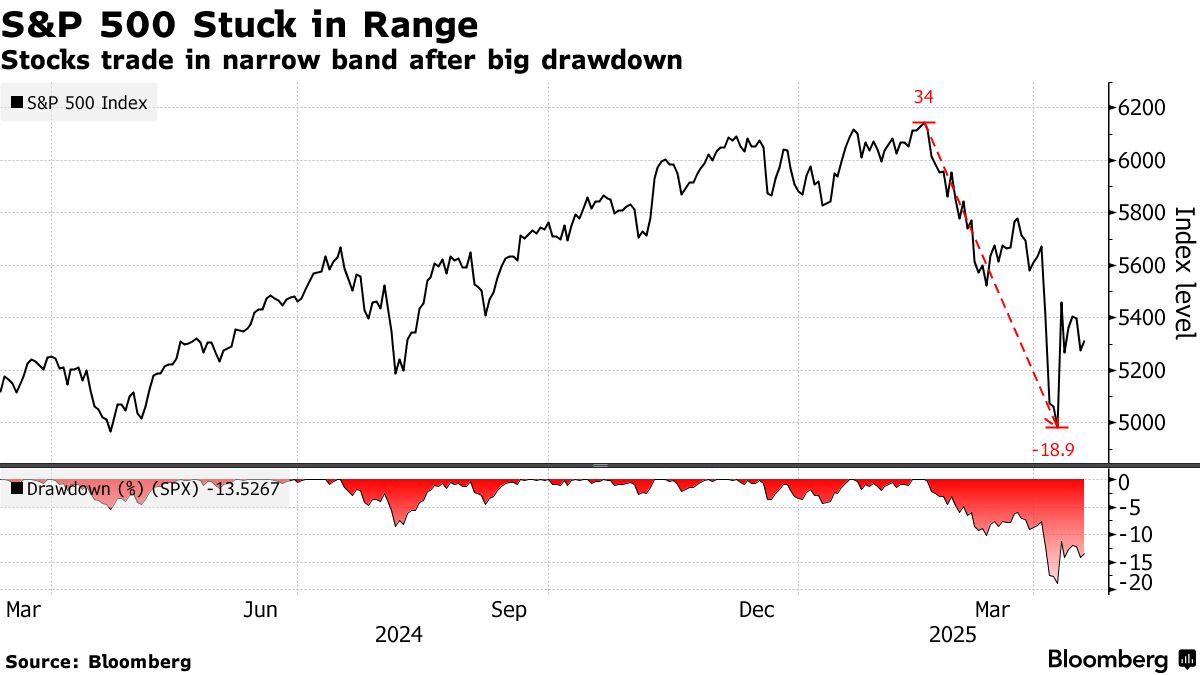
The Dow’s performance is rarely static; it oscillates daily, driven by a confluence of news, economic data, and investor reactions. Recent market trends can include periods of robust growth (a bull market), sustained declines (a bear market), or significant day-to-day volatility. For example, the market might be experiencing a period of cautious optimism following positive earnings reports from several large companies, leading to an upward trend. Conversely, concerns about inflation or geopolitical tensions could trigger a corrective phase, where the index pulls back from recent highs. Understanding these overarching trends helps contextualize any given day’s movement, distinguishing between a temporary blip and a more significant shift in market direction. Investors often look at moving averages (e.g., 50-day, 200-day) to identify if the current trend is upward, downward, or sideways.
Key Performance Indicators
Beyond the daily closing price, several key performance indicators (KPIs) provide a fuller picture of the Dow’s current standing. The “year-to-date” (YTD) performance measures how much the index has gained or lost since the beginning of the current calendar year. This is a common benchmark for assessing short-to-medium term investment returns. The “52-week high/low” indicates the highest and lowest points the Dow has reached over the past year, providing perspective on its current valuation relative to its recent range. If the Dow is near its 52-week high, it suggests strong momentum and investor confidence; if it’s closer to its 52-week low, it might signal underlying concerns or a period of recovery. Other metrics include percentage changes over various periods (e.g., 1-month, 3-month, 1-year) and comparisons to its historical average returns, all of which contribute to understanding its current health and trajectory.
A Glimpse at Current Market Sentiment
Market sentiment—the overall attitude of investors toward a particular market or asset—plays a significant role in the Dow’s day-to-day movements. This sentiment is influenced by a myriad of factors, including news headlines, economic reports, and investor psychology. For instance, a period of heightened market volatility, characterized by large swings in the Dow, might indicate investor uncertainty or a “risk-off” environment. Conversely, a steady climb with lower volatility could suggest a “risk-on” environment and strong confidence. Tools like the CBOE Volatility Index (VIX), often called the “fear gauge,” can offer insights into expected market volatility, which often correlates inversely with the Dow’s stability. Analysts also monitor indicators like buying vs. selling volumes, put/call ratios, and even social media sentiment to gauge the collective mood of the market, recognizing that human emotions, not just fundamentals, significantly impact short-term price action.
Forces Shaping the Dow’s Direction
The Dow Jones Industrial Average does not move in a vacuum. Its daily oscillations and long-term trends are the result of a complex interplay of macroeconomic data, corporate performance, geopolitical events, technological shifts, and investor psychology. Understanding these forces is key to interpreting the Dow’s current “location” and anticipating its potential future trajectory.
Macroeconomic Influences
Perhaps the most significant drivers of the Dow are broad macroeconomic indicators. Inflation, for instance, erodes purchasing power and corporate profits, often leading central banks, like the U.S. Federal Reserve, to raise interest rates. Higher interest rates can increase borrowing costs for companies and consumers, potentially slowing economic growth and making stocks less attractive compared to bonds. Gross Domestic Product (GDP) growth rates signal the overall health of the economy; strong GDP growth often correlates with higher corporate earnings and a rising stock market. Employment data, such as the monthly jobs report, offers insights into consumer spending power and economic vitality. Unexpected shifts in any of these critical data points can trigger immediate reactions in the Dow as investors adjust their outlooks for corporate profitability and future economic conditions.
Corporate Earnings & Outlook
At its core, the Dow represents 30 individual companies. Their collective financial health is paramount. Quarterly earnings reports, which detail revenues, profits, and future guidance, are major catalysts for stock movements. If a significant number of Dow components report stronger-than-expected earnings or issue optimistic outlooks, the index is likely to rise. Conversely, disappointing results or cautious forecasts can drag the Dow lower. Beyond individual company performance, sector-specific trends also play a role. For example, a surge in demand for technology products might boost tech-heavy Dow components, while a downturn in manufacturing could weigh on industrial stocks. Investors closely scrutinize these reports for signs of fundamental strength or weakness, recognizing that the sum of these parts largely determines the index’s value.
Geopolitical & Global Events
The interconnectedness of the global economy means that events far beyond U.S. borders can profoundly impact the Dow. Geopolitical tensions, such as trade disputes between major economic powers, regional conflicts, or political instability in key resource-producing nations, can disrupt supply chains, increase commodity prices, and create uncertainty, all of which can dampen investor appetite for risk. Global economic slowdowns in major trading partners can reduce demand for goods and services from U.S. companies. Even domestic political events, such as elections or changes in regulatory policy, can create market volatility as investors assess their potential impact on corporate operations and profitability. The Dow is not just an American index; it’s sensitive to the pulse of the entire global financial system.
Technological Advancements & Disruptions
Rapid technological advancements and disruptions can have a dual impact on the Dow. On one hand, innovation can drive growth for companies that successfully adapt and leverage new technologies, leading to increased productivity and profitability. The rise of AI, for instance, could boost tech and software companies within the Dow. On the other hand, disruptive technologies can pose significant threats to established businesses, forcing them to reinvent themselves or risk obsolescence. This ongoing cycle of creation and destruction influences the long-term composition of the Dow (as companies are added or removed) and the performance of its current constituents, reflecting shifts in economic power and industrial leadership.
Investor Psychology & Market Sentiment
While fundamentals and data drive long-term trends, short-term fluctuations in the Dow are heavily influenced by investor psychology and market sentiment. Fear, greed, panic, and exuberance can lead to irrational buying or selling, creating momentum that temporarily overrides underlying economic realities. Herd mentality, where investors follow the actions of others, can amplify these movements. Events like “flash crashes” or rapid market rallies often highlight the power of collective investor behavior. Technical analysis, which studies past price movements and patterns to predict future trends, is also a reflection of how market psychology is interpreted and acted upon by a segment of investors, contributing to the Dow’s daily ebb and flow.
What the Dow’s Movement Means for Investors
The Dow’s current position and its directional movement carry significant implications for investors, influencing strategy, risk assessment, and ultimately, wealth accumulation. Understanding these meanings is paramount to making informed financial decisions, rather than reacting impulsively to daily headlines.
Short-Term Volatility vs. Long-Term Trends
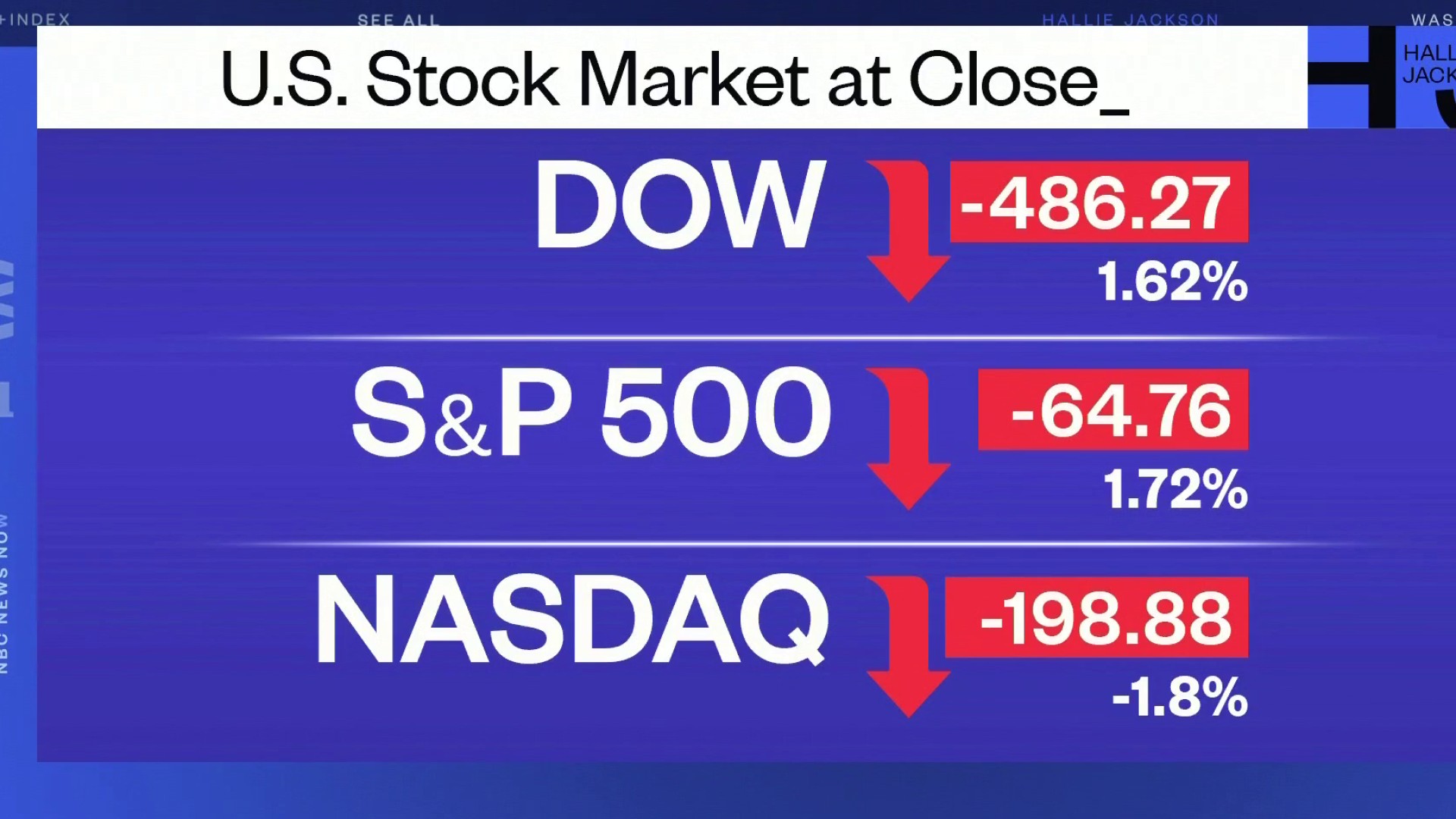
A common mistake for many investors is to conflate short-term volatility with long-term trends. The Dow can experience significant daily or weekly swings—up or down by hundreds of points—due to a single news event, a strong economic report, or simply market sentiment. While these movements can be dramatic and capture headlines, they often represent noise rather than a fundamental shift in the market’s long-term trajectory. For long-term investors, who focus on accumulating wealth over years or decades, these short-term fluctuations are less critical than the underlying long-term trend, which historically has been upward for the stock market. Panicking during a temporary downturn or chasing a rapid rally can lead to poor investment decisions that undermine long-term financial goals.
Diversification and Asset Allocation
The Dow Jones, despite its importance, represents only 30 companies and is heavily weighted towards certain sectors. Relying solely on the Dow as a measure of one’s investment health or as a direct investment vehicle can be risky. Its movements underscore the importance of diversification—spreading investments across various asset classes (stocks, bonds, real estate, commodities), different industries, and geographies. A well-diversified portfolio aims to mitigate risk by ensuring that a downturn in one area does not decimate the entire portfolio. Asset allocation, the strategy of dividing an investment portfolio among different asset categories, should be tailored to an individual’s risk tolerance, time horizon, and financial goals, ensuring that one is not overexposed to the fortunes of the 30 companies in the Dow.
The Role of Individual Stocks vs. Index Performance
For investors holding individual stocks, the Dow’s performance provides a broader context but isn’t necessarily a direct indicator of their specific holdings’ performance. While a strong Dow can lift many boats, individual company news, earnings, and sector-specific trends can cause individual stocks to diverge significantly from the index. A company within the Dow might underperform the index due to specific corporate challenges, while a company outside the Dow could outperform it. For those investing in index funds or exchange-traded funds (ETFs) that track the Dow, its movements are more directly relevant, as their investment performance will closely mirror the index. It’s crucial for investors to understand whether they are tracking the market via an index or betting on individual companies, and to align their expectations accordingly.
Actionable Insights for Different Investor Profiles
The meaning of “where’s the Dow Jones at right now” varies greatly depending on an investor’s profile.
-
Long-term investors (e.g., those saving for retirement): May view daily Dow movements with less concern, focusing instead on consistent contributions and the power of compounding over time. They might see downturns as opportunities to buy more shares at lower prices.
-
Short-term traders: These individuals might react more immediately to Dow movements, using them as signals for entry or exit points in their trading strategies. Their focus is on capitalizing on volatility.
-
Retirees/Income-focused investors: They might be more sensitive to significant downturns, as these could impact their principal and ability to draw income. Their strategies often lean towards capital preservation and income generation, potentially with a higher allocation to bonds.
-
Business owners: They might view the Dow as an indicator of consumer confidence and economic health, which can influence their business decisions regarding expansion, hiring, or inventory management.
Each profile requires a tailored approach to interpreting market data and making decisions.
Navigating the Market: Strategies and Perspectives
Understanding the Dow’s current status and its drivers is the first step; the next is to develop effective strategies for navigating the markets it represents. This involves a blend of continuous learning, professional guidance, emotional discipline, and a steadfast long-term perspective.
Staying Informed
In the fast-paced world of finance, staying informed is critical. This doesn’t mean obsessively checking live tickers every minute but rather regularly consuming reliable financial news, economic reports, and analytical insights from reputable sources. Understanding upcoming economic data releases (e.g., inflation reports, jobs figures, Fed announcements) can help investors anticipate potential market reactions. Subscribing to financial publications, following expert analyses, and utilizing financial tools that provide clear, concise data can help an investor build a well-rounded perspective and avoid being swayed by sensational headlines or social media chatter. The goal is to gather information that contributes to a rational understanding of market dynamics, rather than fueling anxiety.
Consulting a Financial Advisor
For many, the complexity of the financial markets, coupled with the emotional toll of investment decisions, makes professional guidance invaluable. A qualified financial advisor can help individuals and families:
-
Clarify financial goals: Define short-term and long-term objectives.
-
Assess risk tolerance: Understand how much risk an investor is comfortable taking.
-
Develop a personalized investment strategy: Create a diversified portfolio aligned with goals and risk profile.
-
Provide emotional support during volatile periods: Help investors avoid impulsive decisions driven by fear or greed.
-
Regularly review and adjust portfolios: Ensure the strategy remains aligned with changing life circumstances and market conditions.
While information is readily available, a personalized, professional perspective can offer clarity and discipline, especially when the Dow’s movements provoke uncertainty.
Emotional Discipline
One of the greatest challenges for investors is managing their emotions. The temptation to panic during market downturns or to become overly exuberant during rallies can lead to detrimental decisions. Emotional discipline involves sticking to a predetermined investment plan, even when the market is volatile. This means avoiding knee-jerk reactions, such as selling all assets during a correction or pouring all available cash into a frothy market. Adopting strategies like dollar-cost averaging (investing a fixed amount regularly, regardless of market fluctuations) can help automate discipline and reduce the impact of short-term market timing attempts. Cultivating a calm, rational mindset is as important as any financial analysis skill.
The Long-Term View
Ultimately, for most investors, particularly those saving for retirement or other significant life events, the long-term view is the most powerful strategy. Historically, despite numerous crises, recessions, and periods of high volatility, the stock market has trended upwards over extended periods. This long-term growth is driven by innovation, economic expansion, and the compounding effect of returns. Focusing on the long term helps investors ride out inevitable market downturns, understanding that temporary dips are part of the investment cycle, not necessarily indicators of permanent loss. Consistent investing, reinvesting dividends, and maintaining a diversified portfolio based on well-defined goals are far more impactful over decades than attempting to predict where the Dow Jones will be “right now” on any given day.
In conclusion, “where’s the Dow Jones at right now” is a question with a dynamic answer, constantly shifting with economic winds, corporate news, and global events. While its immediate value offers a snapshot, true financial insight comes from understanding the underlying mechanisms that drive it, the broader context of its movements, and the strategies required to navigate its ebb and flow. For investors, it serves as a powerful reminder of the intricate and ever-changing nature of the financial world, underscoring the importance of informed decisions, disciplined action, and a steadfast long-term perspective in pursuit of financial well-being.
aViewFromTheCave is a participant in the Amazon Services LLC Associates Program, an affiliate advertising program designed to provide a means for sites to earn advertising fees by advertising and linking to Amazon.com. Amazon, the Amazon logo, AmazonSupply, and the AmazonSupply logo are trademarks of Amazon.com, Inc. or its affiliates. As an Amazon Associate we earn affiliate commissions from qualifying purchases.