
The question “where was the first Texas Roadhouse?” seems simple enough, a factual query about a restaurant chain’s origin. Yet, for those steeped in brand strategy, it’s an invitation to explore something far more profound: the genesis of a successful brand, the foundational decisions that shaped its identity, and the strategic roadmap that led to its widespread recognition. The story of Texas Roadhouse begins not in the Lone Star State, as its name might suggest, but in the heartland, a testament to the power of a well-crafted concept over mere geographical branding. Its initial location serves as a crucial case study in understanding how a distinctive brand vision, coupled with an unwavering commitment to its core values, can transcend its humble beginnings to become a beloved national icon.
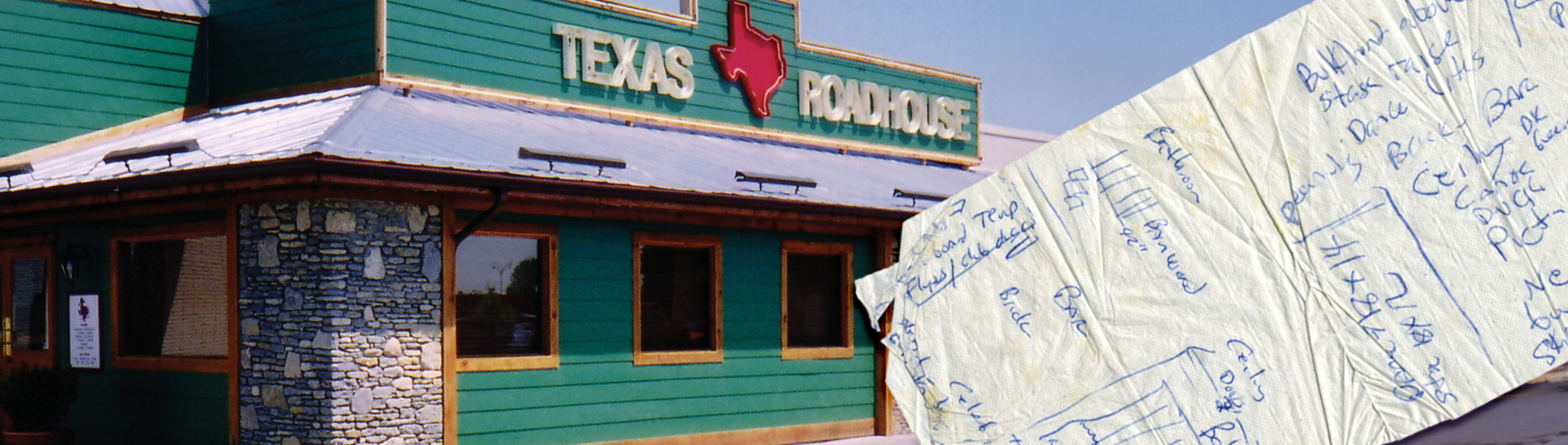
The Genesis of a Brand Icon: Louisville’s Legacy
The journey of Texas Roadhouse began on February 17, 1993, in Clarksville, Indiana, a suburb just across the Ohio River from Louisville, Kentucky. While often associated with Louisville due to its proximity and the founder’s connection to the city, Clarksville holds the distinction of hosting the very first outlet. This initial location wasn’t just a restaurant; it was the crucible where Kent Taylor, the visionary founder, forged the unique identity that would define the brand for decades to come. Taylor’s goal was ambitious: to create a steakhouse that offered high-quality, hand-cut steaks in a fun, lively, and affordable environment, a concept he felt was missing from the casual dining landscape.
The Founding Vision: A “Roadhouse” for Everyone
Kent Taylor envisioned a place that evoked the spirit of a traditional American roadhouse – a place for weary travelers and local folks alike to enjoy good food and good company. Crucially, he aimed for a specific atmosphere: loud, energetic, and unapologetically casual, a stark contrast to the more upscale or generic family dining experiences prevalent at the time. This vision wasn’t just about the food; it was about the entire sensory experience. From the moment guests stepped inside, they were meant to feel a sense of welcoming camaraderie, a departure from the often stuffy or impersonal nature of competitor establishments. The “Texas” in the name, while geographically misleading for its first location, was chosen to evoke a sense of generous portions, rugged authenticity, and a welcoming, expansive spirit – powerful brand associations that resonate deeply with American diners. Taylor understood that a compelling narrative, even a slightly fabricated geographical one, could be a potent branding tool.
Initial Challenges and Local Market Fit
Like any new venture, the first Texas Roadhouse faced its share of challenges. Establishing a new brand, particularly in the competitive restaurant industry, requires more than just a good idea; it demands relentless execution and the ability to adapt. The initial Clarksville location served as a vital testing ground for every aspect of the brand: the menu, the service style, the decor, and the pricing strategy. It was here that Taylor and his team refined the concept, ensuring that the promise of “legendary food, legendary service” translated into a tangible reality for early customers. Success in this initial market was critical, not only for generating revenue but for validating the core brand proposition. The enthusiastic reception from local diners provided the crucial proof-of-concept, demonstrating that there was indeed a significant demand for a steakhouse that prioritized value, quality, and an unforgettable dining experience. This early success wasn’t accidental; it was the result of carefully planned market research, a deep understanding of consumer desires, and a willingness to iterate until the brand truly resonated with its target audience. The initial positive feedback was instrumental in building the confidence and securing the resources needed for future expansion.
Crafting a Distinct Identity: More Than Just Steaks
The genius of Texas Roadhouse’s brand strategy lies in its ability to build an identity that extends far beyond its primary product. While hand-cut steaks are undeniably central to its offering, the brand has meticulously cultivated an atmosphere and service culture that transforms a meal into an experience. This holistic approach to branding is what differentiates it in a saturated market and fosters deep customer loyalty. It’s a masterclass in experiential branding, where every touchpoint reinforces a consistent, memorable image.
The Atmosphere as a Core Brand Element
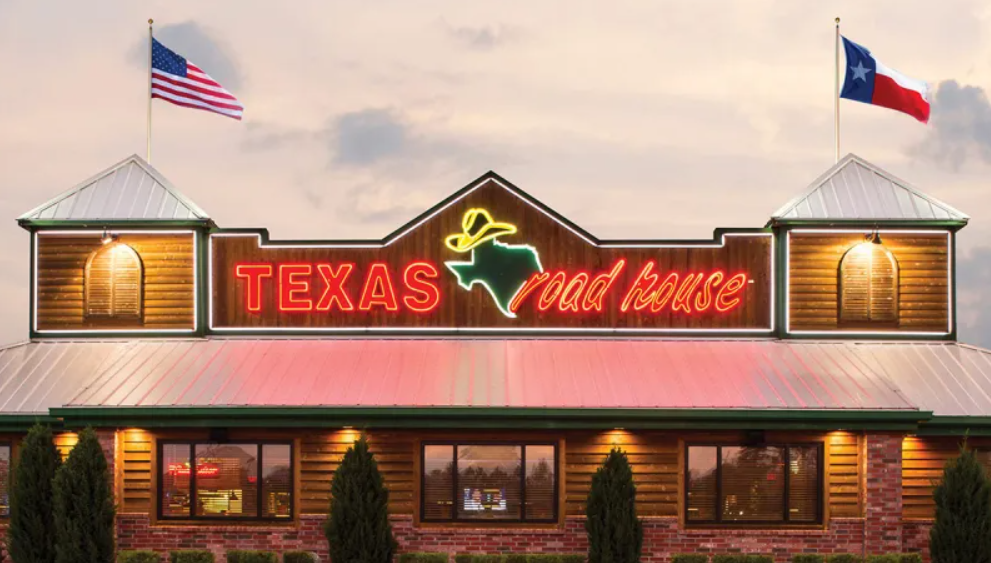
From the moment a customer approaches a Texas Roadhouse, the brand’s distinctive atmosphere begins to unfold. The exterior often features a rustic, log cabin aesthetic, immediately signaling a departure from generic chain restaurants. Inside, the decor is intentionally boisterous and lively: peanut shells on the floor, country music playing, line dancing servers, and walls adorned with Texan memorabilia, local sports jerseys, and kitschy signs. This isn’t accidental design; it’s a deliberate and highly effective brand strategy. The “controlled chaos” creates an environment that feels authentic, unpretentious, and fun. It encourages guests to relax, be themselves, and enjoy the communal aspect of dining. This unique environment serves as a powerful differentiator, a “third place” between work and home where people can unwind and connect. The peanuts, in particular, are an ingenious branding element – they’re interactive, memorable, and immediately set a casual, engaging tone. They’re a conversation starter, a sensory cue, and a subtle signal that this isn’t your average sit-down restaurant.
Service Culture: “Legendary” Hospitality
While the decor sets the stage, it’s the service culture that truly brings the Texas Roadhouse brand to life. The company prides itself on “Legendary Food, Legendary Service,” and this ethos is deeply embedded in its operational training and employee culture. Servers are not merely order-takers; they are entertainers, guides, and hospitality ambassadors. Their high energy, friendly demeanor, and willingness to engage with diners contribute significantly to the overall experience. The line dancing, often performed by staff at regular intervals, is a prime example of this commitment to creating a memorable, joyful atmosphere. This focus on “legendary service” isn’t just about efficiency; it’s about making guests feel valued, entertained, and eager to return. The brand invests heavily in training its staff to embody this welcoming, high-energy persona, understanding that employee attitudes directly reflect on the brand’s perception. This consistent, enthusiastic service creates an emotional connection with customers, transforming them from one-time diners into loyal advocates.
Marketing the “Experience”: Word-of-Mouth and Authenticity
Texas Roadhouse’s marketing strategy is heavily reliant on the strength of its in-restaurant experience. While it engages in traditional advertising, much of its growth has been fueled by powerful word-of-mouth marketing – the most credible form of advertising. When customers have a genuinely enjoyable and memorable experience, they naturally share it with friends, family, and colleagues. The brand doesn’t just sell steaks; it sells a complete package: quality food, generous portions, lively atmosphere, and friendly service, all at a perceived great value. This authentic experience resonates particularly well in a world saturated with often bland or inconsistent dining options. By focusing on delivering an authentic, consistent, and fun experience, Texas Roadhouse has built a brand that people actively recommend. This commitment to authenticity extends to its products, with an emphasis on hand-cut steaks, freshly made sides, and baked-from-scratch bread, reinforcing a perception of quality and care that further enhances its brand appeal. The brand’s success is a testament to the power of letting the product and experience speak for themselves, fostering organic growth through genuine customer satisfaction.
Strategic Expansion: Replicating Success, Not Just Locations
The leap from a single successful restaurant in Clarksville, Indiana, to a chain of over 600 locations across the United States and internationally requires a meticulously planned and expertly executed expansion strategy. For Texas Roadhouse, this wasn’t about simply opening new doors; it was about replicating a complex, multi-faceted brand experience while maintaining unwavering consistency. This strategic approach to growth is a core pillar of its enduring brand strength.
Standardizing the Brand Experience
One of the biggest challenges for any expanding restaurant brand is maintaining consistency across all locations. Texas Roadhouse tackled this head-on by establishing rigorous operational standards for every aspect of the business. This includes everything from the exact specifications for hand-cutting steaks and preparing sides to the prescribed service procedures and even the decor elements. Training programs are extensive, ensuring that managers and staff at every new location understand and embody the “Legendary” ethos. The loud music, the peanut shells, the line dancing, the welcoming “Howdy!” – these aren’t accidental flourishes; they are standardized brand elements designed to create a predictable and comforting experience for customers, no matter which Texas Roadhouse they visit. This standardization is critical for building brand trust; customers know precisely what to expect, and that reliability is a powerful driver of repeat business and loyalty. It turns the entire brand into a familiar, comforting presence.
Franchise Model and Brand Guardianship
While Texas Roadhouse operates many of its locations, it also utilizes a selective franchise model. This strategy allows for accelerated growth by leveraging the capital and local market expertise of franchisees, but it comes with the inherent risk of diluting brand consistency. To mitigate this, Texas Roadhouse implements strict guidelines and ongoing support for its franchisees. Franchisees are not just investors; they are expected to be active “brand guardians,” deeply committed to upholding the company’s culture and operational standards. The selection process for franchisees is rigorous, focusing on individuals or groups who genuinely align with the brand’s values and have a proven track record in the restaurant industry. This careful selection, combined with continuous training, audits, and support, ensures that each franchised location delivers the same authentic Texas Roadhouse experience as the company-owned stores. This balance between entrepreneurial drive and centralized brand control has been crucial to its successful and sustainable expansion.
Adapting to New Markets While Retaining Core Identity
As Texas Roadhouse expanded into diverse geographical markets, from urban centers to more rural communities, it faced the challenge of appealing to varying local tastes and demographics without compromising its core identity. The brand’s strategy here has been one of subtle adaptation rather than radical reinvention. While the fundamental menu, atmosphere, and service style remain consistent, there might be slight tweaks to local offerings or marketing messages to resonate more effectively with specific communities. For example, local sports team jerseys might adorn the walls, or specific regional beers might be featured. However, these adaptations are always secondary to the core brand proposition. The “Roadhouse” experience – value, quality, fun, and legendary service – is universal. This ability to maintain a strong, consistent brand identity while demonstrating a degree of local sensitivity has been key to its widespread acceptance and continued growth. It shows a sophisticated understanding that a brand can be robust and flexible simultaneously, allowing it to plant roots in new territories without losing its distinctive flavor.
The Enduring Brand Appeal: Lessons from Texas Roadhouse
The story of Texas Roadhouse, from its singular beginning in Clarksville, Indiana, to its status as a leading casual dining brand, offers invaluable lessons for brand strategists and businesses across all sectors. Its success isn’t predicated on a fad or a fleeting trend, but on fundamental principles of brand building that have stood the test of time.
Authenticity in a Crowded Market
In an era where consumers are increasingly discerning and wary of inauthentic experiences, Texas Roadhouse stands out by delivering on its promise of a genuine, unpretentious dining environment. Its “Texas” branding, while not geographically accurate for its origins, evokes a powerful sense of warmth, generosity, and straightforward quality that resonates deeply. The brand doesn’t try to be something it’s not; it embraces its lively, somewhat boisterous identity with confidence. This authenticity is reflected in its commitment to hand-cut steaks, freshly made food, and a service model that emphasizes genuine human connection over rigid formality. For businesses aiming to create lasting brands, the lesson is clear: discover your unique voice and stick to it, building trust through consistency and honesty.
The Power of a Clear Value Proposition
Texas Roadhouse has always offered a compelling value proposition: high-quality food, especially steaks, served in a fun atmosphere at an affordable price point. In the competitive casual dining segment, where consumers are constantly weighing cost against quality and experience, this clear value proposition is a significant advantage. The brand delivers on its promise of “more for your money” without compromising on the quality or the entertainment factor. This focus on tangible value, communicated through generous portions and accessible pricing, attracts a broad demographic and fosters repeat business. Brands that clearly articulate and consistently deliver on their value proposition are far more likely to build a loyal customer base, regardless of their industry.
Building Brand Loyalty Through Consistency
Perhaps the most significant takeaway from Texas Roadhouse’s journey is the critical role of consistency in building and maintaining brand loyalty. From the standardized operational procedures to the consistent atmosphere, service style, and food quality across all locations, the brand ensures that every customer experience reinforces its core identity. This predictability breeds trust and comfort. Customers know exactly what to expect when they walk into any Texas Roadhouse, and that reliability is a powerful magnet in a world full of unpredictable service and fluctuating quality. This unwavering commitment to a consistent brand experience has transformed first-time diners into lifelong fans, illustrating that true brand loyalty is forged not through grand gestures, but through the consistent delivery of a promised, high-quality, and enjoyable experience, time and time again. The simple question of “where was the first Texas Roadhouse” ultimately leads to a complex and inspiring narrative of strategic brand building, proving that a strong vision, consistently executed, can turn a single restaurant into a legendary dining phenomenon.
aViewFromTheCave is a participant in the Amazon Services LLC Associates Program, an affiliate advertising program designed to provide a means for sites to earn advertising fees by advertising and linking to Amazon.com. Amazon, the Amazon logo, AmazonSupply, and the AmazonSupply logo are trademarks of Amazon.com, Inc. or its affiliates. As an Amazon Associate we earn affiliate commissions from qualifying purchases.