
The era of monolithic television consumption, dominated by a single cable or satellite provider, has definitively drawn to a close. Today’s viewer is presented with an unprecedented array of choices, a veritable smorgasbord of content delivery mechanisms and platforms. The question “where to watch TV” has evolved from a simple inquiry about channel numbers into a complex exploration of technology, connectivity, and personalized digital experiences. This article delves into the technological underpinnings and diverse ecosystems that define contemporary TV viewing, offering an insightful guide to navigating this dynamic landscape within the realm of technology.

The Streaming Revolution: A Paradigm Shift in Content Delivery
The most significant technological transformation in television viewing has been the ascent of streaming services. Leveraging advancements in internet bandwidth, compression algorithms, and cloud infrastructure, streaming has untethered entertainment from broadcast schedules and physical media, offering on-demand access to vast libraries of content.
Subscription Video-on-Demand (SVOD): The Pioneers and Powerhouses
SVOD services revolutionized how we consume episodic content and movies, introducing the “binge-watching” phenomenon. Platforms like Netflix, Hulu, Max (formerly HBO Max), Disney+, Apple TV+, and Amazon Prime Video operate on a subscription model, providing ad-free (or ad-lite, depending on the tier) access to exclusive originals, licensed films, and television series.
The technological sophistication of these platforms is remarkable. They employ intricate recommendation engines powered by machine learning to personalize user experiences, suggesting content based on viewing history, ratings, and genre preferences. Adaptive bitrate streaming dynamically adjusts video quality to match the user’s internet speed, ensuring a smooth playback experience even with fluctuating connectivity. Furthermore, their global content delivery networks (CDNs) distribute media files geographically closer to end-users, minimizing latency and buffering. Device compatibility is also a core tech focus, with apps meticulously developed for smart TVs, streaming sticks, game consoles, mobile devices, and web browsers, ensuring ubiquitous access across various operating systems and hardware. Each service strives for seamless user interfaces, robust search functionalities, and features like parental controls, multiple user profiles, and offline downloads, all underpinned by sophisticated software development and infrastructure management.
Ad-Supported Video-on-Demand (AVOD) & Free Ad-Supported Streaming TV (FAST): The Freemium Frontier
Complementing the SVOD model, AVOD and FAST services have carved out a significant niche by offering content for free, supported by advertising. Platforms such as Pluto TV, Tubi, Freevee, and The Roku Channel provide a mix of on-demand movies and TV shows, alongside curated “live” channels that mimic traditional broadcast television.
Technologically, AVOD and FAST platforms face the dual challenge of content delivery and sophisticated ad insertion. They utilize programmatic advertising technologies, dynamically inserting targeted commercials based on viewer demographics and interests, often drawing from anonymized data. This requires robust server-side ad insertion (SSAI) capabilities to seamlessly weave ads into the content stream, preventing ad blockers and ensuring a television-like viewing experience. The “live channel” aspect of FAST services is particularly interesting from a tech perspective, as it involves scheduling and broadcasting pre-recorded content as if it were a linear feed, often leveraging cloud-based playout systems. These platforms demonstrate the power of hybrid models, democratizing access to entertainment while presenting new monetization strategies for content owners through advertising technology.
Live TV Streaming Services: Bridging the Broadcast Gap
For those who miss the immediacy of live television, particularly for sports, news, and reality programming, live TV streaming services offer a modern alternative to traditional cable. YouTube TV, Hulu + Live TV, Sling TV, and FuboTV provide access to dozens or even hundreds of popular cable channels delivered over the internet.
The technological complexity here is substantial. These services must acquire rights to broadcast live feeds from numerous networks, often requiring direct fiber connections to broadcasters or robust satellite uplinks. They then ingest these feeds, encode them in real-time for internet delivery (often in multiple resolutions and bitrates), and distribute them via their CDNs. Features like Cloud DVR (cDVR) require massive distributed storage systems and sophisticated indexing to allow users to record and replay programs without local hardware. Simultaneous stream limitations, regional content restrictions (geofencing), and local channel availability are all managed through complex backend systems that authenticate user locations and enforce content licensing agreements. The seamless integration of live programming with on-demand libraries and user-friendly electronic program guides (EPGs) represents a significant engineering feat, blending traditional broadcast paradigms with cutting-edge internet technology.
Beyond Streaming: Enduring and Evolving Access Points
While streaming dominates the conversation, other technological avenues continue to offer compelling ways to watch TV, often providing unique benefits or catering to specific needs.
Over-the-Air (OTA) Antennas: The Digital Resurgence
For many, the simplest and most cost-effective way to watch local broadcast channels (ABC, CBS, FOX, NBC, PBS, etc.) is through an Over-the-Air (OTA) antenna. Far from the rabbit ears of old, modern digital antennas are highly efficient, capturing crisp, uncompressed high-definition signals.
The technology behind modern OTA is the ATSC (Advanced Television Systems Committee) standard, specifically ATSC 3.0 (NextGen TV). This standard uses IP-based transmission, enabling features like 4K resolution, improved audio, interactive services, and even mobile broadcasting. An OTA antenna, paired with a digital tuner (often built into smart TVs or available as an external box), converts the incoming radio waves into digital video and audio signals. The signal quality can often surpass that of basic cable, as it’s not subject to the compression artifacts introduced by cable providers to fit more channels into their bandwidth. This old-school technology has experienced a resurgence due to its one-time cost, high-quality picture, and reliability during internet outages, offering a foundational layer of local content access.
Traditional Cable and Satellite TV: Persistent Providers
Despite the streaming revolution, traditional cable and satellite TV providers like Xfinity, Spectrum, AT&T U-verse, and DIRECTV still serve millions of households. They offer extensive channel lineups, often bundling internet and phone services.
Their core technology relies on vast physical infrastructures—coaxial cables for cable TV and geostationary satellites for satellite TV. These systems deliver hundreds of channels, often including premium sports packages and international content that might be harder to find via streaming. Their advanced set-top boxes typically include sophisticated DVR capabilities, allowing for multi-tuner recording and substantial local storage. While many providers are now integrating streaming apps and on-demand libraries into their set-top boxes, and some even offer “skinny bundles” delivered over IP, their fundamental delivery mechanisms remain distinct. They represent a robust, though often more expensive, option particularly for those seeking comprehensive channel packages or in areas with limited internet infrastructure.
On-Demand Rentals and Purchases: The Digital Storefronts
For access to the latest movies and TV show seasons immediately after their theatrical or broadcast runs, digital storefronts remain crucial. Services like Apple TV (iTunes Store), Amazon Prime Video Store, Google Play Movies & TV, and Vudu allow users to rent or purchase content digitally.
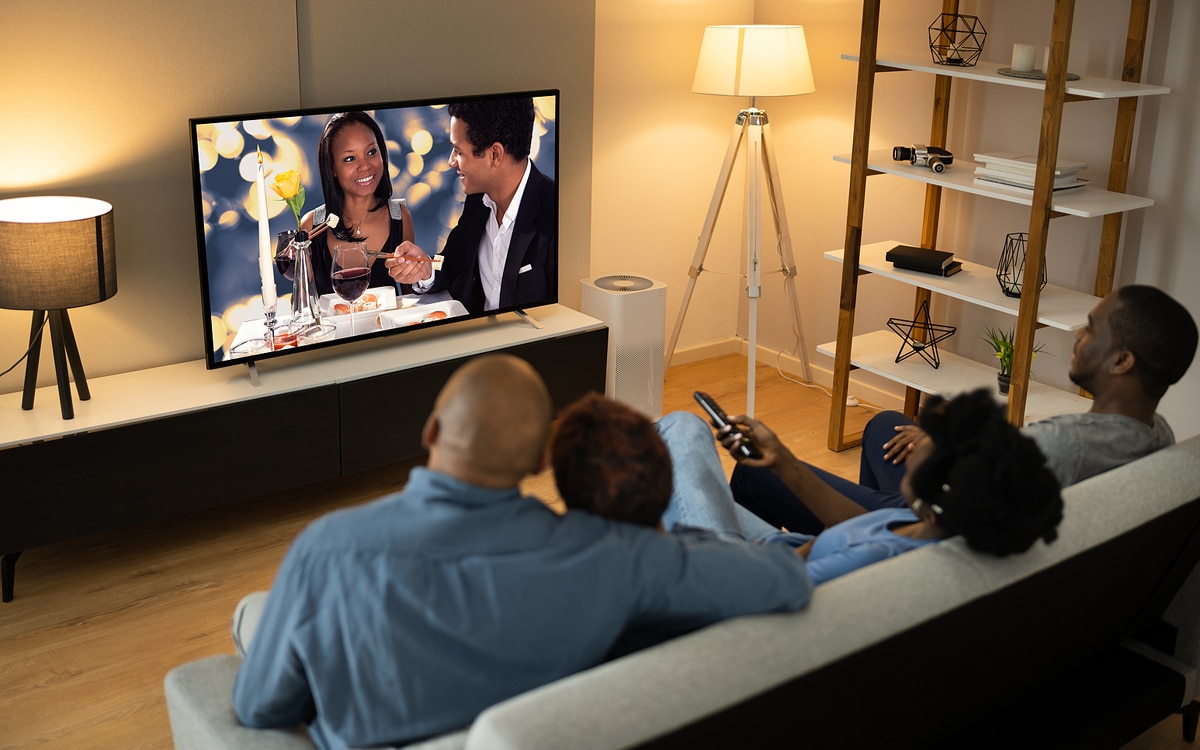
Technologically, these platforms function as vast e-commerce ecosystems for digital media. They manage secure digital rights management (DRM) to prevent unauthorized copying, ensure content delivery across various devices, and handle payment processing. The content is typically offered in various resolutions (HD, 4K UHD) with options for different audio tracks and subtitles, all stored and streamed from robust cloud servers. This model provides a transactional approach to content consumption, allowing viewers to own or temporarily access specific titles without committing to a monthly subscription, acting as a crucial complement to subscription-based services.
The Hardware Hub: Devices Driving the Viewing Experience
The content itself is only half the equation; the hardware used to access and display it forms the other critical component of the modern TV viewing experience.
Smart TVs: The Integrated Ecosystem
Modern Smart TVs are more than just displays; they are integrated computing devices. Equipped with their own operating systems (like Roku TV, Google TV, LG’s webOS, or Samsung’s Tizen), built-in Wi-Fi, and often voice assistants, they serve as the primary hub for many households.
These devices come pre-loaded with popular streaming apps, offer universal search functionalities that scan across multiple services, and often feature intuitive user interfaces. The processing power, memory, and graphics capabilities within smart TVs are continually advancing, enabling smoother app performance, faster navigation, and support for high-resolution formats like 4K, HDR (High Dynamic Range), and increasingly 8K. Connectivity options (HDMI, USB, Ethernet) allow for easy integration with other home theater components, while features like screen mirroring and casting enable seamless content sharing from mobile devices. The software updates pushed to smart TVs regularly introduce new features, improve security, and update app compatibility, turning the TV into an evolving digital appliance.
Streaming Devices: The Dedicated Enhancers
For those with older TVs or who prefer a specific ecosystem, dedicated streaming devices remain incredibly popular. Products like Roku streamers, Amazon Fire TV devices, Apple TV, and Google Chromecast offer powerful, optimized experiences for streaming.
These compact gadgets plug into an HDMI port and provide a streamlined interface for accessing apps. They often feature dedicated remote controls with voice search capabilities, and some models boast advanced processors for superior performance, gaming, or enhanced audio/video formats. Each platform has its strengths: Roku is known for its extensive app selection and neutrality; Fire TV integrates deeply with Amazon’s ecosystem and Alexa; Apple TV excels for users within the Apple ecosystem, offering deep integration with services like Apple Arcade and HomeKit; and Chromecast is renowned for its casting capabilities from mobile devices and browser tabs. These devices bypass the potential limitations or slower performance of an older smart TV’s integrated software, providing a cost-effective upgrade path to the latest streaming technologies and interfaces.
Gaming Consoles & Computers: The Multi-Functional Hubs
Modern gaming consoles (PlayStation, Xbox, Nintendo Switch) and personal computers also serve as versatile platforms for watching TV.
Gaming consoles leverage their powerful processors and network connectivity to run a wide array of streaming apps, often supporting 4K HDR playback and robust surround sound. They offer a convenient “all-in-one” entertainment solution for many users. Similarly, PCs, with their flexible operating systems and web browsers, can access virtually any streaming service. With the right hardware, a PC can act as a powerful media center, supporting multiple monitors, advanced audio setups, and even serving as a local media server. While perhaps not as plug-and-play as a dedicated streaming stick or smart TV, these devices offer maximum flexibility and integration into a broader digital lifestyle.
Navigating the Modern TV Landscape: Key Technological Considerations
The sheer volume of choices necessitates a thoughtful approach, heavily influenced by technological factors.
Connectivity Requirements: The Internet Backbone
Reliable, high-speed internet is the fundamental prerequisite for most modern TV viewing. Streaming in HD typically requires at least 5-10 Mbps per stream, while 4K UHD demands 25 Mbps or more. A robust home Wi-Fi network (preferably Wi-Fi 5 or Wi-Fi 6) or a direct Ethernet connection to streaming devices is crucial to prevent buffering and ensure consistent quality. The number of simultaneous streams and other internet-connected devices in the home also impacts overall bandwidth needs, making a reliable internet service provider (ISP) and a capable router essential components of the viewing setup.
Content Discovery and Aggregation: The Search for Simplicity
With content scattered across dozens of apps, discovering what to watch can be a challenge. Technologically, this is addressed through universal search features found in smart TVs and streaming devices that scan across multiple services. Aggregation apps and platforms (like Reelgood, JustWatch, or the built-in guides of Google TV and Apple TV) aim to centralize recommendations and provide links to where specific content can be found, reducing “app fatigue.” The development of sophisticated metadata tagging and cross-platform APIs is critical for these aggregation services to function effectively, simplifying the user journey in a fragmented content landscape.
Personalization and User Experience: Tailored Viewing
Modern TV viewing emphasizes personalization. User profiles allow multiple household members to maintain separate watch histories, preferences, and recommendations. Voice control, enabled by natural language processing (NLP) and AI, offers a hands-free way to search for content, control playback, and navigate menus. Intuitive user interfaces, often with customizable home screens, aim to make the experience seamless and enjoyable. Continuous software updates from platform providers are key to refining these experiences, introducing new features, and enhancing accessibility options.
Conclusion: An Empowered, Fragmented Future
The question “where to watch TV” no longer has a single answer; instead, it has a multitude of technologically diverse solutions, each with its own advantages and considerations. From the ubiquitous reach of streaming services to the resilient clarity of OTA antennas, and from the integrated convenience of smart TVs to the focused power of streaming sticks, the modern viewer is empowered with unprecedented choice.
This fragmented, yet incredibly flexible, landscape is a testament to rapid technological advancement in content delivery, network infrastructure, and consumer electronics. As AI continues to refine recommendations, as bandwidth increases, and as new display technologies emerge, the future of TV viewing promises even greater personalization, immersion, and accessibility. Understanding the underlying technologies behind these options is key to making informed decisions and truly optimizing one’s personal entertainment experience in this exciting digital age.
aViewFromTheCave is a participant in the Amazon Services LLC Associates Program, an affiliate advertising program designed to provide a means for sites to earn advertising fees by advertising and linking to Amazon.com. Amazon, the Amazon logo, AmazonSupply, and the AmazonSupply logo are trademarks of Amazon.com, Inc. or its affiliates. As an Amazon Associate we earn affiliate commissions from qualifying purchases.