
The digital landscape has undergone a seismic shift from linear broadcasting to on-demand streaming architecture. At the center of this transformation is Paramount+, the premium streaming service from Paramount Global that serves as the digital repository for a vast library of content spanning CBS, Nickelodeon, MTV, Comedy Central, and Smithsonian Channel, alongside exclusive original programming and live sports. For users looking to integrate this service into their digital lives, understanding the technical nuances of “where to watch” is essential. Navigating the plethora of supported devices, operating systems, and third-party aggregators requires a clear look at the software and hardware requirements that define the modern viewing experience.
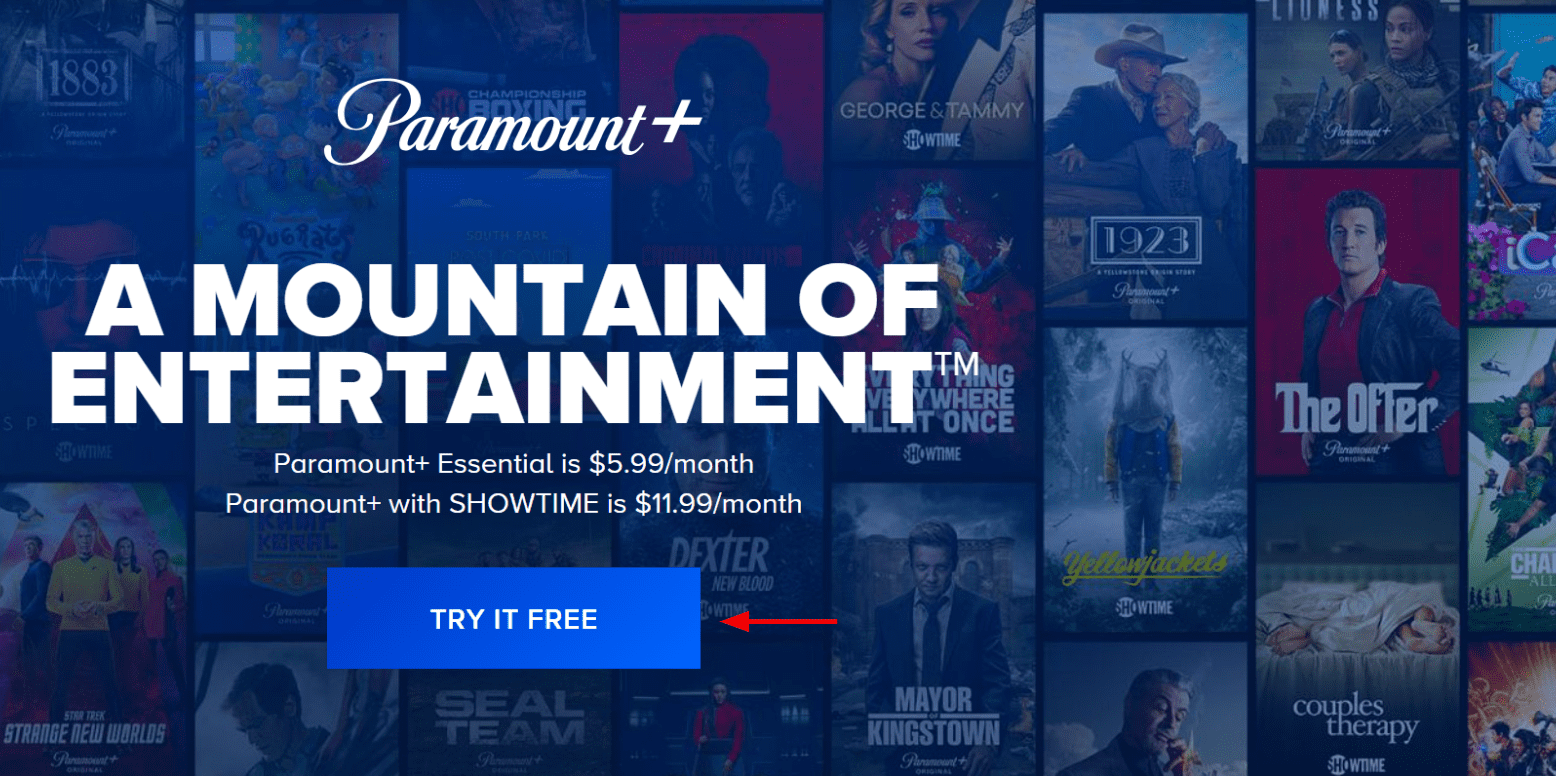
The Evolution of Streaming Architecture and the Paramount+ App Ecosystem
Paramount+ operates as a multi-platform application designed to deliver high-definition video content over diverse network conditions. Its architecture is built to ensure a seamless handoff between different devices, allowing a user to begin a program on a smartphone and resume it on a smart TV without losing progress. This synchronization is managed via cloud-based user profiles that store metadata regarding watch history, preferences, and saved lists.
Cross-Platform Compatibility and Native App Support
The primary way to access the service is through its native application. Paramount+ has developed dedicated software for the most prevalent mobile and television operating systems. This includes highly optimized builds for iOS and iPadOS, as well as a versatile Android application that supports a wide range of smartphones and tablets. These native apps are designed to leverage the specific hardware acceleration features of the devices they inhabit, ensuring smooth playback and responsive user interfaces (UI).
For users on mobile devices, the app often includes features such as “Background Refresh” and “Picture-in-Picture” (PiP), which are critical for multi-tasking in a mobile-first environment. The development team frequently pushes updates to patch security vulnerabilities and improve the API calls that fetch content thumbnails and metadata, ensuring the app remains performant even as the library expands.
Web Browser Access and Technical Requirements
For those who prefer watching on desktops or laptops, Paramount+ provides a robust web-based portal. This interface is compatible with modern browsers that support HTML5 and Encrypted Media Extensions (EME) for digital rights management (DRM). To ensure the best experience, users should utilize the latest versions of Google Chrome, Mozilla Firefox, Microsoft Edge, or Apple Safari.
The web interface is particularly useful for users with high-resolution monitors, as it allows for precise control over playback settings. However, it is important to note that browser-based streaming may sometimes be capped at 1080p resolution to prevent unauthorized redistribution of 4K content, which is often reserved for hardware-certified devices with HDCP 2.2 (High-bandwidth Digital Content Protection) compliance.
Hardware and Device Integration: Where to Stream
The hardware on which you choose to watch Paramount+ significantly impacts the visual and auditory quality of the content. Modern streaming hardware has evolved from simple media players into sophisticated computing devices capable of processing high-bitrate video and complex audio codecs.
Smart TVs and Integrated Operating Systems
The most common “where” for Paramount+ is the living room Smart TV. Most major manufacturers now integrate the Paramount+ app directly into their proprietary app stores.
-
Samsung Smart TVs: Models from 2017 and later running the Tizen OS support the native app.
-
LG Smart TVs: LG’s webOS (version 4.0 and higher) provides a dedicated Paramount+ application accessible via the LG Content Store.
-
Android TV / Google TV: Devices from Sony, Hisense, and TCL that utilize the Android TV ecosystem offer one of the most stable versions of the app, benefiting from Google’s extensive developer tools.
-
Vizio SmartCast: Paramount+ is often pre-installed or easily added to the SmartCast home screen, utilizing a web-view container optimized for television hardware.
Gaming Consoles and High-Performance Hardware
For users who utilize their gaming consoles as centralized media hubs, Paramount+ is available on both the PlayStation and Xbox ecosystems.
-
PlayStation 4 and 5: The app is available via the PlayStation Store. On the PS5, the app can take advantage of the console’s high-speed SSD for faster UI navigation, though the streaming quality remains dependent on network speeds.
-
Xbox One and Series X/S: The Microsoft Store hosts the Paramount+ app, which is well-integrated into the Xbox dashboard. These consoles often support advanced features like Dolby Vision and Dolby Atmos, provided the user has a compatible display and sound system.
Streaming Sticks and Dedicated Players
Compact streaming sticks remain the most popular way to “smartify” older televisions or to bypass sluggish built-in TV interfaces.
-
Roku: As one of the largest streaming platforms, Roku offers a highly optimized Paramount+ “Channel.” Whether using a Roku Express, Streaming Stick+, or Ultra, the interface is streamlined for ease of use.
-
Amazon Fire TV: The Fire TV Stick, Cube, and Fire Edition TVs feature deep integration with Paramount+. Users can often use Alexa voice commands to launch specific shows or movies within the app.
-
Apple TV (4th Gen and 4K): The Apple TV hardware offers perhaps the most premium experience for Paramount+. The tvOS version of the app is known for its fluid animations and integration with the “Up Next” queue in the central Apple TV app.
Third-Party Channels and Aggregator Platforms
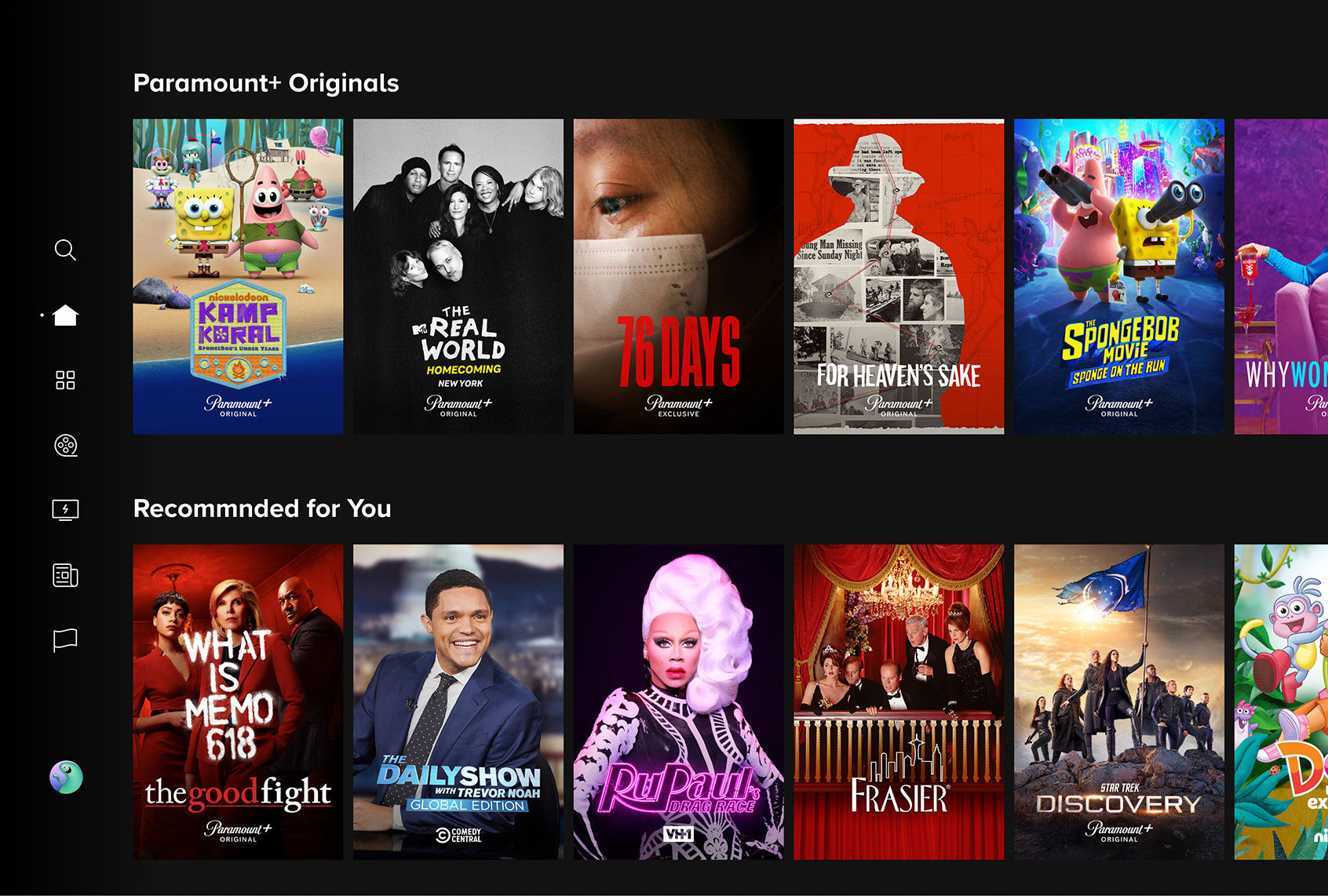
An increasingly popular way to watch Paramount+ is not through the standalone app, but through “Channels” or “Hubs” provided by larger tech ecosystems. This method consolidates billing and content discovery into a single interface.
Amazon Prime Video Channels Integration
Amazon allows Prime members to subscribe to Paramount+ as a “Channel” within the Prime Video app. This means you do not need to download a separate Paramount+ app; the content appears alongside Prime movies and shows. The technical advantage here is using Amazon’s player infrastructure, which some users find more stable than the native Paramount+ app on certain older hardware.
Apple TV Channels and the Unified Interface
Similar to Amazon, Apple offers Paramount+ through its Apple TV Channels feature. When subscribed this way, the content is hosted by Apple, which often results in higher average bitrates and faster start times. Furthermore, it allows for family sharing through Apple’s ecosystem, making it a preferred choice for users heavily invested in the macOS and iOS environments.
Cable and Satellite Provider Integration
While Paramount+ is a cord-cutting tool, many traditional providers have integrated the service into their hardware. For instance, Comcast Xfinity X1 and Flex users can access Paramount+ as an integrated app on their set-top boxes. This allows users to search for content using their provider’s voice remote, bridging the gap between linear television and modern streaming.
Technical Specifications and Streaming Performance
Knowing “where” to watch is only half the battle; understanding “how” the content is delivered is crucial for tech enthusiasts. Paramount+ utilizes adaptive bitrate streaming (ABR), which dynamically adjusts the video quality based on the user’s real-time internet bandwidth.
4K UHD, HDR10, and Dolby Vision Support
To experience Paramount+ in 4K Ultra HD, users must watch on specific supported hardware, such as the Apple TV 4K, Amazon Fire TV Stick 4K, or compatible 4K Smart TVs. In addition to resolution, the service supports High Dynamic Range (HDR) formats like HDR10 and Dolby Vision. These technologies expand the color gamut and contrast ratio, providing a more cinematic experience. However, these features are typically restricted to the premium, ad-free subscription tier.
Audio Fidelity: Dolby Atmos and Spatial Audio
For home theater aficionados, Paramount+ offers 5.1 surround sound on most devices. On high-end hardware like the Xbox Series X or dedicated home theater PCs (HTPCs), select titles support Dolby Atmos. This object-based audio format provides an immersive 3D soundstage. Ensuring your “where” (the device) is connected via HDMI ARC/eARC to a compatible soundbar or receiver is necessary to unlock these audio features.
Bandwidth Requirements and Network Optimization
To watch Paramount+ without interruption, certain technical thresholds must be met. For standard definition (SD), a minimum of 3 Mbps is required. For High Definition (HD), 5 Mbps is the standard, while 4K streaming requires a stable connection of at least 25 Mbps. Users experiencing buffering on their chosen devices should consider utilizing a hardwired Ethernet connection rather than Wi-Fi, especially when streaming high-bitrate 4K content.
Security, Account Management, and Regional Accessibility
The technical infrastructure of Paramount+ also includes robust security and management tools that dictate how and where you can watch.
Managing Multiple Profiles and Parental Controls
The platform allows for the creation of up to six individual profiles. This is not just for tracking watch history; it serves as a data management tool that utilizes machine learning to suggest content based on individual user behavior. From a security standpoint, parental controls allow for the implementation of PIN protection, ensuring that younger viewers are restricted to age-appropriate content based on industry-standard rating systems.
Offline Downloads and Local Storage Management
For users on mobile devices (iOS and Android), Paramount+ supports offline viewing. This feature allows users to download encrypted video files to their device’s local storage. This is a critical feature for “watching on the go” where internet connectivity may be non-existent, such as during air travel. The app manages these files by setting expiration dates and allowing users to choose between “Standard” and “High” download quality to manage storage constraints.

Global Availability and VPN Considerations
Paramount+ is a regionalized service, meaning the content library varies significantly depending on the user’s geographic location due to licensing agreements. The service uses IP-based geolocation to serve the correct regional library. While some users attempt to use Virtual Private Networks (VPNs) to bypass these digital borders, Paramount+ employs sophisticated anti-VPN technology to detect and block known proxy servers, ensuring compliance with international copyright laws.
In conclusion, “where to watch Paramount+” is a question with a multi-faceted technological answer. Whether through a native app on a 4K Smart TV, an integrated channel on a streaming hub, or a downloaded file on a tablet, the platform’s flexibility is a testament to the robust engineering behind modern streaming services. By selecting the right hardware and understanding the software ecosystem, viewers can ensure they are getting the highest possible fidelity and the most stable performance from their subscription.
aViewFromTheCave is a participant in the Amazon Services LLC Associates Program, an affiliate advertising program designed to provide a means for sites to earn advertising fees by advertising and linking to Amazon.com. Amazon, the Amazon logo, AmazonSupply, and the AmazonSupply logo are trademarks of Amazon.com, Inc. or its affiliates. As an Amazon Associate we earn affiliate commissions from qualifying purchases.