
Despite the rapid shift toward digital banking and electronic transfers, thousands of taxpayers and business owners still prefer the tangible security of a physical check when settling their obligations with the Internal Revenue Service. Whether it is a personal preference for a paper trail, a specific corporate accounting requirement, or a lack of access to high-speed internet, mailing a check remains a foundational method of financial interaction with the federal government. However, sending money to a massive federal agency is not as simple as dropping an envelope in a mailbox. The IRS maintains a complex network of processing centers, and sending your payment to the wrong location can lead to processing delays, lost checks, and even late-payment penalties.

Understanding the logistics of where to send a check to the IRS requires a strategic approach to personal finance management. It involves identifying your specific tax form, your geographical location, and the current administrative protocols established by the Department of the Treasury.
Navigating the IRS Mailing Matrix: Determining the Correct Destination
The IRS does not have one single “headquarters” for receiving payments. Instead, it utilizes a sophisticated system of “lockbox” addresses and processing centers strategically distributed across the United States. The correct address for your check depends primarily on two variables: the state in which you reside and the type of tax form you are filing.
Geographical Distribution and Tax Form Specifics
For individual taxpayers filing Form 1040, the IRS divides the country into several regions. For instance, a taxpayer living in New York or Massachusetts will send their payment to a different processing center than someone living in California or Texas. This regional division allows the IRS to balance the workload across its various service centers, ensuring that the heavy volume of mail received during peak tax season does not overwhelm a single facility.
If you are filing a Form 1040-ES (Estimated Tax for Individuals), the addresses may differ yet again. Estimated payments are often processed through different channels than end-of-year returns. It is vital to consult the specific instructions for the form you are using. The IRS updates these addresses periodically to account for facility closures or logistical shifts, so relying on an address from a three-year-old tax booklet can be a costly mistake.
The Role of the Payment Voucher (Form 1040-V)
One of the most critical components of mailing a check is the inclusion of Form 1040-V, the payment voucher. This small document acts as a roadmap for the IRS scanning machines. It contains a scannable horizontal bar code that tells the IRS computer system exactly who you are, what tax year the payment applies to, and which account should be credited.
When you use a voucher, your check is often sent to a “lockbox” address—a high-security facility managed by a financial institution on behalf of the Treasury. These facilities are designed for the high-speed processing of millions of payments. If you send a check without a voucher, or if you send it to an address designated for “returns only” (where no payment is included), your check may sit in a mailroom for weeks before a human agent manually processes it.
Best Practices for Preparing Your Payment Instrument
In the world of personal finance, the details of your payment instrument—the check itself—are just as important as the address on the envelope. The IRS processes millions of checks, and any ambiguity on your check can lead to it being misapplied to the wrong tax year or the wrong person’s account.
Essential Information to Include on Your Check
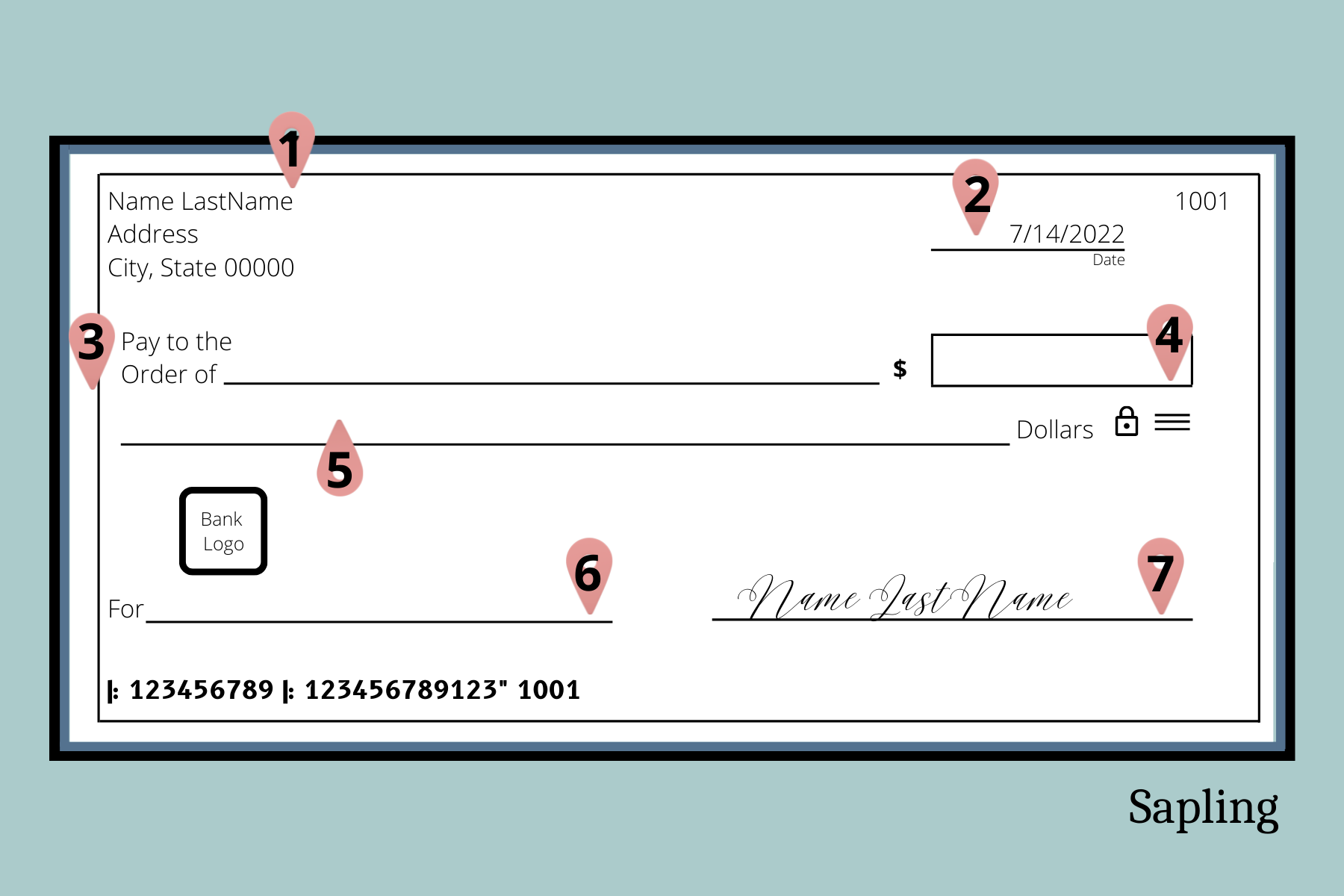
To ensure your payment is credited correctly, your check must be a model of clarity. The IRS recommends that you use a check or money order (never send cash) and make it payable to the “United States Treasury.” Do not use “IRS” or “Internal Revenue Service,” as this can lead to easier alteration by bad actors.
On the front of the check, in the “memo” section or any available white space, you must include the following information:
-
Your Name and Address: This should match the information on your tax return.
-
Social Security Number (SSN) or Employer Identification Number (EIN): If you are filing a joint return, use the SSN that appears first on the tax form.
-
Daytime Phone Number: This allows the IRS to contact you quickly if there is an issue with the check.
-
Tax Year: Specify the year the payment is intended for (e.g., “2023 Tax Year”).
-
Form Number: Indicate which form you are paying for (e.g., “Form 1040”).
Security Measures and Professional Standards
When writing the check, use blue or black ink—never pencil or light-colored pens that might not show up on a digital scan. Ensure that the numeric amount matches the written amount exactly. If there is a discrepancy, the IRS will generally default to the written amount, which can lead to an underpayment or overpayment of your tax liability. Furthermore, do not staple, paperclip, or tape your check to the voucher or the return. The automated sorting machines used by the Treasury are sensitive; physical attachments can cause jams or tear the check, leading to a manual processing delay that could push your payment past the deadline.
Strategic Logistics: Ensuring Your Payment Arrives Safely
Sending a check to the IRS is a high-stakes financial transaction. Therefore, the method of delivery is a critical decision in your financial planning process. Relying on standard first-class mail without tracking is a risk that most savvy taxpayers choose to avoid.
The Value of Certified Mail and Tracking
The IRS follows the “Timely Mailing Treated as Timely Filing/Paying” rule (Internal Revenue Code Section 7502). This means that if your envelope is postmarked by the due date, it is considered on time, even if it arrives several days later. However, the burden of proof lies with the taxpayer.
The most effective way to protect yourself is to use USPS Certified Mail with a Return Receipt Requested. This provides you with a postmarked receipt and a signature confirming that the IRS received the package. In the event the IRS claims they never received your check, this receipt is your primary defense against late penalties and interest. For those managing business finances or large personal tax bills, this small investment in postage is a necessary form of “financial insurance.”
Utilizing Private Delivery Services
While the USPS is the traditional choice, the IRS also recognizes certain Private Delivery Services (PDS). This includes specific services from FedEx, UPS, and DHL. If you choose this route, you cannot send your payment to a P.O. Box address. The IRS maintains specific street addresses for PDS deliveries. This is an important distinction; if you attempt to send a FedEx package to an IRS P.O. Box, it will likely be returned to you, potentially causing you to miss your payment deadline. Always verify the physical street address on the IRS website if you are moving away from the standard postal service.
Common Pitfalls and How to Avoid Financial Setbacks
Even with the best intentions, errors can occur during the payment process. Recognizing these common pitfalls is essential for maintaining a clean financial record with the federal government.
The Risk of Lost or Stolen Checks
Mail theft is an unfortunate reality of physical financial transactions. To mitigate this, ensure your envelope is opaque and does not clearly advertise that there is a check inside. Avoid using envelopes with “IRS” written in large letters on the outside if possible; use the specific “Internal Revenue Service” address provided in your instructions. If you notice that your check has not cleared your bank account within three to four weeks of mailing, you should contact the IRS to verify receipt. If it is confirmed lost, you will need to place a stop-payment on the check with your bank and issue a new one immediately to minimize interest accrual.
Handling Late Payments and Penalties
If you realize you have sent your check to the wrong address, time is of the essence. The IRS typically transfers misdirected mail to the correct facility, but this process can take weeks. If this delay causes your payment to be recorded after the deadline, you may receive a notice of penalty and interest. In many cases, if you can prove the mail was sent to an official IRS address (even if it was the wrong one) before the deadline, you can request a penalty abatement based on “reasonable cause.” Maintaining organized records of your mailing receipts and copies of your checks is vital for these negotiations.
Evolution of Payments: Integrating Digital Tools for Better Oversight
While the focus here is on the physical check, it is important for every modern taxpayer to understand how paper payments fit into a broader financial strategy. The most efficient way to manage tax debt often involves a hybrid approach—using the reliability of the mail when necessary but leveraging digital tools for verification.

Transitioning to IRS Direct Pay and EFTPS
For many, the “where to send a check” question eventually leads to the realization that digital tools offer superior tracking and speed. IRS Direct Pay allows individuals to pay directly from a checking or savings account without a convenience fee. For business owners, the Electronic Federal Tax Payment System (EFTPS) provides a robust platform for managing large-scale tax obligations.
Even if you continue to send checks, you can use the IRS “Your Online Account” tool to monitor when your payment has been processed. This digital oversight ensures that your physical check has successfully moved through the system and been applied to your balance. By integrating these financial tools, you create a fail-safe system that ensures your standing with the IRS remains impeccable, regardless of the delivery method you choose.
In conclusion, sending a check to the IRS is a process that demands precision, geographical awareness, and a commitment to meticulous record-keeping. By identifying the correct service center, preparing the check with all necessary identifiers, and utilizing secure delivery methods, you can navigate the complexities of federal tax payments with confidence and professional rigor.
aViewFromTheCave is a participant in the Amazon Services LLC Associates Program, an affiliate advertising program designed to provide a means for sites to earn advertising fees by advertising and linking to Amazon.com. Amazon, the Amazon logo, AmazonSupply, and the AmazonSupply logo are trademarks of Amazon.com, Inc. or its affiliates. As an Amazon Associate we earn affiliate commissions from qualifying purchases.