
The digital asset landscape has evolved from a niche interest into a cornerstone of modern financial diversification. Among the myriad of cryptocurrencies available today, Ripple (XRP) stands out due to its specific utility in streamlining international remittances and providing liquidity for institutional finance. For many investors, Coinbase serves as the primary gateway into this ecosystem, offering a regulated and user-friendly interface for acquiring digital assets. Navigating the process of purchasing XRP on Coinbase requires more than just a few clicks; it demands an understanding of the financial infrastructure, security protocols, and strategic timing necessary to optimize your investment.

The Financial Case for Ripple (XRP) in a Digital Portfolio
Before initiating a purchase, it is essential to understand the underlying value proposition of the asset. Unlike Bitcoin, which was designed as a decentralized alternative to fiat currency, or Ethereum, which serves as a global computer for smart contracts, Ripple and its native token, XRP, were engineered to bridge the gap between traditional banking and blockchain technology.
Understanding the Utility of XRP
XRP operates on the XRP Ledger (XRPL), a decentralized, open-source blockchain. Its primary financial utility lies in its speed and low transaction costs. In the traditional banking system, cross-border payments can take days to settle and incur significant fees due to the “nostro/vostro” account system. XRP facilitates these transactions in seconds, acting as a bridge currency that allows banks to settle payments instantly without pre-funding accounts in foreign jurisdictions. As an investor, purchasing XRP is often a bet on the continued adoption of this technology by global financial institutions.
Market Position and Liquidity
XRP consistently ranks among the top cryptocurrencies by market capitalization. This high level of liquidity is a crucial factor for investors, as it ensures that large positions can be entered or exited without causing excessive price slippage. By using Coinbase, one of the most liquid exchanges in the world, investors can take advantage of tight bid-ask spreads, ensuring that their capital is deployed efficiently.
Preparing Your Coinbase Account for Digital Asset Acquisition
The transition from fiat currency to digital assets begins with establishing a secure and verified financial bridge. Coinbase operates as a regulated entity, meaning it adheres to strict Know Your Customer (KYC) and Anti-Money Laundering (AML) regulations. This provides a layer of security and legitimacy that is vital for serious investors.
Account Creation and Verification Levels
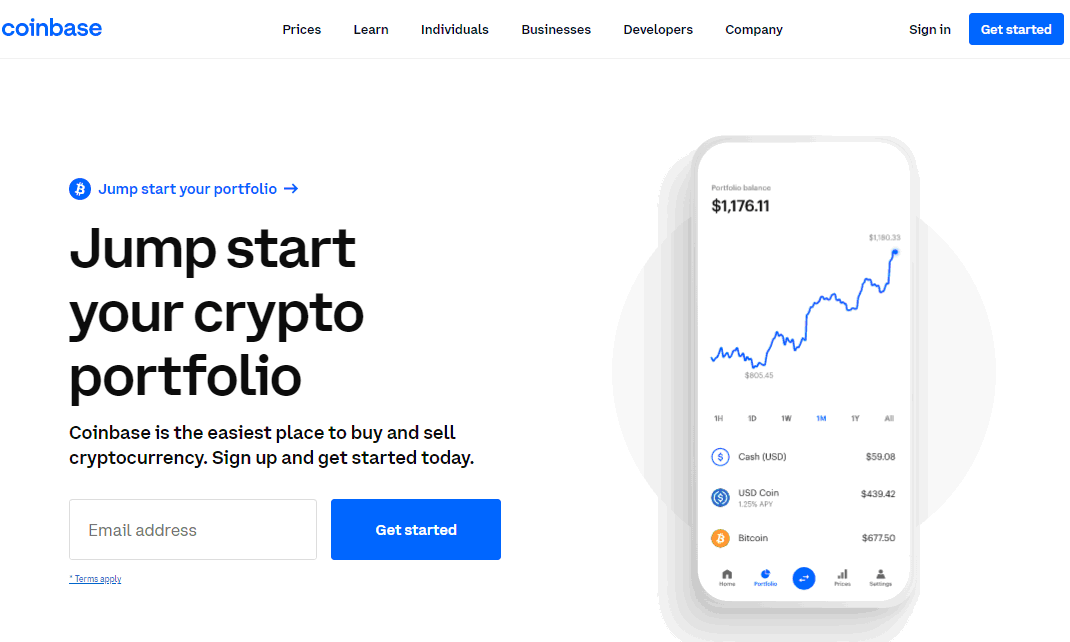
To begin, you must create an account and complete the identity verification process. This typically involves providing a government-issued ID and verifying your residency. From a financial planning perspective, it is wise to complete the highest level of verification available. This not only increases your daily purchase and withdrawal limits but also ensures that your account remains in good standing during periods of high market volatility when you might need to move funds quickly.
Connecting Financial Institutions
Coinbase allows for various funding methods, each with different financial implications:
-
ACH Transfers: Best for recurring investments or non-urgent purchases. These typically have lower fees but take several days for the funds to clear.
-
Wire Transfers: Ideal for large capital allocations. While they incur a flat fee, they are generally processed within the same business day, allowing for immediate deployment into the market.
-
Debit Cards: Offer the fastest route to purchase but come with the highest fee structure. Professional investors typically avoid this method for large sums to preserve their cost basis.
Enhancing Security Infrastructure
In the world of digital finance, you are your own bank. Before purchasing XRP, you must secure your account. This includes enabling hardware-based Two-Factor Authentication (2FA), such as a YubiKey, or at the very least, an authenticator app. Avoid SMS-based 2FA, as it is vulnerable to SIM-swapping attacks. Protecting your investment starts before the first token is ever bought.
Executing the Purchase: From Fiat to XRP
Once your account is funded and secured, you can proceed to the actual acquisition of XRP. Coinbase offers two primary interfaces: the standard “Simple” buy feature and the “Advanced” trading platform.
Using the Standard Interface
For those new to the platform, the standard interface is straightforward. You select XRP from the list of available assets, enter the dollar amount you wish to spend, and confirm the transaction. While convenient, this method often includes a “spread” and a higher flat fee, which can eat into your initial investment.
Strategic Investing via Coinbase Advanced
For the more cost-conscious investor, Coinbase Advanced offers tools similar to a professional brokerage. Here, you can place different types of orders:
-
Market Orders: These execute immediately at the current market price. Use these if your priority is immediate exposure.
-
Limit Orders: These allow you to set a specific price at which you are willing to buy. If the market dips to your specified price, the order executes. This is a vital tool for maintaining a disciplined entry point and managing your cost basis.
-
Stop Orders: These can be used to protect your downside once you own the asset, automatically selling if the price drops below a certain threshold.
Analyzing Fees and Transaction Costs
Every transaction on Coinbase incurs a fee. Understanding the fee schedule is critical for long-term profitability. By using the Advanced Trade feature, you often pay “maker” or “taker” fees that are significantly lower than the standard retail fees. Over time, reducing these “frictional costs” can have a substantial impact on the total return of your investment portfolio.
Managing Your Digital Assets: Security and Custody
Purchasing the asset is only half the journey; managing and securing it is where the long-term financial work begins. In the crypto industry, the phrase “not your keys, not your coins” is a mantra for a reason.
Exchange Custody vs. Self-Custody
When you buy XRP on Coinbase, the exchange holds the private keys on your behalf. This is known as custodial storage. For many, this is convenient and provides features like “Coinbase Vault,” which adds a time-delayed withdrawal process for extra security. However, for those holding significant amounts of wealth, moving assets to a private “cold storage” wallet (like a Ledger or Trezor) is often recommended. This removes the “exchange risk” and gives you total control over your financial assets.
Utilizing the Coinbase Wallet App
Coinbase also offers a separate, non-custodial app called “Coinbase Wallet.” This allows you to transfer your XRP from the exchange to a wallet where you control the seed phrase. This is a middle ground between exchange custody and a hardware wallet, offering a blend of accessibility and increased security.
Performance Tracking and Rebalancing
Once XRP is in your portfolio, it should be treated like any other high-beta asset. Regularly monitor its performance relative to your overall portfolio. If XRP experiences a significant rally, it may become an oversized portion of your net worth, necessitating a “rebalance” where you sell a portion to lock in gains and redistribute the capital into other asset classes.
Long-Term Financial Planning and the Crypto Market
Investing in Ripple (XRP) should not be viewed in isolation but as part of a broader financial strategy. The cryptocurrency market is famously volatile, and XRP is no exception.
Dollar-Cost Averaging (DCA)
One of the most effective financial strategies for volatile assets is Dollar-Cost Averaging. Instead of investing a lump sum, you invest a fixed amount at regular intervals. Coinbase allows for automated recurring buys to facilitate this. This strategy reduces the risk of entering the market at a local peak and smoothes out the purchase price over time.
Tax Implications and Compliance
In many jurisdictions, including the United States, cryptocurrencies are treated as property for tax purposes. Every time you sell XRP or trade it for another digital asset, it triggers a capital gains event. It is imperative to use the tax reporting tools provided by Coinbase or integrate your account with specialized crypto tax software. Maintaining meticulous records of your “cost basis” (the price at which you bought the asset plus fees) is essential for accurate financial reporting and avoiding complications with tax authorities.
The Regulatory Landscape
The financial world is still integrating digital assets, and the regulatory environment is constantly shifting. Ripple, in particular, has been at the center of significant legal discussions regarding the classification of digital assets. Staying informed about these developments is a part of the “due diligence” required of any modern investor. Changes in regulation can impact liquidity, exchange listings, and the overall market sentiment surrounding XRP.
By approaching the purchase of Ripple on Coinbase with a disciplined, professional mindset, you transform a simple transaction into a strategic move within your broader financial journey. Understanding the tools, the costs, and the security requirements ensures that your entry into the world of digital finance is both secure and calculated for long-term growth.
aViewFromTheCave is a participant in the Amazon Services LLC Associates Program, an affiliate advertising program designed to provide a means for sites to earn advertising fees by advertising and linking to Amazon.com. Amazon, the Amazon logo, AmazonSupply, and the AmazonSupply logo are trademarks of Amazon.com, Inc. or its affiliates. As an Amazon Associate we earn affiliate commissions from qualifying purchases.