
Navigating the landscape of federal and state taxes is a fundamental responsibility for entrepreneurs, freelancers, and high-net-worth investors. Unlike traditional employees who have taxes withheld from every paycheck, those with non-wage income must take a proactive approach to their liabilities. The United States operates on a “pay-as-you-go” tax system, meaning the Internal Revenue Service (IRS) expects to receive a portion of your earnings as you earn them, rather than in one lump sum every April.
Understanding exactly where and how to make these estimated tax payments is crucial for maintaining a healthy business cash flow and avoiding the sting of underpayment penalties. This guide explores the diverse channels available for remitting tax funds, from high-tech digital portals to traditional paper-based methods, and offers strategic insights into managing these recurring financial obligations.
Direct Digital Channels for Federal Payments
The most efficient way to manage estimated tax payments is through the digital infrastructure provided by the IRS. Digital payments offer immediate confirmation, better security than mailing checks, and the ability to schedule payments in advance to avoid missing deadlines.
IRS Direct Pay
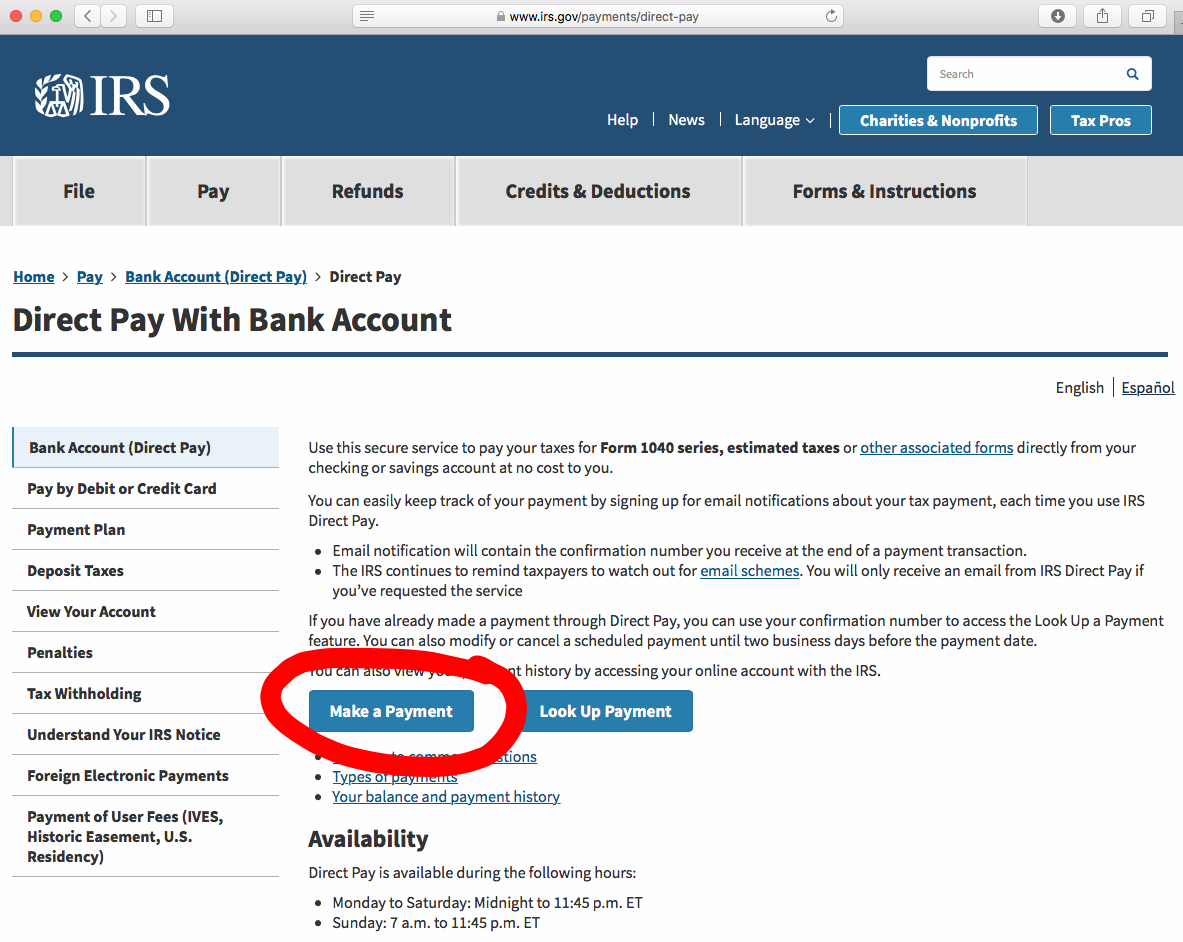
For individual taxpayers, IRS Direct Pay is often the most convenient tool. This web-based service allows you to pay your estimated tax directly from a checking or savings account without any prior registration.
-
Ease of Use: You simply select the “Estimated Tax” reason for payment, choose the appropriate tax year, and verify your identity using information from a previous year’s tax return.
-
Cost: The service is free of charge, making it a favorite for sole proprietors and independent contractors.
-
Confirmation: Upon completion, you receive an immediate confirmation number, which should be saved for your records and shared with your tax professional.
The Electronic Federal Tax Payment System (EFTPS)
While Direct Pay is excellent for individuals, the Electronic Federal Tax Payment System (EFTPS) is the gold standard for businesses and those who prefer a more robust management system.
-
Enrollment: Unlike Direct Pay, EFTPS requires a formal enrollment process. Once you sign up, the IRS mails a PIN to your registered address, adding an extra layer of security.
-
Capability: EFTPS allows you to schedule payments up to 365 days in advance. This is particularly useful for financial planning; you can log in at the start of the year and schedule all four quarterly payments based on your projected income.
-
Reporting: The system maintains a comprehensive history of your payments for up to 16 months, which simplifies the process of reconciling your books at year-end.
Payment via Debit or Credit Card
If you prefer to earn reward points or need a temporary float to manage cash flow, the IRS allows payments via third-party processors using debit or credit cards.
-
Processors: The IRS utilizes authorized partners like payUSAtax, Pay1040, and ACI Payments, Inc.
-
Associated Fees: It is vital to note that while the IRS does not charge a fee for card payments, the third-party processors do. Credit card fees typically range from 1.87% to 2%, while debit cards usually carry a flat fee of a few dollars.
-
Strategic Use: This method is generally only recommended if the rewards earned on the card outweigh the processing fees or if using a credit card is necessary to avoid a late-payment penalty that would exceed the interest cost.
Software-Integrated Payment Solutions
In the modern financial ecosystem, many taxpayers prefer to consolidate their tax obligations within the software they use for accounting or tax preparation. This integration reduces the risk of manual data entry errors and streamlines the record-keeping process.
Integrated Accounting Software
For small business owners using platforms like QuickBooks Self-Employed or Xero, tax estimation and payment are often built directly into the dashboard.
-
Real-Time Estimation: These platforms track your income and expenses throughout the quarter, providing a dynamic estimate of what you owe.
-
Direct Remittance: Many of these tools have built-in features that allow you to remit payments to the IRS without leaving the application. This ensures that the payment is immediately logged in your accounting records, facilitating easier bank reconciliation.
Professional Tax Preparation Software
When using software like TurboTax, H&R Block, or FreeTaxUSA, the program will typically generate Form 1040-ES (Estimated Tax for Individuals) based on your previous year’s data or your current year projections.
-
Electronic Funds Withdrawal (EFW): When you file your annual return, most software allows you to schedule your subsequent year’s first quarterly payment via EFW.
-
Voucher Generation: If you prefer not to pay through the software, these programs will generate PDF vouchers that you can print and mail or use as a reference for your digital payments.
The IRS2Go Mobile App
For those who manage their finances on the move, the IRS2Go app provides a mobile interface for making payments. It connects directly to IRS Direct Pay and the card payment processors, providing a secure, mobile-friendly gateway to fulfill your tax obligations.
State-Level Payment Platforms
It is a common mistake to focus solely on federal estimated taxes while neglecting state obligations. Most states with an income tax also require quarterly estimated payments, and the “where” can vary significantly from the federal process.
State Department of Revenue Portals
Most states have their own dedicated portals—such as the California Franchise Tax Board (FTB) website or the New York Department of Taxation and Finance.
-
Account Requirements: Unlike the federal Direct Pay system, many states require you to create a “Taxpayer Account” to make payments.
-
Payment Methods: Similar to the IRS, states generally offer free ACH transfers from bank accounts, while charging fees for credit card transactions.
Consistency Across Jurisdictions
When determining where to pay, ensure you are checking the requirements for every state where you have “nexus” (a business presence) or source income. If you live in one state but work as a consultant for a firm in another, you may owe estimated taxes to both jurisdictions. Professional tax software usually manages this complexity, but manual filers must visit each state’s Department of Revenue website individually.
Traditional and Alternative Payment Methods
While digital methods are preferred for their speed and traceability, the IRS and state authorities continue to support traditional payment channels. These are often utilized by taxpayers who prefer physical documentation or who do not have consistent access to high-speed internet.
Mailing Paper Vouchers (Form 1040-ES)
The traditional method of mailing a check or money order remains an option. To do this, you must use the appropriate voucher from Form 1040-ES.
-
The Check: Your check should be made out to the “United States Treasury.” It must include your Social Security Number, the tax year, and the notation “Form 1040-ES.”
-
Mailing Address: The mailing address for these vouchers depends on the state where you reside. The IRS provides a specific list of addresses in the Form 1040-ES instructions.
-
Proof of Mailing: If you choose this route, it is highly recommended to use USPS Certified Mail with a Return Receipt. This serves as your legal proof that the payment was sent on time, which is essential if the letter is lost or delayed in the mail.
Phone Payments and In-Person Options
The IRS offers a “Telepay” option through EFTPS, allowing taxpayers to schedule payments over the phone using an automated system. Additionally, the IRS has partnered with retail stores like 7-Eleven, CVS, and Walgreens to allow for in-person cash payments through the “Pay with Cash” program. This requires an initial step online to verify your identity and receive a payment code, but it provides a vital service for the unbanked or those who operate primarily in cash.
Strategy and Record-Keeping for Estimated Payments
Knowing where to make the payments is only half the battle; knowing when and how much to pay is what ultimately protects your wealth.
Adhering to the Quarterly Schedule
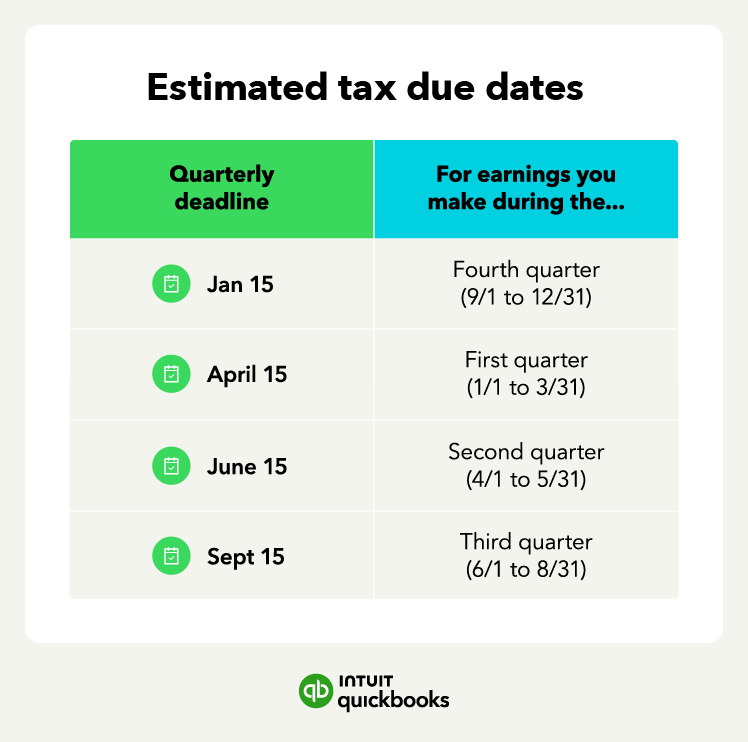
Estimated tax payments follow a specific cadence, which does not always align perfectly with three-month calendar quarters. The standard deadlines are:
-
Q1 (Jan 1 – March 31): April 15
-
Q2 (April 1 – May 31): June 15
-
Q3 (June 1 – Aug 31): September 15
-
Q4 (Sept 1 – Dec 31): January 15 of the following year
If these dates fall on a weekend or a legal holiday, the deadline shifts to the next business day.
The Safe Harbor Rule
To avoid underpayment penalties, savvy taxpayers utilize the “Safe Harbor” rule. Generally, the IRS will not penalize you if you pay at least 90% of the tax for the current year or 100% of the tax shown on your return for the prior year (110% if your adjusted gross income was over $150,000). By paying via EFTPS or Direct Pay based on these safe harbor amounts, you can ensure that even if your income spikes unexpectedly, you are shielded from penalties.
Documentation and Reconciliation
Regardless of the platform you choose, the burden of proof lies with the taxpayer. You should maintain a dedicated “Tax Folder” (digital or physical) containing:
-
Confirmation numbers from IRS Direct Pay or EFTPS.
-
Stamped certified mail receipts for paper filings.
-
Bank statements showing the debited amounts.
-
Account transcripts from the IRS website, which can be requested periodically to ensure all payments have been correctly applied to your account.
Remitting estimated taxes is a critical component of professional financial management. By leveraging digital portals like IRS Direct Pay and EFTPS, integrating tax payments into accounting software, and remaining diligent about state-level requirements, you can transform a complex obligation into a streamlined, predictable part of your financial routine. This proactive approach not only keeps you in good standing with the authorities but also provides the clarity needed to make informed investment and growth decisions for your business.
aViewFromTheCave is a participant in the Amazon Services LLC Associates Program, an affiliate advertising program designed to provide a means for sites to earn advertising fees by advertising and linking to Amazon.com. Amazon, the Amazon logo, AmazonSupply, and the AmazonSupply logo are trademarks of Amazon.com, Inc. or its affiliates. As an Amazon Associate we earn affiliate commissions from qualifying purchases.