
In an increasingly digital world, the idea of physically mailing a payment can seem like a relic of the past. Yet, when it comes to federal tax obligations, knowing the correct mailing address for your payment remains a crucial piece of financial literacy for millions of individuals and businesses. While electronic payment methods have gained significant traction, circumstances often arise where a paper check or money order sent through the mail is either necessary, preferred, or simply the most accessible option. Understanding the nuances of where and how to submit your federal tax payment by mail is not just about compliance; it’s a fundamental aspect of sound financial management, preventing penalties, and ensuring your hard-earned money reaches the Internal Revenue Service (IRS) accurately and on time.
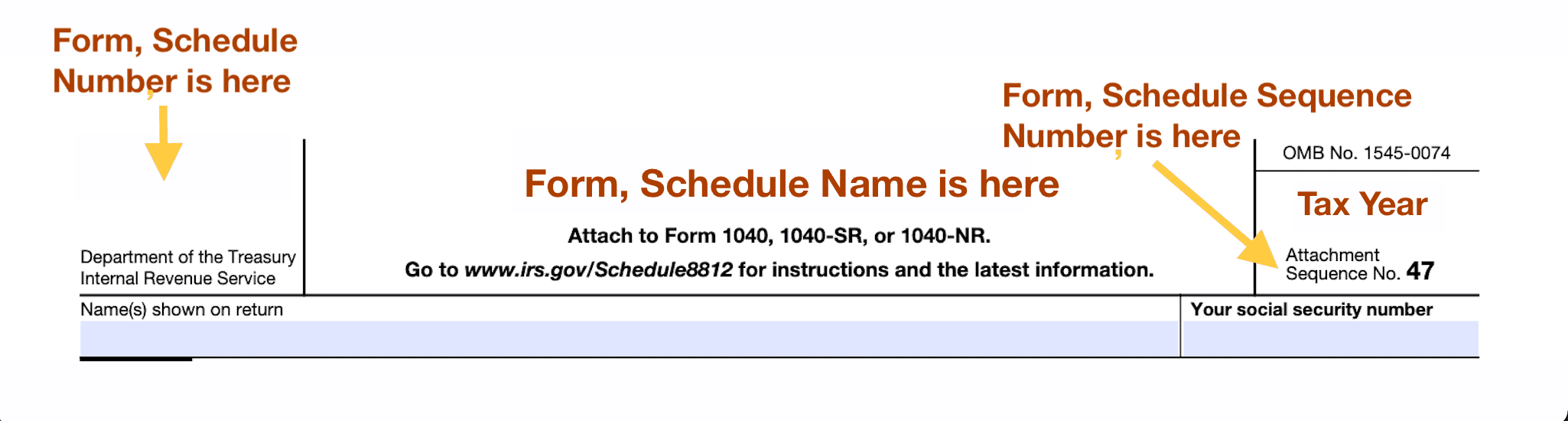
This guide delves deep into the specifics of mailing your federal tax payments, providing clear, actionable insights within the realm of personal and business finance. We’ll explore why mailing remains relevant, how to navigate the specific IRS addresses based on your filing status and form type, and the critical steps to ensure your mailed payment is processed smoothly and securely.
The Enduring Relevance of Physical Mail for Tax Payments
Despite the IRS’s significant investments in digital platforms and electronic payment solutions, the traditional method of mailing a physical check or money order continues to play a vital role in the federal tax ecosystem. For many taxpayers, it’s not merely a fallback but a deliberate choice rooted in various financial and practical considerations.
When Mailing is Necessary or Preferred
There are several scenarios where mailing your federal tax payment might be the best, or even only, option. For individuals who prefer not to conduct financial transactions online due to security concerns, a lack of internet access, or simply a preference for tangible records, physical mail offers a reassuring alternative. Many small businesses, especially those without sophisticated accounting software integrations, may find sending a check to be the simplest way to reconcile their books. Furthermore, certain unique tax situations, amended returns, or specific payment types might still necessitate or recommend a paper submission, even if other aspects of the return are filed electronically. The IRS often categorizes its mailing addresses based on whether you are enclosing a payment with a tax return, without a tax return (e.g., estimated taxes or a balance due after e-filing), or making a payment for a specific form type. Navigating these distinctions correctly is paramount for financial accuracy and compliance.
Understanding Your Tax Obligation and Payment Methods
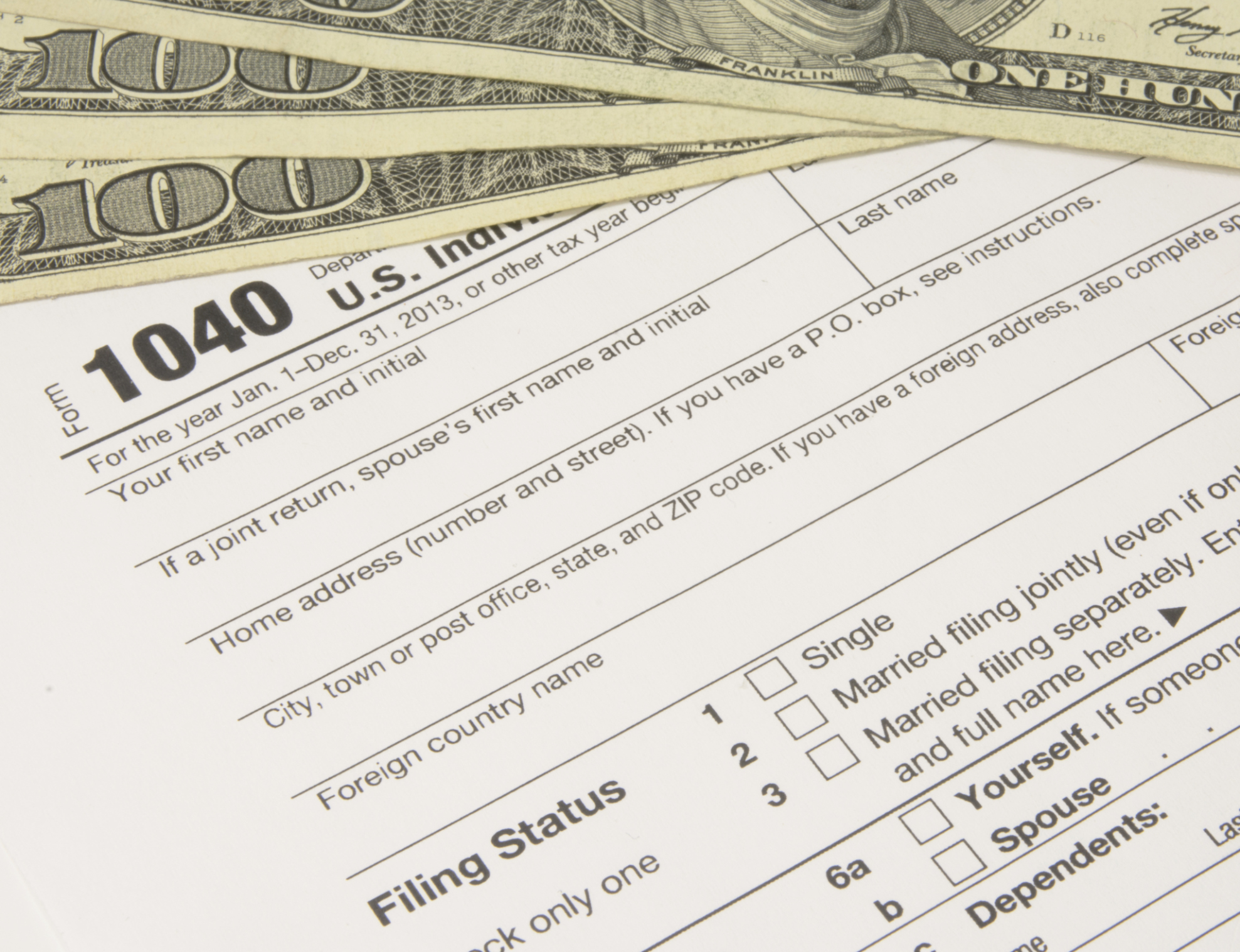
Before even considering the mailing address, it’s essential to have a clear understanding of your tax obligation. This involves accurately calculating your tax liability, identifying any credits or deductions, and determining the precise amount owed. For individuals, this typically involves Form 1040, while businesses will use forms like 1120 (U.S. Corporation Income Tax Return) or 941 (Employer’s Quarterly Federal Tax Return), among others. When paying by mail, the accepted methods are typically a check or money order made payable to the “U.S. Treasury.” It’s crucial that these financial instruments are correctly filled out, reflecting the exact amount due, and include necessary identifying information such as your name, address, daytime phone number, Social Security Number (SSN) or Employer Identification Number (EIN), the tax year, and the relevant tax form number. This attention to detail is a fundamental aspect of financial due diligence, preventing processing delays or misapplication of your payment, which could lead to unnecessary penalties or interest.
Navigating IRS Mailing Addresses: A Comprehensive Guide
One of the most frequent points of confusion for taxpayers is determining the correct IRS mailing address. The IRS maintains numerous processing centers across the country, and the specific address you use depends on several factors: the type of form you are filing, whether you are including a payment, and even the state in which you reside or where your business is located. Using the wrong address can delay processing, potentially leading to late payment penalties or other financial complications.
Individual Taxpayers (Form 1040)
For most individual taxpayers filing Form 1040 (U.S. Individual Income Tax Return), the mailing address is primarily determined by the state you live in and whether you are enclosing a payment. The IRS provides specific tables on its website (IRS.gov) and within the instructions for Form 1040. Generally, if you are sending a Form 1040 with a payment, the address will differ from an address used when sending a Form 1040 without a payment. It’s critical to consult the most current IRS instructions for the relevant tax year, as addresses can occasionally change. For example, taxpayers in California might mail their Form 1040 with payment to a different IRS center than those in New York. This geographical segmentation is a key aspect of the IRS’s operational efficiency for processing millions of returns and payments annually.
Businesses and Other Entities (Forms 1120, 941, etc.)
Business taxpayers, including corporations (Form 1120), partnerships (Form 1065), and employers reporting payroll taxes (Form 941), also have specific mailing addresses. These addresses are typically categorized by the type of business entity and, again, by the state where the business’s principal office or agency is located. Similar to individual taxpayers, there are often separate addresses for returns with payment versus those without payment. For example, a corporation filing Form 1120 with a payment might send it to a different IRS service center than a business filing Form 941. Understanding these distinctions is crucial for business financial compliance and avoiding potential disruptions in tax processing that could impact cash flow or incur penalties. Tax professionals often utilize dedicated financial software tools that help manage these complexities, ensuring accuracy in payment submissions.
Estimated Tax Payments (Form 1040-ES) and Extensions
Individuals and businesses who expect to owe tax and do not have sufficient withholding throughout the year are often required to make estimated tax payments. These are typically submitted quarterly using Form 1040-ES (Estimated Tax for Individuals) or other relevant estimated tax forms for businesses. For estimated taxes, you generally mail the payment voucher without a complete tax return. The mailing address for estimated tax payments is often distinct and also depends on your state of residence. Similarly, if you’ve filed for an extension (e.g., Form 4868 for individuals) and owe tax, you’ll need to mail your payment (even if the return is filed later) to a specific address, often with the extension form or a payment voucher like Form 1040-V. Proper handling of estimated taxes and extension payments is a critical element of proactive financial planning, preventing large tax bills at year-end and avoiding underpayment penalties.
Special Circumstances: Payments with No Return
Sometimes, you might need to mail a payment to the IRS without a specific tax return. This could happen if you e-filed your return but chose to mail your payment separately, or if you’re making a payment for a prior year’s liability, an audit assessment, or a penalty. In these cases, it is especially important to use Form 1040-V (Payment Voucher) for individual income tax payments, or the appropriate voucher for business taxes. These vouchers ensure your payment is correctly identified and applied to your account. The mailing addresses for these “payment-only” scenarios are also state-specific and are detailed in the instructions for Form 1040-V or on IRS.gov. This flexibility in payment options caters to various financial management strategies, allowing taxpayers to separate their filing process from their payment submission.
Preparing Your Tax Payment for Mail: Precision and Security
The act of mailing a tax payment is more than just dropping an envelope in a mailbox. It requires precision in documentation and careful attention to security, both of which are paramount in managing your financial liabilities effectively.

The Critical Role of Form 1040-V (Payment Voucher)
For individual federal income tax payments made by check or money order, Form 1040-V, Payment Voucher, is indispensable. This simple form, printed from the IRS website or tax software, ensures your payment is correctly credited to your account. It requires you to fill in your name, address, Social Security Number, the tax year, and the amount of the payment. Crucially, the payment voucher is typically mailed with your check or money order in the same envelope, often to a specific address distinct from where you might mail your full tax return if it has no payment. Omitting this voucher or providing inaccurate information on it can lead to delays in processing your payment, potentially resulting in notices from the IRS or the application of penalties for non-payment, even if your check eventually clears. This seemingly minor detail is a cornerstone of responsible financial tax management.
Crafting Your Check or Money Order Correctly
The physical payment itself – whether a personal check, cashier’s check, or money order – must be prepared with meticulous accuracy. It should be made payable to the “U.S. Treasury.” Do not abbreviate. On the memo line, you must clearly write your Social Security Number (or EIN for businesses), the tax year for which the payment is being made (e.g., “2023 Form 1040”), and the related tax form number. For example, “2023 Form 1040” for your income tax payment, or “2024 Form 1040-ES” for an estimated tax payment. This information is vital for the IRS to accurately match your payment to your specific tax account and obligation. Any discrepancies can lead to administrative headaches, misapplied payments, and potentially trigger IRS inquiries that require further financial documentation and time to resolve.
Documenting Your Submission: Proof of Mailing
Financial record-keeping is a cornerstone of prudent money management. When mailing a federal tax payment, especially if it’s a significant amount or close to a deadline, maintaining proof of mailing is highly advisable. While regular mail typically suffices, for added security and peace of mind, consider using certified mail with a return receipt requested. This provides undeniable proof that you sent your payment and that the IRS received it. Keep a copy of your tax return, the payment voucher, and the check or money order (or at least a record of the check number, amount, and date) for your personal records. In the unlikely event of a dispute or if the IRS claims non-receipt, this documentation can be invaluable for demonstrating your compliance and protecting your financial standing. This practice aligns with best financial security protocols, ensuring you have a verifiable trail of your tax transactions.
Best Practices for Mailing Your Federal Tax Payment
Successful tax compliance through mailed payments hinges on adherence to several best practices that go beyond merely addressing an envelope. These practices are critical for financial peace of mind and for avoiding costly mistakes.
Timeliness and Deadlines
The IRS operates on strict deadlines. For mailed payments, the postmark date is generally considered the filing date. This means that if your payment is postmarked on or before the due date, it is considered timely, even if the IRS receives it a few days later. However, mailing your payment close to the deadline carries inherent risks, such as postal delays or misplacement. As a financial best practice, aim to mail your payment at least a week before the due date. This buffer allows for unexpected postal issues and provides ample time for your payment to reach the IRS processing center. Procrastination in tax matters can lead to avoidable financial penalties, highlighting the importance of timely action in your financial planning.
Ensuring Accuracy to Avoid Issues
Double-checking every detail before sealing the envelope is a non-negotiable step. Verify the mailing address, the amount on the check, the information on the payment voucher, and the tax year. A single misplaced digit or an incorrect form number can lead to your payment being misapplied or delayed. This level of scrutiny in financial transactions is key to maintaining a clean tax record and avoiding future correspondence with the IRS that might require additional time and effort to resolve. Accuracy here is a direct reflection of diligent financial oversight.
Securing Your Payment and Information
Your tax payment envelope contains sensitive financial information. Always use a sturdy, opaque envelope. Be mindful of where and when you drop off your mail; a secure blue collection box is generally safer than an unsecured personal mailbox, especially if left out for extended periods. Protect your financial data by ensuring that only necessary information is visible or accessible. While the IRS uses secure processing centers, minimizing exposure during transit is a smart financial security measure.
Beyond the Post Office: A Brief Look at Digital Alternatives
While this article focuses on mailing federal tax payments, it’s prudent within a “Money” context to acknowledge the robust digital alternatives provided by the IRS. These options often offer increased speed, security, and convenience, and for many, they represent the preferred method of managing tax obligations.
IRS Direct Pay and Electronic Funds Withdrawal
The IRS offers several electronic payment options, including IRS Direct Pay, which allows you to make payments directly from your checking or savings account for free. You can also opt for Electronic Funds Withdrawal (EFW) when e-filing your tax return, authorizing the IRS to debit your payment from your bank account on a specified date. These methods provide instant confirmation, eliminate the need for checks or postage, and significantly reduce the risk of lost payments or postal delays. They are generally considered best practices for modern financial management.
Third-Party Payment Processors
You can also pay your federal taxes using a credit card, debit card, or digital wallet through approved third-party payment processors. While these options usually involve a processing fee, they offer flexibility and convenience, especially for those who wish to leverage credit card rewards or manage cash flow. For financial managers and business owners, the ability to integrate tax payments into existing digital payment ecosystems can offer streamlining benefits.
In conclusion, while the digital age offers myriad conveniences, the ability to correctly and securely mail federal tax payments remains a vital skill for comprehensive financial management. By understanding the specific IRS mailing addresses, diligently preparing your payment and documentation, and adhering to best practices, you can ensure your tax obligations are met accurately and on time, maintaining a strong foundation for your personal and business finances. Whether by traditional mail or modern digital means, responsible tax payment is a cornerstone of financial health.
aViewFromTheCave is a participant in the Amazon Services LLC Associates Program, an affiliate advertising program designed to provide a means for sites to earn advertising fees by advertising and linking to Amazon.com. Amazon, the Amazon logo, AmazonSupply, and the AmazonSupply logo are trademarks of Amazon.com, Inc. or its affiliates. As an Amazon Associate we earn affiliate commissions from qualifying purchases.