
The question “how many episodes of The Walking Dead” transcends a simple numerical query; it delves into the strategic depth of one of entertainment’s most enduring and expansive brands. Far from being a mere tally of broadcasts, the sheer volume of content produced under The Walking Dead banner—including its flagship series and a proliferating universe of spin-offs—represents a carefully orchestrated brand strategy designed for maximum longevity, audience engagement, and market saturation. This article will explore how the episodic nature and continuous expansion of The Walking Dead have solidified its position as a powerhouse entertainment brand, examining the strategic decisions behind its growth and the impact of its narrative architecture on its brand identity and legacy.

The Core Pillar: Building an Iconic Brand Through Episodic Storytelling
At the heart of The Walking Dead’s brand success lies its original series, a foundational narrative that captivated millions and established the core tenets of the universe. The consistent delivery of episodes was not just content production; it was a sustained brand-building exercise, meticulously crafting an identity centered on survival, humanity, and relentless struggle.
The Flagship Series: A Foundation of Engagement
The Walking Dead main series ran for 11 seasons, comprising 177 episodes. This extensive run laid the groundwork for the entire franchise, demonstrating a remarkable commitment to long-form storytelling. Each episode built upon the last, developing a complex web of characters, moral dilemmas, and evolving threats. From its explosive debut in 2010 to its emotional conclusion in 2022, the flagship series consistently delivered high-stakes drama that kept its audience invested. This sustained output was crucial for establishing the brand’s identity: gritty, character-driven, and unflinchingly dark, yet imbued with a glimmer of hope.
The pilot episode, “Days Gone Bye,” immediately set a high standard, showcasing cinematic quality rarely seen on basic cable at the time. This initial impact created a strong brand perception, associating The Walking Dead with premium, high-quality television. Subsequent episodes maintained this standard, fostering a loyal fanbase eager to tune in week after week. The sheer number of episodes meant that viewers spent hundreds of hours with these characters, forging deep emotional connections—a critical component in building a resonant and enduring brand. This lengthy narrative arc allowed for profound character transformations, the introduction of diverse communities, and the exploration of various societal structures post-apocalypse, enriching the brand’s thematic depth and intellectual property value. The episodic format, complete with cliffhangers and season-long story arcs, was a masterclass in audience retention, converting casual viewers into dedicated followers and evangelists for the brand.
Strategic Narrative Arcs and Audience Retention
The Walking Dead’s brand strategy heavily relied on its ability to craft compelling narrative arcs that spanned multiple episodes, seasons, and even across character departures. The show became synonymous with its willingness to make bold narrative choices, including the shocking deaths of beloved characters, which, while sometimes controversial, served to reinforce the brand’s commitment to high stakes and unpredictable storytelling. This narrative bravery ensured that the brand never felt stagnant, continually surprising its audience and sparking fervent online discussions—a vital form of organic marketing.
Beyond individual character journeys, the series expertly navigated major storyline adaptations from Robert Kirkman’s comic books, while also diverging to keep both comic readers and new viewers engaged. The introduction of iconic villain groups like The Governor, The Saviors, and The Whisperers provided fresh conflicts and new antagonists, preventing narrative fatigue and injecting new life into the brand’s core premise. Each major arc was meticulously paced, building tension over several episodes before culminating in dramatic season finales or mid-season events. This strategic use of episodic structure ensured that the brand remained a fixture in the cultural conversation, generating water-cooler moments and social media buzz that extended the brand’s reach far beyond its broadcast timeslot. The consistent delivery of these high-impact narratives was a testament to the brand’s commitment to quality storytelling, cementing its reputation as a leader in the horror-drama genre and, more broadly, in prestige television.
Expanding the Universe: Diversifying the Brand Portfolio
Recognizing the immense potential of its established brand, AMC embarked on an ambitious strategy of universe expansion. This was not merely about creating more content; it was a deliberate move to diversify The Walking Dead’s brand portfolio, tap into new demographics, and maintain relevance in an increasingly fragmented media landscape.
Spin-offs as Brand Extensions: Reaching New Demographics
The Walking Dead’s universe has grown exponentially, demonstrating a sophisticated approach to brand extension. Each spin-off has served a specific strategic purpose, exploring different timelines, geographical locations, and thematic angles, thereby broadening the brand’s appeal and market penetration.
- Fear the Walking Dead (2015-2023): With 8 seasons and 113 episodes, Fear was the first spin-off, designed as a prequel that showed the initial collapse of civilization. This allowed the brand to explore a different phase of the apocalypse, attracting viewers interested in origins and the immediate chaos, offering a fresh perspective while leveraging the established brand name.
- The Walking Dead: World Beyond (2020-2021): A limited series of 2 seasons and 20 episodes, World Beyond targeted a younger demographic, focusing on the first generation to come of age in the apocalypse. This move was strategic in ensuring the brand’s future appeal and exploring new narrative territory related to larger governmental structures and scientific efforts, hinting at the Civic Republic Military (CRM).
- Tales of the Walking Dead (2022): This anthology series, with 1 season and 6 episodes, represented a unique brand innovation. Its episodic, standalone nature allowed for experimental storytelling, featuring new characters and one-off scenarios. This format provided a low-risk way to test new concepts and characters, keep the brand fresh between major series, and appeal to viewers seeking more contained narratives without the long-term commitment of a full series.
- The Walking Dead: Dead City (2023-Present): With 1 season and 6 episodes (and renewed for a second), Dead City strategically paired two beloved, long-standing characters, Maggie and Negan, and transported them to a new, iconic setting (post-apocalyptic New York City). This spin-off capitalized on existing character equity and fan loyalty, reinvigorating interest in the brand by offering familiar faces in a novel environment.
- The Walking Dead: Daryl Dixon (2023-Present): Also with 1 season and 6 episodes (and renewed for a second), this series took the franchise’s most popular character, Daryl, and placed him in France. This daring move not only explored a globalized apocalypse but also introduced a new aesthetic and cultural dimension to the brand, expanding its international appeal and demonstrating its adaptability beyond American landscapes.
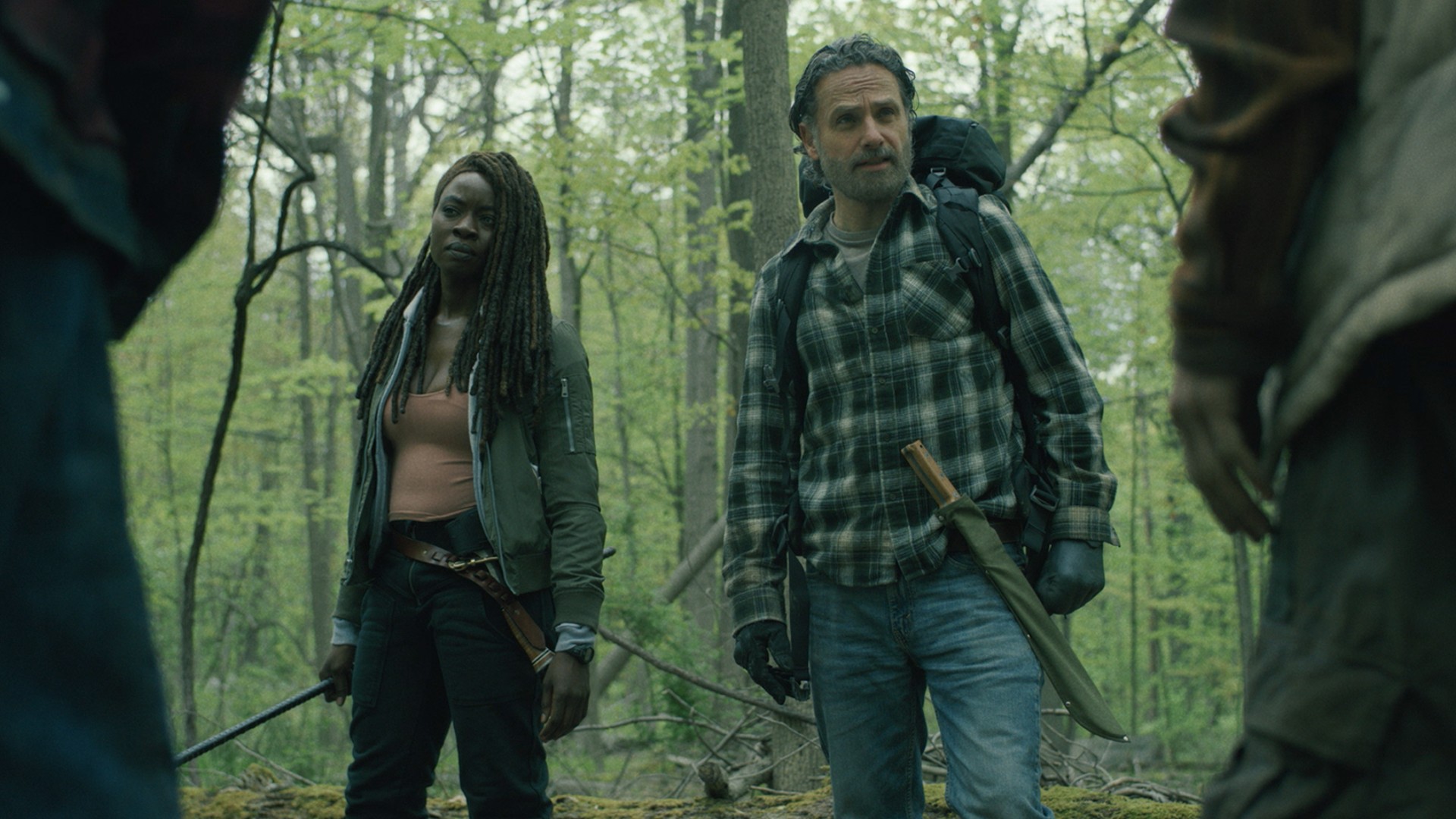
- The Walking Dead: The Ones Who Live (2024-Present): A highly anticipated limited series of 6 episodes, this spin-off finally brought back Rick Grimes and Michonne, two foundational characters. This was a direct response to fan demand, designed to provide closure and new beginnings for central figures, effectively drawing back lapsed viewers and reinforcing the brand’s emotional core.
Collectively, these spin-offs, totaling 151 episodes and counting across various formats, demonstrate a cohesive strategy to segment the market, offer diverse narrative entry points, and sustain the brand’s omnipresence. Each extension is carefully designed to attract specific audiences while contributing to the overall narrative tapestry of The Walking Dead Universe (TWDU).
Maintaining Brand Cohesion Across Multiple Narratives
The challenge of managing a brand with so many moving parts is maintaining cohesion. The Walking Dead brand has largely succeeded by establishing a clear universe bible and lore, ensuring that despite diverse settings and characters, certain fundamental rules and thematic elements persist. The consistent portrayal of walkers, the focus on human adaptability, and the exploration of moral ambiguities are threads that tie the entire TWDU together. Storylines, characters, and even subtle Easter eggs frequently cross over or reference events from other series, creating a rich, interconnected experience that rewards dedicated fans.

This interconnectedness is crucial for brand loyalty. It encourages viewers to watch multiple series to get the full picture, deepening their engagement with the entire brand ecosystem. AMC and the creative teams have skillfully balanced individual series’ autonomy with overarching narrative consistency. While each spin-off has its unique tone and focus, they all operate within the established brand framework, preventing brand dilution and ensuring that “The Walking Dead” moniker universally signifies a certain quality and genre experience. This strategic brand architecture allows for simultaneous innovation and reinforcement of core brand values, keeping the universe vibrant and compelling without sacrificing its foundational identity.
The Business of Brand Persistence: Monetization and Future-Proofing
The longevity and expansion of The Walking Dead brand are not accidental; they are the result of shrewd business strategies focused on adapting to market changes, maximizing monetization opportunities, and cultivating an unparalleled fan ecosystem. The sheer number of episodes produced is a testament to sustained investment and a clear understanding of the brand’s commercial value.
From Linear Television to Streaming Dominance: Adapting the Brand Model
The Walking Dead launched at a pivotal time in television history, just as cable was reaching its peak and streaming services were beginning their ascent. The brand masterfully navigated this transition. Initially a tentpole for AMC’s linear broadcast, it consistently broke ratings records, demonstrating the power of appointment viewing for a premium drama. As viewing habits shifted, AMC was quick to adapt its strategy, establishing AMC+ as a key streaming destination for the TWDU.
This adaptation involved strategic decisions about content exclusivity and release patterns. For instance, new episodes often debut a week early on AMC+, incentivizing subscriptions and positioning the brand as a key driver for the platform. This dual-platform approach ensures that the brand remains accessible to a broad audience (linear for traditional viewers, streaming for cord-cutters) while also monetizing different consumer behaviors. The archive of hundreds of episodes across all series becomes a valuable asset for streaming, offering binge-watching opportunities that attract and retain subscribers. By ensuring the brand’s presence across evolving distribution channels, from syndication deals to international licensing, The Walking Dead has future-proofed its commercial viability, demonstrating flexibility in its brand model. The extensive episode library is a persistent revenue generator, available for licensing and repeat viewing, cementing the brand’s financial foundation.
The Fan Ecosystem: Cultivating a Loyal Brand Community
Beyond episode counts and distribution models, The Walking Dead brand’s enduring success is deeply rooted in its vibrant and dedicated fan community. This community is not just a passive audience but an active ecosystem that contributes significantly to the brand’s value and longevity. AMC understood early on the power of direct engagement with its fanbase.
- Conventions and Appearances: Events like San Diego Comic-Con and Walker Stalker Con became crucial touchpoints, allowing fans to interact with actors, creators, and fellow enthusiasts. These events transform the viewing experience into a shared communal activity, strengthening brand loyalty.
- Merchandise and Collectibles: From action figures and apparel to video games and board games, the vast array of merchandise extends the brand’s presence into everyday life. Each item is a physical manifestation of the brand, allowing fans to express their identity and deepen their connection. The sheer volume of content—hundreds of episodes—provides an endless wellspring for merchandise ideas, from character-specific items to iconic quotes and imagery.
- Online Communities and Social Media: The brand has fostered robust online communities where fans discuss theories, share reactions, and engage in fan fiction. The creators and actors often engage directly with fans on social media, creating a sense of inclusion and personal connection that humanizes the brand.
This cultivation of a loyal fan ecosystem ensures that The Walking Dead is more than just a TV show; it’s a cultural phenomenon and a lifestyle brand for many. The enduring passion of the fanbase acts as a continuous marketing engine, generating buzz, advocating for the brand, and creating a feedback loop that informs future creative and business decisions. This deep emotional investment in the brand, fueled by thousands of hours of content, translates directly into sustained viewership, merchandise sales, and overall brand equity.
Measuring Brand Impact: Legacy and Influence
The Walking Dead is not just a brand; it’s a cultural touchstone that has redefined a genre, influenced industry practices, and left an indelible mark on the entertainment landscape. Its extensive episode count is a quantitative measure of its reach and consistent presence.
Cultural Footprint: Shaping the Zombie Genre and Beyond
The Walking Dead arrived at a time when zombies were primarily B-movie fare, often relegated to horror niches. Through its sophisticated storytelling and character development, the brand elevated the zombie narrative to a mainstream prestige drama. It proved that the genre could be a vehicle for profound philosophical questions about humanity, morality, and societal collapse, transcending simple gore. This cultural impact is a testament to the brand’s ability to innovate and redefine established tropes.
The brand’s influence extended beyond the genre, impacting how networks approached serialized drama. Its massive ratings proved that niche concepts, when executed with quality and strategic branding, could achieve widespread appeal. It became a case study in building a successful multimedia franchise from a single intellectual property. The sheer volume of content it produced, and the diverse ways it expanded, demonstrated a blueprint for brand management in the modern entertainment age, inspiring numerous other “universes” across various networks and streaming platforms. The brand’s consistent presence on television for over a decade, through hundreds of episodes, solidified its iconic status and cemented its legacy as a cultural phenomenon.
The Future of the Walking Dead Brand: Innovation and Evolution
Despite the conclusion of the flagship series, The Walking Dead brand is far from over. The ongoing success of its spin-offs—Dead City, Daryl Dixon, and The Ones Who Live—signals a strategic shift towards more focused, character-centric limited series. This evolution demonstrates the brand’s agility and willingness to adapt its content strategy to meet changing audience demands and streaming trends. Rather than one monolithic series, the brand is now an archipelago of interconnected stories, each contributing to the larger narrative and attracting specific viewer segments.
The future of The Walking Dead brand likely involves continued exploration of its vast universe, potentially through new characters, untapped regions, or even different formats. The extensive library of existing episodes provides a rich foundation and a deep well of lore for future development. The brand’s ability to leverage its established characters for new series, coupled with a willingness to introduce fresh perspectives and narrative structures, ensures its continued relevance. The question of “how many episodes” will continue to grow, not as a single count, but as an ever-expanding testament to a brand that refuses to die, continuously innovating to engage its audience and solidify its position as one of the most successful and enduring entertainment franchises in modern history. Its legacy is not just in the numbers, but in its strategic brand management that continues to captivate and expand.
aViewFromTheCave is a participant in the Amazon Services LLC Associates Program, an affiliate advertising program designed to provide a means for sites to earn advertising fees by advertising and linking to Amazon.com. Amazon, the Amazon logo, AmazonSupply, and the AmazonSupply logo are trademarks of Amazon.com, Inc. or its affiliates. As an Amazon Associate we earn affiliate commissions from qualifying purchases.