
Navigating the used car market can feel like a daunting task, a labyrinth of options, prices, and promises. Yet, for the financially savvy consumer, buying a used car is often the most prudent choice, offering significant savings compared to purchasing a new vehicle while still providing reliable transportation. The key to unlocking these savings and securing a valuable asset lies not just in what car you choose, but where you choose to look. This guide delves into the various avenues for acquiring a used car, meticulously examining each from a financial perspective to empower you with the knowledge needed to make a smart, informed decision that benefits your bottom line.
Leveraging Digital Marketplaces for Financial Efficiency
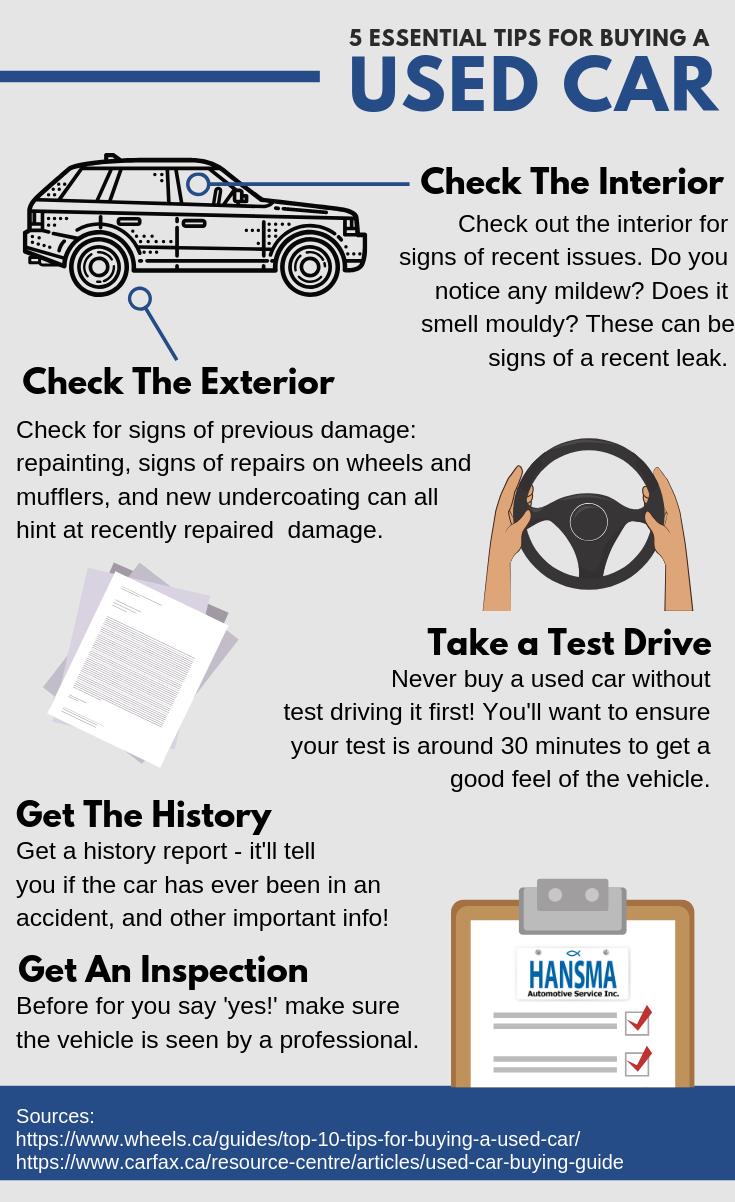
The internet has revolutionized the used car buying experience, transforming what was once a geographically limited hunt into a global search. Online platforms offer unparalleled transparency, comparison tools, and access to a vast inventory, all of which are critical for making financially sound decisions.
Reputable Online Car Platforms
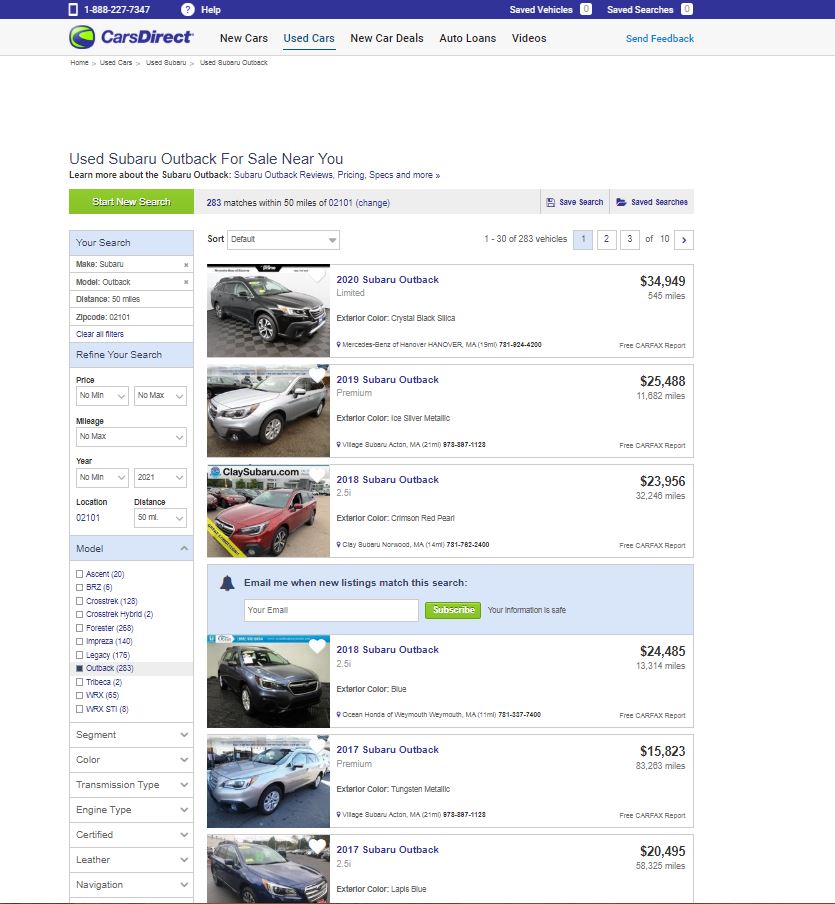
Platforms like AutoTrader, CarGurus, Edmunds, and Cars.com are indispensable resources for the modern used car buyer. Their sophisticated filtering systems allow you to narrow down your search by an exhaustive list of criteria: price range, mileage, year, make, model, trim, features, and even location. From a financial standpoint, these sites offer several advantages. You can easily compare prices for similar vehicles from multiple sellers, both private and dealership, identifying market trends and avoiding overpaying. Many platforms integrate vehicle history reports (such as CarFax or AutoCheck), providing crucial insights into a car’s past accidents, service records, and ownership changes – a non-negotiable step to protect against unforeseen repair costs down the line. Furthermore, embedded financial tools like loan calculators allow you to estimate monthly payments, helping you to align your prospective purchase with your budget before you even set foot on a lot. This level of financial transparency and ease of comparison makes these platforms a cornerstone for financially efficient used car shopping.
Auction Sites and Specialty Platforms
For those with a higher risk tolerance and a keen eye for value, online auction sites and specialty platforms can uncover significant savings. eBay Motors, for example, hosts a wide array of vehicles, from everyday commuters to classic cars, often at prices below traditional retail. The auction format can lead to genuine bargains if you’re disciplined with your bidding strategy. Beyond consumer-facing auctions, government and fleet auction sites (e.g., GovDeals, various state and municipal surplus auctions) can be a goldmine for budget-conscious buyers. These vehicles, often well-maintained during their service life, are sold off in bulk, potentially offering very attractive prices. However, these platforms typically involve buying “as is,” often without the opportunity for a test drive or thorough inspection prior to purchase. This necessitates a robust financial assessment of potential risks and a contingency budget for any immediate repairs. While the potential for substantial savings is real, the increased due diligence and mechanical understanding required are paramount to avoid turning a “bargain” into a financial burden.
Social Media Marketplaces and Classifieds
The rise of platforms like Facebook Marketplace and the enduring presence of Craigslist offer a more localized, peer-to-peer approach to finding used cars. These channels connect buyers directly with private sellers, often cutting out the middleman (dealership) and potentially reducing markups. This direct interaction can open doors for greater negotiation flexibility, allowing astute buyers to secure better deals. However, this environment demands a heightened level of vigilance. While you might find a genuinely motivated seller offering a great price, these platforms are also more susceptible to scams, misrepresented vehicles, or sellers attempting to offload problematic cars. Financial prudence here means verifying the seller’s identity, insisting on a detailed vehicle history report, and crucially, arranging an independent pre-purchase inspection by a trusted mechanic. The potential for savings is high, but so is the responsibility of the buyer to protect their financial interests.
Traditional Dealerships: Balancing Convenience and Cost
While digital platforms offer broad reach, traditional dealerships remain a popular choice, providing a different set of advantages and disadvantages from a financial perspective.
Franchised Dealerships (New Car Dealerships with Used Inventory)
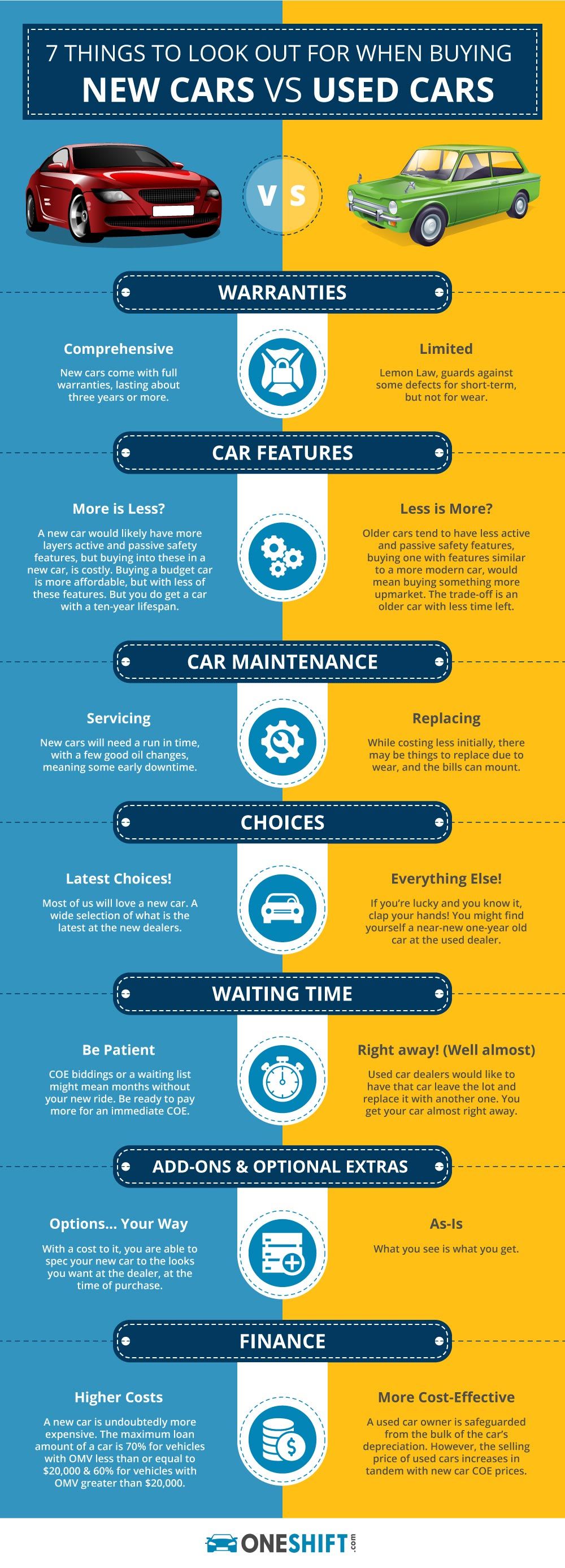
Franchised dealerships, typically associated with specific new car brands, also maintain substantial used car inventories. Their major financial appeal lies in their certified pre-owned (CPO) programs. CPO vehicles undergo rigorous multi-point inspections and come with extended warranties backed by the manufacturer. This offers a significant level of financial security, mitigating the risk of unexpected repair costs often associated with used cars. Dealerships also provide in-house financing options, trade-in capabilities, and comprehensive service departments, creating a convenient one-stop shop. However, this convenience and added peace of mind often come at a premium. CPO vehicles are typically more expensive than their non-CPO counterparts found elsewhere, and negotiation room might be tighter due to the perceived value and guarantees. Savvy buyers will weigh the cost of the CPO premium against the potential financial risk of a non-warrantied purchase and compare financing offers carefully.
Independent Used Car Dealerships
Independent used car dealerships specialize exclusively in selling pre-owned vehicles, often boasting a wider variety of makes and models than their franchised counterparts. Financially, these dealerships can offer more competitive pricing due to lower overheads and a focus on volume sales. This environment often presents greater opportunities for negotiation, as their pricing structures can be more flexible. However, the financial risks can also be higher. The quality and reliability of independent dealerships vary widely; some are highly reputable, while others might engage in less scrupulous practices. Buyers must exercise increased vigilance, ensuring transparent pricing, clear vehicle history disclosure, and crucially, insisting on an independent pre-purchase inspection. Relying solely on the dealership’s “inspection” or promises could lead to significant financial regret if underlying mechanical issues are present.
“Buy Here, Pay Here” Lots: A Financial Cautionary Tale
“Buy Here, Pay Here” (BHPH) dealerships cater to individuals with poor credit histories or no credit at all, offering in-house financing directly from the dealership. While they provide an option for those who can’t secure traditional loans, these establishments are generally a financial last resort. The interest rates charged by BHPH lots are often exorbitant, frequently reaching the highest legal limits, leading to significantly higher total costs over the life of the loan. Coupled with aggressive repossession policies and sometimes questionable vehicle quality, buyers can quickly find themselves in a precarious financial position, paying far more than the car is worth and risking their ability to repay the loan. From a financial planning perspective, it is almost always advisable to explore all other avenues – securing a co-signer, saving for a larger down payment, or exploring credit rebuilding strategies – before resorting to a BHPH establishment.
Direct from Owners: Maximizing Savings, Minimizing Intermediaries
Cutting out the middleman by buying directly from a private seller can be one of the most financially rewarding avenues, but it also places more responsibility on the buyer.
Local Classifieds and Community Boards
While perhaps a more old-fashioned approach, scanning local newspaper classifieds, community bulletin boards, or even physical flyers can sometimes unearth hidden gems. These channels often attract sellers who are less tech-savvy or prefer traditional methods, potentially meaning less competition for you as a buyer. The direct nature of these sales allows for person-to-person negotiation without the added complexity of a dealership’s sales process or profit margins. The financial benefit here is the potential to secure a car at a price that more closely reflects its true market value, as the seller’s primary motivation is often simply to sell their vehicle, not to maximize profit. However, as with online classifieds, the onus is entirely on the buyer to perform due diligence, verify vehicle condition, and ensure a safe transaction.
Word-of-Mouth and Personal Networks
Leveraging your personal network – friends, family, colleagues, and acquaintances – can be an incredibly effective and often financially advantageous way to find a used car. Cars sold through word-of-mouth often come from trusted sources who can provide a complete and honest history of the vehicle. You might know the car’s maintenance history firsthand, understand its quirks, and have a good sense of how it was treated. This inherent trust can significantly reduce the financial risk associated with an unknown seller and car. Furthermore, sellers in your network might be more inclined to offer a fair price or even a discount out of goodwill, providing a clear financial benefit. It’s a low-pressure environment where information is freely shared, making the decision-making process more transparent and less stressful.
Employee Purchase Programs and Corporate Sales
Some large corporations or government agencies periodically sell off their fleet vehicles through employee purchase programs or public sales. These vehicles are often meticulously maintained, adhere to strict service schedules, and typically have higher mileage but a history of professional care. While these opportunities aren’t always widely advertised, inquiring through professional networks or checking specific agency websites can uncover them. Financially, these sales can offer excellent value, as the cars are often priced to move and their maintenance records provide a clear picture of their history, reducing future financial surprises. It’s a niche market that astute buyers can tap into for well-maintained, reliable vehicles at competitive prices.
Essential Financial Due Diligence, Regardless of Source
No matter where you decide to look for your used car, a rigorous financial due diligence process is non-negotiable to protect your investment and ensure long-term value.
Budgeting and Financing Pre-Approval
Before you even begin your search, establish a firm budget that considers not just the purchase price, but also potential sales tax, registration fees, insurance costs, and a buffer for immediate maintenance. More importantly, get pre-approved for a loan before you start shopping. Pre-approval gives you a clear understanding of your borrowing power, interest rate, and monthly payment. This financial clarity strengthens your negotiation position, whether with a private seller or a dealership, as you become a cash buyer in their eyes, enabling you to focus solely on the vehicle price and avoid becoming entangled in unfavorable dealer financing offers.
Vehicle History Reports and Independent Inspections
These two steps are your strongest financial shields against future monetary headaches. A comprehensive vehicle history report (e.g., CarFax, AutoCheck) reveals past accidents, salvage titles, flood damage, odometer tampering, and service history. This small investment can save you thousands in potential repair costs or from purchasing a vehicle with diminished resale value. Equally crucial is an independent pre-purchase inspection by a trusted, third-party mechanic. This professional assessment uncovers existing mechanical issues, potential safety hazards, and impending repairs that even a history report might miss. The cost of an inspection is a negligible expense compared to the potential cost of buying a lemon.
Negotiation Strategies
Regardless of the source, successful negotiation is paramount to securing the best financial deal. Research the market value of the specific make, model, and year you’re interested in using resources like Kelley Blue Book or Edmunds. Come prepared with comparable listings to justify your offer. Be willing to walk away if the price isn’t right or if the seller isn’t transparent. Highlight any flaws or needed repairs identified during your inspection to justify a lower offer. Remember, your goal is to achieve a fair price that reflects the vehicle’s condition and market value, maximizing your financial benefit.
Understanding Total Cost of Ownership
The purchase price is just one component of owning a car. A financially astute buyer considers the total cost of ownership (TCO). This includes fuel efficiency (MPG), insurance premiums (get quotes before buying), expected maintenance costs (research common issues for specific models), and recurring fees like registration and inspections. A car with a low purchase price but high TCO due to poor fuel economy or expensive parts can quickly become a financial drain. Factor these long-term costs into your budget and decision-making process to ensure your chosen used car remains a financially sustainable asset.
In conclusion, finding the right used car is a strategic endeavor that intertwines research, patience, and meticulous financial planning. By thoughtfully exploring digital marketplaces, evaluating traditional dealerships, and considering direct-from-owner sales, while always anchoring your decisions in rigorous financial due diligence, you can navigate the used car market successfully. The ultimate goal is not just to find a car, but to secure a reliable asset that aligns with your financial goals, providing lasting value and peace of mind.
aViewFromTheCave is a participant in the Amazon Services LLC Associates Program, an affiliate advertising program designed to provide a means for sites to earn advertising fees by advertising and linking to Amazon.com. Amazon, the Amazon logo, AmazonSupply, and the AmazonSupply logo are trademarks of Amazon.com, Inc. or its affiliates. As an Amazon Associate we earn affiliate commissions from qualifying purchases.