
Navigating the housing market in the current economic climate can feel like trying to hit a moving target. For prospective homebuyers and homeowners looking to refinance, the question “what is the mortgage interest rate now?” is more than just a search query—it is a critical factor that determines long-term financial stability and purchasing power. In recent years, we have transitioned from historically low, sub-3% rates to a more volatile environment influenced by global inflation, central bank policies, and shifting economic indicators.
Understanding the current mortgage interest rate requires looking beyond a single percentage point. It involves analyzing the macroeconomic forces at play, the specific financial products available, and the individual criteria lenders use to determine your specific rate. This guide provides a deep dive into the current state of mortgage lending, offering the insights necessary to make informed financial decisions.
Understanding the Forces Driving Current Mortgage Rates
Mortgage rates do not exist in a vacuum. While many consumers believe the Federal Reserve sets mortgage rates directly, the reality is more nuanced. Mortgage rates are largely influenced by the secondary market where mortgage-backed securities (MBS) are traded, which in turn are heavily sensitive to government policy and inflation data.
The Role of the Federal Reserve and Monetary Policy
The Federal Reserve influences mortgage rates primarily through the Federal Funds Rate. When the Fed raises this benchmark rate to combat inflation, it increases the cost of borrowing across the board. While this doesn’t create a one-to-one increase in mortgage rates, it sets the tone for the financial markets. Lenders anticipate higher costs and adjust their pricing accordingly. Conversely, when the Fed signals a pause or a cut in rates, the market often reacts with optimism, leading to a stabilization or slight dip in mortgage costs.
Inflation and the 10-Year Treasury Yield
Inflation is the greatest enemy of fixed-income investments like mortgages. When inflation is high, the purchasing power of the future interest payments a lender receives is eroded. To compensate for this risk, lenders demand higher interest rates. Historically, the 30-year fixed mortgage rate tracks very closely with the yield on the 10-year Treasury note. Typically, there is a “spread” or gap of about 1.5 to 3 percentage points between the 10-year Treasury yield and the average mortgage rate. When market volatility is high, this spread widens, leading to higher rates for consumers even if Treasury yields remain stable.
Economic Growth and Labor Market Data
The strength of the economy also dictates where rates land. Robust employment data and high consumer spending often signal that the economy can handle higher interest rates, which may keep rates elevated. On the other hand, signs of an economic slowdown or a cooling labor market often prompt a “flight to safety,” where investors buy bonds, driving yields—and mortgage rates—lower.
Exploring Different Mortgage Products and Their Rate Structures
When you ask “what is the rate,” the answer depends heavily on the type of loan you are seeking. Different products cater to different risk profiles and financial goals, and their interest rates reflect those variables.
Fixed-Rate Mortgages: The Gold Standard of Stability
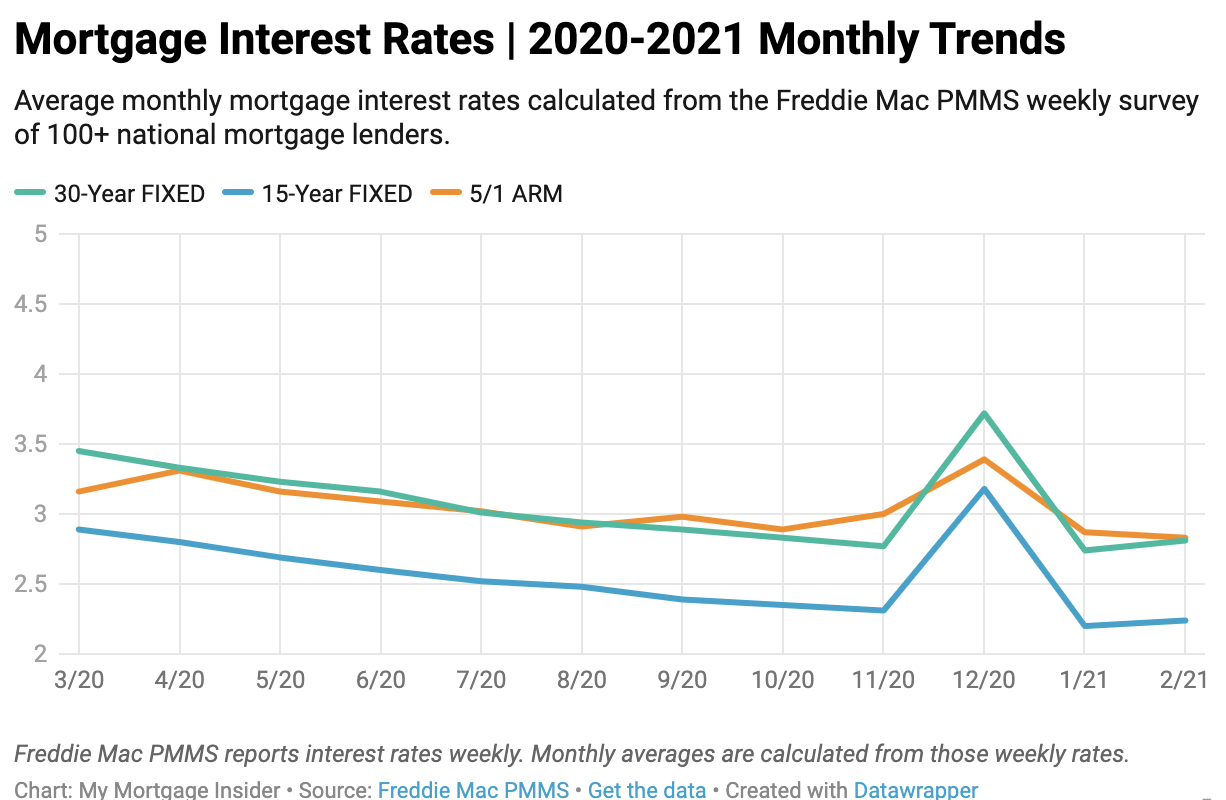
The 30-year fixed-rate mortgage remains the most popular choice for American homebuyers. It offers a predictable monthly payment for the life of the loan. However, because the lender is taking on the risk of inflation over three decades, the interest rate is usually higher than shorter-term options.
The 15-year fixed-rate mortgage, by contrast, typically offers a significantly lower interest rate. Lenders offer these lower rates because the loan is paid back faster, reducing the duration of their risk. While the interest rate is lower, the monthly payments are higher due to the shorter amortization schedule, making it a powerful tool for those who want to build equity quickly and save on total interest costs.
Adjustable-Rate Mortgages (ARMs)
Adjustable-rate mortgages offer an initial fixed-rate period—usually 5, 7, or 10 years—after which the rate adjusts periodically based on market indices. In a high-rate environment, ARMs can be attractive because the “teaser” or introductory rate is often lower than that of a 30-year fixed loan. This can provide temporary relief and lower initial monthly payments. However, ARMs carry the risk of “payment shock” if rates are significantly higher when the adjustment period begins.
Government-Backed Loans: FHA, VA, and USDA
Rates for FHA (Federal Housing Administration) and VA (Department of Veterans Affairs) loans are often lower than conventional mortgage rates. These loans are insured or guaranteed by the government, reducing the risk for lenders. VA loans, specifically, often offer some of the most competitive rates in the market as a benefit to service members. However, it is important to factor in the cost of mortgage insurance premiums (MIP) or funding fees, which can impact the overall annual percentage rate (APR).
How Personal Financial Profiles Influence Your Specific Rate
The “national average” rate reported in the news is often a baseline for a “prime” borrower—someone with excellent credit and a significant down payment. Your actual rate will be customized based on your financial health.
The Critical Importance of Credit Scores
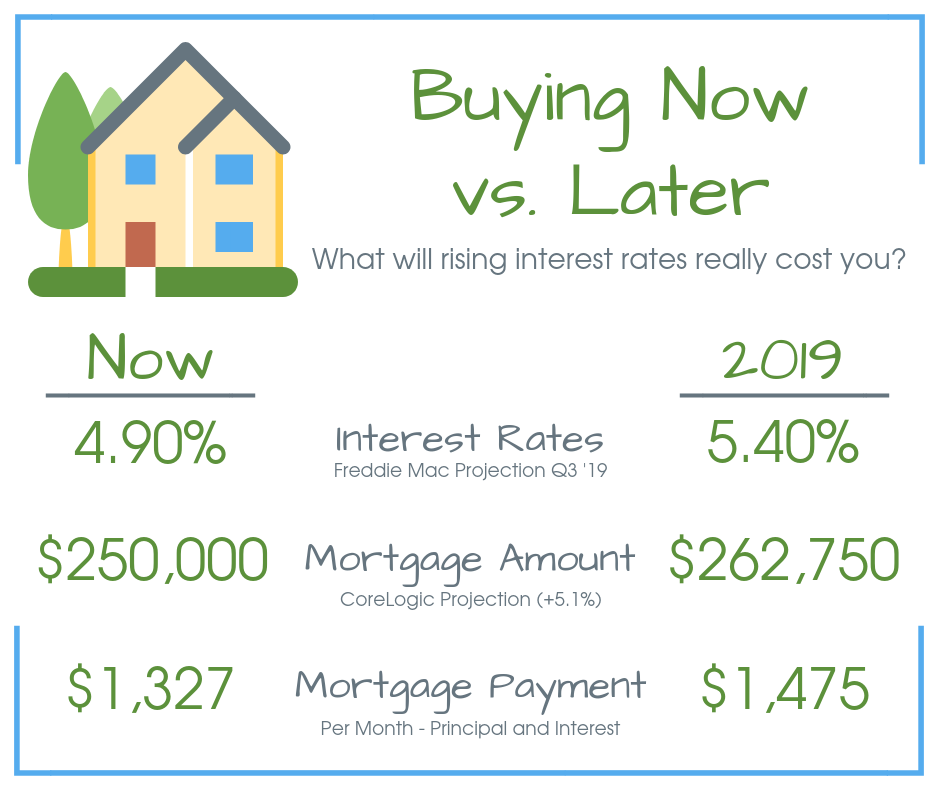
Your credit score is arguably the most significant factor in determining your interest rate. Lenders use tiers to price risk; a borrower with a score of 760 or higher will almost always receive a better rate than someone with a score of 680. Even a 0.5% difference in your interest rate, caused by a lower credit score, can result in tens of thousands of dollars in extra interest payments over the life of a 30-year loan.
Debt-to-Income Ratio (DTI) and Employment History
Lenders look at your DTI to ensure you aren’t overextended. A lower DTI suggests that you have the financial “breathing room” to handle a mortgage payment even if your circumstances change. Consistent employment history and a stable income also reassure lenders, potentially helping you qualify for more competitive pricing or specific loan programs that offer better rates.
Down Payment and Loan-to-Value (LTV) Ratio
The more skin you have in the game, the less risk the lender assumes. A down payment of 20% or more typically secures a better rate because the Loan-to-Value ratio is lower. If you put down less than 20%, you are often seen as a higher risk, which may result in a slightly higher interest rate and the added cost of Private Mortgage Insurance (PMI).
Strategies for Homebuyers in a High-Rate Environment
While you cannot control the global economy, there are several strategic moves you can make to lower your mortgage interest rate and make homeownership more affordable.
Buying Down the Rate with Discount Points
Many lenders offer the option to “buy down” your interest rate by paying discount points at closing. One point typically costs 1% of the total loan amount and reduces your interest rate by a predetermined amount (usually 0.25%). This is essentially “prepaid interest.” If you plan to stay in the home for a long time, the monthly savings will eventually exceed the initial cost of the points, reaching what is known as the “break-even point.”
The “Marry the House, Date the Rate” Philosophy
A common strategy in fluctuating markets is to focus on finding the right property at a fair price rather than waiting for the perfect interest rate. Proponents of this approach argue that you can always refinance your mortgage later if rates drop, but you cannot change the purchase price of your home once the deal is closed. This requires a calculated risk that rates will eventually decline, and that you will have enough equity and a high enough credit score to qualify for a refinance in the future.
Comparison Shopping and Pre-approval
The importance of shopping around cannot be overstated. Rates can vary significantly from one lender to another—from large national banks and credit unions to online mortgage brokers. Obtaining a formal pre-approval from multiple lenders allows you to compare “Loan Estimates,” which break down the interest rate, closing costs, and fees. This transparency gives you leverage to negotiate or simply choose the most cost-effective option.
The Future Outlook: Navigating Uncertainty
Predicting where mortgage rates will be in six months or a year is notoriously difficult, even for seasoned economists. However, by staying informed on key trends, you can better time your entry into the market.
Indicators to Watch
Keep a close eye on the Consumer Price Index (CPI) and other inflation reports. If inflation continues to cool, it provides the Federal Reserve with the justification needed to lower interest rates, which generally leads to a decrease in mortgage rates. Conversely, if the economy remains “too hot,” rates may stay elevated for longer than anticipated.

The Impact of Housing Inventory
Interest rates don’t just affect the cost of borrowing; they affect the supply of homes. Many current homeowners are “locked in” to very low rates from previous years and are hesitant to sell and take on a new mortgage at current rates. This creates a shortage of inventory, which can keep home prices high even when rates are up. Understanding this dynamic helps you realize that a drop in rates might lead to increased competition and higher home prices, potentially offsetting the savings from a lower rate.
In conclusion, while the question “what is the mortgage interest rate now” has a simple numerical answer on any given day, the strategic response is far more complex. By understanding the macroeconomic drivers, optimizing your personal financial profile, and utilizing tactical tools like points or specific loan products, you can navigate the current high-rate environment with confidence. The goal is not just to find the lowest rate, but to secure a financial structure that supports your long-term wealth-building objectives.
aViewFromTheCave is a participant in the Amazon Services LLC Associates Program, an affiliate advertising program designed to provide a means for sites to earn advertising fees by advertising and linking to Amazon.com. Amazon, the Amazon logo, AmazonSupply, and the AmazonSupply logo are trademarks of Amazon.com, Inc. or its affiliates. As an Amazon Associate we earn affiliate commissions from qualifying purchases.