
In an era defined by digital convenience, the quest for a used car has largely migrated from the dusty lots of local dealerships to the dynamic landscape of the internet. For the financially astute consumer, this shift represents a golden opportunity: unparalleled transparency, vast selection, and the power to compare options at the click of a button. However, navigating this expansive online marketplace requires more than just knowing how to type “used cars near me” into a search engine. It demands a strategic approach, a keen eye for value, and a commitment to due diligence—all critical components of sound personal finance.
This guide is designed to empower you with the knowledge to not just find a used car online, but to find the right used car at the right price, ensuring your investment is wise and your financial future remains secure. From identifying the most reputable online platforms to mastering the art of digital negotiation and safeguarding against common pitfalls, we’ll equip you with a comprehensive framework for a successful online used car purchase.
Navigating the Digital Marketplace: Core Platforms for Used Cars
The digital realm offers a multi-faceted approach to used car shopping, each platform type catering to different needs and risk tolerances. Understanding these distinctions is crucial for a financially savvy search, allowing you to optimize your efforts and potentially uncover better deals or more secure transactions.
Aggregator Sites: Your Starting Point for Broad Discovery
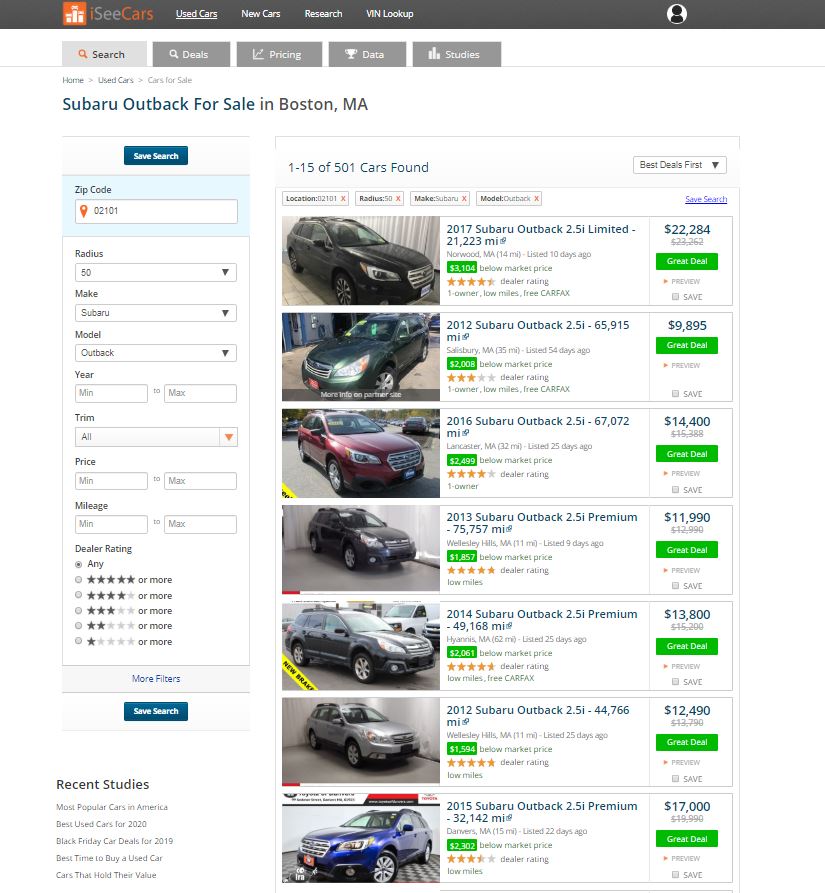
Aggregator sites are the grand central stations of the used car market, pulling listings from a multitude of dealerships and private sellers into one searchable database. Platforms like AutoTrader, Cars.com, and CarGurus are indispensable tools for initial exploration, providing an expansive view of what’s available in your desired geographical area or across the nation.
Financial Benefits and Considerations: These sites excel at providing a macro view of the market, allowing you to quickly compare prices for similar models, trims, and mileages. This immediate pricing transparency is a huge advantage for budget-conscious buyers, enabling you to identify fair market value before engaging with sellers. Their robust filtering options (by price, mileage, year, make, model, features, and even specific colors) help you narrow down choices that fit your financial parameters without wasted effort. However, while they offer breadth, individual listings may not always be up-to-the-minute accurate, and you’ll often be redirected to external sites, which may not maintain the same level of integrated financial tools or user experience. For a truly astute financial decision, these platforms serve as an excellent starting point for market research, providing the ammunition needed to negotiate effectively later on.
Dealership Websites: Tapping into Certified Inventory
While aggregator sites provide a broad sweep, diving directly into the websites of individual dealerships, both large chains and independent operations, offers a more focused approach. Many dealerships maintain extensive online inventories, often featuring vehicles that might not be immediately visible on third-party aggregators.
Financial Benefits and Considerations: Dealership websites are often the primary gateway to Certified Pre-Owned (CPO) vehicles. CPO programs, backed by manufacturers, offer significant financial reassurance: multi-point inspections, limited warranties extending beyond the original factory warranty, and often roadside assistance. While CPO vehicles typically command a higher price point than non-certified used cars, the added peace of mind and reduced risk of unexpected repair costs can represent substantial long-term savings, aligning with sound personal finance principles. Furthermore, dealerships are equipped to handle financing, trade-ins, and sometimes offer special promotions. However, the convenience and added security might come with less room for price negotiation compared to a private sale, and you should be wary of any pressure tactics, even in an online interaction, that push you beyond your budget.
Peer-to-Peer Marketplaces: Unearthing Private Deals
For the truly budget-minded and those willing to undertake more due diligence, peer-to-peer marketplaces like Craigslist, Facebook Marketplace, and eBay Motors can be treasure troves of potential savings. Here, individuals list their vehicles directly, often at lower prices than dealerships, as they lack the overhead costs of a traditional business.
Financial Benefits and Considerations: The primary financial advantage of private sales is the potential for significantly lower prices and greater flexibility in negotiation. By cutting out the middleman, buyers can often secure a deal closer to the true market value. You might also find unique or niche vehicles that aren’t typically stocked by dealerships. However, this increased potential for savings comes with a higher degree of financial risk. Private sales are typically “as-is,” meaning there are no warranties, guarantees, or recourse if a problem arises after the purchase. This necessitates a more rigorous approach to due diligence, including mandating a pre-purchase inspection by an independent mechanic and thoroughly vetting the seller. While the initial outlay might be lower, unexpected repair costs can quickly erode those savings if you’re not careful.
Online-Only Used Car Retailers: The Modern Convenience Play
The last decade has seen the rise of dedicated online-only used car retailers such as Carvana, Vroom, and Shift (in certain markets). These companies have disrupted the traditional model by offering a seamless, entirely digital buying experience, from browsing to financing to home delivery.
Financial Benefits and Considerations: These platforms prioritize convenience and transparency. They often offer fixed, no-haggle pricing, which can appeal to buyers who dread negotiation and prefer a straightforward transaction. Many provide high-quality 360-degree views of vehicles, detailed inspection reports, and generous return policies (e.g., a 7-day money-back guarantee), which mitigates the risk of not seeing the car in person before purchase. This convenience and transparency can save considerable time and reduce stress, indirectly contributing to your financial well-being by optimizing your time. However, the fixed pricing means less opportunity to negotiate for a better deal, and while their prices are competitive, they might not always be the absolute lowest compared to a private sale or a heavily negotiated dealership deal. For those who value ease and a streamlined process, these retailers offer a financially sound, albeit potentially less bargain-focused, option.
Financial Prudence in Your Online Used Car Search
A successful used car purchase online isn’t just about finding a vehicle; it’s about making a sound financial decision that aligns with your broader economic goals. This requires a sharp focus on budgeting, understanding value, and intelligent negotiation.
Budgeting Beyond the Sticker Price
The sticker price of a used car is merely the entry point to its total cost of ownership. A financially responsible buyer considers all associated expenses. This includes immediate outlays like sales tax, registration fees, and transfer of title, but critically extends to long-term costs. Insurance premiums can vary dramatically based on the vehicle’s make, model, age, safety features, and your driving history. Maintenance and potential repair costs, especially for older or higher-mileage vehicles, must be factored in. Fuel efficiency plays a significant role in ongoing expenses.
Actionable Financial Advice: Before you even begin browsing, establish a comprehensive budget. Research average insurance costs for models you’re considering. Factor in estimated annual maintenance and fuel expenses. Importantly, secure pre-approval for a car loan before you start serious shopping. Knowing your maximum affordable loan amount and interest rate empowers you to negotiate effectively and prevents you from falling for emotionally driven impulse buys that exceed your financial comfort zone. A pre-approved loan often gives you leverage akin to a cash buyer, strengthening your negotiating position.
Decoding Pricing and Value: Tools for Smart Investment
The internet provides an abundance of resources to understand the true financial value of a used car, transforming what was once opaque into a transparent marketplace. This empowers you to assess whether a listing represents a fair deal or a potential financial misstep.
Actionable Financial Advice: Utilize reputable online pricing guides like Kelley Blue Book (KBB), NADA Guides, and Edmunds. These tools provide estimated fair market values based on factors such as vehicle condition, mileage, features, and local market trends. Compare the seller’s asking price against these benchmarks. Be wary of prices that seem “too good to be true”; these often indicate hidden problems, salvage titles, or potential scams. Conversely, listings significantly above market value suggest an unrealistic seller who may be unwilling to negotiate. Understand depreciation: cars lose value fastest in their first few years, making slightly older used cars a more financially astute purchase as they’ve already absorbed the steepest depreciation hit. Leverage this knowledge to identify vehicles that represent good long-term value, not just a low initial price.
The Art of Negotiation (Even Online)

While online buying might seem less conducive to negotiation than a face-to-face encounter, strategic digital negotiation is entirely possible and often highly effective, especially when dealing with private sellers and even some dealerships.
Actionable Financial Advice: Do your homework. Arm yourself with market data from aggregator sites and pricing guides for comparable vehicles. If dealing with a dealership, identify similar vehicles in their competitors’ inventories. For private sellers, highlight any minor imperfections visible in photos or potential maintenance items based on the vehicle’s age and mileage. Always make an initial offer below the asking price, but within a reasonable range based on your research. Be polite but firm. Be prepared to justify your offer with data. If a seller is unwilling to budge, and you have better options, don’t be afraid to walk away. Your financial discipline is your most potent negotiation tool. Many online platforms now facilitate secure messaging, allowing for back-and-forth communication that can lead to a mutually agreeable price before an in-person meeting.
Due Diligence: Protecting Your Financial Investment
The excitement of finding a potential car can often overshadow the critical need for thorough due diligence. However, overlooking these steps can lead to significant financial headaches and regrets down the line. Protecting your investment means scrutinizing every detail.
Vehicle History Reports: A Must-Have Financial Insight
A vehicle history report is an indispensable financial safeguard in the used car buying process. Services like CarFax and AutoCheck compile extensive records related to a car’s past, offering invaluable insights that can save you from costly surprises.
Actionable Financial Advice: Always request and meticulously review a vehicle history report. This report details crucial financial implications such as past accidents (and the severity of damage), salvage or flood titles, odometer tampering, previous ownership, and service records. A salvage title, for instance, indicates a vehicle has been declared a total loss by an insurance company, severely impacting its resale value and often making it difficult to insure. Flood damage can lead to pervasive electrical and mechanical issues that are expensive to diagnose and repair. Knowing a vehicle’s service history can give you an idea of how well it was maintained, potentially revealing neglected maintenance that will result in immediate financial outlay for you. Never purchase a used car without reviewing its comprehensive history.
Pre-Purchase Inspections (PPI): Your Best Defense Against Hidden Costs
Regardless of how clean a vehicle appears or what the seller claims, a professional pre-purchase inspection (PPI) by an independent, certified mechanic is non-negotiable for any financially savvy used car buyer. This is arguably the most critical step in safeguarding your investment.
Actionable Financial Advice: Arrange for the vehicle to be inspected by a mechanic of your choice, not the seller’s. This might involve driving the car to your mechanic or having a mobile inspection service come to the vehicle. The cost of a PPI (typically $100-$200) is a small fraction of what you could potentially spend on unexpected repairs for a vehicle with undisclosed issues. A PPI will uncover existing mechanical problems, safety concerns, and potential future maintenance needs. The mechanic’s report can also serve as powerful ammunition for price negotiation, allowing you to ask for a discount equal to the cost of identified repairs, or to walk away from a money pit entirely. This proactive step directly protects your financial resources by preventing unforeseen and expensive post-purchase repairs.
Understanding Warranties and Guarantees: Mitigating Future Expenses
When buying a used car, particularly from a dealership, understanding the scope of any available warranties or guarantees is vital for managing future financial risks.
Actionable Financial Advice: If purchasing from a dealership, inquire about their warranty policies. Certified Pre-Owned (CPO) vehicles often come with extended manufacturer-backed warranties, significantly reducing your financial exposure to unexpected repairs for a certain period. Some dealerships offer their own limited warranties on non-CPO used cars. Always read the fine print to understand what is covered, for how long, and what the deductible is. Be wary of “as-is” sales from dealerships unless the price is exceptionally low to account for potential repairs. For private sales, vehicles are almost universally sold “as-is,” placing the full burden of future repairs on the buyer. In such cases, the PPI becomes even more critical, and you might consider setting aside an emergency fund specifically for potential car repairs in the first year. Evaluate if the cost of an extended third-party warranty makes financial sense for you based on the car’s age, mileage, and known reliability.
Avoiding Pitfalls and Protecting Your Money
Even with diligent research and inspection, the online used car market, like any financial transaction, harbors potential pitfalls. Recognizing and actively avoiding these can save you thousands and prevent significant financial distress.
Scams and Fraud: Recognizing Red Flags
The anonymity of the internet unfortunately makes it a fertile ground for fraudsters. Being aware of common scams is paramount to protecting your money.
Actionable Financial Advice: Be skeptical of “too good to be true” deals – prices significantly below market value are a major red flag. Watch out for sellers who pressure you for urgent payments, particularly through unconventional methods like wire transfers, gift cards, or escrow services they recommend (which are often fake). Never share personal financial details beyond what’s absolutely necessary for a legitimate transaction, and certainly not before you’ve seen the car and verified the seller’s identity. If a seller insists on communicating only via email and avoids phone calls or meeting in person, proceed with extreme caution. Remember, a legitimate seller will be transparent and cooperative.
The Importance of a Test Drive (Where Applicable)
While online platforms streamline the discovery process, the physical act of driving the car remains an irreplaceable step for a complete financial assessment.
Actionable Financial Advice: Before finalizing any purchase, and especially if not using an online-only retailer with a generous return policy, always conduct a thorough test drive. This isn’t just about comfort; it’s about identifying potential mechanical issues that won’t show up on a history report or even a static inspection. Listen for unusual noises (squeals, clunks, grinding), feel for vibrations, check the brakes, transmission shifts, and steering responsiveness. Drive it on various road conditions if possible (city, highway, bumps). A car that drives poorly will not only be unpleasant but can lead to immediate and expensive repairs. This final, sensory evaluation ensures the car meets your practical and financial expectations for a reliable mode of transport.
Finalizing the Deal: Secure Payments and Paperwork
The culmination of your online search involves the secure exchange of money and the proper transfer of ownership documentation. This final stage requires precision to avoid financial and legal complications.
Actionable Financial Advice: For private sales, avoid carrying large sums of cash. Secure payment methods include cashier’s checks drawn from your bank (verify with the seller’s bank before issuing), or using a legitimate escrow service for higher-value transactions. Never release payment until you have the signed title in hand and have verified the VIN on the title matches the car. For dealership purchases, scrutinize the sales contract before signing. Understand all fees, taxes, and the final “out-the-door” price. Do not be pressured into adding unnecessary extras or warranties you haven’t budgeted for or don’t need. Ensure all necessary paperwork—title, bill of sale, registration forms—is correctly completed and signed. Keep copies of everything for your records. Proper paperwork safeguards your legal and financial ownership of the vehicle.

Conclusion
The digital age has revolutionized the way we approach significant financial decisions, and buying a used car is no exception. By strategically leveraging the vast resources available online, you can transform a potentially daunting task into an empowering journey of informed decision-making. From meticulously evaluating options on aggregator sites and dealership portals to navigating the unique advantages and risks of peer-to-peer marketplaces and modern online retailers, a disciplined approach is paramount.
Remember, a financially savvy used car purchase extends far beyond the initial price tag. It encompasses diligent budgeting, understanding true market value, smart negotiation, and rigorous due diligence—including vehicle history reports and professional pre-purchase inspections. By adhering to these principles and staying vigilant against common pitfalls, you not only secure a reliable vehicle but also make a prudent investment that supports your overall financial health. The online world offers an unparalleled opportunity to find your next used car; approach it with intelligence, and drive away with confidence, knowing you’ve made a truly informed and financially sound choice.
aViewFromTheCave is a participant in the Amazon Services LLC Associates Program, an affiliate advertising program designed to provide a means for sites to earn advertising fees by advertising and linking to Amazon.com. Amazon, the Amazon logo, AmazonSupply, and the AmazonSupply logo are trademarks of Amazon.com, Inc. or its affiliates. As an Amazon Associate we earn affiliate commissions from qualifying purchases.