
Securing a mortgage is one of the most significant financial decisions many individuals and families will ever make. It’s a long-term commitment that impacts monthly budgets, future financial flexibility, and overall wealth accumulation. At the heart of this decision lies the mortgage rate – a percentage that dictates the cost of borrowing and, consequently, the total amount paid over the life of the loan. Even a seemingly small difference of half a percentage point can translate into tens of thousands of dollars in savings or additional expense over a 15-year or 30-year term. Therefore, understanding where and how to obtain the best mortgage rates is not merely a preference but a critical financial imperative.
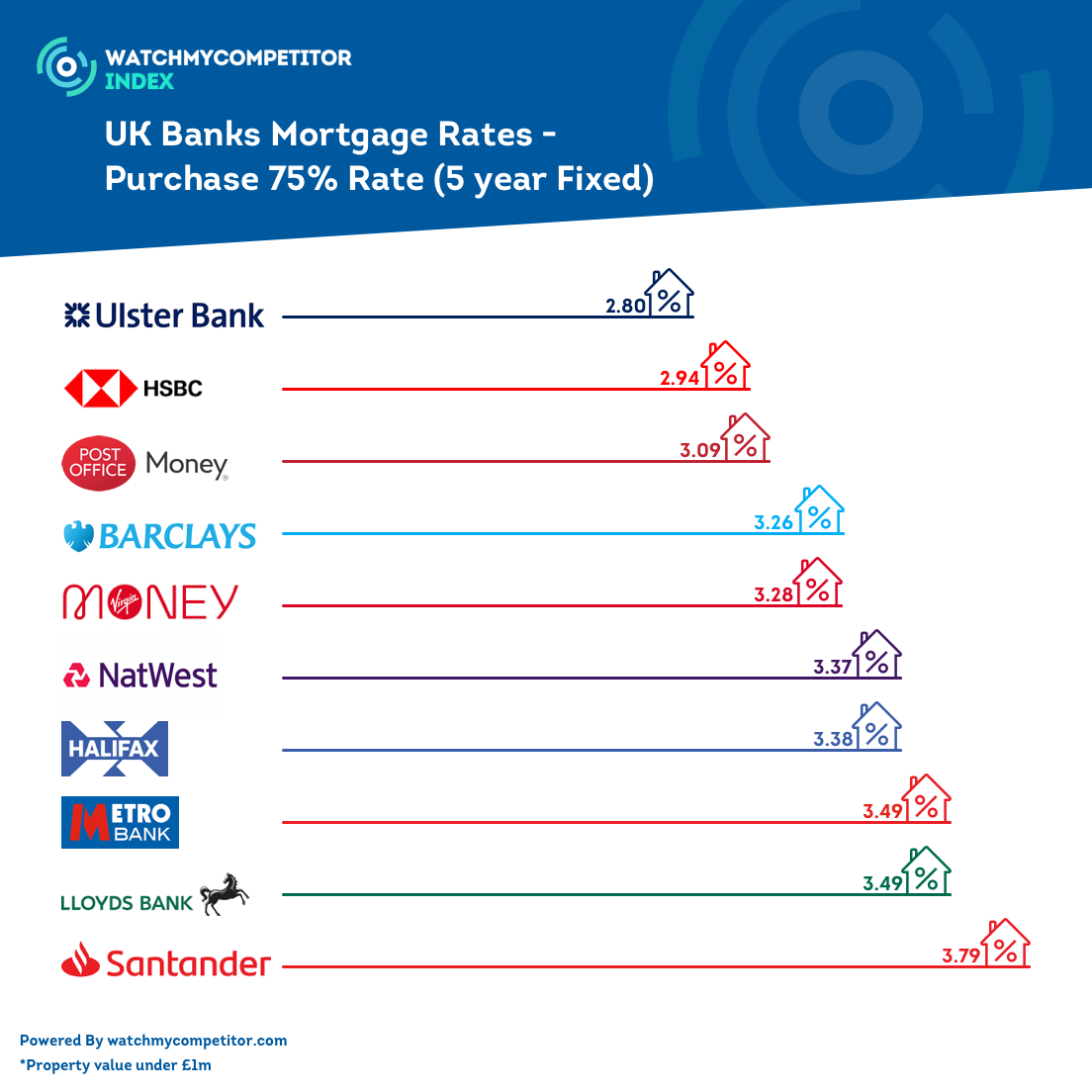
This comprehensive guide aims to demystify the process of finding optimal mortgage rates. We will delve into the forces that shape these rates, explore the various channels available for borrowers, outline strategic approaches to improve one’s chances of securing favorable terms, and highlight crucial considerations beyond just the headline rate. By the end, readers will be equipped with the knowledge and tools to navigate the complex mortgage landscape with confidence, ensuring they make informed decisions that align with their financial goals.
Understanding What Influences Mortgage Rates
Before embarking on the search for the best rate, it’s essential to grasp the underlying factors that cause mortgage rates to fluctuate. These influences can be broadly categorized into economic indicators, lender-specific considerations, and individual borrower profiles. A holistic understanding of these elements empowers borrowers to better predict market movements and position themselves advantageously.
Economic Indicators
The broader economic environment plays a pivotal role in dictating mortgage rates. The Federal Reserve’s monetary policy, for instance, significantly impacts short-term interest rates, which then ripple through to longer-term rates like mortgages. When the Fed raises its benchmark interest rate, borrowing costs generally increase across the board. Inflation expectations are another crucial factor; if lenders anticipate higher inflation, they demand higher interest rates to compensate for the eroded purchasing power of future repayments. Employment figures, GDP growth, and housing market data also contribute to the overall economic sentiment, influencing bond yields – specifically the 10-year Treasury note, which often serves as a benchmark for 30-year fixed mortgage rates.
Lender-Specific Factors
While macroeconomic forces set the general playing field, individual lenders also have internal factors that influence the rates they offer. Their cost of funds, risk assessment models, operational overheads, and competitive positioning all play a part. Some lenders might have a lower cost of borrowing themselves, allowing them to offer more competitive rates. Others might specialize in certain loan types or borrower profiles, leading to better deals for those specific niches. Furthermore, lenders often adjust their rates based on their current volume of business; if they need to attract more borrowers, they might temporarily lower rates or offer special promotions.
Borrower Profile
Crucially, the rates offered are highly individualized, depending on the borrower’s financial health. A stellar credit score (typically FICO scores above 740) signals lower risk to lenders, translating into more favorable interest rates. Lenders also scrutinize the debt-to-income (DTI) ratio, which compares a borrower’s total monthly debt payments to their gross monthly income; a lower DTI indicates greater capacity to handle mortgage payments. The size of the down payment is another critical factor. A larger down payment, especially one exceeding 20% of the home’s value, reduces the loan-to-value (LTV) ratio, thereby lowering the lender’s risk and potentially earning the borrower a better rate, often without the need for private mortgage insurance (PMI).
Loan Type and Term
The specific mortgage product chosen also significantly impacts the rate. Fixed-rate mortgages offer stability with a consistent interest rate for the entire loan term, but typically start at a slightly higher rate than adjustable-rate mortgages (ARMs). ARMs, while potentially offering lower initial rates, come with the risk of rate adjustments after an introductory period. The loan term (e.g., 15-year vs. 30-year) is another major determinant. Shorter-term loans generally carry lower interest rates because the lender’s risk is spread over a shorter period, but they also come with higher monthly payments.
Traditional Avenues for Finding Mortgage Rates
With a clear understanding of what drives rates, the next step is to explore the various channels through which borrowers can obtain mortgage quotes. Each avenue offers distinct advantages and disadvantages, and the best approach often involves exploring a combination of these options.
Direct Banks and Credit Unions
Your existing bank or a local credit union is often the first place people consider. The primary advantage here is familiarity and an existing relationship. If you have a long-standing banking history, particularly with significant assets or other accounts, your bank might offer slightly preferential terms or streamline the application process. Credit unions, being non-profit organizations, sometimes offer more competitive rates or lower fees to their members compared to larger commercial banks. However, their rates can sometimes be less competitive than those found elsewhere, as they primarily offer their own products and may not have the same breadth of options as a broker.
Mortgage Brokers
Mortgage brokers act as intermediaries between borrowers and lenders. They don’t lend money themselves but work with a network of various wholesale lenders, essentially shopping around on your behalf to find the best rates and terms. The main benefit is their access to a wide array of loan products and lenders, which can often result in more competitive offers. They also possess expertise in navigating the complex mortgage market, helping borrowers understand different loan types and qualification criteria. However, brokers typically charge a fee, either directly to the borrower or through a lender credit (which effectively increases the interest rate), and it’s essential to ensure they are presenting truly unbiased options and not steering you towards specific lenders for higher commissions.
Online Lenders
The digital age has brought forth a new breed of lenders operating primarily online. Companies like Quicken Loans (Rocket Mortgage), Better.com, and others have revolutionized the mortgage application process, making it faster, more convenient, and often highly competitive in terms of rates. Their lower overhead costs (fewer physical branches, often streamlined digital processes) frequently allow them to offer rates that rival or even beat traditional institutions. The convenience of applying from home, uploading documents digitally, and receiving quick pre-approvals is a significant draw. The potential downside can be a less personalized experience and, for some, a preference for face-to-face interaction or detailed hand-holding during such a major transaction. However, many online lenders now offer robust customer support to bridge this gap.
Strategies for Securing the Most Favorable Rates
Simply knowing where to look isn’t enough; strategic actions by the borrower can significantly influence the rates they are offered. Proactive steps in improving financial health, diligent shopping, and smart negotiation are paramount.
Improving Your Financial Health
This is perhaps the most impactful strategy. A higher credit score directly translates to lower perceived risk for lenders, unlocking better rates. Focus on paying bills on time, reducing credit card balances, and avoiding new debt inquiries in the months leading up to a mortgage application. Similarly, reducing your debt-to-income ratio by paying down other loans or increasing your income can make you a more attractive borrower. Building a substantial down payment also plays a dual role: it lowers your loan-to-value ratio, reducing risk, and potentially eliminates the need for private mortgage insurance (PMI), saving you money both on the rate and additional monthly premiums.
Shopping Around Aggressively
Never settle for the first quote you receive. Obtain quotes from at least three to five different lenders – a mix of direct banks, credit unions, mortgage brokers, and online lenders. Use these quotes to create leverage. Lenders know you’re shopping around, and presenting a better offer from a competitor can often prompt them to match or even beat it. Make sure you compare “apples to apples” – the same loan type, term, and rate lock period. Pay close attention not just to the interest rate but also to the annual percentage rate (APR), which includes fees and other costs, providing a more comprehensive measure of the loan’s true cost.
Understanding Rate Locks
A rate lock is an agreement with a lender to guarantee a specific interest rate for a defined period, typically 30, 45, or 60 days, while your loan application is processed. This protects you if rates rise during this period. However, if rates fall, you won’t benefit unless you negotiated a “float-down” option, which allows you to secure a lower rate if market rates drop significantly before closing. Understand the terms of your rate lock – its duration, any associated fees, and whether it includes a float-down option. Timing your rate lock strategically can be crucial, especially in volatile markets.
Negotiating with Lenders
The mortgage rate is rarely a take-it-or-leave-it proposition. Armed with competitive offers from other lenders, be prepared to negotiate. While the interest rate is a primary target, don’t overlook other negotiable items like origination fees, application fees, or discount points. Sometimes, a lender might not budge on the rate but could waive certain fees to make their offer more attractive. Be clear about what you’re asking for and always get any agreed-upon changes in writing.
Utilizing Tools and Resources for Rate Comparison
In today’s digital landscape, a wealth of tools and resources exists to simplify the process of comparing mortgage rates, empowering borrowers with real-time data and expert insights.
Online Comparison Websites
Websites like LendingTree, Bankrate, Zillow Mortgages, and NerdWallet allow you to input basic financial information and receive multiple quotes from various lenders simultaneously. These platforms are incredibly efficient for getting a broad overview of current market rates and quickly identifying competitive offers. While convenient, it’s important to remember that these are often initial quotes and may require further qualification; the rates shown can sometimes be indicative rather than guaranteed. Use them as a starting point to identify promising lenders and then follow up directly to get personalized, firm quotes.
Mortgage Rate Trackers and Alerts
Many financial news sites and dedicated mortgage platforms offer tools to track daily changes in mortgage rates. Some even allow you to set up alerts, notifying you via email or text when rates hit a specific threshold or move in a particular direction. This is invaluable for borrowers who are not in an immediate rush to close and want to time their rate lock perfectly, or for those considering refinancing in the future. Staying informed about market trends can provide a strategic edge.
Financial Advisors and Real Estate Professionals
While not direct sources of rates, trusted financial advisors and experienced real estate agents can be invaluable resources. They often have deep market knowledge, understand local lending landscapes, and may have established relationships with reputable lenders or brokers. A financial advisor can help you assess your overall financial picture and determine the best mortgage strategy for your long-term goals. A real estate agent, having guided many buyers through the process, can offer recommendations for reliable lenders known for competitive rates and excellent service. They serve as an important layer of professional guidance, especially for first-time homebuyers.
Beyond the Rate: Other Factors to Consider
While the interest rate is undoubtedly crucial, focusing solely on it can be a pitfall. A truly “best” mortgage involves a harmonious balance of rate, fees, lender service, and loan terms. Neglecting these other elements can lead to unexpected costs or a frustrating experience.
Closing Costs and Fees
The interest rate is just one component of the overall cost of a mortgage. Closing costs, which typically range from 2% to 5% of the loan amount, include a variety of fees such as origination fees, appraisal fees, title insurance, recording fees, and attorney fees. Some lenders may offer a slightly lower interest rate but charge higher closing costs, or vice versa. It’s essential to scrutinize the Loan Estimate document, which lenders are legally required to provide, itemizing all these costs. Compare the “Cash to Close” figure and the APR (Annual Percentage Rate) across different offers to get a more accurate picture of the total upfront and ongoing costs. Sometimes paying slightly more in interest can save you significant upfront cash, which might be preferable depending on your financial situation.
Lender Reputation and Service
A smooth mortgage process is invaluable, especially during the often-stressful period of home buying. A lender’s reputation for customer service, responsiveness, and efficient processing can be as important as the rate itself. Read reviews, ask for recommendations, and pay attention to how quickly and thoroughly a lender responds to your initial inquiries. A lender with a slightly higher rate but excellent communication and a track record of closing loans on time might be preferable to one offering a marginally lower rate but known for delays, poor communication, or last-minute issues.
Loan Flexibility and Terms
Understanding the fine print of your mortgage agreement is critical. Look for any prepayment penalties that might limit your ability to pay off the loan early without incurring extra fees. Consider the lender’s policies on refinancing – if rates drop significantly in the future, you’ll want the option to refinance easily. If you’re considering an adjustable-rate mortgage (ARM), thoroughly understand the adjustment caps, frequency, and index used. These terms can significantly impact your financial future, and a seemingly attractive rate might come with restrictive or unfavorable conditions elsewhere in the loan agreement.

Conclusion
Finding the best mortgage rate is a dynamic and multi-faceted endeavor that requires diligence, strategic thinking, and a comprehensive understanding of the market. It extends beyond simply comparing a single percentage point; it’s about optimizing your financial profile, intelligently leveraging various lending channels, and meticulously scrutinizing every aspect of a loan offer. By understanding the economic forces at play, exploring both traditional and modern lending avenues, proactively enhancing your borrower profile, and meticulously comparing not just rates but also fees and lender services, you position yourself to secure a mortgage that truly serves your long-term financial well-being. This journey demands research, negotiation, and careful consideration, but the rewards—in the form of significant savings and financial peace of mind—are undeniably worth the effort.
aViewFromTheCave is a participant in the Amazon Services LLC Associates Program, an affiliate advertising program designed to provide a means for sites to earn advertising fees by advertising and linking to Amazon.com. Amazon, the Amazon logo, AmazonSupply, and the AmazonSupply logo are trademarks of Amazon.com, Inc. or its affiliates. As an Amazon Associate we earn affiliate commissions from qualifying purchases.