
Navigating the landscape of higher education financing is one of the most significant financial decisions a student or parent will ever make. The source of your funding dictates not only how you pay for school today but also your financial health for decades to come. Understanding where to get student loans requires a bifurcated approach: first exploring federal protections and then evaluating the competitive, high-stakes world of private lending.
The Primary Source: Federal Student Loans via the Department of Education
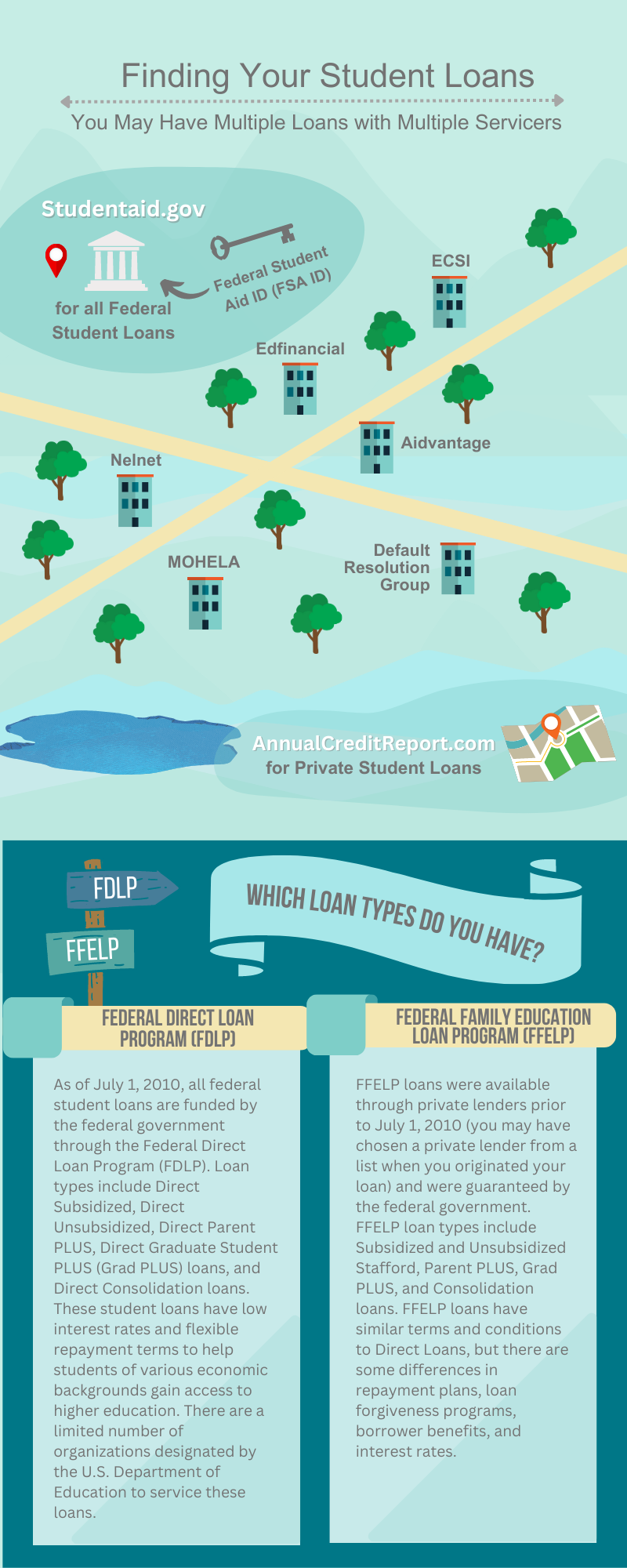
For the vast majority of students in the United States, the search for student loans begins and ends with the federal government. Federal loans are funded by the U.S. Department of Education and offer protections that are virtually non-existent in the private market. Because these loans are regulated by federal law, they provide a safety net that includes income-driven repayment plans, deferment options, and potential loan forgiveness.
The FAFSA: Your Gateway to Federal Funding
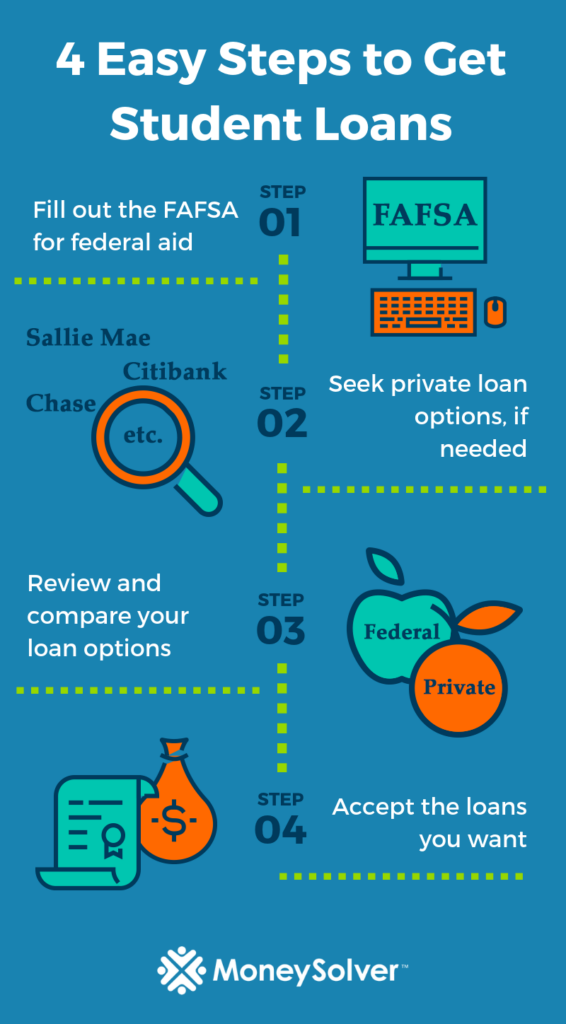
Before you can access federal loans, you must complete the Free Application for Federal Student Aid (FAFSA). This document is the cornerstone of the financial aid process. It calculates your Student Aid Index (SAI) based on family income, assets, and household size. The data from your FAFSA is sent to the financial aid offices of the colleges you’ve applied to, which then generate an “award letter” outlining the federal loans for which you are eligible.
Direct Subsidized Loans
Direct Subsidized Loans are the most desirable form of federal student debt. These are available to undergraduate students who demonstrate financial need. The defining characteristic of a subsidized loan is that the U.S. Department of Education pays the interest while you are in school at least half-time, during the six-month grace period after graduation, and during periods of authorized deferment. This prevents the balance from “ballooning” before you even enter the workforce.
Direct Unsubsidized Loans
Unlike subsidized loans, Direct Unsubsidized Loans are available to both undergraduate and graduate students regardless of financial need. The key difference here is interest accrual. Interest begins accumulating the moment the funds are disbursed to the school. If you do not pay the interest while in school, it will capitalize—meaning it is added to the principal balance—once you enter repayment. While less advantageous than subsidized loans, they still offer the same federal protections regarding repayment flexibility.
Direct PLUS Loans
PLUS loans are intended for graduate or professional students, as well as parents of dependent undergraduate students. Unlike other federal loans, PLUS loans require a credit check. While the credit requirements are generally less stringent than private loans (focusing primarily on the absence of “adverse credit history”), they carry higher interest rates and origination fees than Direct Subsidized or Unsubsidized loans. For parents, these loans (Parent PLUS) are a significant commitment, as the legal responsibility for repayment rests solely with the parent, not the student.
Bridging the Gap: Private Student Loans from Financial Institutions
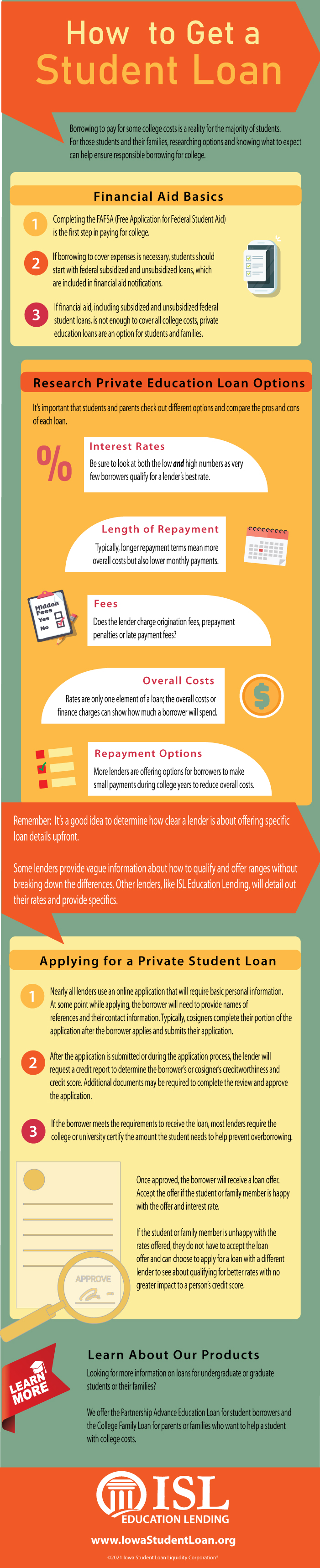
When federal loan limits are reached—which often happens because the government caps the amount a student can borrow annually—many families turn to private lenders. Private student loans are issued by banks, credit unions, and online fintech companies. These loans are fundamentally different from federal loans because they are market-driven and based on creditworthiness.
National Banks and Traditional Lenders
Large commercial banks were once the dominant players in the private student loan market. While some major institutions have exited the space to focus on other consumer products, several national banks still offer robust student loan programs. These lenders often provide a variety of interest rate structures (fixed vs. variable) and may offer a small interest rate discount if you already hold a checking or savings account with them.
Credit Unions: The Community Alternative
Credit unions are member-owned, non-profit cooperatives, which often allows them to offer more competitive rates and a more personalized customer service experience than “big box” banks. To get a student loan from a credit union, you generally must become a member, which may require living in a certain area or belonging to a specific professional group. Credit unions are often more willing to work with borrowers on a case-by-case basis, though their technology interfaces may sometimes be less sophisticated than those of modern fintech startups.
Online Fintech Lenders
The last decade has seen an explosion of online-only lenders that specialize in student loans and student loan refinancing. These companies use advanced algorithms and non-traditional data points to assess risk, sometimes offering lower rates to students in high-earning majors or those with strong academic records. The application process for fintech lenders is typically entirely digital and can be completed in minutes. They are often the most transparent about their “rate checking” process, allowing you to see a preliminary interest rate offer without a hard pull on your credit report.
Regional and Institutional Lending Sources
Beyond the major federal and private players, there are localized and specialized sources of student loans that are frequently overlooked. These options can sometimes provide better terms than national private lenders.
State-Based Higher Education Authorities
Many states have their own student loan agencies designed to help residents or students attending schools within that state. For example, organizations like the Massachusetts Educational Financing Authority (MEFA) or the Alaska Commission on Postsecondary Education offer loan programs that function similarly to private loans but are managed by state-affiliated non-profits. These programs often have fixed interest rates that are lower than those of commercial banks because their mission is educational access rather than profit maximization.
Institutional Loans
Some colleges and universities have their own private loan funds. These “institutional loans” are managed by the school itself. They are often used as a “last resort” to help a student clear a small remaining balance that prevents them from registering for classes. The terms of these loans vary wildly; some may be interest-free while the student is enrolled, while others may have high interest rates once the student leaves. It is essential to read the fine print on institutional loans, as they do not offer federal protections and are rarely eligible for consolidation with other loans.
Professional-Specific Lenders
Students pursuing high-cost professional degrees—such as medical, dental, or law degrees—may have access to specialized lenders. These lenders understand the specific career trajectory of a doctor or lawyer, acknowledging that while they may have high debt-to-income ratios now, their future earning potential is significant. These specialized loans often include “residency” or “clerkship” periods where payments are kept at a minimum until the borrower begins their full-career salary.
Strategic Evaluation: What to Look for in a Lender
Knowing where to get a loan is only half the battle; knowing how to choose between lenders is where the real financial expertise comes into play. If you must move beyond federal loans, you must treat the process like any other major financial transaction.
Fixed vs. Variable Interest Rates
When dealing with private lenders, you will usually be given a choice between a fixed and a variable interest rate. A fixed rate remains the same for the life of the loan, providing predictability in your monthly budget. A variable rate is tied to a market index (like the SOFR). While variable rates often start lower than fixed rates, they can increase over time. In a rising interest rate environment, a variable-rate loan can become significantly more expensive than originally anticipated.
The Role of a Co-signer
Most undergraduate students have a limited credit history and little to no income, making them “high risk” in the eyes of private lenders. Consequently, most private student loans require a co-signer—usually a parent or relative with strong credit and steady income. A co-signer is equally responsible for the debt. When evaluating lenders, look for those that offer a “co-signer release” option. This allows the co-signer to be removed from the loan after the primary borrower makes a specific number of on-time payments and meets credit requirements.
Origination Fees and Hidden Costs
The interest rate isn’t the only cost of a loan. Federal PLUS loans, for instance, carry an origination fee of over 4%, which is deducted from the loan balance before it even reaches the school. Many private lenders advertise “zero fees,” meaning 100% of the borrowed amount goes toward your tuition. Always compare the Annual Percentage Rate (APR), rather than just the interest rate, as the APR accounts for both interest and fees, providing a more accurate “apples-to-apples” comparison.
The Strategic Path to Debt Management
The decision of where to get a student loan should follow a strict hierarchy designed to minimize cost and maximize protection. The universal rule of thumb in personal finance is to exhaust all “free money” (scholarships and grants) first, followed by federal “subsidized” loans, then federal “unsubsidized” loans, and finally private loans.
Why Federal Priority Matters
The reason for prioritizing federal sources is the safety net. If you face a period of unemployment or medical hardship, federal loans allow you to pause payments through “Economic Hardship Deferment.” Furthermore, if you enter public service, such as teaching or working for a non-profit, programs like Public Service Loan Forgiveness (PSLF) can discharge your remaining debt after ten years. Private lenders, by contrast, are rarely required to offer such leniency, and in the event of financial distress, they may only offer short-term “forbearance” while interest continues to accrue at a high rate.
Finalizing Your Decision
Before signing a promissory note with any lender—whether it is the government or a private bank—it is vital to project your future monthly payments. Use a student loan calculator to estimate what your bill will look like upon graduation. A common guideline is to avoid borrowing more in total than your expected first-year salary. By carefully selecting your lending sources and prioritizing federal options, you can obtain the education you need without compromising your long-term financial stability.
aViewFromTheCave is a participant in the Amazon Services LLC Associates Program, an affiliate advertising program designed to provide a means for sites to earn advertising fees by advertising and linking to Amazon.com. Amazon, the Amazon logo, AmazonSupply, and the AmazonSupply logo are trademarks of Amazon.com, Inc. or its affiliates. As an Amazon Associate we earn affiliate commissions from qualifying purchases.