
Navigating the landscape of personal finance can often feel complex, especially when faced with the need for immediate funds or the desire to consolidate existing debts. A personal loan can be a versatile and powerful financial tool, offering a predictable repayment schedule and often lower interest rates than credit cards. However, the sheer number of options available – from traditional banks to innovative online lenders – can be overwhelming. This guide aims to demystify the process, helping you understand what a personal loan entails, what factors to consider, and crucially, where to find the best fit for your financial situation. By approaching this decision with knowledge and a clear strategy, you can secure a loan that serves your needs without adding undue financial stress.

Understanding Personal Loans: What Are They and Why Consider One?
Before diving into where to find a personal loan, it’s essential to grasp what they are and why they might be a suitable option for your financial circumstances. A clear understanding will empower you to make informed decisions and utilize this tool effectively.
Defining Personal Loans
A personal loan is typically an unsecured installment loan, meaning it does not require collateral (like a house or car) to back it. Instead, eligibility and interest rates are primarily determined by your creditworthiness. When approved, you receive a lump sum of money that you then repay over a fixed period, usually with fixed monthly payments that include both principal and interest. The loan terms, including interest rate and repayment period, are agreed upon at the outset, providing predictability in your financial planning. Unlike specific-purpose loans like mortgages or auto loans, personal loans offer remarkable flexibility in how the funds can be used.
Common Reasons to Take Out a Personal Loan
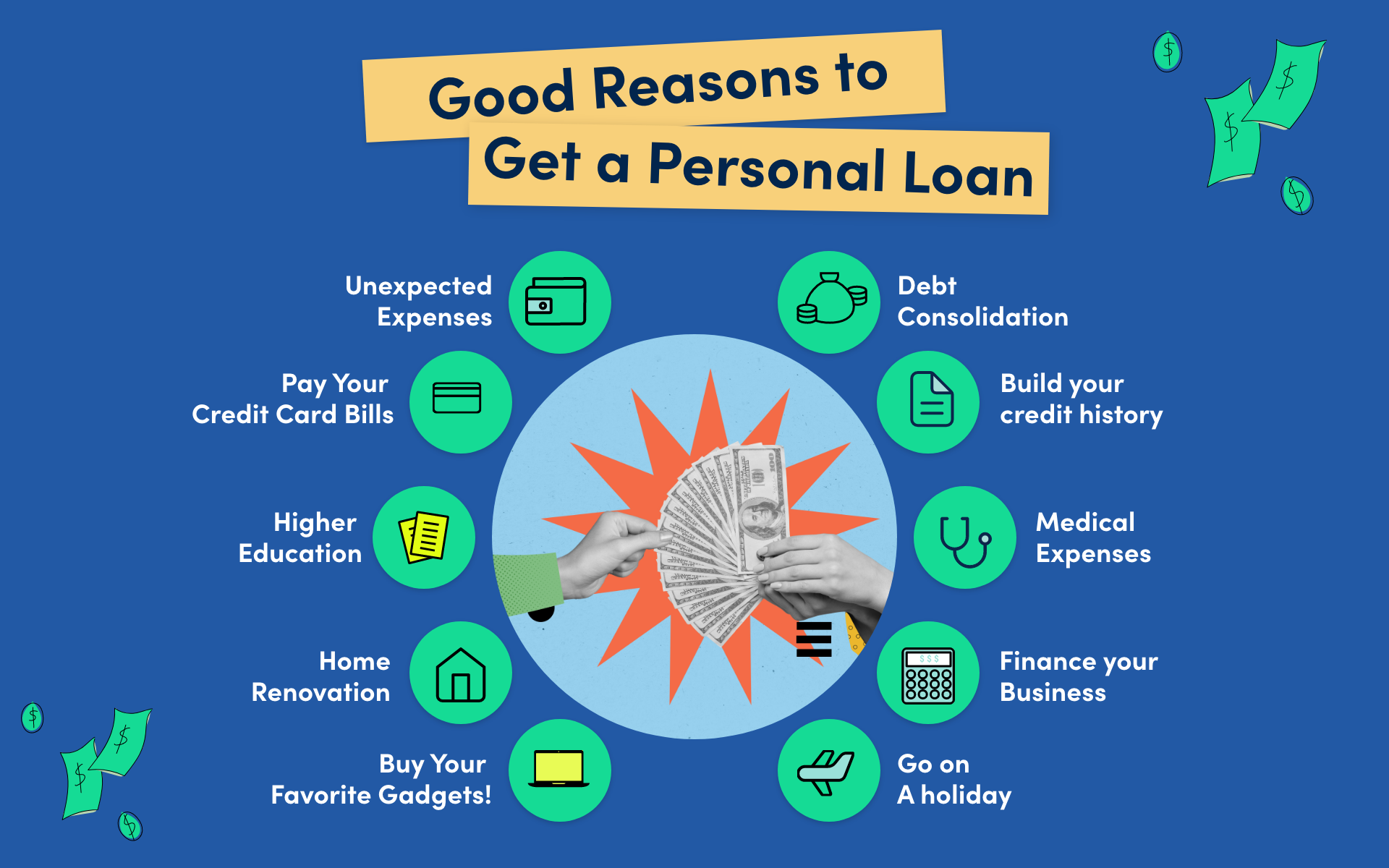
People seek personal loans for a myriad of reasons, reflecting their adaptable nature in personal finance. Some of the most common include:
- Debt Consolidation: This is one of the most popular uses. By taking out a single personal loan, you can pay off multiple high-interest debts, such as credit card balances. This simplifies your payments into one monthly bill and often results in a lower overall interest rate, saving you money and making debt management more straightforward.
- Home Improvements: Whether it’s a minor renovation or a major remodel, a personal loan can provide the necessary capital to enhance your living space without tapping into home equity directly.
- Unexpected Expenses: Life is unpredictable. Medical emergencies, urgent car repairs, or sudden appliance replacements can arise unexpectedly. A personal loan can provide a financial safety net in these situations, offering a more affordable alternative to high-interest payday loans or maxing out credit cards.
- Major Purchases: For large expenses like a wedding, a significant vacation, or the purchase of a new appliance, a personal loan can spread the cost over a manageable period.
- Refinancing Existing Debt: Sometimes, a personal loan can be used to refinance an existing personal loan if market rates have dropped or your credit score has significantly improved, potentially lowering your monthly payments or total interest paid.
The Pros and Cons of Personal Loans
Like any financial product, personal loans come with their own set of advantages and disadvantages that warrant careful consideration:
Pros:
- Predictable Payments: Fixed interest rates and terms mean your monthly payment remains consistent, making budgeting easier.
- Lower Interest Rates: Often significantly lower than credit card interest rates, especially for those with good credit.
- No Collateral Required: As unsecured loans, your personal assets aren’t directly at risk if you default (though your credit score will be severely impacted).
- Flexible Use of Funds: You can use the money for almost any legitimate purpose, offering great financial agility.
- Potential Credit Score Boost: Successfully managing and repaying a personal loan can positively impact your credit history, demonstrating responsible borrowing.
Cons:
- Interest Costs: While potentially lower than credit cards, you still pay interest, adding to the total cost of borrowing.
- Potential for Debt: Taking on a new loan increases your overall debt burden, which can be risky if not managed responsibly.
- Impact on Credit Score (Initial): The hard inquiry during application can temporarily lower your credit score, and opening a new account changes your credit profile.
- Origination Fees: Some lenders charge an upfront fee deducted from the loan amount, reducing the net funds you receive.
- Temptation to Overspend: Access to a lump sum of money can tempt some borrowers to spend beyond their initial needs.
Key Factors to Consider Before Applying
Before you even begin exploring lenders, a thorough self-assessment and understanding of the loan’s financial implications are crucial. This due diligence will not only help you secure better terms but also ensure that a personal loan aligns with your broader financial goals.
Your Credit Score and History
Your credit score is arguably the most significant factor lenders consider. It’s a numerical representation of your creditworthiness, reflecting your history of borrowing and repayment.
- Impact on Eligibility and Rates: A higher credit score (generally 670 and above) indicates less risk to lenders, qualifying you for better interest rates and more favorable terms. Lower scores might still allow you to get a loan, but often at higher interest rates or from subprime lenders.
- Checking Your Score: Before applying, obtain a free copy of your credit report from annualcreditreport.com and check your scores through services like Credit Karma or your bank. This allows you to identify any errors and understand where you stand. If your score is low, consider taking steps to improve it before applying, such as paying down existing debts or disputing inaccuracies.
Interest Rates (APR) and Fees
The cost of a personal loan isn’t just the principal amount; it’s heavily influenced by the interest rate and associated fees.
- Annual Percentage Rate (APR): This is the total cost of borrowing money for one year, expressed as a percentage. It includes not only the interest rate but also most fees, giving you a more comprehensive picture of the loan’s true cost. Always compare APRs, not just interest rates, when evaluating offers.
- Fixed vs. Variable Rates: Most personal loans offer fixed interest rates, meaning your rate and monthly payment remain constant throughout the loan term. Variable rates, while rare for unsecured personal loans, can fluctuate with market conditions, making your payments less predictable.
- Origination Fees: Many lenders charge an origination fee, which is a percentage of the loan amount deducted from the disbursed funds. For example, a 5% origination fee on a $10,000 loan means you’d only receive $9,500.
- Other Potential Fees: Be aware of late payment fees, returned payment fees, and sometimes even prepayment penalties (though these are less common with personal loans than in the past, always confirm).
Loan Term and Monthly Payments
The loan term, or repayment period, significantly impacts both your monthly payment and the total interest you’ll pay over the life of the loan.
- Shorter Terms: Generally result in higher monthly payments but less total interest paid because you’re borrowing the money for a shorter duration.
- Longer Terms: Lead to lower monthly payments, making them more affordable on a month-to-month basis, but you’ll pay more in total interest over time.
- Balancing Act: It’s crucial to strike a balance between an affordable monthly payment and the total cost of the loan. Use online loan calculators to experiment with different terms and see how they affect your payments and overall interest.
Loan Amount and Repayment Ability
Only borrow what you genuinely need. Taking out more than necessary means paying interest on funds you don’t require.
- Assess Your Needs: Clearly define why you need the loan and calculate the exact amount required.
- Evaluate Repayment Capacity: Objectively assess your monthly budget to determine if you can comfortably afford the loan payments without straining your finances. Consider your debt-to-income (DTI) ratio, which is the percentage of your gross monthly income that goes toward paying debts. Lenders often look for a DTI below 36%, though some may approve higher. A high DTI suggests you might be overextended.
Top Sources for Personal Loans
Once you’ve done your homework and understand your financial position, it’s time to explore where to actually get a personal loan. The market is diverse, offering options suitable for various credit profiles and preferences.
Traditional Banks
Your local bank or a major national bank is often the first place people look.
- Pros: Established institutions, often offer competitive rates for existing customers with excellent credit, and you might prefer the option of in-person assistance. They are highly regulated and provide a sense of security.
- Cons: Stricter eligibility criteria, especially for those with average credit. Application processes can sometimes be slower, and rates might not be as competitive as online lenders for all credit tiers. They might prioritize larger, more complex loans over smaller personal loans.
- Examples: Wells Fargo, Chase, Bank of America, U.S. Bank.
Credit Unions
Credit unions are member-owned financial cooperatives that often prioritize their members’ financial well-being over profit.
- Pros: Generally offer lower interest rates and more flexible terms than traditional banks, particularly for individuals with fair or average credit. They are known for personalized service and a community-focused approach. Many offer “payday alternative loans” (PALs) for smaller amounts at much lower APRs than typical payday loans.
- Cons: You must meet membership requirements (e.g., live in a specific geographic area, be part of a particular employer group, or join an association). The application process might not be as streamlined or quick as online lenders.
- Examples: Navy Federal Credit Union, Alliant Credit Union, local community credit unions.
Online Lenders
The rise of financial technology (fintech) has led to a boom in online lending platforms, which have revolutionized access to personal loans.
- Pros: Known for quick application processes, fast funding (sometimes within one business day), and a wide range of options catering to various credit scores (from excellent to fair/bad credit). They often have lower overheads, which can translate to more competitive interest rates and fewer fees. Comparison tools and pre-qualification options are common.
- Cons: Less personal interaction. The sheer number of options can be overwhelming, and it’s crucial to distinguish reputable lenders from predatory ones.
- Examples: SoFi (strong credit), LightStream (excellent credit), Marcus by Goldman Sachs (good credit), LendingClub (peer-to-peer, various credit), Prosper (peer-to-peer, various credit), Upstart (considers education/job history beyond credit score), Avant/OneMain Financial (fair/bad credit).
Peer-to-Peer (P2P) Lending Platforms
A subset of online lending, P2P platforms connect individual borrowers directly with individual investors, bypassing traditional financial institutions.
- Pros: Can sometimes offer more flexible terms or slightly better rates for certain credit profiles than traditional lenders, as investors have varied risk appetites.
- Cons: Funding can sometimes take longer, as it depends on investors funding your loan. Rates can still be high for those with lower credit scores.
- Examples: LendingClub, Prosper (often categorized under “online lenders” due to their digital interface).
Other Options (and Cautions)
While the above are the primary sources, other avenues exist, though they come with distinct considerations:
- Home Equity Loans/Lines of Credit (HELOCs): These are secured loans that use your home as collateral, usually offering lower interest rates. However, your home is at risk if you default.
- 401(k) Loans: You borrow from your own retirement account. These typically have low interest rates, and the interest is paid back to your own account. However, they reduce your retirement savings’ growth potential, and if you leave your job, the loan often becomes due immediately or is treated as an early withdrawal, incurring taxes and penalties.
- Friends and Family: Can be an option, but it’s essential to put all terms in writing to avoid damaging personal relationships.
- STAY AWAY from Payday Loans and Car Title Loans: These are predatory loans with extremely high APRs (often 300%+), designed to trap borrowers in a cycle of debt. They should be avoided at all costs.
The Application Process: Step-by-Step
Once you’ve identified potential lenders, the application process itself is fairly standardized, though variations exist. Following these steps will help ensure a smooth and efficient experience.
Gather Necessary Documents
Being prepared with the required paperwork will expedite your application. Typically, you’ll need:
- Proof of Identity: Government-issued ID (driver’s license, passport).
- Proof of Address: Utility bill, lease agreement, bank statement.
- Proof of Income: Pay stubs, W-2s, tax returns (if self-employed), bank statements.
- Bank Account Information: For fund disbursement and repayment setup.
- Social Security Number: For credit checks.
Shop Around and Compare Offers
This is a critical step that many borrowers overlook. Don’t just go with the first offer you receive.
- Get Multiple Quotes: Apply for pre-qualification with several lenders. Pre-qualification involves a “soft” credit inquiry, which doesn’t affect your credit score, allowing you to see potential rates and terms.
- Use Comparison Tools: Websites like Credible, Bankrate, or NerdWallet allow you to input your information once and receive multiple offers from various lenders, simplifying the comparison process.
- Focus on APR: As mentioned, use APR to compare the true cost of each loan offer. Also, factor in any origination fees and repayment terms.
Pre-qualification vs. Full Application
Understanding the distinction is vital for minimizing credit score impact.
- Pre-qualification: A preliminary check that gives you an idea of your eligibility and potential rates without a hard credit pull. It’s an excellent way to shop around.
- Full Application: Once you choose a lender, you’ll submit a full application, which involves a “hard” credit inquiry. This will temporarily ding your credit score by a few points, but the impact is usually minor and fades over time.
Reviewing the Loan Agreement
Before signing anything, meticulously read the entire loan agreement.
- Understand All Terms: Ensure you fully grasp the interest rate, APR, loan term, monthly payment, origination fees, late payment fees, and any prepayment penalties.
- Clarify Doubts: Don’t hesitate to ask the lender questions about anything you don’t understand. A reputable lender will be transparent and willing to explain.
- Beware of Red Flags: Be wary of lenders who pressure you to sign immediately, offer guaranteed approval regardless of credit, or demand upfront processing fees before the loan is disbursed (separate from origination fees).
Loan Disbursement and Repayment
Once you’ve signed the agreement, the funds will be disbursed to your bank account, typically within a few business days.
- Set Up Payments: Most lenders offer automatic payments from your checking account. This is highly recommended to avoid missing payments and incurring late fees, and some lenders even offer a slight interest rate discount for doing so.
- Know Your Due Date: Mark your calendar and ensure you have sufficient funds in your account each month.
Smart Strategies for Managing Your Personal Loan
Securing a personal loan is just the first step. Effective management is key to leveraging its benefits and avoiding financial pitfalls.
Budgeting for Repayments
Integrate your loan payments into your monthly budget from day one. Treat it as a fixed, non-negotiable expense, similar to rent or utilities. This proactive approach helps prevent missed payments and ensures you maintain control over your finances. Utilize budgeting apps or spreadsheets to track income and expenses meticulously.
Understanding Your Loan Servicer
The company that services your loan (collects payments, manages your account) might be different from the original lender. Know who your servicer is, how to contact them, and where to access your loan statements. This information is crucial if you have questions, need to update your payment method, or encounter any issues.
Early Repayment Considerations
If your financial situation improves, you might consider paying off your personal loan early.
- Savings on Interest: Paying off a loan ahead of schedule can save you a significant amount in interest, as interest accrues on the outstanding principal balance.
- Check for Prepayment Penalties: While less common for personal loans, some lenders might charge a fee for early repayment. Always review your loan agreement to confirm if such penalties apply before making extra payments. If there are no penalties, making even small extra payments can shorten your loan term and reduce total interest.
What to Do If You Struggle to Repay
Life happens, and sometimes financial circumstances change, making it difficult to meet your loan obligations.
- Act Immediately: If you anticipate difficulty making a payment, contact your loan servicer before you miss a payment. Proactive communication is always better than reactive.
- Explore Options: Lenders may offer hardship programs, deferment options, or modified payment plans. While these can sometimes extend your loan term or increase total interest, they can prevent a default and protect your credit score.
- Avoid Default: Defaulting on a loan will severely damage your credit score, making it difficult to obtain credit in the future and potentially leading to collections efforts or legal action.
A personal loan, when used wisely and managed responsibly, can be an invaluable tool for navigating life’s financial demands, consolidating debt, or funding important life events. By understanding the different sources, carefully evaluating the terms, and proactively managing your repayments, you can ensure that your personal loan serves its intended purpose without becoming a source of financial stress. Armed with this knowledge, you are now better equipped to find the right personal loan for your specific needs and secure your financial future.
aViewFromTheCave is a participant in the Amazon Services LLC Associates Program, an affiliate advertising program designed to provide a means for sites to earn advertising fees by advertising and linking to Amazon.com. Amazon, the Amazon logo, AmazonSupply, and the AmazonSupply logo are trademarks of Amazon.com, Inc. or its affiliates. As an Amazon Associate we earn affiliate commissions from qualifying purchases.