
In an increasingly digital and financially complex world, managing one’s money effectively is paramount. For many, traditional banking products like credit cards or even debit cards may not always be the perfect fit. This is where prepaid credit cards step in, offering a flexible and accessible alternative for budgeting, secure online transactions, and managing finances without the complexities of credit checks or overdraft fees. Often misunderstood, these cards are not “credit” in the conventional sense but rather a type of payment card that you load funds onto in advance.
The quest for a suitable prepaid card can lead consumers down many avenues, from brick-and-mortar stores to the vast expanse of the internet. Understanding where to look, what to look for, and the nuances of different providers is key to finding the prepaid solution that best aligns with your financial habits and needs. This comprehensive guide will navigate the landscape of prepaid card availability, shedding light on the various channels where you can acquire these valuable financial tools and the considerations necessary to make an informed choice.
Understanding Prepaid Cards: A Foundation
Before diving into where to find prepaid cards, it’s crucial to establish a clear understanding of what they are and why they might be a beneficial financial instrument for certain individuals. Their utility stems from their unique operational model, distinct from traditional credit or debit cards.
What Exactly is a Prepaid Credit Card?
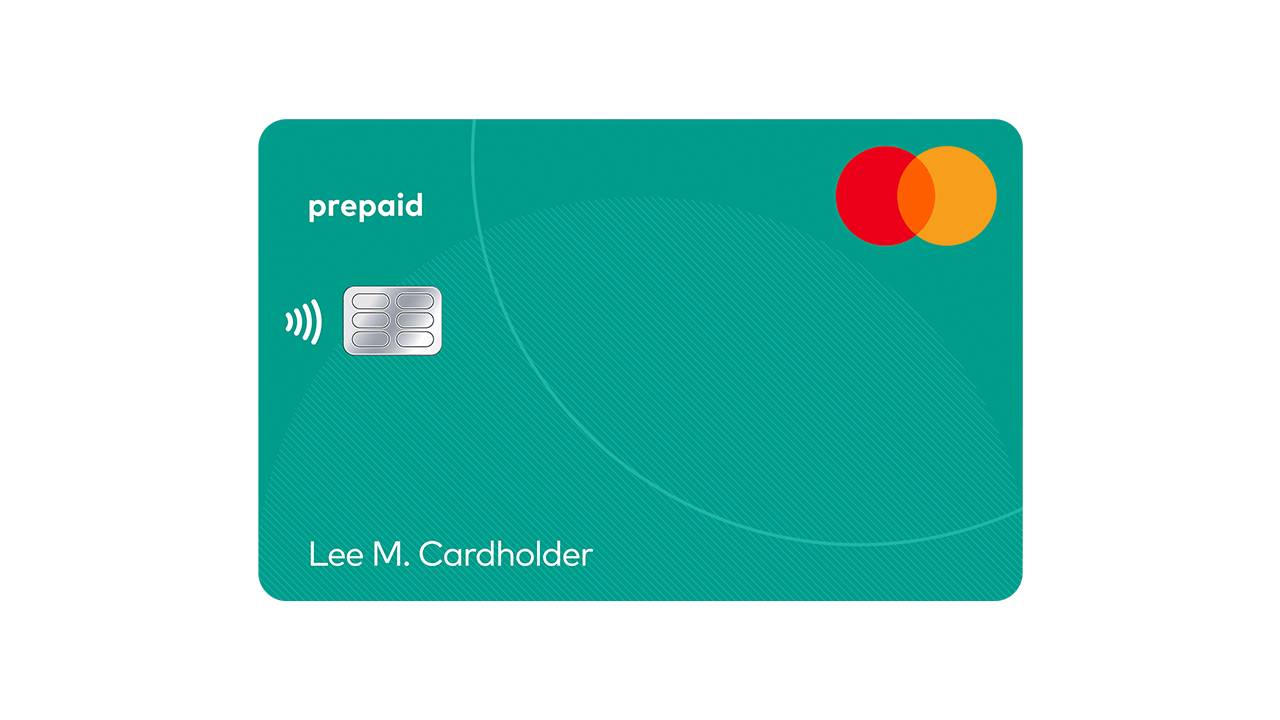
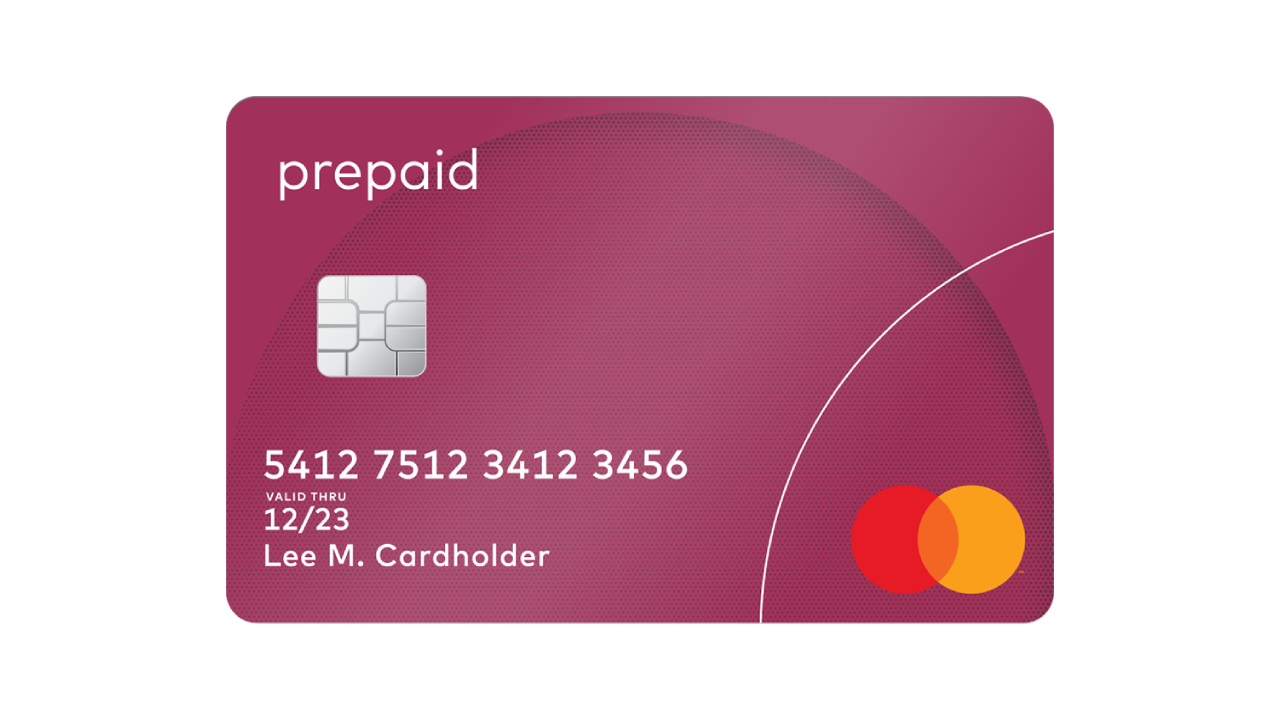
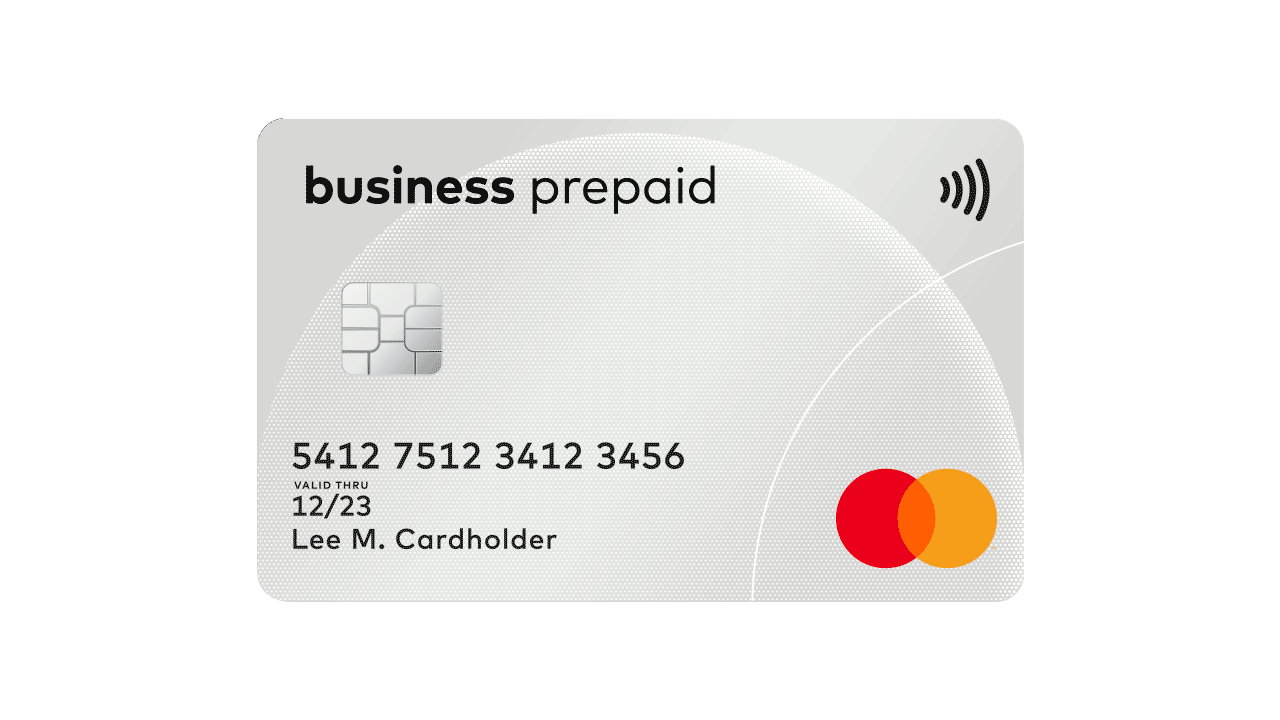
The term “prepaid credit card” is a common misnomer. In essence, these are payment cards that operate on a “pay-before-you-spend” model. Unlike a traditional credit card, which allows you to borrow money up to a certain limit, or a debit card, which draws funds directly from a checking account, a prepaid card requires you to load money onto it first. Once loaded, you can use it to make purchases anywhere the card network (Visa, Mastercard, American Express, Discover) is accepted, both online and in physical stores, until the funds are depleted. There’s no credit line, no debt accumulation, and typically no connection to a bank account in the same way a debit card is. This makes them a powerful tool for financial control and security.
Why Choose a Prepaid Card?
The appeal of prepaid cards is multifaceted, catering to a diverse range of financial situations and preferences. One of the primary advantages is budgeting. By loading a specific amount, users can effectively cap their spending, making them ideal for managing discretionary income, tracking expenses, or setting aside funds for specific purposes. For individuals without a traditional bank account or those who have struggled with credit in the past, prepaid cards offer financial inclusion by providing access to digital payment systems without the need for a credit check or a banking relationship. They also serve as an excellent tool for secure online shopping, allowing users to limit exposure of their main bank accounts or credit lines. Furthermore, they can be a convenient option for travel, acting as a secure alternative to carrying large amounts of cash, or for gifting a controlled amount of spending power.
Key Considerations Before Getting One
While the benefits are clear, potential users must be aware of certain factors before committing to a prepaid card. Fees are perhaps the most critical consideration. These can include activation fees, monthly maintenance fees, reload fees, ATM withdrawal fees, foreign transaction fees, and even inactivity fees. A thorough review of the fee schedule is paramount. Reload options also vary; some cards offer direct deposit, cash reload networks, bank transfers, or even mobile check deposits. The ease and cost of reloading can significantly impact the card’s convenience. Lastly, spending limits and load limits are important to understand, as they dictate how much money can be on the card at any given time and how much can be spent daily or monthly.
Traditional Retail Outlets and Financial Institutions
One of the most straightforward ways to acquire a prepaid card is through channels deeply integrated into our daily lives: local retail stores and established financial institutions. These avenues offer convenience and a tangible point of contact for consumers.
Major Retail Chains
Mass-market retailers are perhaps the most common places to find a wide array of prepaid cards. Stores like Walmart, Target, CVS, Walgreens, and Rite Aid typically feature prominent displays of various prepaid card brands near their checkout counters or in dedicated gift card sections. Brands such as Green Dot, Netspend, PayPal Prepaid, Bluebird by American Express, and Vanilla Visa/Mastercard are frequently available. The advantage here is immediate acquisition – you can purchase and often load the card right there, making it an accessible option for urgent needs or impulse buys.
Grocery Stores and Convenience Stores
Similar to major retail chains, grocery stores (e.g., Kroger, Safeway, Albertsons) and convenience stores (e.g., 7-Eleven, Circle K) are ubiquitous and provide easy access to prepaid cards. Their widespread presence ensures that a prepaid card is often just a short walk or drive away. These locations also frequently offer reload services, allowing users to add cash to their existing prepaid cards conveniently. The selection might be slightly narrower than larger retailers, but core brands are usually present.
Banks and Credit Unions
While less common for the generic “prepaid credit card,” some traditional banks and credit unions do offer their own branded prepaid cards, often in the form of reloadable debit cards not linked to a checking account. These might be marketed towards specific purposes like travel or as an alternative for customers who don’t qualify for traditional accounts. The benefit of acquiring a prepaid card from a financial institution is the potential for better customer service, integration with existing banking apps, and often more transparent fee structures, though they might require an in-person visit and often do not offer the “anonymous” purchase option of retail cards.
Post Offices and Check-Cashing Services
In some regions, post offices offer prepaid card options, particularly for international remittances or general spending. Similarly, check-cashing services often sell and reload prepaid cards, catering to clients who might not have traditional banking relationships. While these can be viable options, it’s crucial to scrutinize the fees associated with both the card and the service, as they can sometimes be higher than other alternatives.
Navigating the Online Marketplace
The internet has revolutionized access to financial products, and prepaid cards are no exception. The online marketplace offers unparalleled convenience, a broader selection, and often more detailed information for comparison.
Direct Issuers’ Websites
Many of the leading prepaid card brands operate their own dedicated websites where consumers can apply for and order cards directly. Companies like Green Dot, Netspend, PayPal Prepaid, and Chime (which offers a spending account with a debit card that functions similarly to a prepaid card for many users) have robust online platforms. Applying online typically involves providing personal identification information for verification (KYC – Know Your Customer regulations), after which the card is mailed to you. This method often allows for customization, access to online account management tools, and sometimes even exclusive online-only card features or lower fees compared to retail versions.
Online Financial Service Providers
Beyond the direct issuers, a growing number of Fintech companies and online financial service providers are entering the prepaid card market. These companies often leverage technology to offer innovative features, such as advanced budgeting tools, integration with mobile payment apps, rewards programs, or even virtual prepaid cards for immediate online use. Examples might include companies focusing on specific demographics or niche financial needs. It’s important to research these providers thoroughly, checking reviews and their regulatory compliance, as the landscape can be dynamic.
Comparison Websites and Aggregators
The sheer volume of prepaid card options can be overwhelming. This is where comparison websites and aggregators become invaluable. Sites like Credit Karma, NerdWallet, Bankrate, and specific prepaid card comparison portals allow users to filter cards based on features, fees, reload options, and other criteria. These platforms typically provide detailed reviews, pros and cons, and direct links to apply for cards. They are an excellent starting point for consumers looking to compare multiple options side-by-side without having to visit each issuer’s website individually.
Mobile Banking Apps and Digital Wallets
The convergence of prepaid cards with mobile technology is a significant trend. Many prepaid card issuers now offer dedicated mobile banking apps that allow users to manage their accounts, check balances, view transactions, and even reload funds directly from their smartphones. Furthermore, some prepaid cards can be integrated into digital wallets like Apple Pay, Google Pay, or Samsung Pay, enabling contactless payments and enhancing security by tokenizing card information. While these are not places to find a card, they represent the modern interface for using and managing them once acquired.
Specialized Prepaid Card Categories
Beyond the general-purpose prepaid cards, the market also offers specialized variants designed to cater to specific needs or user demographics. Understanding these categories can help narrow down the search for the perfect card.
Travel Prepaid Cards
For globetrotters, travel prepaid cards are a boon. These cards are specifically designed to reduce foreign transaction fees and offer favorable exchange rates compared to standard debit or credit cards. They allow users to load multiple currencies, lock in exchange rates, and provide a secure way to manage travel funds without exposing their primary bank accounts. Companies like Travelex or various banks often offer these specialized cards, which can be acquired online or through dedicated travel agencies.
Payroll Prepaid Cards
Many employers, particularly those with a significant number of hourly workers or those without traditional bank accounts, offer payroll prepaid cards. Instead of issuing paper checks, employers can directly deposit wages onto these cards, providing a convenient and secure way for employees to access their earnings. These cards are usually distributed directly by the employer and come with specific features and fee structures agreed upon by the employer and the card issuer.
Gift Cards
While distinct from reloadable prepaid cards, gift cards are a form of prepaid payment instrument. They are typically single-load, non-reloadable, and tied to a specific merchant or a general network (Visa/Mastercard gift cards). These are found almost everywhere general prepaid cards are sold and are primarily used for gifting a specific amount for future purchases. It’s crucial to differentiate these from reloadable prepaid cards when making a purchase.
Student Prepaid Cards
Targeted at younger individuals or students learning financial management, student prepaid cards are designed with budgeting and parental oversight in mind. They often come with features that allow parents to load funds, monitor spending, and help teach responsible money habits. These cards can be a stepping stone towards building financial literacy and managing expenses for college students or teenagers, and can be found through online issuers or certain financial institutions.
Essential Tips for Choosing and Using Prepaid Cards
Finding a prepaid card is only the first step. Making an informed decision and utilizing the card effectively requires attention to detail and a proactive approach to financial management.
Comparing Fees and Features
The cardinal rule of prepaid cards is to compare fees and features diligently. Create a checklist: activation fees, monthly maintenance fees (can often be waived with direct deposit or minimum usage), reload fees (especially cash reload network fees), ATM withdrawal fees, foreign transaction fees, and inactivity fees. Some cards may offer enticing features like rewards programs or free direct deposit, which can offset some costs. Prioritize transparency and a fee structure that aligns with your anticipated usage.
Understanding Load and Reload Options
Consider how you will initially load funds and consistently reload the card. Options include direct deposit (often the most cost-effective and convenient), cash reloads at participating retail locations (which usually incur a fee), bank transfers, and sometimes even mobile check deposits via an app. Ensure the available reload methods are convenient and affordable for your situation.
Security Measures and Fraud Protection
While prepaid cards offer a degree of security by limiting exposure to your main bank account, it’s vital to understand the fraud protection offered. Many prepaid cards, especially those issued by major networks like Visa or Mastercard, come with similar zero-liability policies as credit cards, protecting you from unauthorized purchases if your card is lost or stolen. Registering your card is crucial for these protections to take effect. Always treat your prepaid card number and PIN with the same care you would any other financial instrument.
Reading the Fine Print
Before acquiring any prepaid card, read the terms and conditions thoroughly. This document, often lengthy and filled with legal jargon, contains all the critical information about fees, limits, dispute resolution, and privacy policies. It’s the ultimate source of truth for understanding how your card works. Don’t hesitate to contact customer service for clarification on any confusing clauses.
Maximizing the Benefits for Financial Management
A prepaid card can be a powerful financial management tool if used strategically. Utilize it for specific budgeting categories, such as groceries, entertainment, or online subscriptions. Take advantage of online account portals and mobile apps to track spending in real-time. For those without traditional bank accounts, a prepaid card offering direct deposit can streamline bill payments and provide a secure platform for everyday transactions, effectively bridging the gap to the digital economy.
In conclusion, prepaid cards are an accessible and versatile financial product, available through a multitude of channels, both physical and digital. By understanding their mechanics, exploring the various acquisition points, and diligently comparing their features and fees, consumers can find the ideal prepaid solution to enhance their personal financial management, budgeting, and security.
aViewFromTheCave is a participant in the Amazon Services LLC Associates Program, an affiliate advertising program designed to provide a means for sites to earn advertising fees by advertising and linking to Amazon.com. Amazon, the Amazon logo, AmazonSupply, and the AmazonSupply logo are trademarks of Amazon.com, Inc. or its affiliates. As an Amazon Associate we earn affiliate commissions from qualifying purchases.