
In the modern financial landscape, your bank account number serves as the primary identifier for almost every transaction that moves money into or out of your possession. Whether you are setting up a direct deposit for a new job, connecting your checking account to a high-yield savings vehicle, or automating your monthly utility payments, the account number is the essential key. Despite its importance, many consumers find themselves searching through apps or drawers when the need arises. Understanding exactly where to find this information—and how to differentiate it from other strings of digits—is a fundamental pillar of personal financial management.
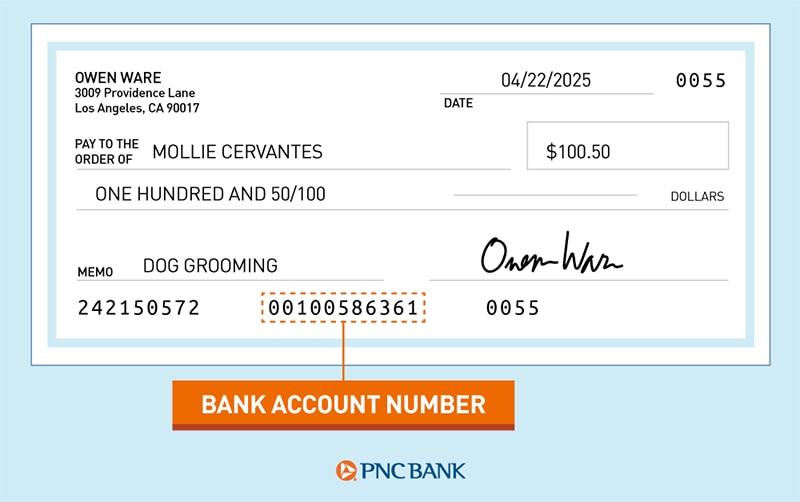
Understanding the Importance of Your Bank Account Number
Before diving into the specific locations where this number is stored, it is vital to understand what the bank account number represents. Unlike a credit card number, which can be replaced relatively easily if lost or stolen, a bank account number is a more permanent fixture of your financial identity. It identifies your specific holdings within a larger financial institution.
The Difference Between Account and Routing Numbers
One of the most common points of confusion in personal finance is the distinction between a routing number and an account number. When you look at a check or a digital statement, you will often see these two numbers side-by-side.
The routing number, also known as an ABA (American Bankers Association) routing transit number, is a nine-digit code that identifies the financial institution itself. Think of the routing number as the “zip code” for the bank; it tells the financial system which “building” the money needs to go to. In contrast, the account number is unique to you. It tells the bank which specific “room” or “vault” within that building the funds belong to. For most transactions, including ACH transfers and domestic wires, you will need both.
Why Security and Privacy Matter
Because your account number acts as a direct gateway to your cash reserves, it must be handled with the highest level of security. If an unauthorized party gains access to both your routing and account numbers, they can potentially initiate fraudulent ACH withdrawals or print counterfeit checks. In the context of “Online Income” and “Side Hustles,” which often require sharing bank details with third-party platforms for payouts, verifying the legitimacy of the platform before providing your account number is a critical step in digital financial safety.
Digital Methods for Locating Your Account Number
As the world shifts toward a paperless economy, the most common way to find your bank account number is through digital channels. Modern banking technology has made this process nearly instantaneous, provided you have the proper credentials to access your secure accounts.
Using Mobile Banking Apps
For the majority of users, the mobile banking app is the fastest resource. Financial institutions have optimized their user interfaces to put essential information at the user’s fingertips, though security protocols often hide the account number behind an “eye” icon or a “Show” button to prevent casual shoulder-surfing.
To find your number in an app, you typically follow these steps:
-
Log in using biometric authentication (FaceID or fingerprint) or your password.
-
Select the specific account you are interested in (e.g., “Primary Checking” or “Investment Savings”).
-
Look for a section labeled “Account Details,” “Settings,” or “Manage Account.”
-
Locate the “Account Number” field. If it is masked (showing only the last four digits), tap the icon to reveal the full sequence.
Accessing Online Banking Portals
If you are working on a desktop computer—perhaps while managing business finances or setting up a new investment platform—the web portal is often more convenient than a mobile app. Once logged into your bank’s official website, the account number is usually found in the “Account Summary” or “Account Services” tab.
Many banks also provide a feature called “Voided Check Image” or “Direct Deposit Form” within their online portals. These documents are pre-filled with your routing and account numbers, making them an excellent resource if you need to provide your details to an employer’s HR department or a service provider.
Reviewing Digital E-Statements
Every month, your bank generates an electronic statement (e-statement) that summarizes your transactions. These documents are official legal records and invariably contain your full account information. By downloading the most recent PDF statement from your online banking dashboard, you can find your account number, usually located in the top header of the first page alongside your name and address. This is particularly useful for business finance purposes, as statements often provide the official “Account Name” required for corporate transfers.
Physical Methods and Paper Documentation
While digital access is convenient, there are several physical ways to find your bank account number. These methods are reliable fallbacks if you are locked out of your online account or if you prefer keeping physical records of your personal finance details.
Reading a Personal Check
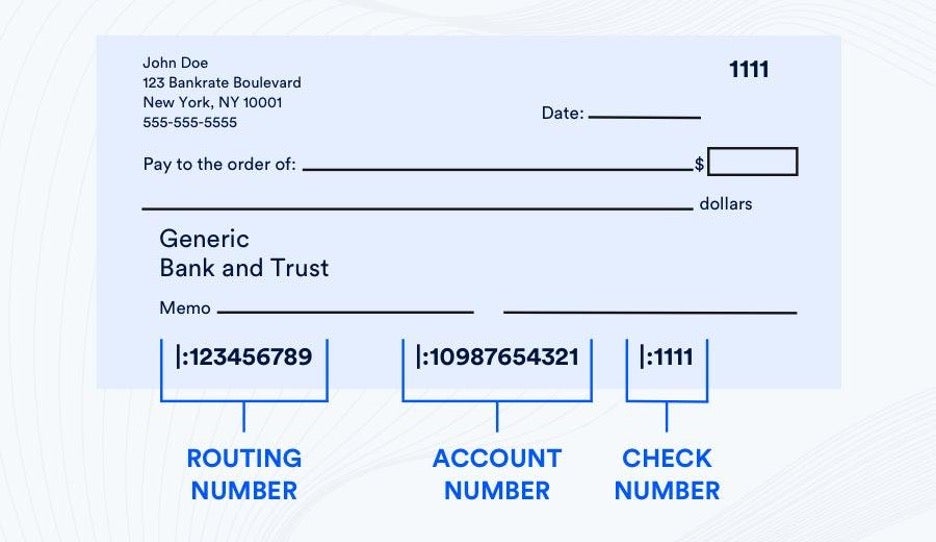
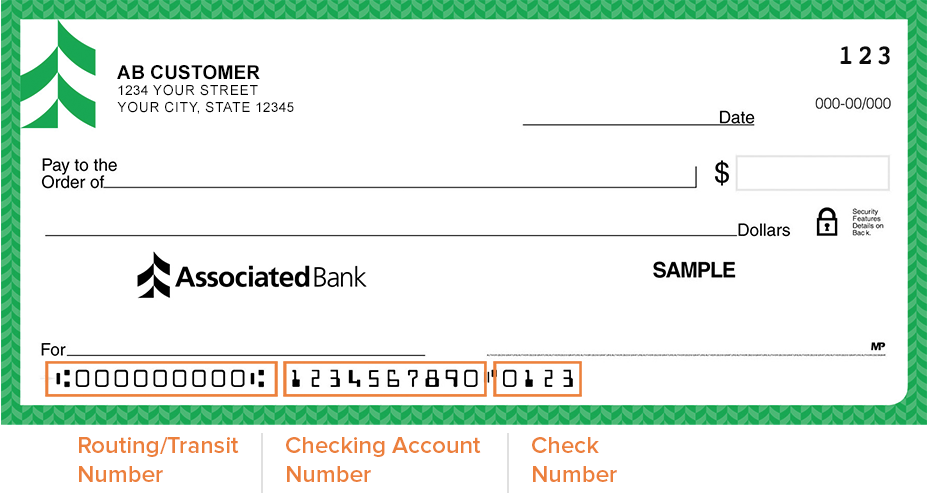
If you still use a checkbook, it is the most straightforward physical reference for your account details. At the bottom of every personal check, there is a string of numbers printed in a special font known as MICR (Magnetic Ink Character Recognition). This line contains three distinct sets of numbers:
-
The Routing Number: Usually the first nine-digit sequence on the left.
-
The Account Number: The middle sequence of numbers. It can vary in length, typically ranging from 8 to 12 digits.
-
The Check Number: The shortest sequence, usually located on the far right, which matches the number in the top right corner of the check.
When providing your account number from a check, be careful not to include the check number itself. The account number is often followed by a special symbol that looks like a colon and a dash, which denotes the end of the field.
Identifying Numbers on Monthly Paper Statements
For those who still receive mail from their financial institutions, the monthly paper statement is a goldmine of information. Much like the e-statement, the paper version will list your account number clearly at the top. It is important to note that for security reasons, some banks may “mask” the account number on the mailing envelope or on certain promotional inserts, but the actual transaction summary page will always contain the full identifier.
Bank Welcome Packages and Correspondence
When you first open a bank account, the institution provides a “Welcome Package” or a set of disclosure documents. These papers contain your account number, the specific terms of your account, and your initial deposit receipts. If you have kept these documents in a secure file, they serve as a definitive source of truth for your account details.
Alternative and In-Person Options
If digital and physical documents are unavailable, there are still ways to retrieve your account number through direct interaction with your bank. These methods often require more rigorous identity verification to ensure your funds remain protected.
Visiting a Local Branch
For individuals who prefer face-to-face interaction or who are dealing with complex business finance needs, visiting a local branch is a viable option. You will need to bring a valid, government-issued photo ID, such as a driver’s license or passport. A teller or personal banker can look up your account details and provide you with a printed document containing your routing and account numbers. This is also an opportune time to ask about “internal” vs. “external” routing numbers, as some larger banks use different numbers for domestic wire transfers versus standard ACH deposits.
Contacting Customer Support
You can call your bank’s customer service line to request your account number, though many banks have strict policies against providing the full number over the phone for security reasons. Instead, the representative may guide you through the process of finding it on the mobile app or offer to mail a physical statement to the address they have on file. If you are using a side hustle platform that requires immediate verification, this mailing process may be too slow, making the digital methods mentioned earlier more efficient.
Protecting Your Account Information from Fraud
Finding your bank account number is only half the battle; the other half is ensuring that this information does not fall into the wrong hands. In an era of increasing financial cybercrime, protecting your account details is a non-negotiable aspect of personal finance.
Avoiding Phishing and Social Engineering
One of the most common ways account numbers are stolen is through phishing. This occurs when a fraudster sends an email or text message that appears to be from your bank, asking you to “verify” your account details by clicking a link. Your bank will never ask you to provide your full account number or password via an unsolicited email or text. Always navigate directly to the bank’s official website or app rather than clicking on external links.
Safe Storage of Financial Information
If you write down your account number or keep physical checks, store them in a secure location, such as a fireproof safe or a locked filing cabinet. When disposing of old bank statements or canceled checks, always use a cross-cut shredder. In the digital realm, avoid saving your account number in unencrypted “Notes” apps on your phone. Instead, use a dedicated password manager that offers encrypted storage for sensitive financial data.
By mastering the knowledge of where to find your bank account number and how to manage it securely, you empower yourself to navigate the world of personal and business finance with confidence. Whether you are scaling a side business or simply streamlining your monthly budget, these numbers are the foundation upon which your financial life is built.
aViewFromTheCave is a participant in the Amazon Services LLC Associates Program, an affiliate advertising program designed to provide a means for sites to earn advertising fees by advertising and linking to Amazon.com. Amazon, the Amazon logo, AmazonSupply, and the AmazonSupply logo are trademarks of Amazon.com, Inc. or its affiliates. As an Amazon Associate we earn affiliate commissions from qualifying purchases.