
In the intricate world of personal finance and real estate, few terms are as ubiquitous and impactful as “30-year fixed rates.” For millions of aspiring homeowners and seasoned investors alike, understanding this fundamental financial instrument is paramount to making sound decisions. A 30-year fixed-rate mortgage is more than just a loan; it’s a cornerstone of financial stability for many households, offering predictability and a clear path to homeownership. This article delves deep into what 30-year fixed rates entail, exploring their mechanics, advantages, potential drawbacks, and why they remain a popular choice in the dynamic housing market. We’ll unpack the nuances of this long-term commitment, providing insights that can help you navigate your financial journey with greater confidence and clarity.

Understanding the Fundamentals of 30-Year Fixed-Rate Mortgages
At its core, a 30-year fixed-rate mortgage is a loan used to purchase real estate where the interest rate remains constant for the entire 30-year (360-month) term of the loan. This steadfastness distinguishes it from adjustable-rate mortgages (ARMs), where interest rates can fluctuate over time. The concept is relatively straightforward, yet its implications for long-term financial planning are profound.
Definition and Core Mechanics
When you secure a 30-year fixed-rate mortgage, the lender agrees to charge a specific interest rate on the outstanding loan balance for the full three decades. This means your principal and interest (P&I) payment will never change over the life of the loan, regardless of market fluctuations, inflation, or economic shifts. Your total monthly mortgage payment, however, might still see slight adjustments due to changes in property taxes and homeowner’s insurance premiums, which are typically collected by the lender and held in an escrow account. The “fixed” aspect applies specifically to the interest rate and, consequently, the principal and interest portion of your monthly payment. This predictable payment structure is a significant draw, allowing homeowners to budget with a high degree of certainty for a substantial portion of their adult lives.
How Fixed Rates Provide Stability
The primary benefit of a fixed rate is the unparalleled stability it offers. Imagine the financial planning implications of knowing exactly what your largest monthly expense — your housing payment — will be for the next 30 years. This stability acts as a robust hedge against interest rate volatility. If market rates climb significantly after you’ve locked in your 30-year fixed rate, you continue to pay your original, lower rate, effectively saving you potentially thousands of dollars over the loan term. This provides immense peace of mind, shielding homeowners from the uncertainty that can accompany variable-rate loans, especially during periods of economic instability or rising interest rates. This foundational stability allows individuals and families to plan for other financial goals, such as saving for retirement, investing, or funding education, without the constant worry of an escalating mortgage payment.
The Amortization Schedule Explained
An often-misunderstood aspect of mortgages is the amortization schedule. For a 30-year fixed-rate loan, this schedule dictates how your payments are allocated between principal and interest over the 360-month term. In the early years of a 30-year mortgage, a significantly larger portion of your monthly payment goes towards interest. This is because the outstanding principal balance is at its highest, and interest is calculated on that larger sum. As time progresses, and with each consistent payment, the principal balance gradually decreases, leading to a shift where more of your payment begins to chip away at the principal. By the end of the 30 years, assuming all payments are made on time, the loan will be fully paid off, and you will own your home outright. Understanding this slow but steady progression is crucial; it illustrates why early extra payments, even small ones, can have a disproportionately large impact on reducing the total interest paid and shortening the loan term.
The Appeal and Advantages of a 30-Year Fixed Mortgage
The enduring popularity of the 30-year fixed-rate mortgage is no accident. Its structure offers several compelling advantages that cater to a broad spectrum of borrowers, making it a cornerstone of the American housing market and personal financial planning.
Predictable Monthly Payments
The most celebrated feature of a 30-year fixed rate is the unwavering predictability of its principal and interest payments. From day one until the final payment, this core component of your mortgage bill remains constant. This consistency is invaluable for household budgeting, eliminating the stress and uncertainty associated with fluctuating payments. Homeowners can confidently plan their finances years in advance, knowing that their largest recurring expense won’t surprise them with unexpected increases. This certainty is a powerful tool for financial stability, enabling clearer long-term financial projections and less day-to-day anxiety.
Budgeting Certainty and Long-Term Planning
Beyond simple predictability, the fixed rate empowers robust long-term financial planning. When you know your mortgage payment won’t change, you can allocate funds more effectively towards other critical goals such as retirement savings, college funds, investments, or even starting a business. This certainty provides a strong foundation for wealth building, as homeowners are insulated from market interest rate swings that could otherwise derail their financial strategies. It allows for a more disciplined approach to saving and spending, fostering an environment where financial goals can be pursued with greater confidence and less risk aversion.
Lower Monthly Payments Compared to Shorter Terms
A significant practical advantage of the 30-year fixed mortgage is its lower monthly payment compared to shorter-term loans like a 15-year fixed mortgage, assuming the same loan amount and interest rate. By spreading the repayment over a longer period (360 months versus 180 months), each individual payment is smaller. This makes homeownership more accessible and affordable for a wider range of borrowers, as it reduces the immediate financial burden. The lower payment frees up cash flow, which can be crucial for managing other monthly expenses, building an emergency fund, or investing in other areas, providing greater flexibility in personal finance.
Protection Against Rising Interest Rates
Perhaps the most significant long-term benefit of a 30-year fixed rate is the inherent protection it offers against future interest rate hikes. Once you lock in your rate, you are shielded from any subsequent increases in the broader market. If general interest rates rise, your mortgage payment remains unchanged, effectively locking in your cost of capital for three decades. This can lead to substantial savings over the life of the loan, especially in an environment where rates are trending upwards. It’s a strategic move for those who prioritize long-term cost stability and wish to avoid the risk associated with variable interest rates.
Potential Drawbacks and Considerations
While the 30-year fixed-rate mortgage offers compelling advantages, it’s also essential to acknowledge its potential downsides. Understanding these drawbacks allows for a more balanced perspective and helps borrowers determine if this loan structure aligns with their specific financial goals and circumstances.
Higher Overall Interest Paid Over the Loan Term
The most frequently cited drawback of a 30-year fixed mortgage is the higher total interest paid over the life of the loan compared to a shorter-term mortgage (e.g., a 15-year fixed). Because the principal is amortized over a longer period, and the interest rate on a 30-year loan is typically slightly higher than a 15-year loan to compensate the lender for the increased risk over a longer duration, borrowers end up paying significantly more in interest over three decades. While the monthly payments are lower, the cumulative cost of borrowing is higher. For example, a $300,000 loan at 4% for 30 years will accrue far more interest than the same loan at 3.5% for 15 years, even though the monthly payment for the 15-year loan would be considerably higher.
Slower Equity Buildup
Another consequence of the extended repayment period and the front-loading of interest in the amortization schedule is a slower accumulation of home equity, particularly in the early years of the loan. With more of each payment initially going towards interest, less is applied to the principal balance. This means it takes longer to build substantial equity in the home through mortgage payments alone. While property appreciation can still increase equity, the pace of equity growth from loan repayment is slower compared to shorter-term mortgages where more principal is paid off each month. This can be a factor for homeowners who plan to leverage their equity for future investments or who desire to own their home free and clear sooner.
Opportunity Cost of Longer Terms
The decision to opt for lower monthly payments over a 30-year term comes with an inherent opportunity cost. The money saved each month by choosing a 30-year loan over a 15-year loan could theoretically be invested elsewhere. However, if these “saved” funds are not strategically invested and instead consumed or allocated to lower-return assets, the borrower might miss out on potential wealth accumulation. The long-term commitment also ties up capital, albeit in an appreciating asset, for a significant portion of one’s working life. Borrowers must weigh whether the flexibility of lower payments outweighs the potential for faster equity growth or higher investment returns elsewhere.
When a 30-Year Fixed Might Not Be Ideal
A 30-year fixed mortgage isn’t always the optimal choice. For individuals who plan to move or refinance within a few years, the long-term stability might be less relevant than a lower interest rate on an ARM or a shorter fixed term that offers faster equity build-up. Similarly, high-income earners with substantial savings who prioritize minimizing total interest paid and building equity quickly might find a 15-year fixed mortgage more appealing. Business owners or investors who need to maximize cash flow for other ventures might also weigh the lower monthly payment against other financial priorities, but the higher total interest cost should be a key consideration.
Who Benefits Most from a 30-Year Fixed Rate?
Despite its trade-offs, the 30-year fixed-rate mortgage remains an incredibly popular and beneficial financial product for specific demographics and situations. Its unique characteristics align well with certain financial goals and life stages.
First-Time Homebuyers
For many first-time homebuyers, the 30-year fixed-rate mortgage is an ideal entry point into homeownership. The lower monthly payments make housing more affordable and accessible, allowing individuals and families to stretch their budget to purchase a home that fits their needs without overextending themselves financially. This reduced initial financial burden is crucial for those who may not have accumulated significant savings or who are balancing other financial commitments. The predictability also offers peace of mind as they navigate the complexities of homeownership for the first time.
Budget-Conscious Individuals and Families
Individuals and families who prioritize stable, predictable monthly expenses for effective budgeting will find the 30-year fixed rate highly advantageous. Knowing exactly what their principal and interest payment will be for three decades enables meticulous financial planning, making it easier to manage household income, allocate funds for other necessities, and save for future goals. This certainty is a significant stress reducer, especially for those with stable but not necessarily high incomes who need to meticulously track every dollar.
Those Planning to Stay in Their Home Long-Term
Homeowners who anticipate living in their current home for a significant period—say, 10 years or more—are perfectly positioned to reap the full benefits of a 30-year fixed rate. The stability and protection against rising rates become increasingly valuable over time. The longer one stays in the home, the more the fixed rate shields them from market volatility, allowing them to enjoy consistent housing costs while building equity gradually. For families establishing roots, this long-term stability provides a solid financial anchor.
Investors Seeking Predictable Cash Flow
Real estate investors, particularly those focused on rental properties, often favor 30-year fixed-rate mortgages. The predictable monthly payments allow them to accurately forecast cash flow and rental income, simplifying their financial modeling and risk assessment. Lower monthly payments can also improve monthly profit margins or allow for a higher debt-to-income ratio, enabling them to acquire more properties. The long-term stability helps insulate their investment portfolio from interest rate shocks, contributing to more consistent returns.
Navigating the Mortgage Market: Key Factors to Consider
Choosing the right mortgage involves more than just selecting a 30-year fixed rate; it requires a comprehensive understanding of the market, your personal financial situation, and the application process. Making an informed decision can save you significant money and stress over the long run.
Current Interest Rate Environment
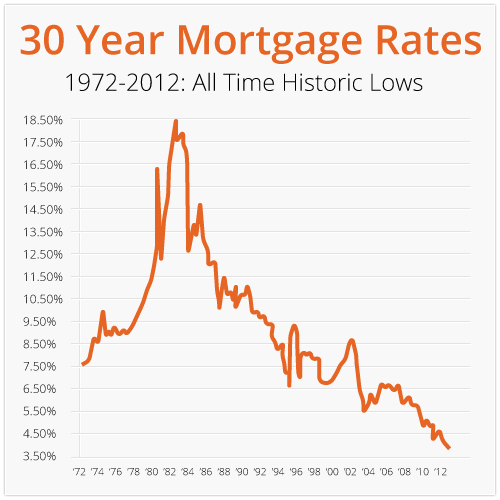
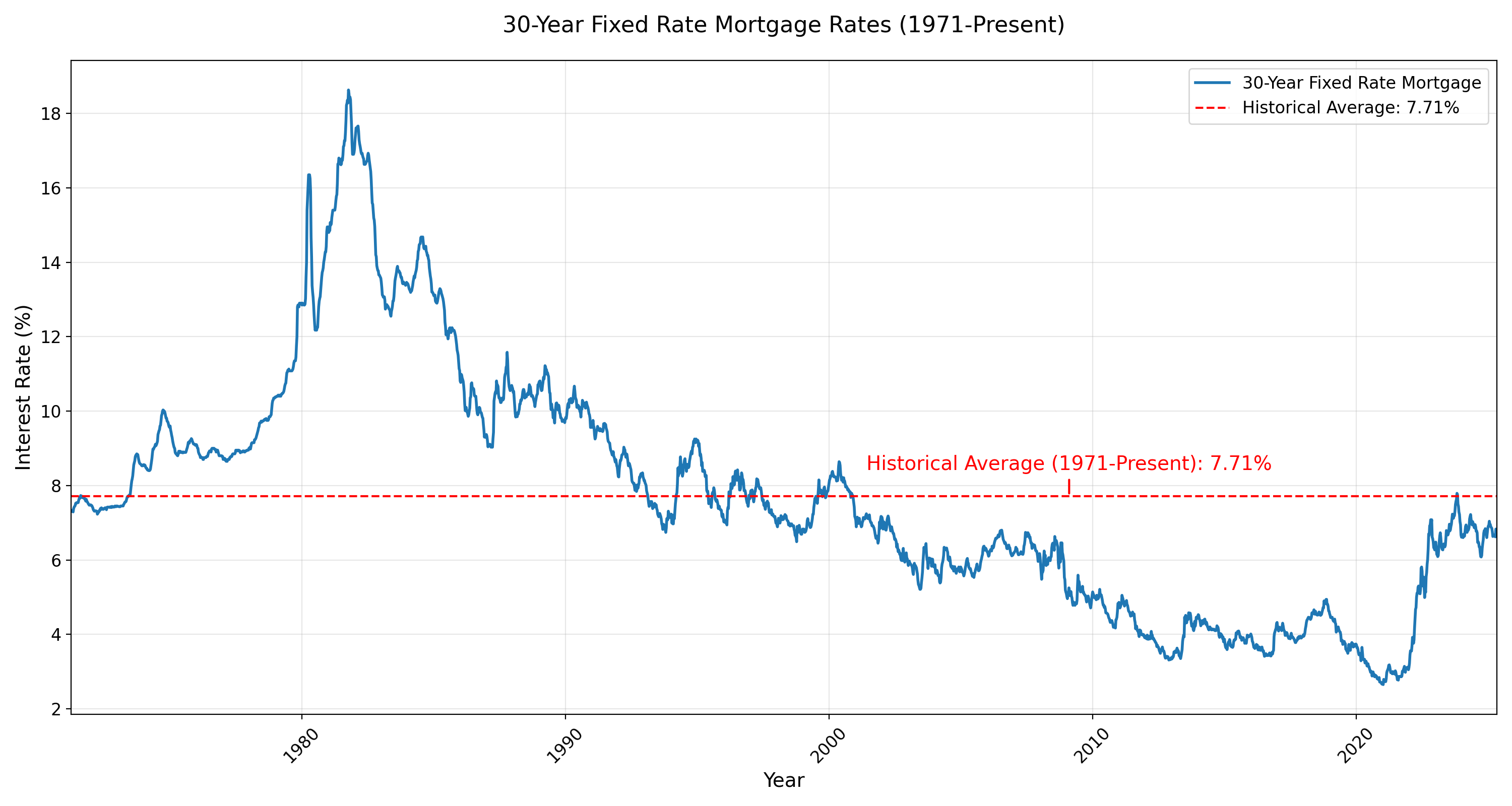
The prevailing interest rate environment is a critical factor. When rates are historically low, locking in a 30-year fixed rate can be an exceptionally smart move, as it secures a low cost of borrowing for an extended period. Conversely, if rates are high, borrowers might weigh their options more carefully, considering whether to wait for rates to drop, opt for a shorter-term loan, or explore an ARM if they anticipate refinancing in the future. Monitoring rate trends and understanding their historical context is vital for timing your mortgage decision effectively.
Your Financial Goals and Risk Tolerance
Your personal financial goals and risk tolerance should heavily influence your mortgage choice. Are you primarily concerned with minimizing monthly payments, or do you prioritize paying off your home as quickly as possible? Do you have a high tolerance for market fluctuations, or do you prefer absolute certainty? If stability and predictable payments are paramount, a 30-year fixed rate is likely suitable. If you have a higher income, wish to pay less overall interest, and can handle larger monthly payments, a 15-year fixed might be better. Understanding your comfort level with financial risk helps tailor the mortgage product to your individual needs.
Credit Score and Down Payment Impact
Your credit score and the size of your down payment significantly impact the interest rate you’ll be offered for a 30-year fixed mortgage. A higher credit score signals lower risk to lenders, typically translating into more favorable interest rates. Similarly, a larger down payment reduces the loan-to-value (LTV) ratio, which also signals lower risk and can secure a better rate. Lenders will assess your overall financial health, including your debt-to-income ratio, when determining your eligibility and the terms of your loan. Improving these factors before applying can lead to substantial savings over 30 years.
The Application Process and Lender Selection
Navigating the mortgage application process requires diligence. It involves pre-approval, gathering extensive documentation (income, assets, debts), property appraisal, and underwriting. It’s crucial to shop around and compare offers from multiple lenders – banks, credit unions, and online mortgage brokers – as rates and fees can vary significantly. Don’t just look at the interest rate; compare the Annual Percentage Rate (APR), which includes fees, and understand all closing costs. A thorough comparison can uncover a better deal and ensure you secure the most advantageous 30-year fixed rate available for your specific situation.
In conclusion, the 30-year fixed-rate mortgage stands as a powerful and enduring financial tool. Its promise of predictable payments and long-term stability makes it an attractive option for a vast array of borrowers, particularly first-time homebuyers and those committed to long-term homeownership. While it comes with the trade-off of higher overall interest paid and slower equity buildup compared to shorter terms, its benefits often outweigh these considerations for those whose financial goals align with its structure. By carefully weighing the advantages and disadvantages, understanding personal financial circumstances, and diligently comparing lender offers, individuals can harness the power of the 30-year fixed rate to achieve their homeownership dreams with confidence and peace of mind.
aViewFromTheCave is a participant in the Amazon Services LLC Associates Program, an affiliate advertising program designed to provide a means for sites to earn advertising fees by advertising and linking to Amazon.com. Amazon, the Amazon logo, AmazonSupply, and the AmazonSupply logo are trademarks of Amazon.com, Inc. or its affiliates. As an Amazon Associate we earn affiliate commissions from qualifying purchases.