
The annual tax filing season is more than just a bureaucratic obligation; it is a critical pillar of personal finance management. For many, the decision of where to file taxes determines not only the speed of their refund but also the accuracy of their financial standing and the optimization of their potential returns. In an era where financial tools have become increasingly sophisticated, taxpayers are faced with a plethora of choices ranging from government-sponsored programs to high-end professional advisory services.
Selecting the right platform or method requires a clear understanding of your personal financial complexity, your budget for professional fees, and your long-term wealth management goals. This guide explores the diverse landscape of tax filing options, categorized by their utility, cost-effectiveness, and strategic value for various types of taxpayers.

The IRS Free File Program and Low-Cost Public Options
For a significant portion of the population, the most efficient way to handle taxes is through the IRS Free File program. This initiative is a public-private partnership between the Internal Revenue Service and several brand-name tax software companies. It is designed to provide high-quality financial tools to taxpayers who fall below a certain income threshold—traditionally those with an Adjusted Gross Income (AGI) of $79,000 or less.
Understanding the IRS Free File Benefit
The primary advantage of the IRS Free File program is the removal of the financial barrier to entry. Users gain access to professional-grade software that guides them through deductions and credits without the “upselling” tactics often found in commercial versions. For those focused on strict personal finance budgeting, this is the gold standard for cost-saving. It ensures that the taxpayer keeps 100% of their refund rather than losing a portion to software fees or filing costs.
VITA and TCE: Community-Based Financial Support
Beyond digital tools, the Volunteer Income Tax Assistance (VITA) and Tax Counseling for the Elderly (TCE) programs offer localized support. These are vital for taxpayers who require a human touch but lack the capital to hire a private CPA. VITA sites are generally located in community centers or libraries and are staffed by IRS-certified volunteers. This is an excellent resource for individuals with disabilities, limited English proficiency, or those who simply need guided assistance in navigating complex financial forms.
The Direct File Pilot Program
In recent years, the IRS has also introduced “Direct File,” a government-owned filing portal. This represents a significant shift in the financial landscape, offering a direct-to-consumer model that bypasses third-party intermediaries. While currently limited in scope and availability by state, Direct File is a tool to watch for those who prefer a streamlined, no-frills approach to their federal obligations.
Leading Commercial Software for Personal Wealth Management
When financial situations grow more complex—involving stock market investments, real estate holdings, or diverse portfolio dividends—many taxpayers turn to premium commercial software. These tools act as digital financial advisors, identifying nuances in the tax code that the average person might overlook.
TurboTax: The Premium User Experience
TurboTax remains a dominant force in the financial tool sector due to its highly intuitive interface. It is specifically designed for the “do-it-yourself” investor. Its strength lies in its ability to import data directly from financial institutions, brokerage accounts, and employer payroll systems. This reduces manual entry errors, which is a critical component of maintaining clean financial records. While it is often the most expensive option, the value proposition lies in the time saved and the psychological security of its “Maximum Refund” guarantees.
H&R Block: The Hybrid Advisory Model
H&R Block occupies a unique space in the market by offering a hybrid of digital convenience and physical presence. For taxpayers who want the ease of an app but the security of knowing they can walk into an office if an audit occurs, this is a strategic choice. From a personal finance perspective, H&R Block’s “Tax Pro Review” allows a certified professional to look over your digital filing before submission, providing an extra layer of scrutiny for those with moderate financial complexity.
FreeTaxUSA and TaxSlayer: Value-Driven Alternatives
For the cost-conscious taxpayer who does not qualify for IRS Free File but finds TurboTax too pricey, platforms like FreeTaxUSA have gained a cult following. These services offer free federal filing regardless of complexity, charging only a small fee for state returns. They lack the “flashy” interface of their competitors but provide all the necessary forms for reporting capital gains, K-1s, and mortgage interest. Using these tools is a savvy move for those who understand their finances well and want to minimize “financial leakage” during tax season.

Strategic Filing for Side Hustles and Small Business Owners
The rise of the “gig economy” and online income streams has complicated the tax landscape for many. If you earn money through freelance platforms, e-commerce, or consulting, where you file your taxes becomes a business decision rather than just a personal one.
Managing 1099 Income and Self-Employment Tax
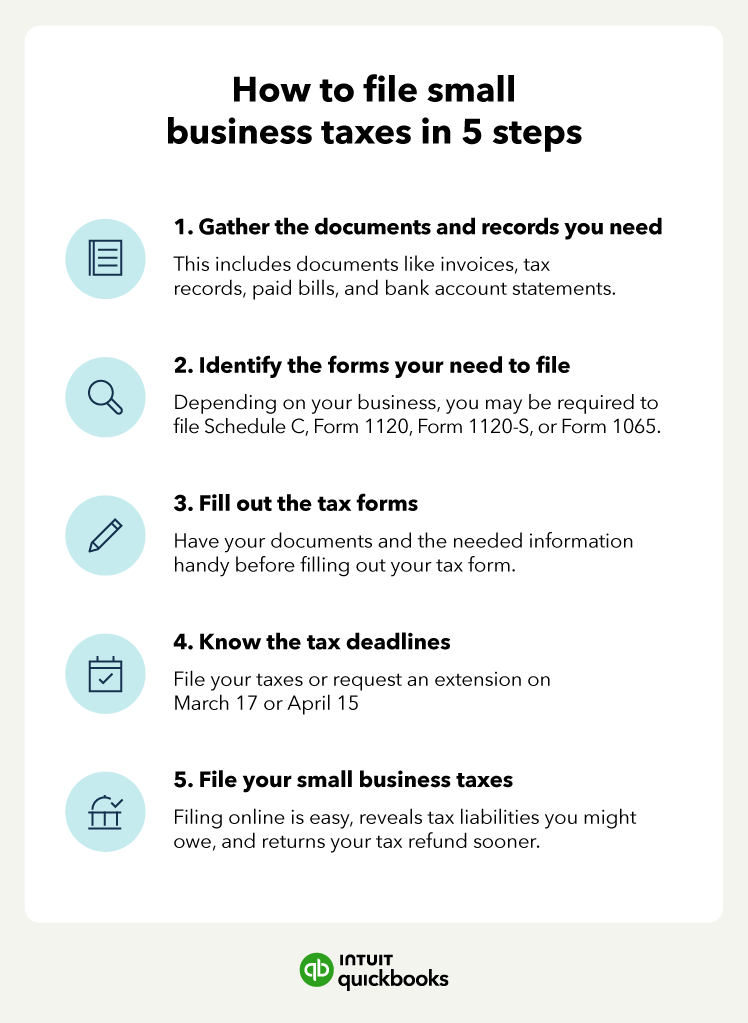
Self-employed individuals must navigate the complexities of Schedule C and the dreaded self-employment tax. Choosing a filing platform that specifically caters to small businesses is essential. High-end versions of commercial software often include tools to calculate “Quarterly Estimated Tax Payments,” which is a vital part of cash flow management for the self-employed. Failing to use a tool that tracks these can lead to significant underpayment penalties, damaging your overall financial health.
Maximizing Business Deductions
Where you file also dictates how well you can track and claim deductions. Sophisticated financial tools now offer “expense discovery” features that scan bank statements for potential business write-offs like home office expenses, travel, and equipment. For a freelancer, the difference between a standard filing and a business-optimized filing can result in thousands of dollars in tax savings, which can then be reinvested into the business or a SEP-IRA.
The Role of a Certified Public Accountant (CPA)
For high-net-worth individuals or those with complex corporate structures, software may not be enough. In these cases, “where” you file is actually “with whom” you file. Hiring a CPA is a strategic investment. Unlike software, a CPA can provide year-round tax planning and wealth preservation advice. They can assist with tax loss harvesting, estate planning, and navigating the tax implications of international investments. While the upfront cost is high, the long-term financial gain through strategic tax avoidance (the legal minimization of tax liability) often far outweighs the fee.
Security, Data Protection, and Financial Integrity
In the digital age, where you file your taxes is also a question of security. Tax returns contain the most sensitive financial data an individual possesses, including Social Security numbers, bank account details, and income history.
Identity Theft Prevention in Tax Tools
Reputable filing platforms invest millions in cybersecurity. When choosing where to file, it is imperative to look for multi-factor authentication (MFA) and data encryption standards. The financial risk of a data breach during tax season is immense; identity thieves can use tax data to open fraudulent credit lines or claim your refund before you do. Utilizing established, high-security platforms is a non-negotiable aspect of modern financial hygiene.
Digital Record Keeping and Audit Trails
A major component of personal finance is the maintenance of an audit trail. Modern filing platforms provide secure, long-term storage of past returns. This is incredibly useful when applying for a mortgage or a business loan, where several years of tax transcripts are required. Choosing a platform that offers a “digital vault” ensures that your financial history is organized and accessible, which is a hallmark of a disciplined financial life.
Optimizing the Outcome: Refunds vs. Liability
The final consideration in where to file is the speed and management of the outcome. Whether you are receiving a refund or paying a balance, the platform you use influences the efficiency of the transaction.
Direct Deposit and Financial Speed
Most digital filing platforms are integrated with the IRS e-file system, allowing for direct deposit. From a money management perspective, the faster you receive your refund, the faster that capital can be put to work in a high-yield savings account or an investment portfolio. Many “big box” tax preparers offer “Refund Anticipation Loans,” but these are generally discouraged by financial experts due to high interest rates and fees. Strategic filing means choosing a path that provides the quickest access to your money without predatory lending.
Planning for the Following Year
The best tax filing experiences are those that provide an “after-action report.” Leading financial tools will analyze your filing and suggest adjustments to your W-4 withholdings. This is a crucial step in financial planning. Ideally, you want to get as close to a $0 refund as possible—this means you didn’t give the government an interest-free loan throughout the year and instead kept that money in your own monthly budget for investing or debt repayment.
In conclusion, “where to file taxes” is a decision that should be aligned with your broader financial strategy. Whether you utilize the IRS Free File program for its cost-efficiency, a premium software for its convenience and deduction-tracking, or a professional CPA for complex wealth management, the goal remains the same: accuracy, compliance, and the optimization of your personal net worth. By viewing tax season as an annual financial audit rather than a chore, you can turn a mandatory task into a powerful tool for financial growth.
aViewFromTheCave is a participant in the Amazon Services LLC Associates Program, an affiliate advertising program designed to provide a means for sites to earn advertising fees by advertising and linking to Amazon.com. Amazon, the Amazon logo, AmazonSupply, and the AmazonSupply logo are trademarks of Amazon.com, Inc. or its affiliates. As an Amazon Associate we earn affiliate commissions from qualifying purchases.