
In the landscape of modern business finance and personal wealth management, the concept of “waste” is increasingly being reframed as an untapped asset. When individuals or business owners search for “where to donate frozen food near me,” the motivation is often altruistic, yet the fiscal implications are profound. From a personal finance perspective, reducing food waste is a direct strategy for capital preservation. For business entities, particularly those in the hospitality, retail, or logistics sectors, donating frozen inventory is a sophisticated tax strategy that can significantly optimize the bottom line.

Understanding the intersection of charitable giving and financial optimization requires a deep dive into tax codes, inventory management, and the circular economy. This guide explores how to strategically locate donation centers and manage the financial documentation required to turn frozen perishables into fiscal advantages.
The Economics of Food Waste: Why Frozen Assets Matter
For any enterprise or household, frozen food represents “sunk cost” capital. Unlike dry goods, frozen inventory carries ongoing operational expenses, primarily in the form of energy costs required for refrigeration. When this inventory nears its expiration date or becomes surplus due to shifting market demands, it transforms from an asset into a liability.
Understanding the Sunk Cost of Perishables
In business finance, the “basis” of an item is its cost to the owner. When frozen food sits in a warehouse or a commercial freezer, it is not just the initial purchase price that is at stake; it is the opportunity cost of the storage space and the utility overhead. By identifying where to donate frozen food near me, a business owner can offload these liabilities. Instead of paying for the disposal of spoiled goods—which often involves “trash taxes” or commercial waste management fees—the business can pivot toward a tax-deductible contribution.
The Hidden Costs of Food Disposal
For small business owners and side hustlers in the food industry, disposal is rarely free. Commercial waste contracts often charge by weight or volume. High-moisture frozen foods are heavy, leading to increased tipping fees at landfills. From a cash flow perspective, donating these items eliminates disposal fees entirely. This is a form of indirect income: by avoiding a cost, you effectively increase your net margin.
Maximizing Tax Deductions through Charitable Contributions
The most compelling financial reason to search for “where to donate frozen food near me” lies in the Internal Revenue Code. For U.S.-based entities, the tax benefits of donating food inventory can far exceed the benefits of other types of charitable giving.
IRS Section 170(e)(3) and Business Donations
Under IRS Section 170(e)(3), C-corporations, S-corporations, partnerships, and sole proprietorships are eligible for an “enhanced deduction” for the donation of food inventory. This is a critical tool for business finance optimization. Normally, a charitable deduction is limited to the “basis” (the cost) of the property. However, the enhanced deduction allows businesses to deduct the lesser of:
-
The basis plus one-half of the appreciation (the difference between the fair market value and the basis).
-
Two times the basis.
For a business with high-margin frozen products, this can result in a deduction that significantly reduces the taxable income for the fiscal year, providing a much-needed shield against high tax brackets.
Individual Deductions: Documentation and Fair Market Value
For individuals and families looking to optimize their personal finances, the rules are slightly different. If you itemize your deductions, you can deduct the fair market value of the frozen food donated to a qualified 501(c)(3) organization.
The key to a successful audit-proof deduction is documentation. When you find a local food bank or pantry, ensure they provide a written acknowledgment that includes:
-
The name and address of the organization.
-
A description of the frozen items donated.
-
A statement of whether the organization provided any goods or services in exchange for the donation.
Using financial tools or spreadsheets to track these donations throughout the year can turn a simple act of clearing out a freezer into a meaningful reduction in your year-end tax liability.

Digital Tools for Tracking and Managing Food Assets
In the age of fintech and digital transformation, finding where to donate frozen food is no longer a matter of checking a physical phone book. Various apps and software platforms have emerged to bridge the gap between surplus inventory and community need, while simultaneously providing the data required for financial reporting.
Inventory Management Software for Small Businesses
Modern Point of Sale (POS) systems and inventory management tools now often include modules for waste tracking. For a business owner, these tools are essential for identifying surplus frozen goods before they reach their “best by” date. By integrating donation tracking into your accounting software (such as QuickBooks or Xero), you can automate the calculation of the basis and the fair market value of your donations. This streamlines the work of your CPA and ensures that no deductible dollar is left on the table.
Expense Tracking Apps for Donation Logistics
The “cost” of a donation isn’t just the food itself; it includes the logistics of getting the food to the donation center. For those running side hustles or small delivery businesses, the mileage driven to deliver frozen food to a non-profit is often tax-deductible as a charitable expense. Using mileage tracking apps can help you capture these small, incremental costs which, when aggregated, provide a secondary layer of financial benefit.
Building a Sustainable Financial Strategy through Community Support
Beyond immediate tax breaks, donating frozen food is a pillar of a long-term sustainable business strategy. Investors and consumers are increasingly looking at Environmental, Social, and Governance (ESG) metrics when deciding where to put their money.
Reducing Overhead with the Circular Economy
The circular economy is a financial model that emphasizes the elimination of waste through the continual use of resources. By donating frozen food, you are participating in a local circular economy. This reduces the systemic costs of food production and disposal within your community. On a microeconomic level, this can lead to lower local taxes and more stable supply chains, as the community’s overall resilience improves.
Impact Investing and Social Responsibility ROI
For businesses looking to attract investment, a robust food donation program is a tangible metric of corporate social responsibility (CSR). While it might seem like a “soft” metric, CSR has a direct Return on Investment (ROI). Companies with strong community ties often enjoy higher customer loyalty, which reduces customer acquisition costs (CAC) and increases the lifetime value (LTV) of their clientele. When you search for “where to donate frozen food near me,” you are essentially looking for a partner in your brand’s financial stability.
Strategic Logistics: Finding the Right Financial Partner
Not all non-profits are equipped to handle frozen food. From a financial perspective, you must ensure that your “donation partner” has the infrastructure to manage your assets correctly. If a food bank allows your donation to thaw and spoil, you may lose the ability to claim certain enhanced deductions that require the food to be used for the “care of the ill, the needy, or infants.”
Assessing the Fiscal Reliability of Food Banks
When vetting a location, look for organizations that have a “cold chain” management system. This includes refrigerated trucks and commercial-grade walk-in freezers. From a business finance standpoint, donating to an organization with these capabilities ensures that your asset is treated with the same care you gave it, protecting the integrity of your donation record.
Local vs. National Donation Networks
There are several major networks that can help you find a location.
-
Feeding America: As the largest domestic hunger-relief organization, they have a sophisticated logistics network capable of handling massive commercial frozen food donations.
-
MealConnect: This is a technology platform that links business donors with local food pantries. It provides a digital “paper trail” which is invaluable for tax documentation.
-
Food Rescue US: This organization uses a web-based app to coordinate the transfer of fresh and frozen food from businesses to social service agencies.
By utilizing these networks, you ensure that your search for “where to donate frozen food near me” yields a result that is both socially impactful and financially sound.
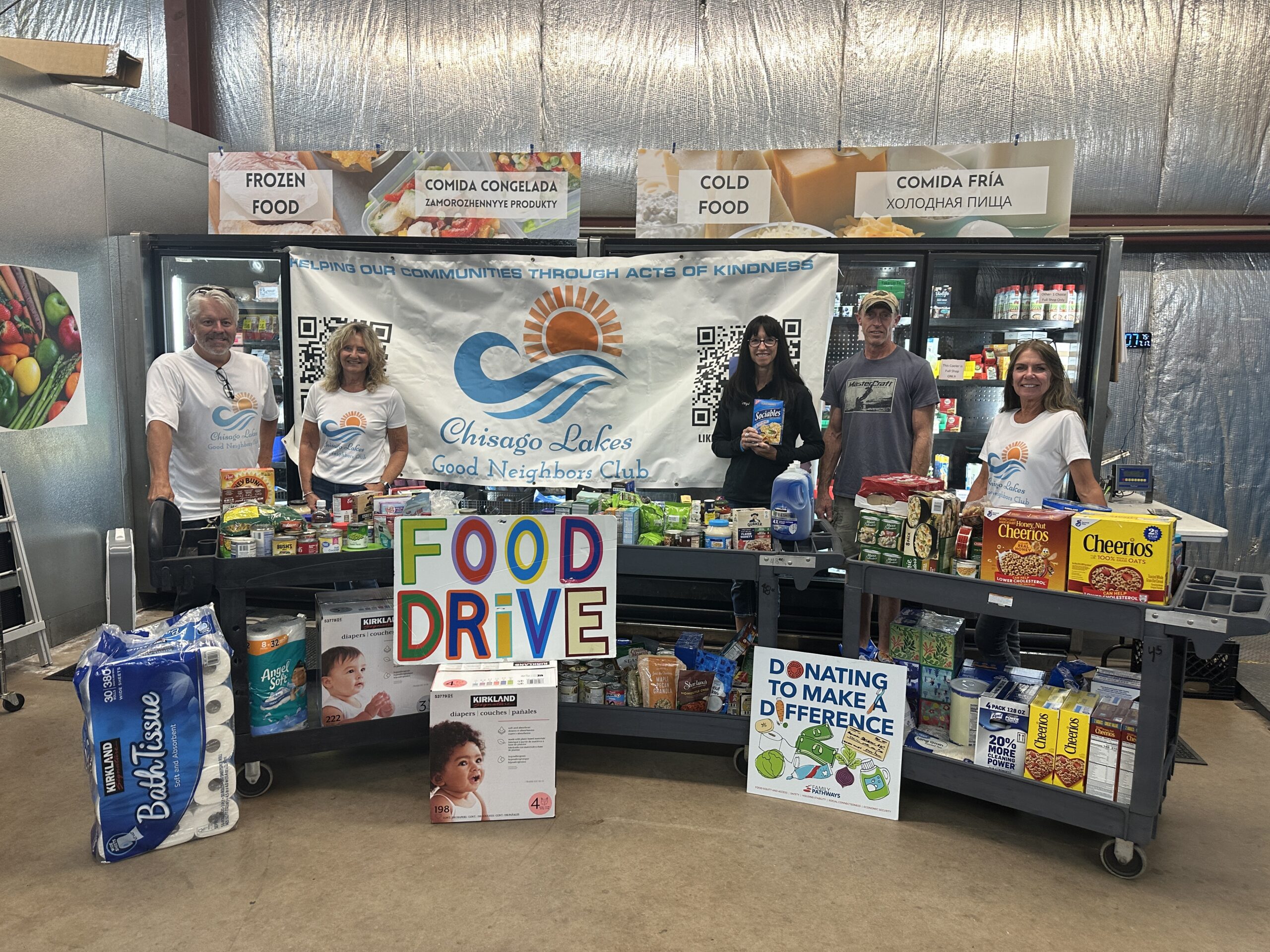
Conclusion: The Bottom Line on Frozen Food Donation
The decision to donate frozen food is more than a charitable impulse; it is a savvy financial move that aligns with modern wealth management and business strategy principles. By understanding the tax codes, leveraging digital tools, and selecting the right logistical partners, you can transform a potential loss into a documented gain. Whether you are an individual looking to optimize your 1040 or a CFO looking to reduce warehouse overhead, the strategic donation of frozen assets offers a unique path to fiscal efficiency.
aViewFromTheCave is a participant in the Amazon Services LLC Associates Program, an affiliate advertising program designed to provide a means for sites to earn advertising fees by advertising and linking to Amazon.com. Amazon, the Amazon logo, AmazonSupply, and the AmazonSupply logo are trademarks of Amazon.com, Inc. or its affiliates. As an Amazon Associate we earn affiliate commissions from qualifying purchases.