
In an era dominated by instant transfers, digital wallets, and contactless payments, the physical paper check can sometimes feel like a relic of the past. However, checks remain a staple in many sectors of the economy, used for payroll, government rebates, tax refunds, insurance settlements, and even personal gifts. When you find yourself holding a paper check, the immediate question is often: “Where can I cash this near me quickly and for the lowest fee?”
Navigating the landscape of modern finance requires knowing which institutions offer the best terms for converting paper into liquid cash. Whether you are fully banked, underbanked, or simply looking for a more convenient location than your local branch, there are numerous avenues available. This guide explores the best physical and digital locations to cash a check, ensuring you maximize your money while minimizing the time spent in line.
1. Traditional Banking Institutions: The Most Cost-Effective Choice
For those with an active bank account, the most logical and cost-effective place to cash a check is at your own financial institution. However, even if you don’t have an account, traditional banks still play a vital role in the check-cashing ecosystem.
Cashing at Your Own Bank or Credit Union
If you have a checking or savings account, cashing a check at your bank is almost always free. Most banks allow you to cash the check up to the amount you have available in your account balance immediately, while the remainder may be held for a business day or two to ensure the funds clear. Credit unions, which are member-owned, often provide even more personalized service and may have more lenient policies regarding immediate funds availability for long-standing members.
Cashing at the Issuing Bank (The “Drawn On” Bank)
If you do not have a bank account, your best bet is to visit the bank that issued the check—often referred to as the “drawn on” bank. You can identify this bank by looking at the logo or name printed on the check itself. Because the bank has immediate access to the payer’s account information, they can verify that the funds are available.
While they are not legally required to cash checks for non-customers, many major banks like Chase, Bank of America, and Wells Fargo will do so for a flat fee (typically ranging from $5 to $10) or a small percentage of the check’s value. You will need a valid, government-issued photo ID, such as a driver’s license or passport, to complete the transaction.
Leveraging Local Credit Union Branches
Local credit unions often participate in “shared branching” networks. If you belong to a credit union that is part of a national network (like CO-OP Shared Branching), you can often walk into a different credit union across the country and cash your check as if you were at your home branch. This is an excellent resource for travelers or those who have moved but haven’t switched banks yet.
2. Retail and Grocery Store Solutions: Convenience and Accessibility
One of the most popular answers to “where to cash a check near me” is the local supermarket. Retailers have stepped into the financial services void, offering check cashing as a way to drive foot traffic and provide a service to their communities.
National Grocery Chains (Walmart, Kroger, Publix)
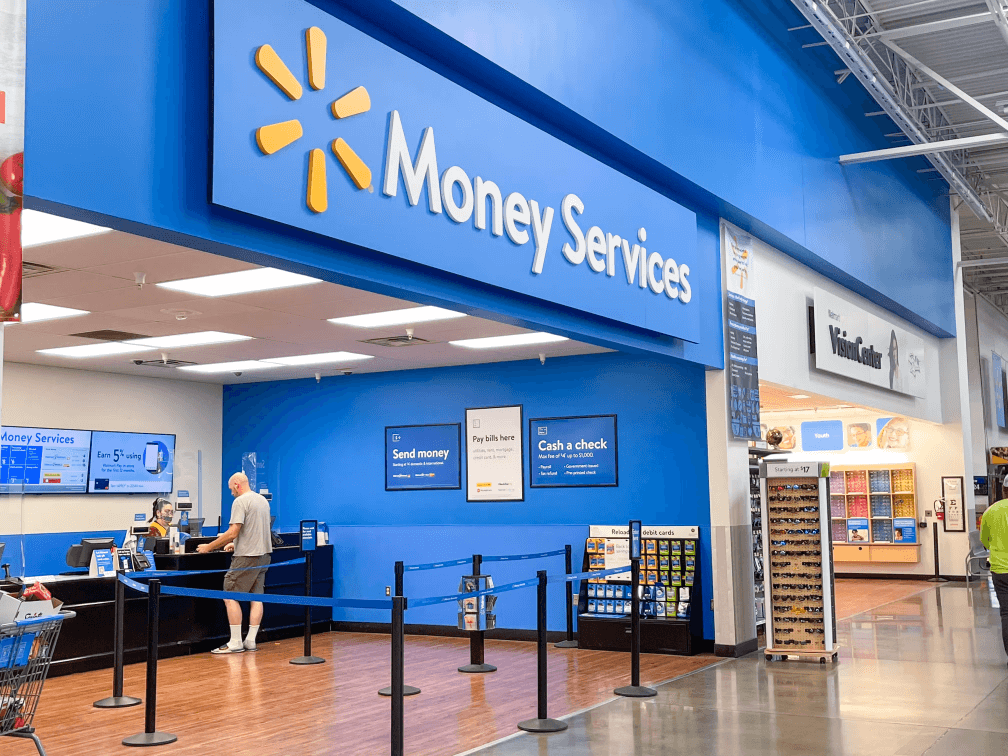
Walmart is perhaps the most well-known retailer for financial services. Their “MoneyCenter” allows customers to cash payroll, government, tax, and even some personal checks. Their fees are generally transparent, often capped at $4 for checks up to $1,000 and $8 for checks between $1,001 and $5,000.
Other chains like Kroger (including subsidiaries like Ralphs and Fred Meyer) offer similar services via their “Money Services” counters. These retailers usually charge a fee but provide the convenience of cashing a check while you do your weekly grocery shopping. Publix, predominantly in the Southeast, also offers check cashing, though they are often more restrictive, focusing primarily on payroll and personal checks with lower limits.
Convenience Stores and Gas Stations
While less common than they once were due to security concerns, some convenience store chains and large-scale gas stations (like 7-Eleven or certain regional truck stops) still offer check cashing services. 7-Eleven, for example, has historically utilized “Vcom” kiosks that allow for a variety of financial transactions. However, these locations often have much lower limits and may require you to sign up for a specific brand-affiliated debit card to load the funds.
The Trade-off: Convenience vs. Cost
The primary benefit of retail check cashing is the extended hours. Many grocery stores are open late or on weekends when traditional banks are closed. The trade-off is the fee. While a $4 fee might seem small, if you are cashing a weekly payroll check, those fees can add up to over $200 a year—money that could stay in your pocket if you utilized a traditional bank account.
3. Specialized Check Cashing Stores and Payday Lenders
For individuals who may not have the identification required by banks or who need to cash a check that is difficult for retailers to verify, specialized check cashing stores (such as PLS, Amscot, or Check Into Cash) are a prevalent option in many urban and suburban areas.

When to Use Dedicated Check Cashing Services
These establishments specialize in high-risk transactions. They are often willing to cash checks that a grocery store might reject, such as handwritten personal checks, insurance settlements, or out-of-state checks. They are also highly accessible, with many locations operating 24/7. For the “unbanked” population, these stores serve as a primary financial hub.
Understanding the Fee Structures
It is vital to be cautious when using specialized check cashing stores because their fee structures can be significantly higher than banks or grocery stores. Instead of a flat fee, they often charge a percentage of the check’s total value—ranging from 1% to as high as 10% for certain types of checks.
For example, cashing a $2,000 insurance settlement check at a 3% fee would cost you $60. Before proceeding, always ask for a clear breakdown of the costs. In many states, these fees are regulated by law, but they still represent a significant portion of your hard-earned money.
Additional Financial Services
Many of these stores offer “one-stop” financial shopping, including money orders, bill pay services, and wire transfers (like Western Union or MoneyGram). While convenient, these services are best used sparingly due to the cumulative costs. If you find yourself frequently using these stores, it may be a sign to look into “second chance” checking accounts offered by many banks to help people with poor banking histories return to the traditional system.
4. Modern Digital Alternatives: Cashing Without Leaving Home
In the modern financial landscape, you don’t always need to find a physical location to “cash” a check. Technology now allows you to convert a paper check into digital currency using your smartphone, often from the comfort of your own home.
Mobile Deposit via Banking Apps
The most efficient way to handle a check today is through mobile deposit. Almost every major bank and credit union offers an app with a mobile deposit feature. You simply sign the back of the check, take a photo of the front and back through the app, and the funds are deposited into your account. While this isn’t “cashing” in the sense of receiving physical bills immediately, most banks make at least $225 of the deposit available the next business day.
Fintech Apps and Digital Wallets
If you don’t have a traditional bank account, fintech apps like PayPal, Venmo, and Ingo Money offer check-cashing services. Ingo Money, in particular, is a leader in this space. By using their app, you can take a picture of your check and choose to have the funds loaded onto a prepaid debit card, a PayPal account, or a linked bank account.
These apps usually offer two tiers of service:
- Standard: Usually free or low-cost, but the funds take several days to clear.
- Expedited: For a fee (usually 2% to 5%), you can have the money available in minutes after the check is approved.
The Rise of Neobanks
Neobanks like Chime, Varo, and Current have revolutionized how we think about “where to cash a check.” These mobile-first banks allow you to deposit checks via their apps and often offer features like “early direct deposit.” For those looking for a “near me” solution that is literally in their pocket, these digital institutions are the future of personal finance.
5. Essential Tips for a Smooth Transaction
Regardless of where you choose to cash your check, there are several professional standards and requirements you must meet to ensure the process goes smoothly and securely.
Required Documentation and ID
You should never attempt to cash a check without a valid, government-issued photo ID. This is the primary defense against fraud. Acceptable forms of ID usually include:
- State-issued Driver’s License or ID card.
- U.S. Passport.
- Military ID.
- Tribal ID.
- Consular ID (accepted at some institutions).
Endorsement Best Practices
Do not sign (endorse) the back of your check until you are physically at the location where you intend to cash it. A check signed in advance is essentially as good as cash; if you lose it, anyone who finds it could theoretically attempt to cash it.
When you do sign, check if the institution requires a specific endorsement. For example, many mobile apps require you to write “For Mobile Deposit Only at [Bank Name]” under your signature. If you are cashing it at a retail store, a simple signature is usually sufficient.

Avoiding Common Fraud and Scams
Be wary of checks from unknown sources or “overpayment” scams. If someone sends you a check for more than an agreed amount and asks you to cash it and wire back the difference, it is a scam. The check will eventually bounce, and you will be held responsible by the bank for the full amount.
In conclusion, finding where to cash a check near you is a matter of balancing cost, speed, and convenience. While traditional banks remain the most financially sound choice, the expansion of retail services and the explosion of fintech apps have ensured that you are never far from a solution. By understanding the fees and requirements of each option, you can manage your personal finances with greater confidence and efficiency.
aViewFromTheCave is a participant in the Amazon Services LLC Associates Program, an affiliate advertising program designed to provide a means for sites to earn advertising fees by advertising and linking to Amazon.com. Amazon, the Amazon logo, AmazonSupply, and the AmazonSupply logo are trademarks of Amazon.com, Inc. or its affiliates. As an Amazon Associate we earn affiliate commissions from qualifying purchases.