
Investing in the share bazar (stock market) is often perceived through two contrasting lenses: a high-stakes gamble or a sophisticated path to generational wealth. In reality, it is a disciplined financial endeavor that rewards patience, research, and strategic thinking. For those looking to navigate the complexities of equities, the journey begins not with a trade, but with a deep understanding of how capital markets function. This guide serves as a professional roadmap for individuals seeking to transition from savers to savvy investors, ensuring that every rupee or dollar deployed is backed by logic and foresight.
1. Establishing the Infrastructure for Investing
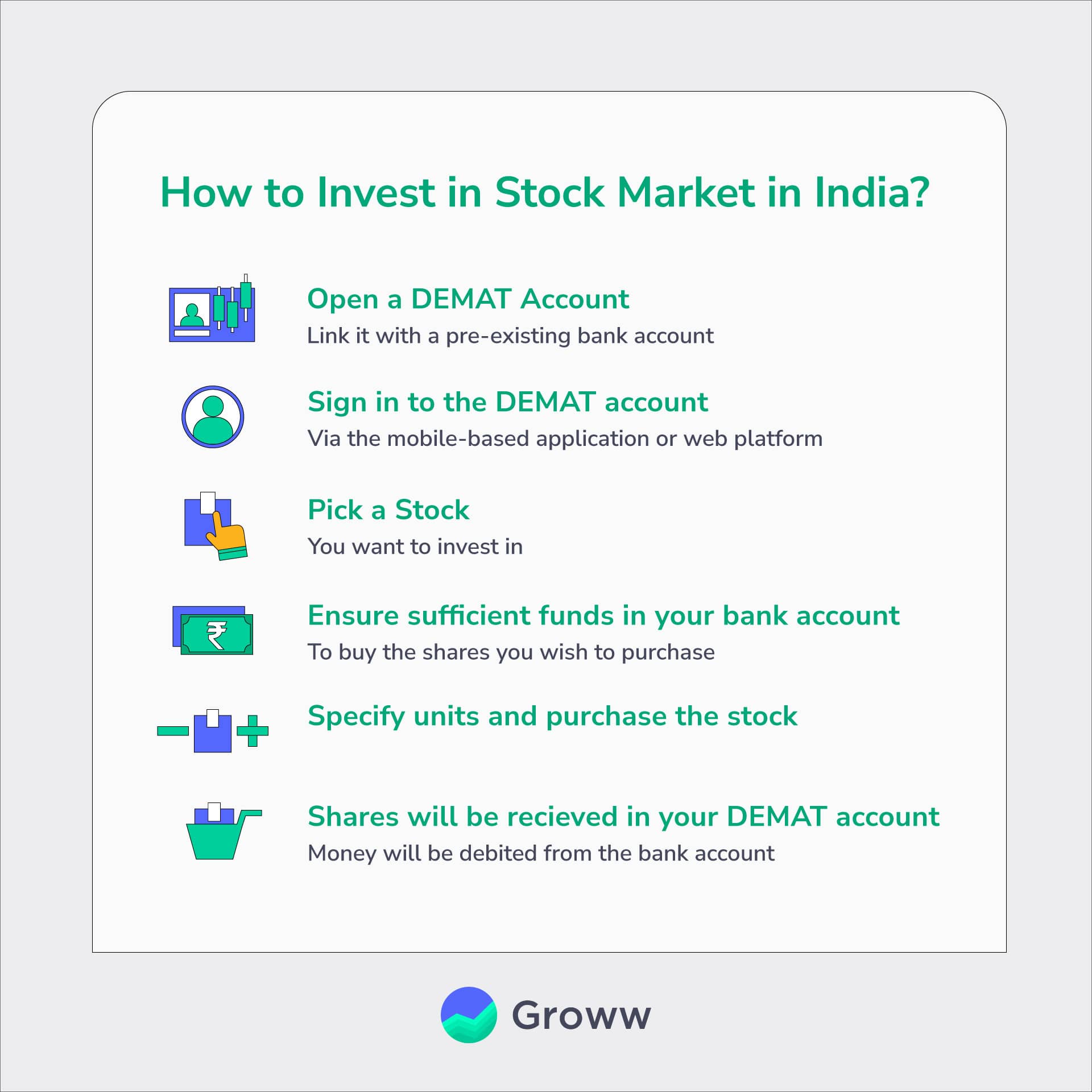
Before a single share can be purchased, an investor must establish a robust technical and financial foundation. The share bazar operates within a strictly regulated framework designed to protect investors and maintain market integrity.
Understanding the Demat and Trading Ecosystem
To participate in the market, two primary accounts are mandatory: the Trading Account and the Demat Account. The Trading Account acts as the interface where you place “buy” or “sell” orders. Once a transaction is completed, the shares need a place to reside in electronic form; this is where the Demat (Dematerialized) Account comes in. Think of the Trading Account as your gateway and the Demat Account as your digital vault. Selecting a broker—whether a traditional full-service broker or a modern discount broker—depends on your need for personalized advisory services versus low transaction costs.
The Role of Stock Exchanges and Regulators
In most markets, trading occurs through centralized exchanges, such as the National Stock Exchange (NSE) or the Bombay Stock Exchange (BSE) in India, or the NYSE in the United States. These platforms facilitate the price discovery of shares. Overseeing this entire ecosystem is a regulatory body (like SEBI in India or the SEC in the US). Understanding that the market is governed by stringent rules regarding disclosure and fair play provides the necessary confidence for new participants to commit their capital.
Defining Your Financial Objectives and Risk Appetite
Successful investing is never “one size fits all.” Before entering the bazar, you must quantify your goals. Are you investing for a retirement that is 30 years away, or are you looking to fund a child’s education in 10 years? Your time horizon directly dictates your risk tolerance. Generally, the longer your horizon, the more volatility you can withstand. Identifying whether you are a conservative investor seeking capital preservation or an aggressive investor seeking high growth is the most critical step in portfolio construction.
2. Fundamental Analysis: The Art of Selecting Quality Stocks
The difference between a “tip” and a “strategy” lies in analysis. To invest successfully, one must look beyond the ticker symbol and understand the underlying business. Fundamental analysis is the process of evaluating a company’s intrinsic value.
Decoding Financial Statements
Every public company is required to release quarterly and annual reports. Investors should focus on three primary documents:
- The Income Statement: This reveals revenue, expenses, and net profit. Consistent growth in the “top line” (revenue) and “bottom line” (profit) is a hallmark of a healthy company.
- The Balance Sheet: This provides a snapshot of assets and liabilities. A strong balance sheet typically features low debt levels and healthy cash reserves.
- The Cash Flow Statement: This is perhaps the most honest document, showing how much actual cash is entering and leaving the business, independent of accounting maneuvers.
Key Financial Ratios to Monitor
Ratios allow investors to compare companies of different sizes within the same industry. The Price-to-Earnings (P/E) Ratio helps determine if a stock is overvalued or undervalued relative to its earnings. The Debt-to-Equity Ratio indicates the company’s reliance on borrowed money. Furthermore, the Return on Equity (ROE) measures how effectively management is using shareholders’ capital to generate profit. A consistently high ROE often points toward a company with a strong competitive advantage.
Evaluating Management and Competitive Moat
A company is only as good as the people running it. Professional investors look for management teams with a track record of integrity and efficient capital allocation. Beyond management, one must look for a “moat”—a term popularized by Warren Buffett. A moat is a sustainable competitive advantage, such as a powerful brand, proprietary technology, or high barriers to entry, that protects a company from competitors and allows it to maintain high margins over time.
3. Strategic Approaches to Portfolio Construction
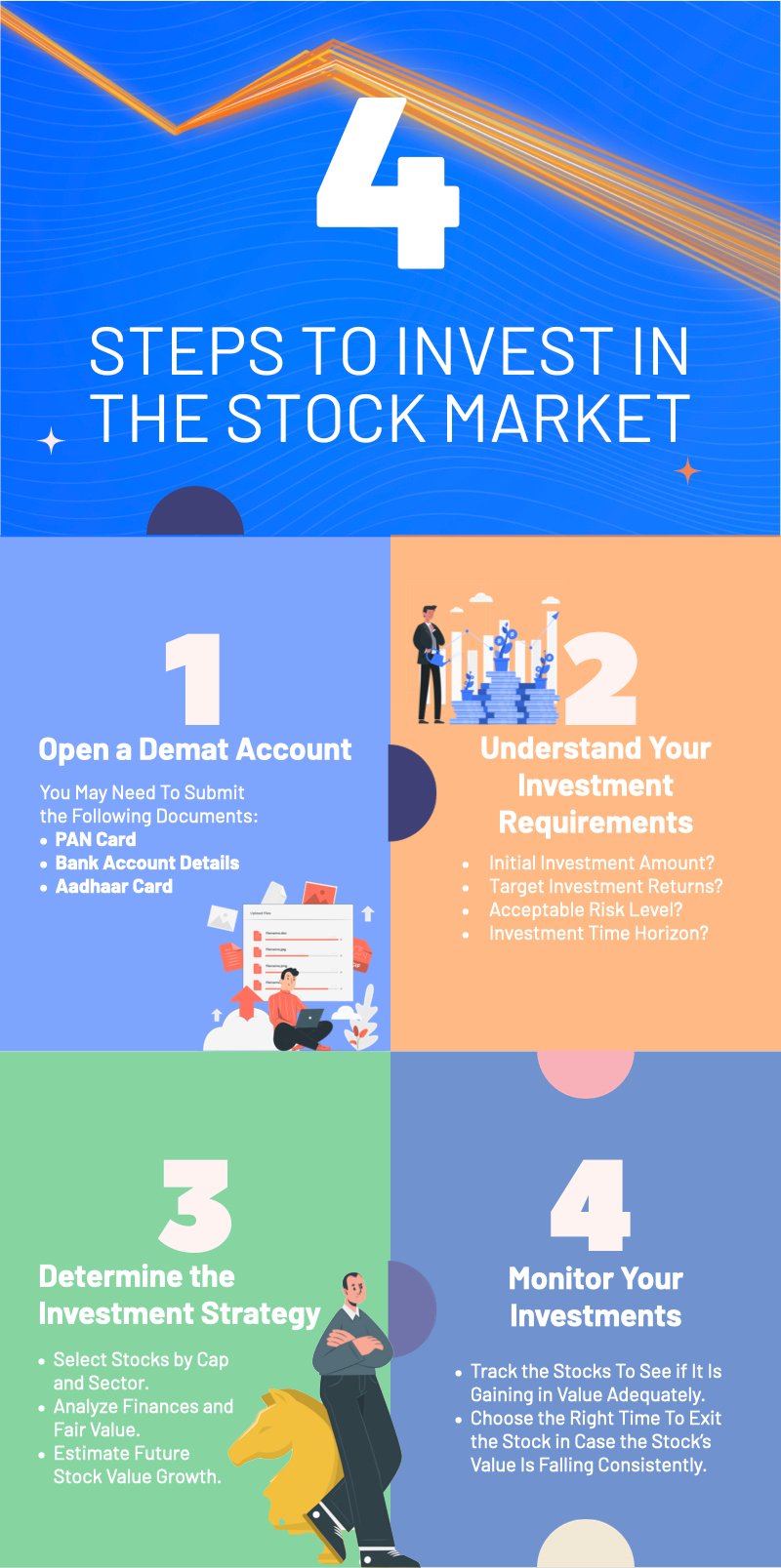
Once you understand how to pick stocks, the next step is determining how to manage them collectively. A portfolio is not just a collection of stocks; it is a structured engine designed to meet financial targets.
Value vs. Growth Investing
Investors generally fall into two camps. Value investors look for stocks that are trading for less than their intrinsic value—essentially “bargain hunting.” They buy out-of-favor companies and wait for the market to realize their true worth. Growth investors, on the other hand, focus on companies that are expected to grow at a rate significantly above the average for the market. While growth stocks often come with higher valuations and more volatility, they offer the potential for exponential capital appreciation.
The Power of Dividend Investing
For those seeking a steady stream of passive income, dividend investing is a core strategy. Some mature companies distribute a portion of their profits back to shareholders in the form of dividends. By reinvesting these dividends, investors can take advantage of “compounding”—where your earnings generate their own earnings. Over decades, the reinvestment of dividends can account for a massive portion of total investment returns.
Systematic Investment Plans (SIP) and Rupee Cost Averaging
The share bazar is notoriously difficult to time. Attempting to “buy at the bottom” often leads to missed opportunities. A more professional approach is the Systematic Investment Plan (SIP). By investing a fixed amount at regular intervals (monthly or quarterly), you practice “cost averaging.” You buy more shares when prices are low and fewer when prices are high. This removes the emotional stress of market timing and instills a sense of financial discipline.
4. Risk Management and the Psychology of Investing
In the share bazar, your greatest enemy is often not the market, but your own emotions. Risk management is the safety net that prevents a market downturn from becoming a financial catastrophe.
Diversification: The Only Free Lunch
The golden rule of investing is never to put all your eggs in one basket. Diversification involves spreading investments across different sectors (e.g., Banking, IT, Pharma, Energy) and asset classes. If one sector faces a downturn due to regulatory changes or economic shifts, the gains in another sector can offset those losses. A well-diversified portfolio reduces “unsystematic risk”—the risk associated with a specific company or industry.
Navigating Market Volatility and “Noise”
Markets are prone to short-term fluctuations driven by news cycles, geopolitical events, and investor sentiment. It is vital to distinguish between “signal” and “noise.” Noise consists of daily price movements and sensationalist headlines. The signal is the long-term economic reality of the companies you own. Professional investors develop the emotional fortitude to remain invested during market corrections, understanding that volatility is the price one pays for superior long-term returns.
Knowing When to Exit
An often-overlooked aspect of investing is the exit strategy. You should sell a stock not because the price has dropped, but because the “investment thesis” has changed. If a company’s management becomes unethical, if its competitive moat vanishes, or if you have reached your specific financial goal, it may be time to exit. Setting “stop-loss” levels or periodic rebalancing targets ensures that you lock in gains and minimize losses systematically rather than emotionally.
5. Continuous Learning in a Dynamic Financial Landscape
The share bazar is an evolving entity. Global markets are interconnected, and new financial instruments are constantly emerging. Staying informed is not an option; it is a requirement.
Utilizing Modern Financial Tools
In the digital age, investors have access to sophisticated screening tools and analytical software that were once reserved for institutional hedge funds. Use these tools to track earnings calendars, monitor institutional buying patterns, and screen for stocks based on specific financial criteria. However, remember that tools are aids for decision-making, not replacements for critical thinking.

The Importance of Long-Term Perspective
Historical data consistently shows that while the market can be a “voting machine” in the short term, influenced by popularity, it is a “weighing machine” in the long term, reflecting actual value. Wealth in the share bazar is rarely made overnight. It is the result of years of consistent saving, diligent research, and the courage to stay the course when others are panicking. By viewing yourself as a part-owner of businesses rather than a trader of ticker symbols, you position yourself for true financial success.
In conclusion, investing in the share bazar is a journey of continuous improvement. It requires a blend of technical knowledge, analytical rigor, and psychological discipline. By building a solid foundation, performing deep fundamental research, diversifying intelligently, and maintaining a long-term horizon, you can harness the power of the markets to secure your financial future. The bazar is open to everyone, but it only rewards those who approach it with the respect and preparation it deserves.
aViewFromTheCave is a participant in the Amazon Services LLC Associates Program, an affiliate advertising program designed to provide a means for sites to earn advertising fees by advertising and linking to Amazon.com. Amazon, the Amazon logo, AmazonSupply, and the AmazonSupply logo are trademarks of Amazon.com, Inc. or its affiliates. As an Amazon Associate we earn affiliate commissions from qualifying purchases.