
Navigating the modern financial landscape often feels like a digital-first endeavor, yet the physical check remains a cornerstone of commerce and personal finance. Whether you have received a tax refund, a payment from a freelance client, or a gift from a relative, holding a Bank of America check requires a clear understanding of your cashing options to maximize convenience and minimize fees. Because Bank of America is one of the largest financial institutions in the United States, its checks are widely recognized, but the “where” and “how” of turning that paper into liquid capital depends heavily on your own banking status and your proximity to specific financial hubs.
Understanding your options is not just about convenience; it is about protecting your bottom line. Check-cashing fees can vary from zero to a significant percentage of the check’s value. By strategically selecting your cashing point, you ensure that you retain the maximum amount of your hard-earned money.
Cashing at a Bank of America Financial Center
The most direct route to cashing a Bank of America check is to visit a Bank of America branch. In banking terminology, Bank of America is the “drawee bank”—the institution that holds the funds and is responsible for paying out the check.
For Existing Bank of America Customers
If you maintain an active checking or savings account with Bank of America, the process is seamless. You can visit any branch or use a Bank of America ATM with Check Deposit capabilities. For customers, there is no fee to cash a check drawn on a Bank of America account, provided your account is in good standing.
Furthermore, as a customer, you have the benefit of “immediate” or “next-day” availability depending on your account history and the amount of the check. Depositing the check through the mobile app is often the most efficient choice, though if you need the physical cash immediately, a teller transaction or an ATM withdrawal following a deposit is your best bet.
For Non-Customers
If you do not have an account with Bank of America, you can still cash a check issued by them at one of their branches, but it comes with specific requirements and costs. Bank of America, like many large national banks, typically charges a flat fee or a percentage of the check’s value for non-customers. As of current standards, this fee often hovers around $8 or a small percentage for checks over a certain amount (e.g., $50).
To cash a check as a non-customer, you must provide two forms of valid identification. One must be a primary government-issued photo ID, such as a driver’s license or passport. The second can often be a debit card from another bank or a recognized credit card. It is important to note that branches reserve the right to refuse cashing a check if they cannot verify the funds or if the check appears suspicious, regardless of the drawee status.
Utilizing Other Financial Institutions
You are not strictly limited to the bank named on the check. Most people choose to process checks through their own primary financial institutions, which offers a layer of security and usually eliminates immediate third-party fees.
Your Personal Bank or Credit Union
The most cost-effective way to handle a Bank of America check is to deposit it into your own bank account. Whether you bank with a local credit union or another national giant like Chase or Wells Fargo, your bank will accept a Bank of America check as a standard deposit.
The primary advantage here is the avoidance of check-cashing fees. However, the disadvantage is the “hold” period. Under Regulation CC of the Federal Reserve, banks are allowed to place holds on deposited funds to ensure the check clears the issuing bank. While the first $225 is often available the next business day, the remainder might take two to five business days to become fully available for withdrawal.
Mobile Deposit Technology
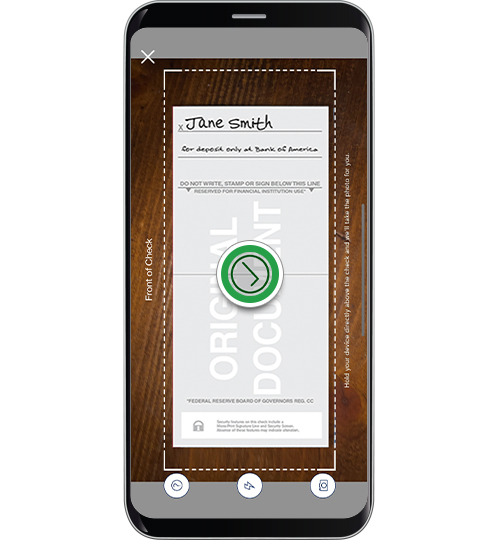
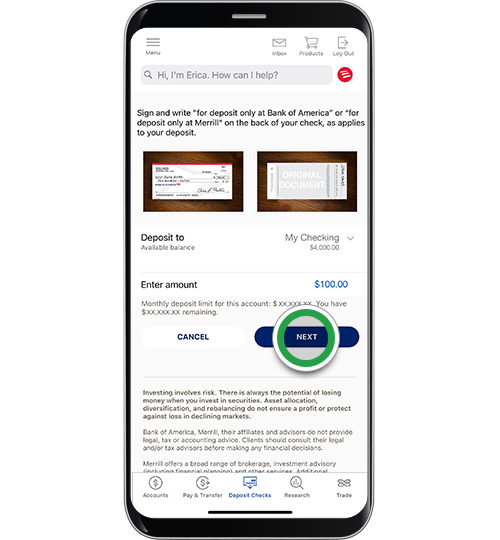
In the contemporary fintech era, you likely do not need to visit a physical building at all. Most banking apps allow for mobile image capture. By endorsing the back of the check—often with the specific phrase “For Mobile Deposit Only at [Your Bank]”—you can transmit the check data instantly. This is the preferred method for those who prioritize time and do not need physical currency in their pocket within the hour.
Retailers and Check-Cashing Outlets
For individuals who do not have a traditional bank account (the “unbanked” or “underbanked” population) or those who need cash outside of standard banking hours, retail locations provide a vital service.
Major National Retailers
Retail giants like Walmart and various grocery chains (such as Kroger, Publix, or H-E-B) offer robust money services desks. These locations are often open later than banks and on weekends, providing a level of accessibility that traditional branches cannot match.
Walmart, for example, has a structured fee scale for cashing “pre-printed” checks, which includes Bank of America payroll or government checks. They generally charge a flat fee for checks up to $1,000 and a slightly higher fee for checks between $1,000 and $5,000. While they do cash personal checks in some instances, they are much more likely to honor payroll or government-issued checks due to lower fraud risks.
Dedicated Check-Cashing Stores
Businesses such as Amscot, MoneyMart, or ACE Cash Express specialize in immediate liquidity. The benefit of these establishments is speed and high approval rates. They are experts at verifying Bank of America checks quickly.
The significant downside, however, is the cost. These stores typically charge a percentage of the check’s total value, which can range from 1% to 5% or more depending on the type of check and state regulations. For a $2,000 payroll check, a 3% fee results in $60 lost to the service provider. From a personal finance perspective, this should be considered a last resort, as the cumulative cost of these fees over time can significantly erode one’s annual income.
Digital Apps and Prepaid Card Solutions
The rise of financial technology has introduced a fourth category: digital wallets and prepaid card apps that allow you to “load” a check directly onto a digital balance.
PayPal and Venmo
Both PayPal and Venmo have introduced “Cash a Check” features within their mobile applications. This service is often powered by First Century Bank and Ingo Money. You simply take a photo of the Bank of America check within the app.
You usually have two choices for delivery:
-
Money in Minutes: You pay a fee (usually around 1% for payroll/government checks and 5% for personal checks, with a minimum fee around $5) to have the funds available in your digital wallet within minutes.
-
Money in 10 Days: If you can afford to wait, the fee is often waived, and the funds are credited to your account after 10 days if the check is not returned unpaid.
Prepaid Debit Cards
Services like Netspend or Bluebird by American Express allow users to deposit checks via mobile apps directly onto a prepaid debit card. This is an excellent middle-ground for those who want the functionality of a debit card for online shopping or bill pay without the requirements of a traditional checking account. Like PayPal, these services often utilize a third-party processor that charges a fee for “instant” access.
Best Practices for Cashing Your Check
Regardless of where you choose to cash your Bank of America check, following financial best practices will ensure the transaction is successful and your funds are secure.
Proper Endorsement
A check is a legal contract, and your endorsement is your signature on that contract. Do not sign the back of the check until you are physically at the location where you intend to cash it. If you sign a check and then lose it, it becomes a “bearer instrument,” meaning anyone who finds it could theoretically attempt to cash it. If you are depositing via a mobile app, ensure you follow the app’s specific instructions regarding endorsement to avoid the deposit being rejected.
Verifying Funds and Preventing Fraud
If you are cashing a large personal check from an individual, be aware that even if a check-cashing service gives you the cash, you are ultimately responsible if the check bounces later. If you have any doubts about the legitimacy of the check, cashing it at a Bank of America branch is the safest route. They can verify the real-time balance of the account holder before handing over the cash, which protects you from potential legal or financial complications.

Minimizing Fee Impact
In the realm of personal finance, every dollar counts. If you find yourself frequently paying fees to cash checks, it may be time to explore “second chance” checking accounts or credit union accounts that have lower barriers to entry. Many fintech banks like Chime or Ally offer no-fee accounts with mobile deposit features that can save you hundreds of dollars in check-cashing fees annually.
By understanding the landscape—from the drawee bank’s own branches to the convenience of retail centers and the innovation of fintech apps—you can make an informed decision that suits your immediate need for liquidity while respecting your long-term financial health. Whether you prioritize speed, cost, or convenience, there is a solution available for every Bank of America check you hold.
aViewFromTheCave is a participant in the Amazon Services LLC Associates Program, an affiliate advertising program designed to provide a means for sites to earn advertising fees by advertising and linking to Amazon.com. Amazon, the Amazon logo, AmazonSupply, and the AmazonSupply logo are trademarks of Amazon.com, Inc. or its affiliates. As an Amazon Associate we earn affiliate commissions from qualifying purchases.