
For decades, Apple Inc. has stood as a titan of the global economy, evolving from a niche computer manufacturer into one of the most valuable publicly traded companies in history. For investors, “Apple stock”—known by its ticker symbol AAPL—represents more than just a share in a technology company; it is often viewed as a cornerstone of modern equity portfolios, a bellwether for the consumer electronics market, and a masterclass in capital allocation.
To understand what Apple stock is, one must look beyond the ubiquity of the iPhone. It is an asset characterized by massive cash flows, aggressive shareholder return programs, and a transition from a hardware-centric business model to a high-margin services ecosystem. This guide explores the financial mechanics of AAPL, its historical performance, and the factors that continue to drive its valuation in the modern marketplace.
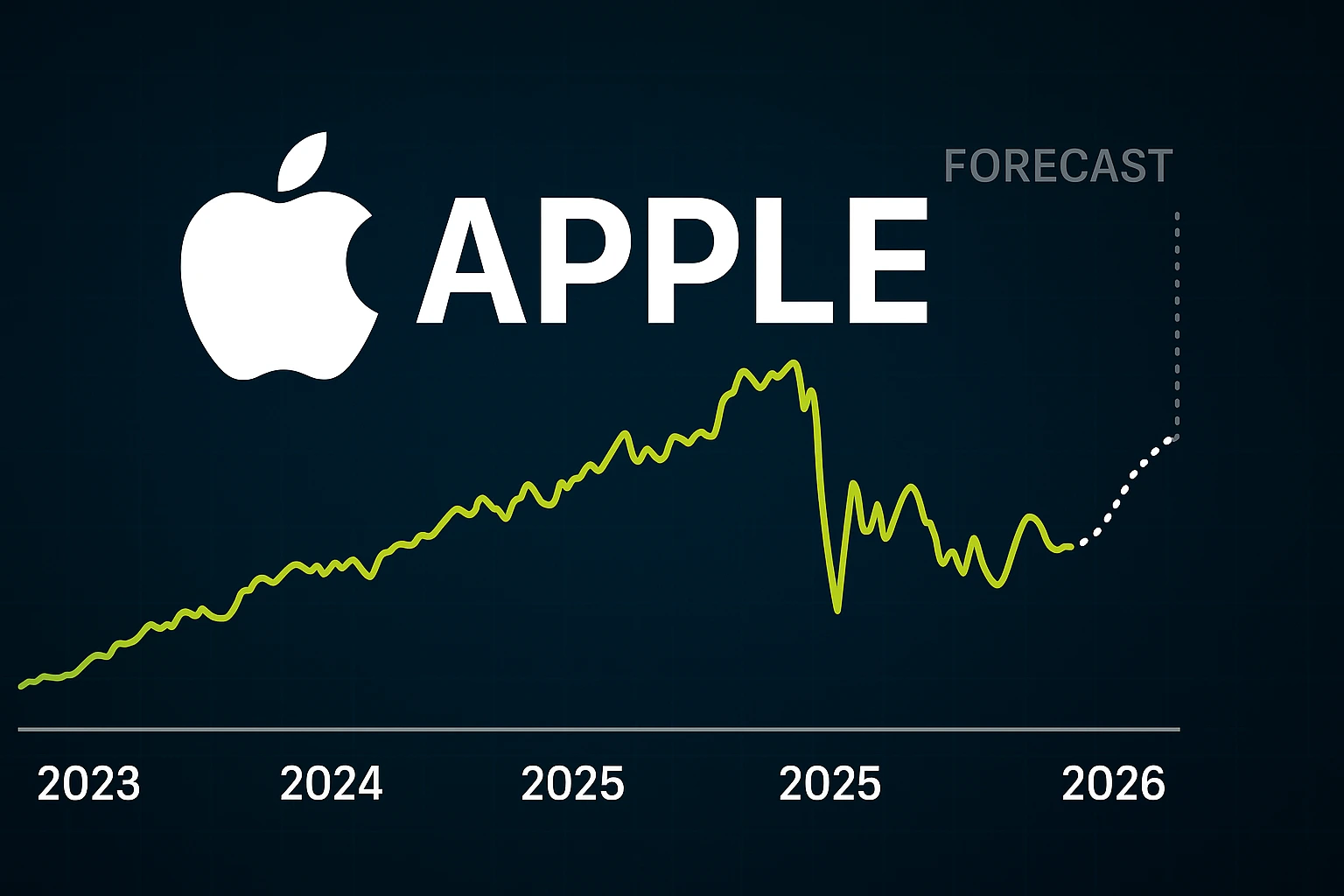
Understanding Apple Inc. (AAPL) as a Financial Asset
Apple Inc. trades on the NASDAQ Global Select Market under the ticker symbol AAPL. As a constituent of the “Magnificent Seven”—a group of high-performing tech stocks that include Microsoft, Alphabet, and Nvidia—Apple frequently holds the title of the world’s most valuable company by market capitalization.
The Ticker Symbol and Market Exchanges
When an investor asks “what is the stock for Apple,” they are referring to common equity that grants them partial ownership of the Cupertino-based giant. Since its initial public offering (IPO) on December 12, 1980, Apple has undergone multiple stock splits (most recently a 4-for-1 split in 2020) to keep share prices accessible to individual investors. These splits do not change the underlying value of the company but increase the liquidity of the shares, making it easier for retail participants to buy and sell.
Market Capitalization and Benchmark Status
Apple’s market capitalization—the total market value of all outstanding shares—consistently hovers in the trillions of dollars. Because of its sheer size, AAPL exerts a massive influence on major stock indices. It is a primary component of the S&P 500, the Dow Jones Industrial Average, and the Nasdaq-100. Consequently, even investors who do not own AAPL directly likely have exposure to it through index funds and retirement accounts. When Apple moves, the broader market often follows.
The Core Drivers of Apple’s Stock Value
The valuation of Apple stock is not merely a reflection of past success but a projection of its future earning potential. Investors value the company based on three primary pillars: its hardware ecosystem, its growing services segment, and its dominance in emerging technologies like Artificial Intelligence (AI).
The Ecosystem Effect and Hardware Sales
The iPhone remains the primary engine of Apple’s revenue, often accounting for more than half of the company’s total sales. However, from an investment perspective, the iPhone is valuable because it acts as the “gateway” to the Apple ecosystem. Once a consumer enters the ecosystem via an iPhone, Mac, or iPad, they are highly likely to purchase peripheral hardware like the Apple Watch or AirPods. This “sticky” consumer behavior creates a moat—a competitive advantage that protects the company’s market share and ensures a steady stream of hardware upgrades.
The Pivot to Services and Recurring Revenue
Perhaps the most significant transformation in Apple’s financial profile over the last decade has been the growth of its Services segment. This includes the App Store, iCloud, Apple Music, Apple Pay, and Apple TV+.
For investors, the Services division is a “holy grail.” Unlike hardware, which requires physical manufacturing and logistics, software services have incredibly high profit margins. Furthermore, services generate recurring revenue. Instead of waiting for a customer to buy a new phone every three years, Apple earns monthly subscription fees. This shift has led to a “multiple expansion” for the stock, meaning investors are willing to pay more for every dollar of Apple’s earnings because those earnings are now more predictable and profitable.
Research and Development: The AI and Spatial Computing Frontier
The future of AAPL stock is increasingly tied to its ability to innovate. With the introduction of “Apple Intelligence” and the Vision Pro headset, the company is positioning itself at the intersection of AI and spatial computing. Investors watch these developments closely; if Apple can successfully integrate AI into its hardware in a way that encourages a new “super-cycle” of device upgrades, the stock’s growth trajectory could accelerate significantly.
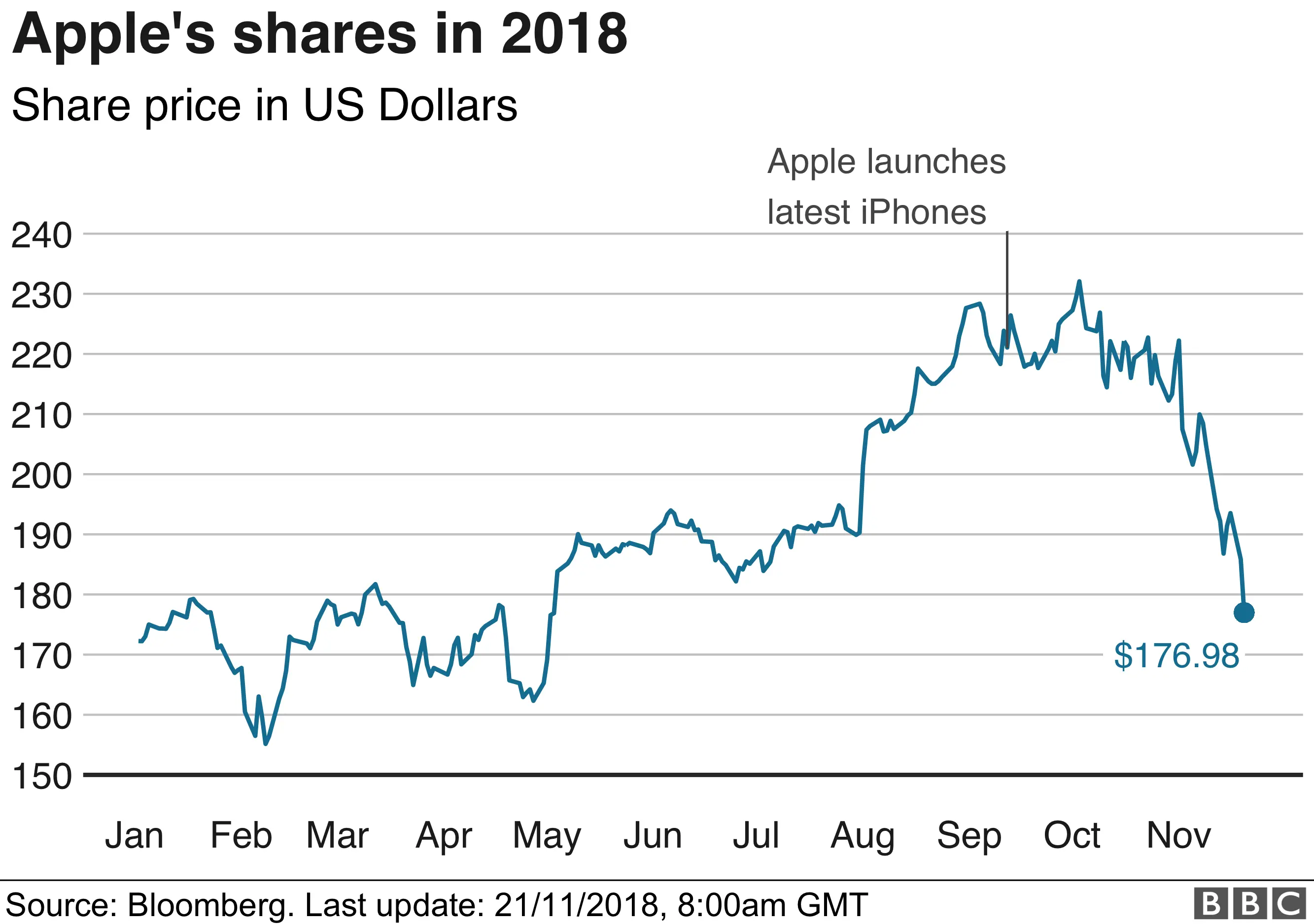
Financial Performance and Shareholder Returns
One of the primary reasons Apple is a favorite among institutional investors, including Warren Buffett’s Berkshire Hathaway, is its fortress-like balance sheet and its commitment to returning capital to shareholders.
Dividend Yield and Consistency
While Apple is often categorized as a growth stock, it also functions as a dividend-paying value stock. Apple reinstated its dividend in 2012 and has increased it annually ever since. While the dividend yield (the annual dividend payment divided by the stock price) may seem modest compared to utility stocks, the absolute dollar amount Apple pays out is one of the largest in the corporate world. For long-term investors, these dividends provide a yield-on-cost that grows over time.
Share Buyback Programs: Managing Equity Value
Apple is the undisputed king of share buybacks. The company uses its massive cash reserves to buy its own shares back from the open market and retire them. This reduces the total number of shares outstanding, which in turn increases the Earnings Per Share (EPS) for the remaining shareholders. Since the inception of its capital return program, Apple has spent hundreds of billions of dollars on buybacks, a move that provides a “floor” for the stock price and signals management’s confidence in the company’s intrinsic value.
Analyzing Key Valuation Metrics
Investors typically evaluate AAPL using the Price-to-Earnings (P/E) ratio. Historically, Apple traded at a discount to other tech firms because it was viewed as a hardware company. Today, its P/E ratio often reflects its status as a premium brand and service provider. Analysts also look at the “Free Cash Flow”—the cash left over after the company pays for its operating expenses and capital expenditures—as a primary indicator of the stock’s health.
Risks and Market Volatility Factors
No investment is without risk, and Apple stock faces unique challenges that can lead to price volatility. Understanding these risks is essential for any disciplined investor.
Supply Chain Dependencies and Geopolitical Pressures
Apple’s manufacturing base is heavily concentrated in China. While the company has begun diversifying its supply chain into India and Vietnam, any geopolitical tension between the U.S. and China can negatively impact AAPL’s stock price. Tariffs, labor issues, or manufacturing shutdowns in key regions directly affect Apple’s ability to meet global demand for its products.
Regulatory Scrutiny and Antitrust Concerns
Apple’s “walled garden” approach—specifically the App Store’s commission structure—has made it a target for regulators in the European Union and the United States. Antitrust lawsuits and new regulations (such as the Digital Markets Act in the EU) threaten to chip away at Apple’s high-margin services revenue. If Apple is forced to allow third-party app stores or reduce its commissions, it could impact the long-term growth projections that are currently baked into the stock price.
How to Invest in Apple Stock
For those looking to gain exposure to Apple, there are several financial vehicles available depending on one’s risk tolerance and investment horizon.
Direct Stock Ownership vs. ETFs
The most straightforward way to own Apple is to buy shares directly through a brokerage account. This allows the investor to benefit fully from price appreciation and receive direct dividend payments. However, for those who prefer a more diversified approach, Apple is a top holding in many Exchange-Traded Funds (ETFs). Tech-heavy ETFs like the QQQ (Invesco QQQ Trust) or broad market funds like VTI (Vanguard Total Stock Market ETF) provide significant exposure to Apple while spreading risk across other companies.
Long-term Growth vs. Short-term Trading
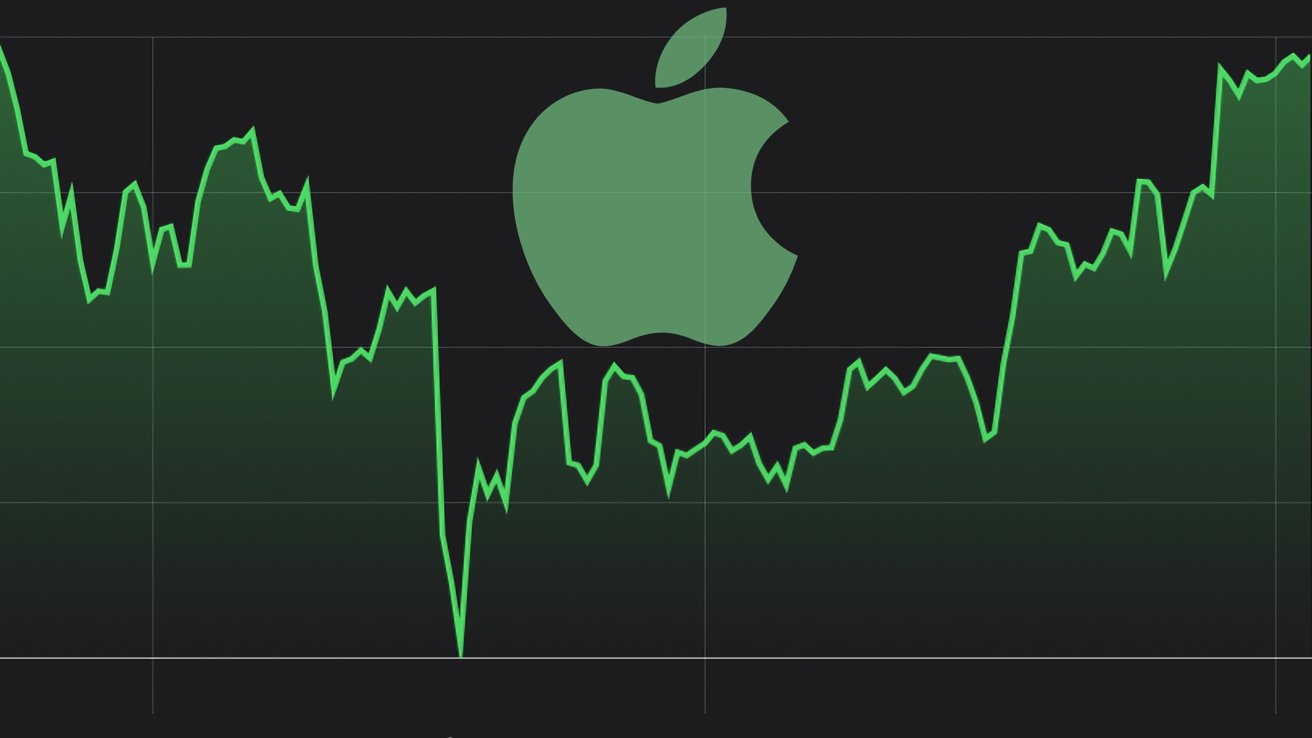
Because of its high liquidity and volatility during earnings season, AAPL is a favorite for day traders and options traders. However, the historical data suggests that the greatest wealth has been created by those who view Apple as a long-term compounder. The “buy and hold” strategy has historically rewarded investors who looked past quarterly fluctuations and focused on the company’s ability to dominate the premium consumer market and expand its digital services.
In conclusion, “the stock for Apple” is a multifaceted financial instrument. It is a play on consumer discretionary spending, a stake in the future of software services, and a hedge backed by one of the most robust balance sheets in corporate history. Whether viewed as a growth engine or a defensive staple, AAPL remains a fundamental piece of the global financial puzzle, requiring investors to balance the company’s undeniable strengths against the evolving landscape of global regulation and technological shifts.
aViewFromTheCave is a participant in the Amazon Services LLC Associates Program, an affiliate advertising program designed to provide a means for sites to earn advertising fees by advertising and linking to Amazon.com. Amazon, the Amazon logo, AmazonSupply, and the AmazonSupply logo are trademarks of Amazon.com, Inc. or its affiliates. As an Amazon Associate we earn affiliate commissions from qualifying purchases.