
For centuries, silver has occupied a unique position in the global financial landscape. Often overshadowed by gold, silver—frequently referred to as “the poor man’s gold”—is a versatile asset that functions simultaneously as a precious metal and an essential industrial commodity. Whether you are looking to hedge against inflation, diversify your investment portfolio, or prepare for economic volatility, knowing where and how to buy silver is a foundational skill in personal finance.
In the modern era, the avenues for acquiring silver have expanded beyond the dusty shelves of local coin shops to include sophisticated digital platforms, global bullion dealers, and specialized exchange-traded funds (ETFs). This guide explores the most reputable sources for purchasing silver, the different forms the metal takes, and the strategic considerations every investor must weigh before making a purchase.

Understanding Your Silver Investment Options
Before identifying the specific venues for purchase, it is critical to determine which form of silver aligns with your financial goals. Not all silver is created equal, and the “where” often depends on the “what.”
Physical Bullion: Bars and Rounds
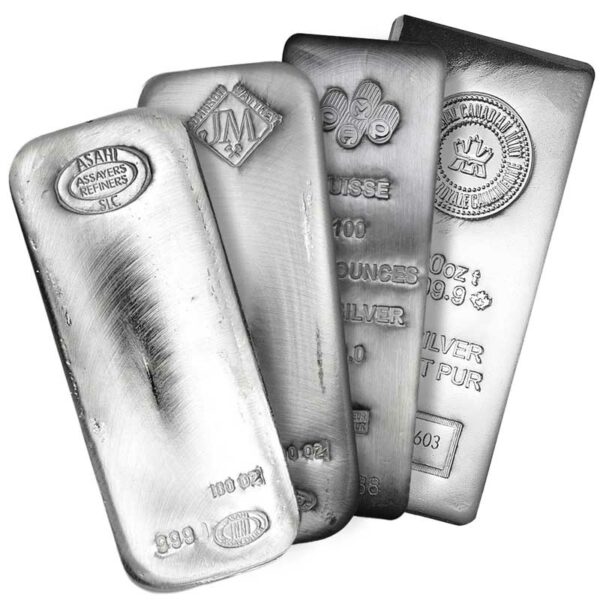
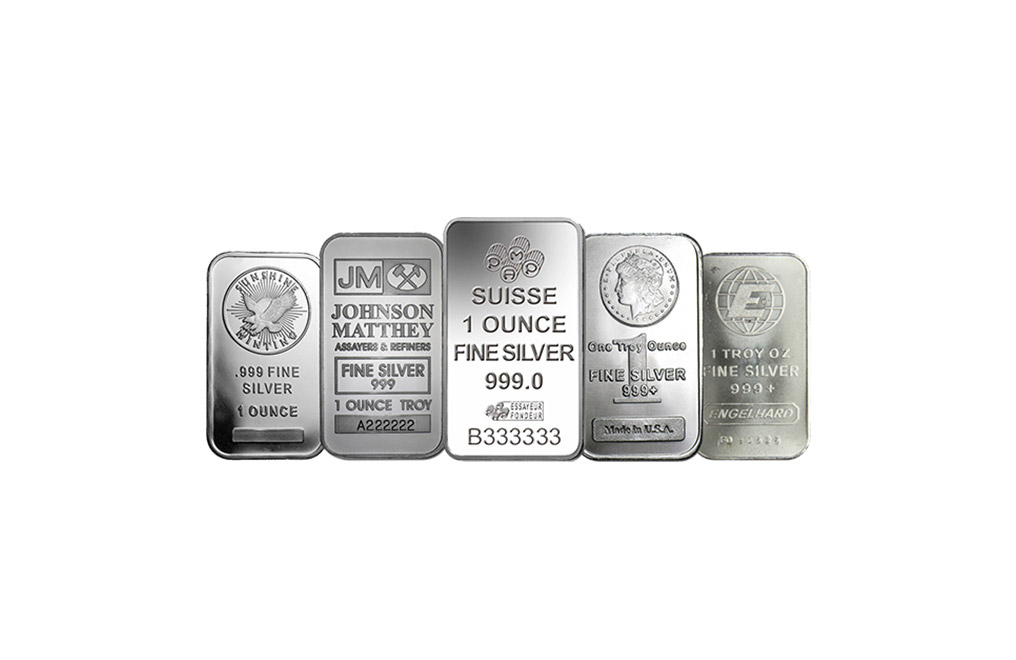
Physical bullion is the most direct way to own silver. It typically comes in the form of bars or rounds (coin-shaped pieces that are not legal tender). Bars range in size from 1 ounce to 1,000 ounces. For most retail investors, 10-ounce and 100-ounce bars offer the best balance between lower premiums and manageable storage. Rounds are popular for those who prefer the shape of coins but do not want to pay the higher premiums associated with government-minted currency.
Sovereign Mint Coins
These are silver coins produced by government mints, such as the American Silver Eagle, the Canadian Silver Maple Leaf, or the Austrian Philharmoniker. These coins carry a face value and are legal tender in their respective countries. The primary advantage of sovereign coins is their high recognizability and liquidity; they are easily traded and harder to counterfeit. However, they carry higher “premiums” (the cost above the market spot price) due to the costs of minting and their status as official currency.
Paper Silver: ETFs and Mining Stocks
For investors who want exposure to silver price movements without the logistical burden of storage and insurance, “paper silver” is an attractive alternative. Silver ETFs, such as the iShares Silver Trust (SLV) or the Sprott Physical Silver Trust (PSLV), allow you to buy shares that track the price of silver. Additionally, investing in silver mining companies—such as Pan American Silver or First Majestic Silver—provides a way to leverage the silver price, as these companies’ profits often grow exponentially when the price of the metal rises.
Best Places to Buy Physical Silver
Once you have decided on the form of silver you want, the next step is choosing a reputable vendor. The silver market is unfortunately prone to scams, so selecting an established dealer is paramount.
Reputable Online Dealers
In the digital age, large online bullion dealers have become the primary source for silver investors. Companies like APMEX, JM Bullion, and SD Bullion dominate the North American market. These dealers offer several advantages:
- Volume and Variety: They stock everything from common bars to rare collectible coins.
- Transparent Pricing: Most online dealers update their prices every few minutes based on the current global spot price.
- Insured Shipping: Professional dealers use discreet, fully insured packaging to ensure your investment arrives safely.
- Buyback Programs: Most major online dealers offer a guaranteed buyback price, providing an easy exit strategy when you are ready to sell.
Local Coin Shops (LCS)
Purchasing from a local coin shop is the traditional method of buying silver. While their inventory may be smaller than that of a national online dealer, they offer unique benefits:
- Immediate Possession: There is no waiting for shipping or concerns about delivery logistics; you pay cash and take your silver home the same day.
- Anonymity: In many jurisdictions, small cash purchases do not require the same level of reporting as digital transactions, providing a layer of privacy.
- Expert Advice: Establishing a relationship with a local dealer can provide you with insights into the local market and first pick of new arrivals.
Government Mints and Authorized Purchasers
While some mints, like the United States Mint, sell directly to the public, they often focus on “proof” or “collectible” versions of their coins which carry very high premiums. For standard “brilliant uncirculated” (BU) investment coins, government mints usually sell to a network of authorized purchasers. However, some international mints, such as the Royal Mint (UK) or the Perth Mint (Australia), have robust online platforms where investors can buy silver directly from the source.
Where to Invest in Silver Digitally
If you prefer the liquidity of the stock market or the convenience of a smartphone app, several financial platforms facilitate silver ownership without the need for a home safe.
Stock Brokerages for Silver ETFs and CEFs
Any major brokerage account (such as Fidelity, Charles Schwab, or Vanguard) gives you access to the silver market via ETFs and Closed-End Funds (CEFs). When choosing where to buy these, consider the underlying structure. The Sprott Physical Silver Trust (PSLV), for instance, is highly regarded by silver “purists” because it is a closed-end fund that holds fully allocated physical silver in a secure vault in Canada, offering a more direct link to the metal than some leveraged ETFs.
Vaulted Silver Services
A middle ground between physical possession and paper silver is “vaulted silver.” Platforms like BullionVault, Goldmoney, and OneGold allow you to buy physical silver that is stored in professional, high-security vaults (often in London, Zurich, or Singapore) in your name.
- Fractional Ownership: These services allow you to buy silver in very small increments (e.g., $10 worth), which is difficult to do with physical bars.
- Lower Premiums: Because you are buying a portion of a 1,000-ounce professional bar stored in a vault, the premiums are significantly lower than buying 1-ounce coins.
- 24/7 Trading: You can buy or sell your silver at any time via an app, mirroring the experience of trading stocks.
Crucial Factors to Consider Before Purchasing
Success in silver investing isn’t just about where you buy, but how you evaluate the transaction. To maximize your return on investment, you must understand the hidden costs and logistical requirements.
Spot Price vs. Premium
The most important concept in silver buying is the “premium over spot.” The spot price is the current market price for one ounce of raw silver on the commodities exchange. Dealers add a premium to this price to cover their overhead, fabrication costs, and profit margin.
- Efficiency Tip: To get the most silver for your dollar, look for the lowest premium. Generally, 100-ounce bars have the lowest premiums, while 1-ounce sovereign coins have the highest. Always compare the “total price per ounce” across different vendors.
Storage and Insurance Solutions
If you choose physical silver, you must decide where to keep it.
- Home Storage: Provides the highest level of control but requires a high-quality, fireproof safe bolted to the floor. You should also check if your homeowner’s insurance covers precious metals; often, it requires an additional “rider” or “floater” policy.
- Bank Safe Deposit Boxes: While secure, they are not insured by the bank or the FDIC, and access is limited to bank hours.
- Professional Depositories: For large holdings, using a professional depository (like Brinks or Delaware Depository) offers maximum security and third-party insurance, though it carries a monthly or annual storage fee.
Liquidity and Resale Value
An investment is only as good as your ability to exit it. When buying silver, consider how easy it will be to sell in the future. Highly recognizable items—like American Eagles or 10-ounce Sunshine Mint bars—are extremely liquid and can be sold to almost any dealer in the world. Conversely, obscure “art bars” or highly specialized numismatic (collectible) coins may be harder to sell and may not fetch a price that justifies their high initial cost.
Summary: Building a Silver Strategy
Investing in silver is a marathon, not a sprint. The “where” of your purchase should be dictated by your specific financial strategy. If you are a “prepper” or a privacy-conscious investor, local coin shops and physical possession are your best routes. If you are a swing trader looking to capitalize on price fluctuations, a silver ETF through a standard brokerage is the most efficient tool. For the long-term wealth builder, a mix of physical silver from reputable online dealers and vaulted silver for liquidity provides a balanced approach.
By focusing on reputable dealers, minimizing premiums, and ensuring secure storage, you can effectively use silver to protect your purchasing power and diversify your wealth in an increasingly uncertain financial world. Keep a close eye on the “Gold-to-Silver Ratio” to time your entries, and always perform due diligence on any dealer before sending funds. In the world of precious metals, patience and verification are the keys to long-term profitability.
aViewFromTheCave is a participant in the Amazon Services LLC Associates Program, an affiliate advertising program designed to provide a means for sites to earn advertising fees by advertising and linking to Amazon.com. Amazon, the Amazon logo, AmazonSupply, and the AmazonSupply logo are trademarks of Amazon.com, Inc. or its affiliates. As an Amazon Associate we earn affiliate commissions from qualifying purchases.