
Upgrading or replacing your vehicle’s rims is often more than just an aesthetic choice; it’s a significant financial decision that impacts your personal budget, vehicle value, and long-term costs. When searching for “where to buy rims near me,” understanding the underlying financial implications and strategic purchasing options can save you money, time, and future headaches. This guide delves into the economic considerations of acquiring new rims, helping you make an informed financial choice that aligns with your budget and financial goals.
Budgeting for Your Wheel Upgrade: Understanding the True Cost
Before you even begin to scout locations for rims, a clear financial blueprint is paramount. The sticker price of the rims themselves is only one component of the total cost. A comprehensive budget will account for all associated expenses, ensuring no financial surprises.
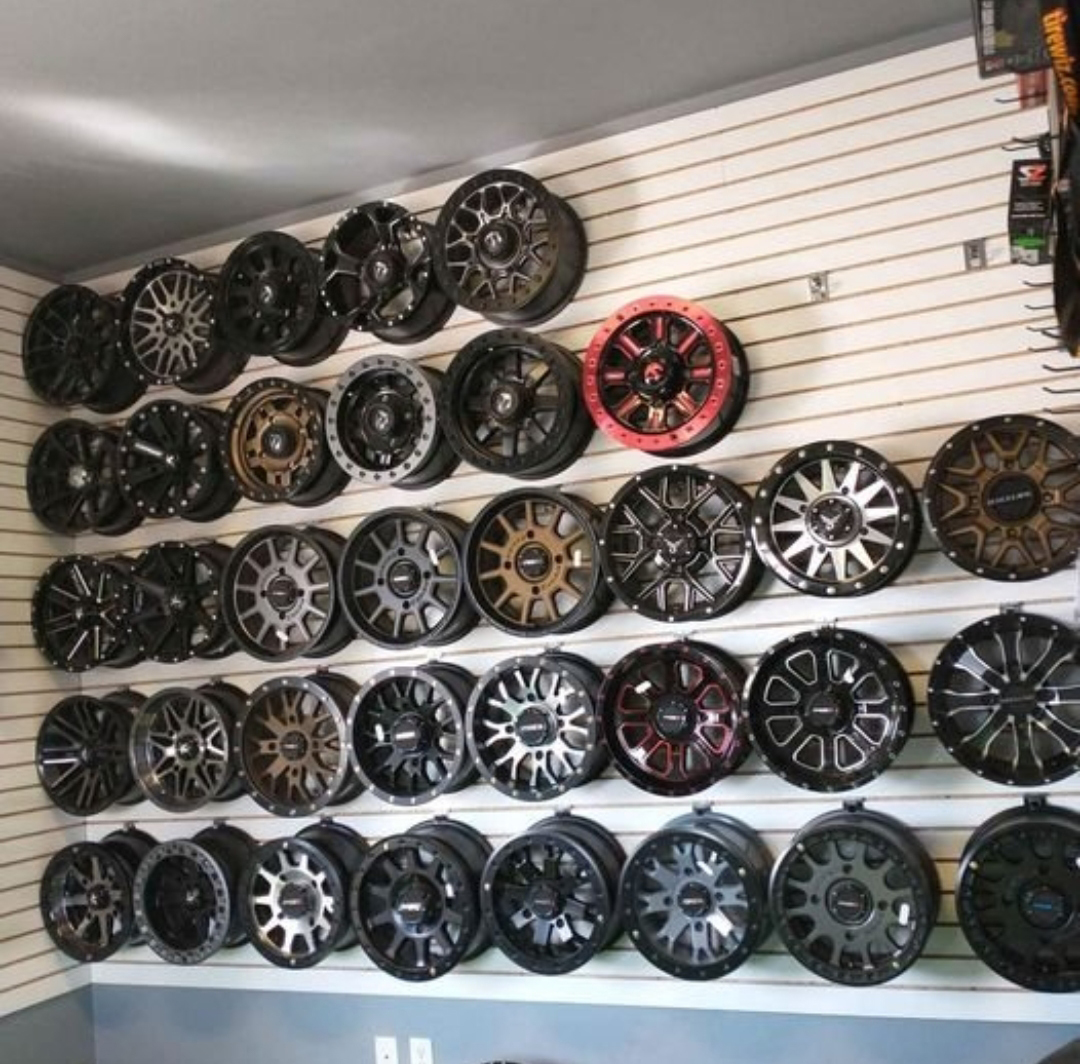
The Components of Your Rim Budget
- The Rims Themselves: Prices vary dramatically based on material (steel, alloy, forged), brand, design, size, and finish. Aftermarket rims can range from a few hundred dollars per wheel to several thousand for high-performance or bespoke options.
- Tires: Often, new rims necessitate new tires, especially if you’re changing the wheel diameter significantly or moving to a different tire type (e.g., performance vs. all-season). Factor in the cost of four new tires, which can easily exceed the cost of the rims themselves.
- Mounting and Balancing: This is the labor cost involved in correctly fitting the tires onto the rims and ensuring the wheel assembly is perfectly balanced for smooth driving and even tire wear. Shops typically charge per wheel.
- Tire Pressure Monitoring System (TPMS) Sensors: Modern vehicles are equipped with TPMS. If your new rims don’t come with pre-installed sensors, or if your old sensors aren’t compatible/transferable, you’ll need to purchase new ones and have them programmed. This is a critical safety and compliance item.
- Lug Nuts/Bolts: While sometimes reusable, aftermarket rims may require specific lug nuts or bolts to ensure proper fitment and safety. These are a relatively small cost but often overlooked.
- Installation Labor: Beyond mounting and balancing, the shop will charge for removing your old wheel/tire assemblies and installing the new ones on your vehicle.
- Alignment: Any time wheels are removed or replaced, it’s highly recommended to get a wheel alignment. This prevents premature tire wear and ensures proper vehicle handling, safeguarding your investment in both rims and tires.
- Disposal Fees: Some shops charge a small fee for disposing of your old tires and/or rims.
By detailing each of these potential costs, you can establish a realistic budget, preventing overspending and ensuring you allocate sufficient funds for the entire project. Consider setting aside an additional 10-15% of your estimated budget as a contingency fund for unforeseen expenses.
Navigating Purchase Avenues: Local Shops vs. Online Retailers
Your choice of where to buy rims “near me” isn’t limited to just physical proximity; it also involves weighing the financial benefits and drawbacks of local brick-and-mortar stores against online marketplaces. Each option presents distinct financial advantages and disadvantages that warrant careful consideration.
Local Brick-and-Mortar Shops: The “Near Me” Advantage
Financial Advantages:
- Immediate Availability: For urgent replacements or upgrades, local shops offer the quickest turnaround, minimizing potential downtime for your vehicle.
- Expert Consultation: Sales associates can provide personalized advice on fitment, style, and performance, potentially saving you from costly mistakes in incompatible purchases. This hands-on guidance can be invaluable, especially for first-time buyers.
- Bundled Deals & Installation: Many local tire and wheel shops offer package deals that include rims, tires, mounting, balancing, and installation, often at a discounted rate compared to buying each component separately. This streamlines the purchase and can offer overall savings.
- Warranty & Returns: Handling returns or warranty claims is often simpler and more direct with a local vendor. You have a physical location to visit, which can reduce shipping costs and expedite resolutions.
- Support Local Economy: Investing in local businesses keeps money circulating within your community, which can have indirect financial benefits for everyone.
Financial Disadvantages:
- Higher Overhead Costs: Local shops typically have higher operating expenses (rent, utilities, staff) than online retailers, which can translate to higher retail prices for rims.
- Limited Inventory: Physical stores have finite space, meaning their selection of brands, styles, and sizes may be more restricted compared to vast online catalogs. This might force you to compromise on your ideal choice or pay a premium for a special order.
- Sales Tax: Purchases from local shops are subject to local sales tax, which adds to the total cost.
Online Retailers: Global Inventory, Local Delivery
Financial Advantages:
- Competitive Pricing: Online stores often have lower overheads and can leverage economies of scale, leading to more aggressive pricing and frequent sales. You can easily compare prices across multiple retailers to find the best deal.
- Vast Selection: The internet offers an unparalleled variety of rims from thousands of manufacturers, allowing you to find precisely what you’re looking for, often including niche or hard-to-find options.
- No Sales Tax (Sometimes): Depending on the retailer’s physical presence and your state’s tax laws, you might avoid sales tax on online purchases, providing significant savings on larger expenditures.
- Customer Reviews & Ratings: Access to a broad range of user reviews can provide insights into product quality, durability, and customer satisfaction, helping you make a more informed decision and avoid potentially problematic products.
Financial Disadvantages:
- Shipping Costs: While some retailers offer free shipping, for larger items like rims, shipping can be substantial, especially for expedited delivery. Factor this into your total cost.
- No Physical Inspection: You cannot physically inspect the rims before purchasing, relying solely on images and descriptions. This can lead to disappointment if the product doesn’t meet expectations upon arrival.
- Installation Logistics: After receiving your rims, you’ll still need to find a local shop for mounting, balancing, and installation. This adds an extra step and a separate labor cost. Researching installation costs at local shops before purchasing online is crucial.
- Returns & Warranty Hassle: Returning a heavy, bulky item like a rim can be cumbersome and costly due to shipping fees. Warranty claims might also involve more back-and-forth communication and shipping delays.

Ultimately, the optimal choice often involves a hybrid approach: researching extensively online to identify desired styles and competitive prices, then either purchasing directly from the online vendor or using that pricing information to negotiate with a local shop.
Financing Your Rim Purchase: Options and Considerations
For a significant investment like a set of rims and tires, understanding your financing options is crucial. Avoid impulsive decisions that could strain your budget or lead to high-interest debt.
Common Financing Avenues
- Cash/Savings: The most financially prudent option is to pay for the rims upfront with cash from your savings. This avoids interest payments and ensures you don’t accumulate debt for a depreciating asset.
- Credit Card: If you have a credit card with a low-interest rate or a 0% introductory APR offer, this can be a viable option, provided you can pay off the full balance before the promotional period ends. Failing to do so can result in significant interest charges.
- Store Credit/Financing: Many tire and wheel shops offer their own financing plans, often through third-party lenders. These can include “buy now, pay later” options, deferred interest promotions, or installment plans. Carefully review the terms, interest rates, and any hidden fees. Understand the total cost if you don’t pay it off within the promotional period.
- Personal Loan: For larger purchases, a personal loan from a bank or credit union might offer a lower interest rate than a credit card. These are typically fixed-rate, fixed-term loans, providing predictable monthly payments.
- Lease-to-Own Options: Some retailers offer lease-to-own programs for rims and tires. While these can seem appealing with low initial payments and no credit check, they often come with significantly higher effective interest rates and total costs compared to traditional financing. Proceed with extreme caution and thoroughly understand the total amount you will pay over the lease term.
Financial Considerations for Financing
- Interest Rates: Compare interest rates across all available options. Even a few percentage points difference can save you hundreds of dollars over the loan term.
- Loan Term: Shorter loan terms mean higher monthly payments but less interest paid overall. Longer terms reduce monthly payments but increase the total interest cost.
- Total Cost of Ownership: Calculate the total amount you will pay, including interest, over the life of the loan. This gives you the true cost of your rims.
- Impact on Credit Score: Taking on new debt can affect your credit score. Making timely payments will improve it, while missed payments can cause significant damage.
- Opportunity Cost: Consider what else you could do with the money if you weren’t spending it on rims. Is this the best use of your funds right now?
Maximizing Value: Smart Buying Strategies for Rims
Beyond just finding the lowest price, a financially savvy approach to buying rims involves maximizing the value you receive for your investment.
Strategic Purchasing Tips
- Shop Around Extensively: Get multiple quotes from local shops and compare them with online prices, factoring in shipping and installation. Don’t settle for the first quote you receive.
- Consider Used Rims: For budget-conscious buyers, used rims can offer significant savings. Check reputable used parts dealers, online marketplaces (like eBay, Craigslist, Facebook Marketplace), and junkyards. Thoroughly inspect used rims for cracks, bends, or severe curb rash before purchasing. A professional inspection is highly recommended.
- Timing Your Purchase: Look for seasonal sales (e.g., Black Friday, end-of-season clearances) or manufacturer rebates. Retailers often offer discounts during specific times of the year to clear inventory.
- Understand Warranty: Rims can be damaged by potholes or manufacturing defects. A good warranty offers financial protection against unforeseen issues. Understand what the warranty covers (e.g., structural, finish) and for how long.
- Resale Value: If you frequently change vehicles or plan to sell your current one, consider how your rim choice might affect its resale value. Highly customized or niche rims might appeal to fewer buyers and could reduce your vehicle’s market appeal.
- Read Reviews and Research Brands: Investing in reputable brands with a track record of quality can prevent premature failure or performance issues, saving you money on repairs or replacements down the line.
Post-Purchase Financial Considerations: Beyond the Initial Cost
The financial implications of your rim purchase don’t end once they’re mounted on your vehicle. Ongoing maintenance and potential future costs should also be part of your financial planning.
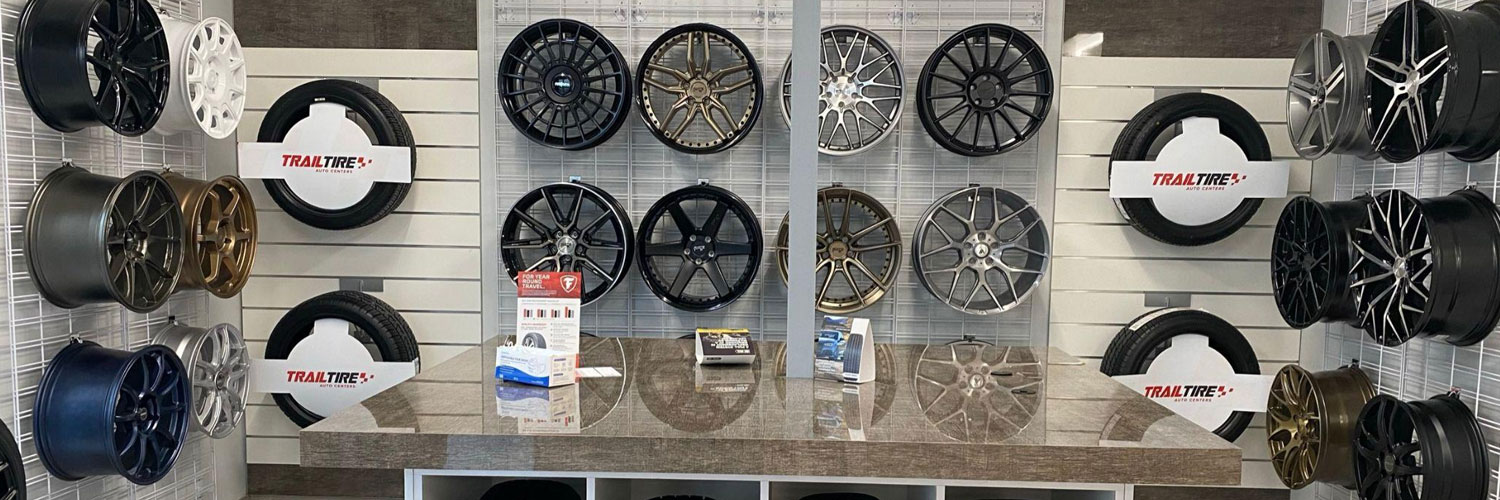
Long-Term Financial Impact
- Maintenance Costs: Alloy rims, especially polished or chrome finishes, may require specific cleaning products and more frequent attention to maintain their appearance and prevent corrosion. This is a small, but ongoing, financial outlay.
- Tire Wear: Incorrectly sized rims, improper installation, or neglecting wheel alignment can lead to uneven and premature tire wear, forcing you to replace expensive tires sooner than anticipated. This directly impacts your budget.
- Insurance Implications: Inform your insurance provider of significant vehicle modifications, including high-value rims. While it might slightly increase your premium, it ensures they are covered in case of theft or damage, protecting your investment.
- Fuel Economy: Heavier rims, particularly larger ones, can sometimes increase unsprung weight, potentially leading to a slight decrease in fuel efficiency. While often negligible for daily driving, it’s a factor to consider for long-term costs.
- Damage and Repair: Rims are susceptible to curb rash, bends, or cracks from potholes. Repairing or replacing a damaged rim can be costly. Factor this potential expense into your overall vehicle maintenance budget. Aftermarket rim repair shops “near me” can sometimes offer a more affordable alternative to full replacement.
By considering all these financial aspects, from the initial budget to long-term costs and financing strategies, you can confidently navigate the process of buying rims. Your search for “where to buy rims near me” becomes a well-informed financial journey, ensuring you not only find the right product but also make a smart investment.
aViewFromTheCave is a participant in the Amazon Services LLC Associates Program, an affiliate advertising program designed to provide a means for sites to earn advertising fees by advertising and linking to Amazon.com. Amazon, the Amazon logo, AmazonSupply, and the AmazonSupply logo are trademarks of Amazon.com, Inc. or its affiliates. As an Amazon Associate we earn affiliate commissions from qualifying purchases.